Introduction
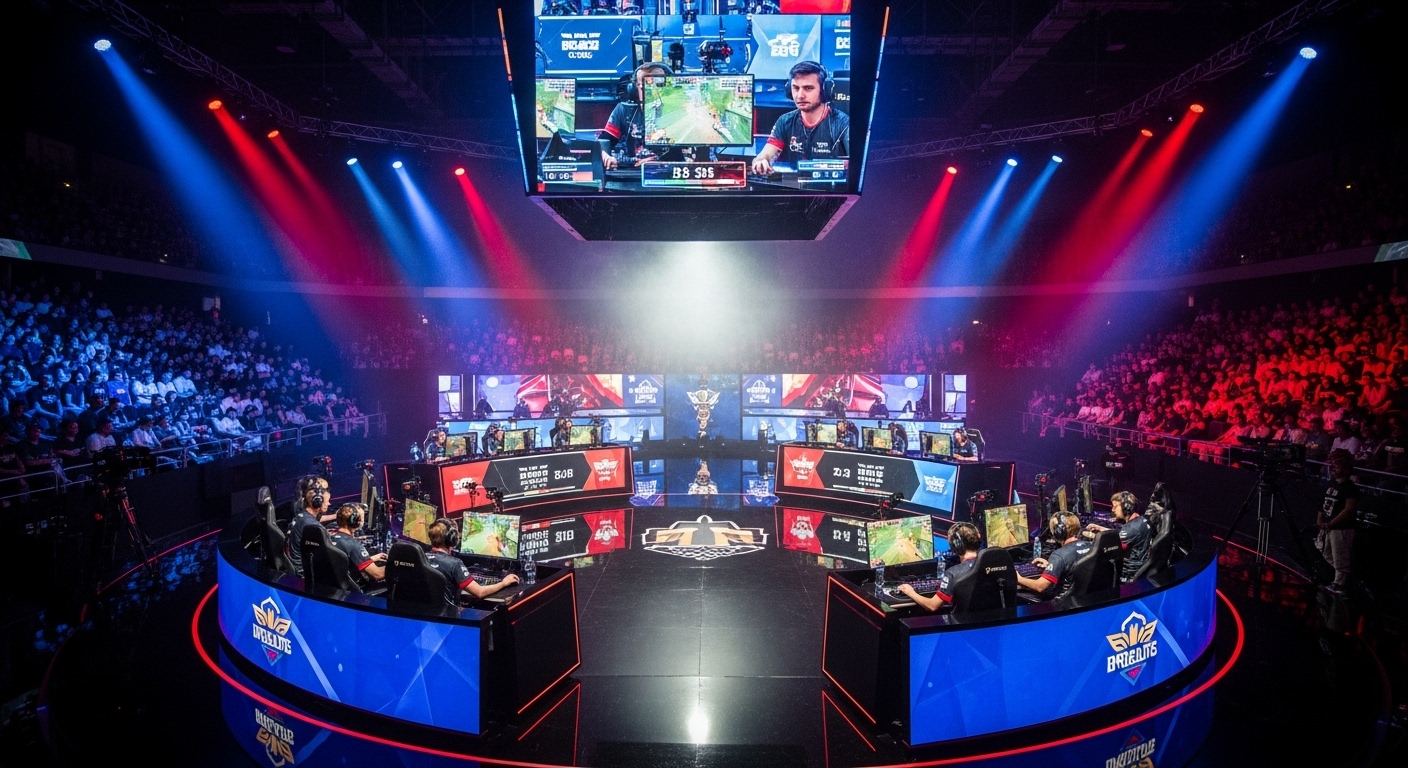
Esports, short for electronic sports, has evolved from a niche pastime into a global entertainment juggernaut. Once considered the domain of hobbyists and casual gamers, the world of competitive video gaming has now become a professional industry with millions of fans, players, and organizations worldwide. From humble beginnings in local tournaments to large-scale global competitions, esports has made its mark on the entertainment industry and culture. In this blog post, we’ll dive into the growth of esports, explore its impact on the gaming community, and examine the future prospects of this ever-expanding industry.
The Birth and Evolution of Esports
Esports didn’t emerge overnight. The early days of competitive gaming can be traced back to the 1990s when games like Street Fighter II, Quake, and StarCraft became staples of competitive play. These games, though primarily enjoyed as single-player experiences, sparked competitive communities that held informal tournaments at arcades or local LAN (Local Area Network) parties.
The first official esports event that gained significant attention was the Red Annihilation Tournament in 1997, where Quake players competed for a car as the grand prize. However, it was the launch of the World Cyber Games (WCG) in 2000 that truly put esports on the map, setting the stage for global tournaments and establishing a precedent for high-stakes gaming competitions.
With the introduction of high-speed internet in the 2000s, the ability to play and compete online became a game-changer. Titles like Warcraft III, Counter-Strike, and League of Legends helped foster the growth of online gaming communities, leading to the creation of online tournaments and esports organizations.
As the years passed, the rise of live-streaming platforms such as Twitch (launched in 2011) revolutionized the way fans could engage with their favorite esports teams and players. With millions of users watching live gameplay, esports began to gain mainstream recognition.
Key Elements That Define Esports
Esports encompasses a wide variety of genres, from first-person shooters to real-time strategy games, but there are several defining characteristics that set it apart from traditional gaming.
- Competitive Nature: The primary driving force behind esports is competition. Whether it’s an individual or team-based game, esports revolves around players competing against one another to achieve victory. This competitive element is not just about gameplay but also about strategy, team dynamics, and mental fortitude. It’s a sport in every sense of the word, with athletes dedicating hours to mastering their craft.
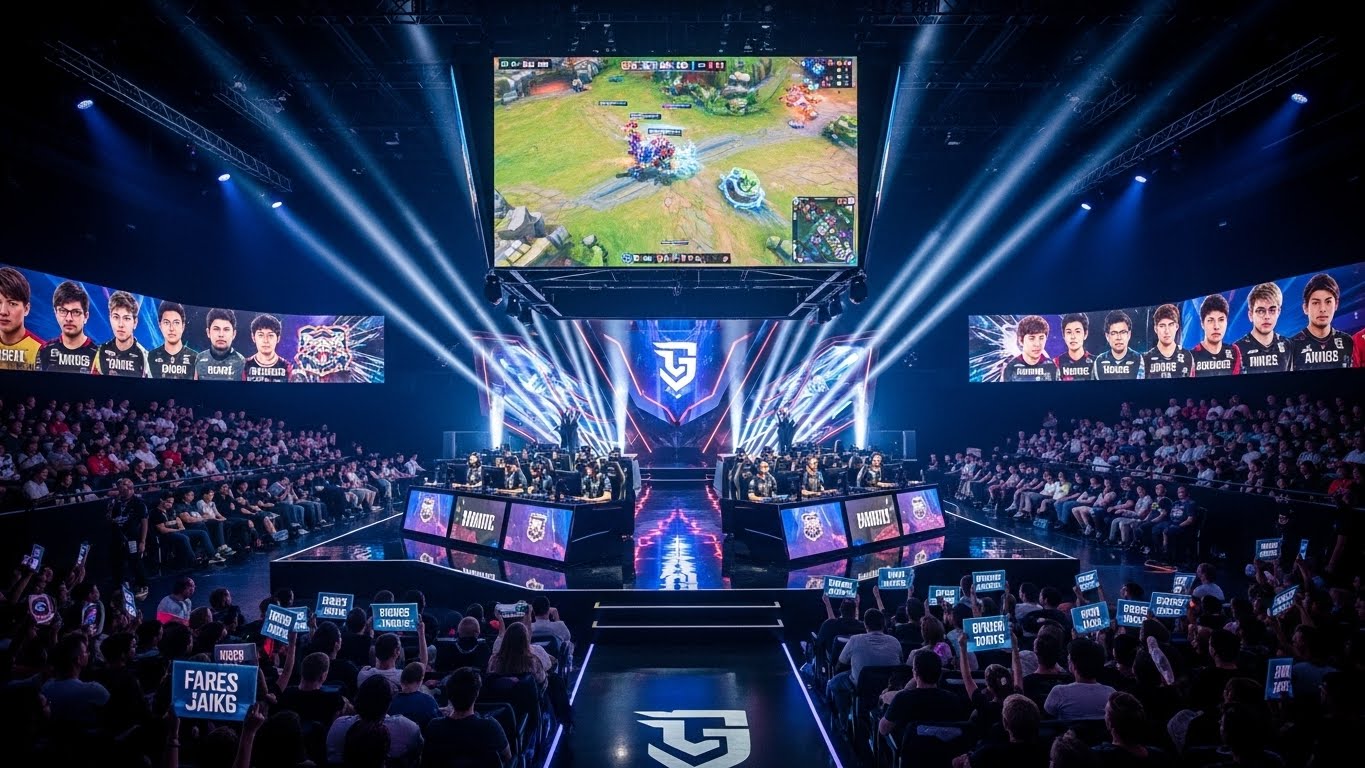
- Organized Tournaments and Leagues: Esports thrives on organized competitions that bring together the best players from around the world. Tournaments such as The International for Dota 2, League of Legends World Championship, and Call of Duty League have become staples of the esports calendar, drawing massive global audiences. These events are meticulously organized, often spanning multiple days and featuring both online and in-person qualifiers.
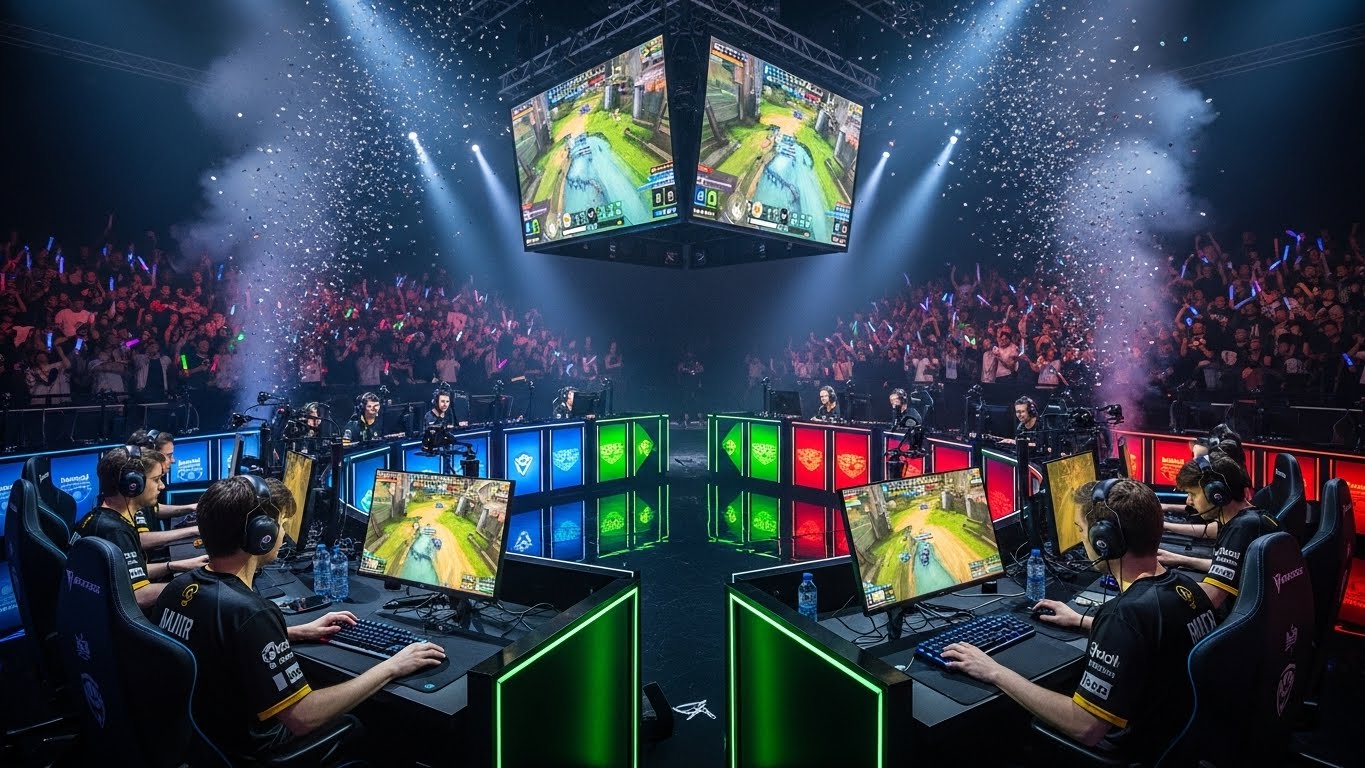
- Audience Engagement: Esports is built on fan interaction. The ability to watch live matches and interact with players and teams through social media and streaming platforms has created a new kind of fan experience. Esports athletes have become celebrities in their own right, with a large following on platforms like Twitch, YouTube, and Twitter. Fans can even influence the games they love through real-time commentary, polls, and voting during live events.
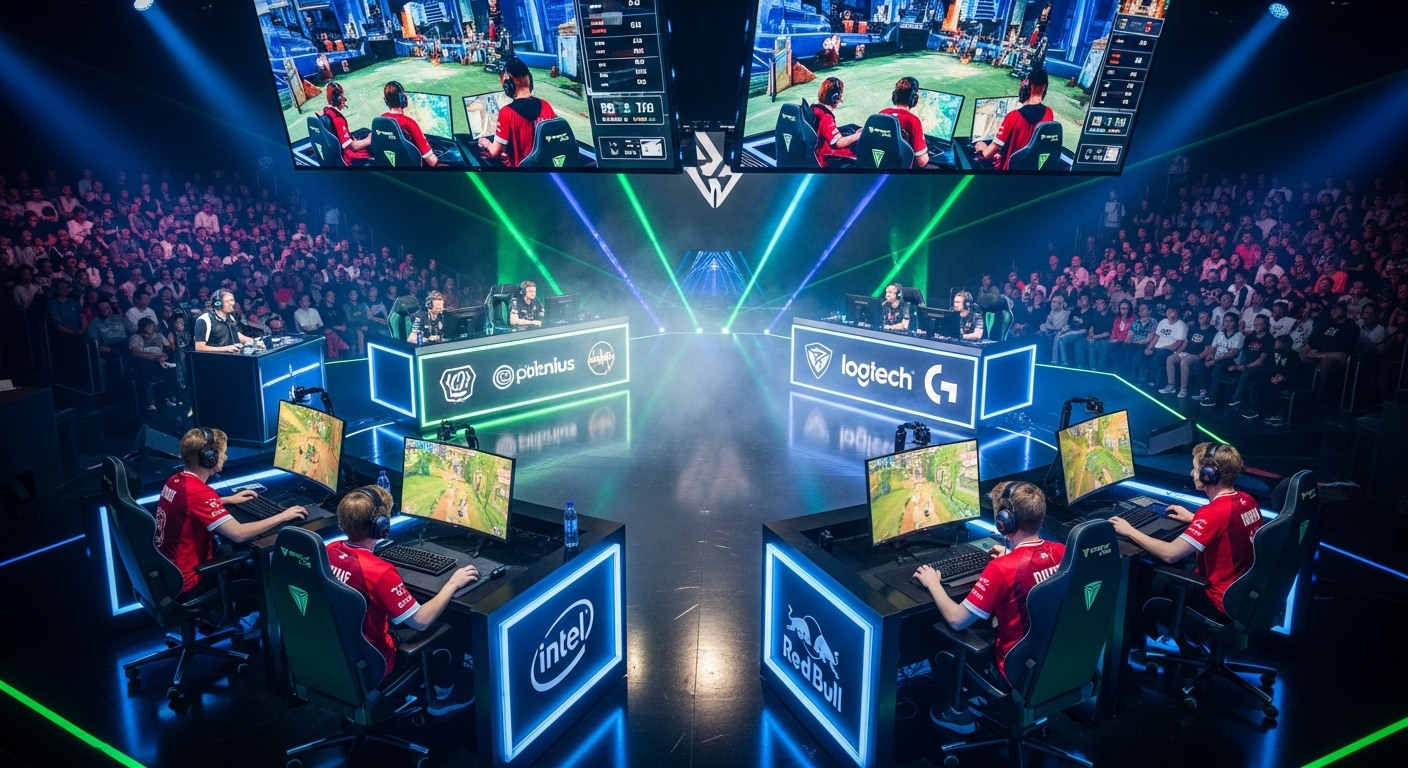
- Professional Teams and Sponsors: Just like traditional sports, esports has seen the formation of professional teams and organizations. These teams recruit the best players from around the world and compete in various titles, each with its own set of sponsors, coaches, and analysts. Esports organizations like Cloud9, Team Liquid, and Fnatic have gained international recognition, attracting corporate sponsorships from major brands such as Coca-Cola, Intel, and Nike.
- The Role of Streaming Platforms: Platforms such as Twitch and YouTube Gaming have been instrumental in the growth of esports. They allow fans to watch live tournaments, interact with streamers, and enjoy esports content in real time. The accessibility of these platforms has made esports more inclusive, allowing people from all walks of life to participate in the community. This has helped fuel a new generation of gamers who see competitive gaming as a potential career path.
Economic Impact of Esports
Esports has grown into a multi-billion-dollar industry. According to Newzoo’s Global Esports Market Report, the esports industry is expected to generate over $1 billion in revenue annually, with much of that coming from sponsorships, advertising, media rights, and merchandise.
The economic ecosystem surrounding esports is vast and varied. Players can earn prize money through tournament victories, streamers can generate revenue from ads, sponsorships, and donations, and esports organizations can profit through partnerships with brands. The influx of mainstream advertisers has also helped elevate esports into the spotlight. High-profile sponsorships from global companies like Intel, Mountain Dew, and Red Bull have cemented esports as a legitimate entertainment form.
Moreover, the integration of esports into traditional sports networks such as ESPN and TBS has further fueled its rise. Major broadcasters now regularly air esports events, making competitive gaming more visible to a wider audience. Esports’ ability to attract young viewers, many of whom don’t consume traditional media, has made it a highly attractive advertising platform for companies looking to reach the millennial and Gen Z demographics.
The Role of Esports in the Gaming Community
Esports has had a profound effect on the gaming community as a whole. It has given rise to new forms of gaming culture, creating communities that are as passionate as they are diverse.
- Increased Legitimacy for Gaming as a Career: One of the most significant impacts of esports is its validation of gaming as a legitimate career path. Players can now turn their passion for gaming into a full-time profession. This is a far cry from the days when gaming was viewed as a hobby or a waste of time. As esports continues to grow, players can expect to earn salaries, bonuses, and sponsorships, much like athletes in traditional sports.
- Building Social Connections: Esports has fostered a sense of community among players and fans alike. Online tournaments, team events, and streaming platforms provide opportunities for people from all over the world to come together and share in their love for gaming. Fans can build friendships with others who share similar interests, and players can find like-minded individuals to form teams and improve their skills.
- Promoting Mental and Physical Well-being: Although esports is a highly competitive and demanding field, it has also contributed to promoting mental well-being and cognitive skills. Competitive gaming requires quick decision-making, strategy, and teamwork, all of which can improve cognitive function. Furthermore, many professional gamers now work with sports psychologists, physical trainers, and nutritionists to maintain their mental and physical health, reflecting the increasing professionalization of the esports industry.
Challenges Facing Esports
Despite its rapid growth, esports is not without its challenges. One of the biggest hurdles it faces is the issue of sustainability. While top-tier esports events have attracted large audiences and substantial sponsorships, many smaller tournaments and lesser-known games still struggle to gain traction. Esports organizations must continue to innovate and find ways to make esports accessible to a broader audience, especially in developing countries where infrastructure may be lacking.
Additionally, the mental and physical toll of competitive gaming is a growing concern. Professional gamers often spend hours practicing, and the intense pressure to perform can lead to burnout. As esports grows, there is a need for better support systems for players, including mental health resources and ways to ensure long-term player sustainability.
The Future of Esports
Looking ahead, the future of esports appears brighter than ever. With the continued rise of mobile gaming and the increasing adoption of esports by universities, there are new opportunities to expand the reach of esports to more diverse audiences. College and university esports programs are now offering scholarships to talented players, creating a new pathway for aspiring athletes to pursue higher education while playing the games they love.
Moreover, the development of virtual reality (VR) and augmented reality (AR) technologies is likely to shape the future of esports. As technology advances, esports could shift into entirely new gaming experiences, offering even more immersive and dynamic ways for players to compete. In the near future, we may see fully immersive VR esports leagues or mixed-reality competitions that blend physical and digital worlds.
Conclusion
Esports has come a long way from its humble beginnings in basement tournaments to becoming a global phenomenon. It has transformed gaming from a solitary activity into a thriving, competitive, and socially engaging experience. With millions of fans, professional teams, lucrative sponsorships, and dedicated platforms, esports is now an established part of the entertainment landscape. While challenges remain, the future of esports is poised for continued growth, offering exciting new possibilities for players, fans, and industry professionals alike.
As gaming continues to evolve, one thing is clear: esports is no longer just a game. It’s a sport in its own right, and it’s here to stay.