In recent years, esports has grown from a niche hobby into a global phenomenon. What was once seen as a pastime for a select group of gamers has now evolved into an industry worth billions, complete with professional leagues, sponsorships, and worldwide recognition. From casual players to high-level professionals, esports has become a cultural force that has reshaped the landscape of competitive gaming and entertainment.
This blog explores the rapid rise of esports, its impact on traditional sports, the technology that powers it, and the future of this exciting industry. Let’s dive into the world of esports and understand why it’s more than just “playing games.”
What is Esports?
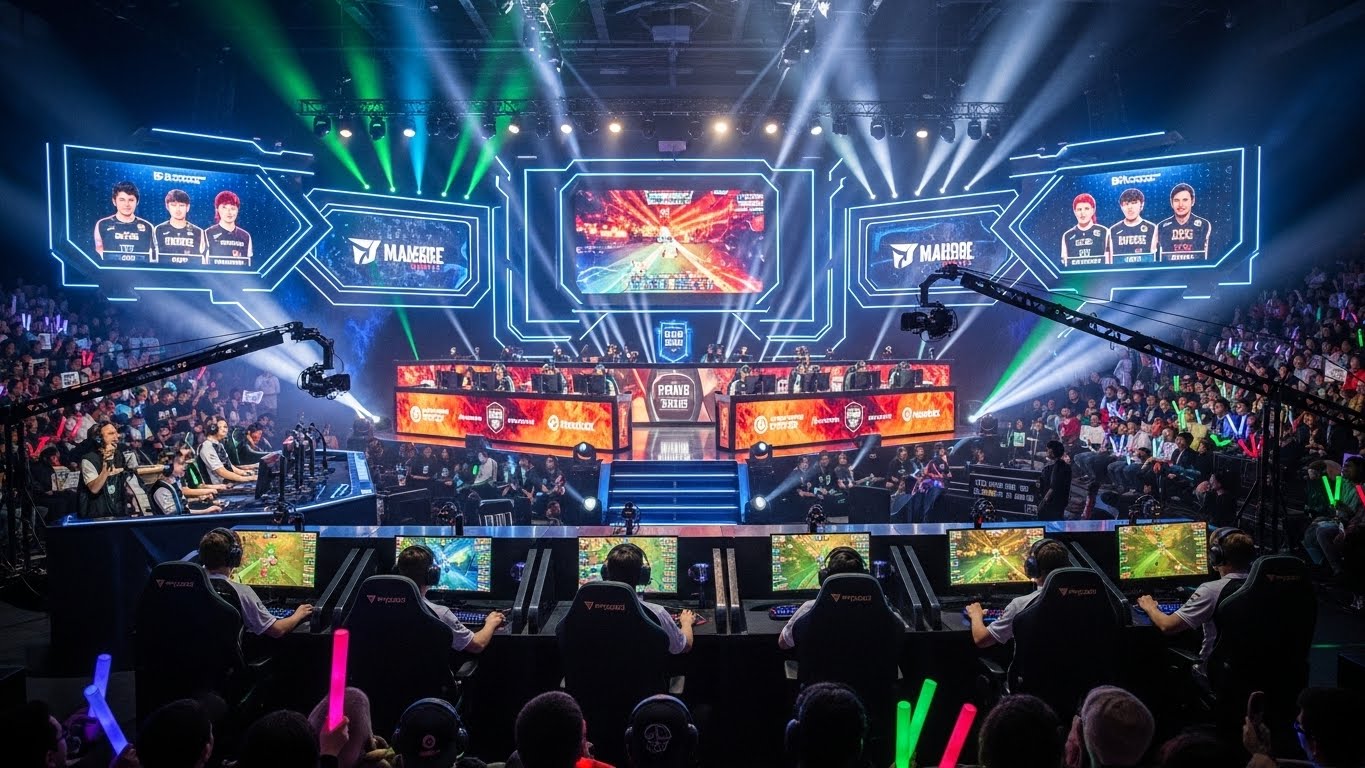
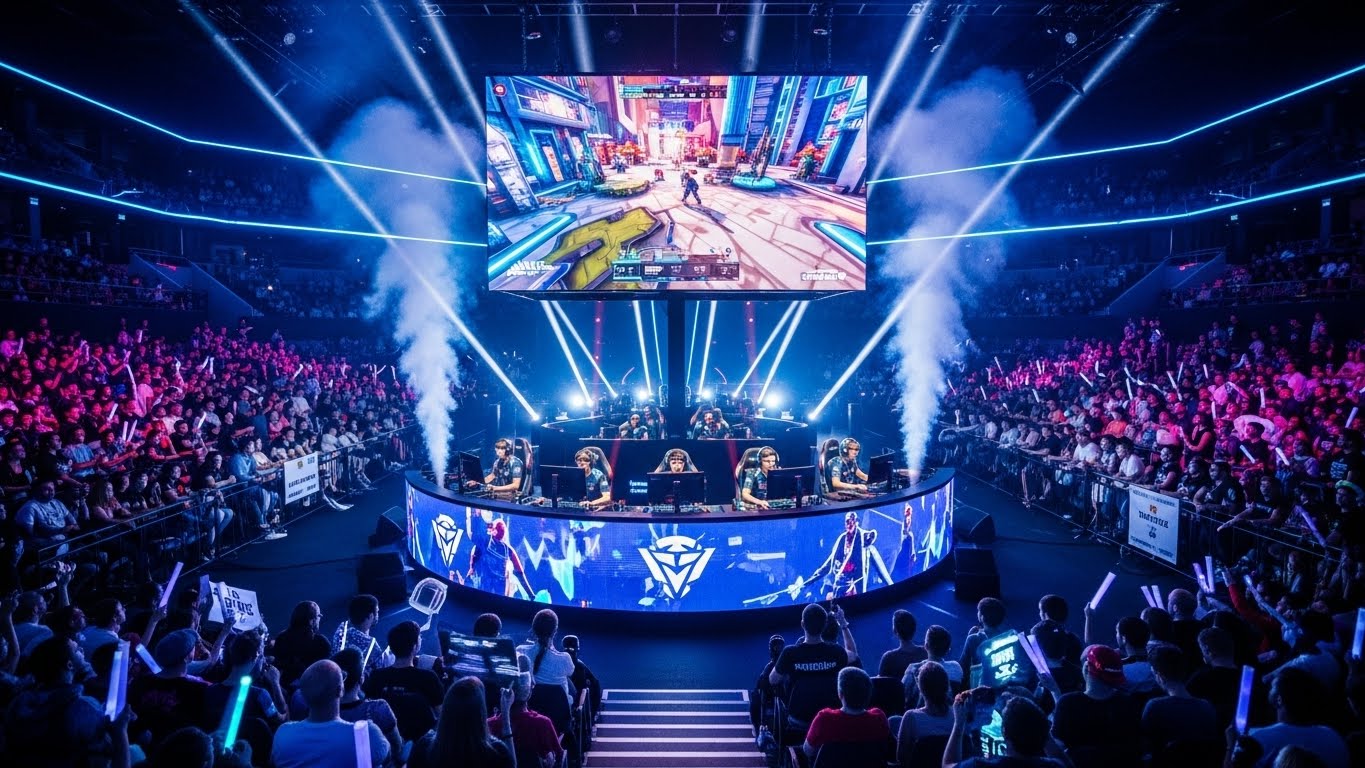
Esports, short for electronic sports, refers to organized, multiplayer video game competitions, particularly between professional players, individually or as teams. These tournaments feature popular games such as League of Legends, Counter-Strike: Global Offensive, Dota 2, Fortnite, Overwatch, and Call of Duty. Unlike casual gaming, esports involves highly skilled players competing at the highest level, often in front of large audiences both online and at physical venues.
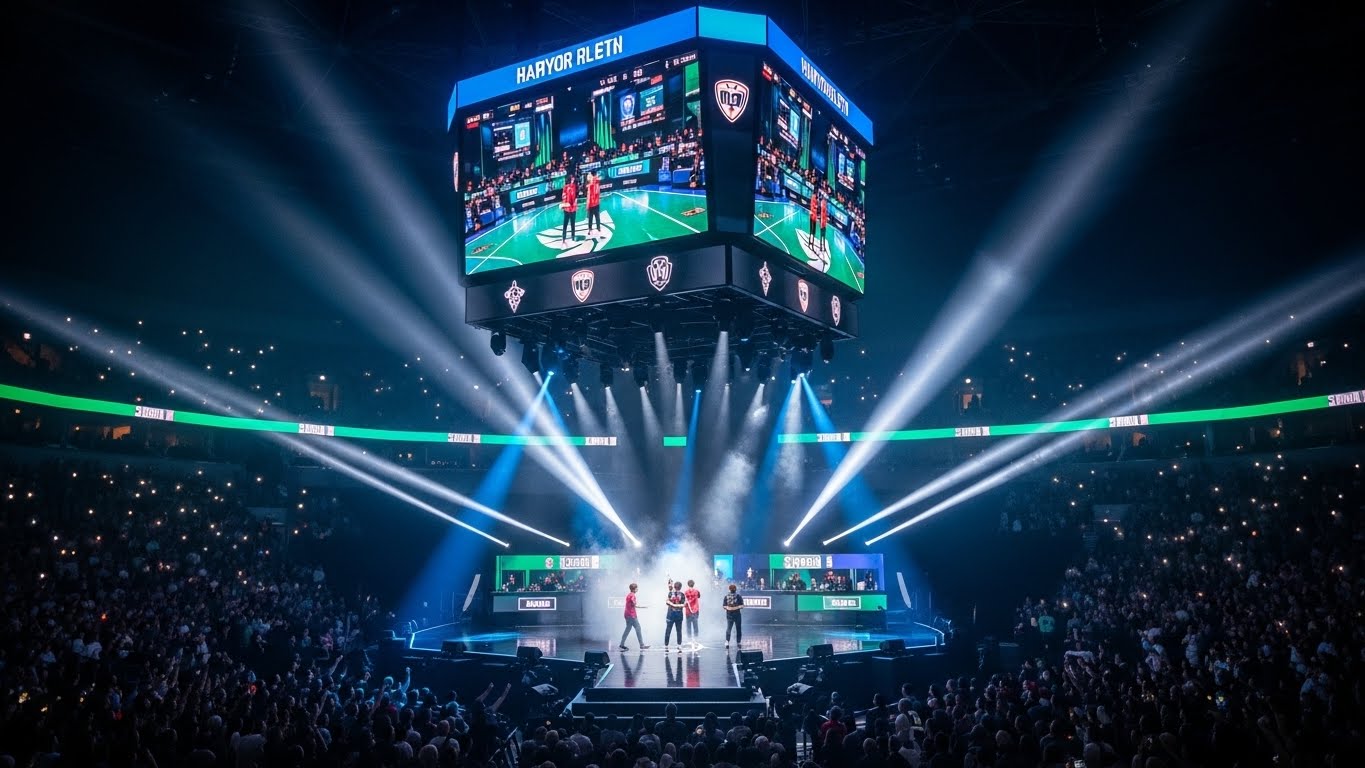
The competitive nature of esports has sparked a new era in entertainment, where video games are not only played but also watched. Fans tune in to watch these intense battles, much like they would for traditional sports such as soccer or basketball.
The Growth of Esports: A Global Phenomenon
The growth of esports can be attributed to several key factors, ranging from technological advancements to changing cultural perceptions of gaming.
1. Technological Advancements
The rise of high-speed internet, powerful gaming consoles, and gaming PCs has provided a solid foundation for esports to flourish. Players can now connect with others globally without lag or disruptions, enabling seamless online competitions. Platforms like Twitch, YouTube, and Facebook Gaming have also contributed significantly to esports’ rise, offering streaming services where fans can watch their favorite players and teams in real time.
Additionally, the advent of virtual reality (VR) and augmented reality (AR) is pushing the boundaries of what esports can become. As VR headsets become more affordable and mainstream, we can expect immersive, next-level experiences for both players and viewers.
2. Professionalization and Investment
In the early days of esports, competitions were held on a much smaller scale, often hosted in community centers or small venues. However, as the industry grew, esports tournaments evolved into highly professionalized events with live broadcasts, sponsorships, and prize pools that rival those of traditional sports. Companies like Intel, Coca-Cola, and Nike have invested heavily in esports, recognizing its potential as a profitable and engaging entertainment medium.
Tournaments like The International (Dota 2) and League of Legends World Championship attract millions of viewers and offer prize pools worth tens of millions of dollars. These events have elevated esports to the level of a major international sporting event, with dedicated teams, coaches, analysts, and marketing departments.
3. Global Accessibility
Esports has broken down geographical and cultural barriers. Games like League of Legends have players from all around the world, with regional competitions culminating in global championships. The accessibility of games on platforms like PC, PlayStation, and Xbox means that almost anyone, anywhere, can participate in the esports ecosystem.
In countries like South Korea, China, and the United States, esports has become a national pastime, with professional leagues, training facilities, and extensive fan bases. The rise of mobile gaming has also opened new avenues for esports, especially in regions like Southeast Asia, where mobile games dominate.
Esports vs. Traditional Sports: A New Era of Competition
While traditional sports like football, basketball, and baseball have been around for centuries, esports is still in its infancy. However, it’s already making significant waves in the world of entertainment and competition.
1. Audience Engagement
Esports has a younger, tech-savvy audience compared to traditional sports. With the advent of live-streaming platforms, fans can engage with their favorite players and teams directly. Viewers are not just passive consumers of content; they are active participants in the esports experience. Fans can chat in real-time, vote on match decisions, and even contribute to team strategies, making esports a highly interactive form of entertainment.
In contrast, traditional sports, while still immensely popular, have a more passive audience. Fans watch the game, but they don’t have the same level of interaction with the athletes or the event itself.
2. The Rise of Esports as a Career
For athletes in traditional sports, careers are often built over decades of physical training, competing at a young age, and following strict routines. In esports, while players still need to train intensively, the path to a career can be shorter. Many esports athletes begin their journey as young as 14 or 15, honing their skills online and entering competitive tournaments. Some players even rise to fame by streaming on platforms like Twitch or YouTube, where they can gain sponsorship deals and build a fan base.
While traditional sports athletes often face the pressure of physical injuries or aging, esports players also have a relatively short shelf life due to the intense mental focus and reflexes required. Many professional gamers retire in their late 20s or early 30s, transitioning into coaching, commentary, or content creation.
3. Global Events and Cross-Cultural Appeal
Traditional sports have long been seen as regional or national events, with teams representing cities or countries. Esports, however, transcends borders. The global nature of esports means that players from all over the world can compete on the same stage, creating a sense of unity among fans and players alike.
Tournaments like The International and League of Legends World Championship attract millions of viewers from different countries, each bringing their unique cultural flavor to the event. Fans from every corner of the globe share a common love for the games and players, leading to a highly inclusive and diverse competitive environment.
The Impact of Esports on the Gaming Industry
Esports has had a profound impact on the gaming industry, both in terms of game development and the business of gaming.
1. Game Design and Development
Many of the world’s most popular esports titles were designed with competitive play in mind. Games like League of Legends and Counter-Strike have deep strategic elements that require players to think on their feet and work as a team. This focus on competitive play has influenced how developers approach game design, with an emphasis on balance, skill expression, and spectator engagement.
Furthermore, esports has also led to the development of games specifically designed for tournaments. Developers often create regular updates, patches, and balance changes to ensure that the gameplay remains fresh and competitive. As a result, esports games evolve constantly, keeping both players and viewers engaged.
2. Monetization and Sponsorship
The influx of corporate sponsorships and media rights deals has transformed esports into a multi-billion-dollar industry. Esports organizations, streamers, and tournament organizers now work closely with brands looking to tap into the growing gaming demographic. Sponsorship deals, advertising, merchandise sales, and broadcasting rights are major sources of revenue in the esports ecosystem.
This trend is not just limited to gaming companies. Traditional brands outside of the gaming industry, such as Coca-Cola, Mercedes-Benz, and Red Bull, are becoming heavily involved in the esports scene. As esports continues to grow, these sponsorships are expected to increase, further solidifying its place in the global entertainment landscape.
The Future of Esports: What Lies Ahead?
As esports continues to mature, the future looks incredibly bright. Several trends suggest that esports will not only continue to grow in popularity but also reshape the entertainment industry.
1. Integration with Virtual and Augmented Reality
Esports is poised to enter the world of virtual reality (VR) and augmented reality (AR). Imagine being able to watch an esports match from the perspective of your favorite player, or even participating in the action yourself. As VR and AR technology improve, esports experiences will become more immersive, creating new opportunities for both players and fans.
2. More Opportunities for Women in Esports
While esports has traditionally been male-dominated, there is a growing movement to include more women in the competitive scene. Initiatives like female-only tournaments, mentorship programs, and equal representation in gaming development are helping to bridge the gender gap in esports. As the industry matures, it’s likely that we will see more female athletes, streamers, and influencers making their mark on the esports world.
3. Esports in Schools and Universities
Another exciting trend is the integration of esports into educational institutions. Many schools and universities are now offering scholarships for competitive gaming, and dedicated esports teams are becoming increasingly common. This not only provides students with career opportunities in esports but also helps to legitimize esports as a professional path.
Conclusion
Esports is no longer just a hobby; it has become a global cultural movement that is revolutionizing the entertainment and gaming industries. From its humble beginnings to becoming a multi-billion-dollar industry, esports has captured the imagination of millions and continues to evolve at an astonishing rate.
With professional leagues, massive fanbases, and the integration of cutting-edge technology, esports is set to play an even more significant role in the future of entertainment. Whether you’re a casual gamer or a die-hard esports fan, it’s clear that the world of competitive gaming is here to stay.