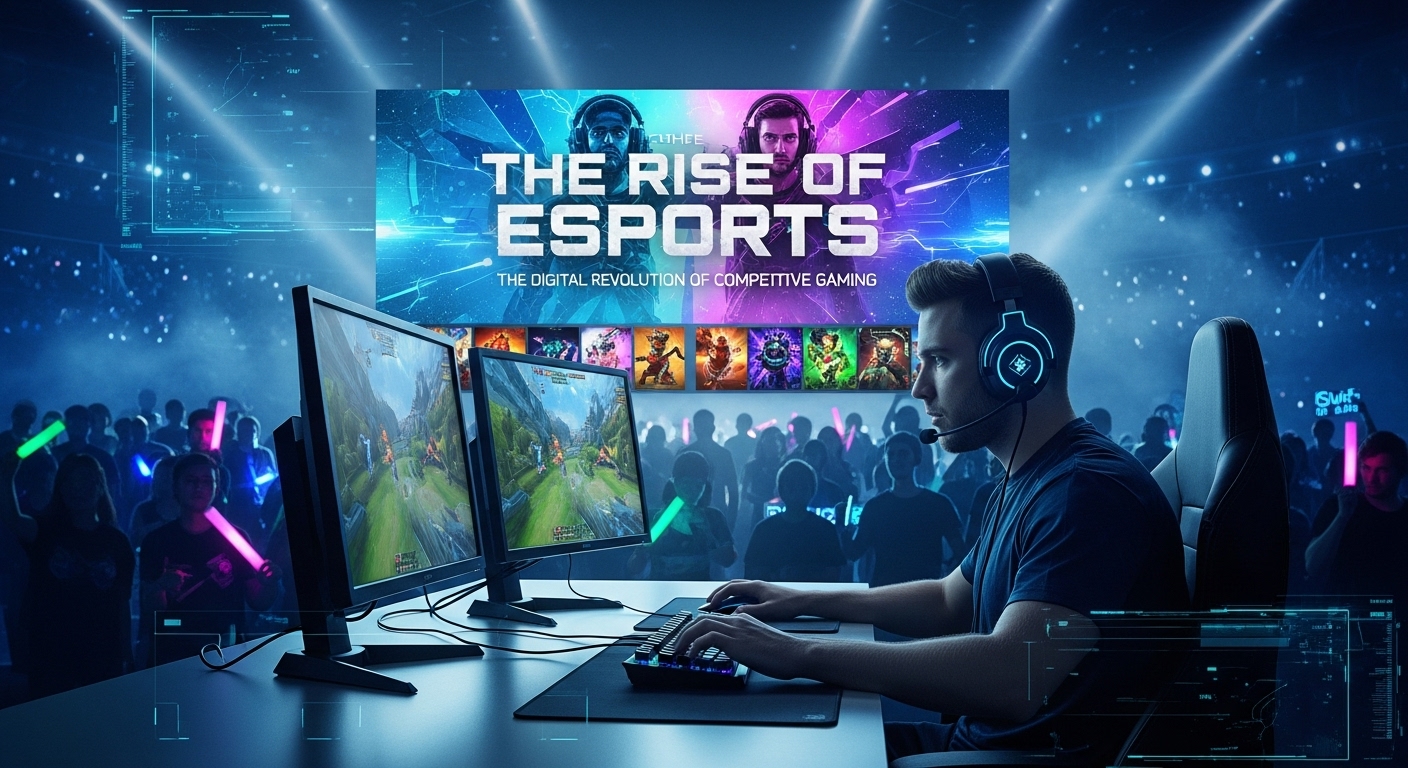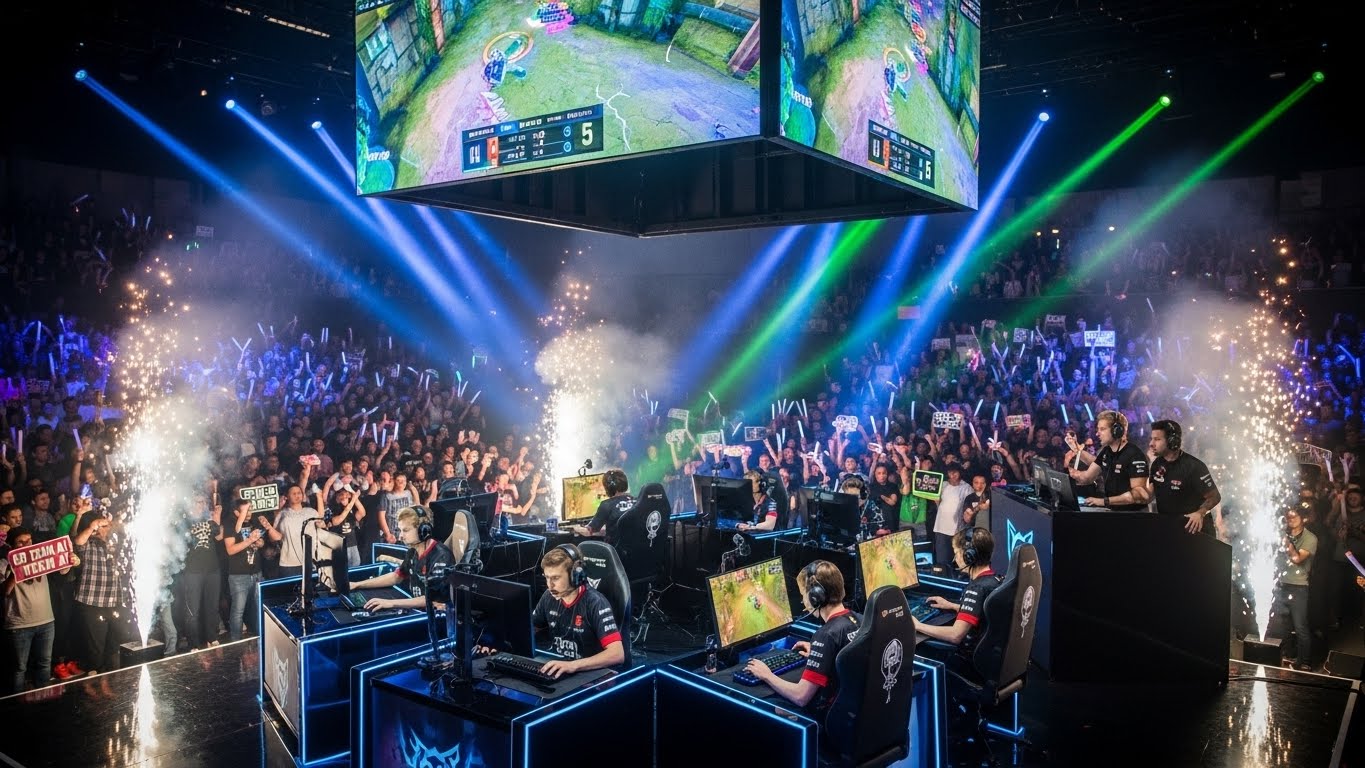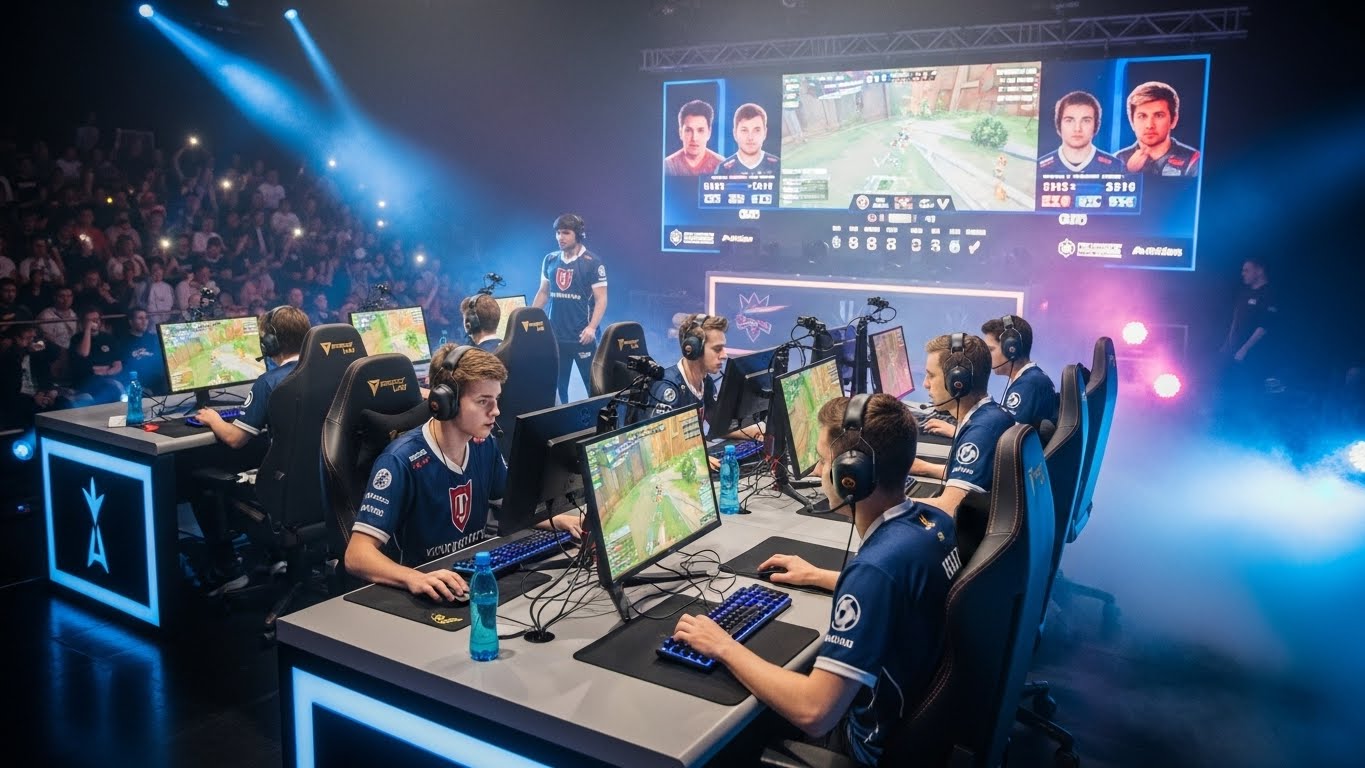
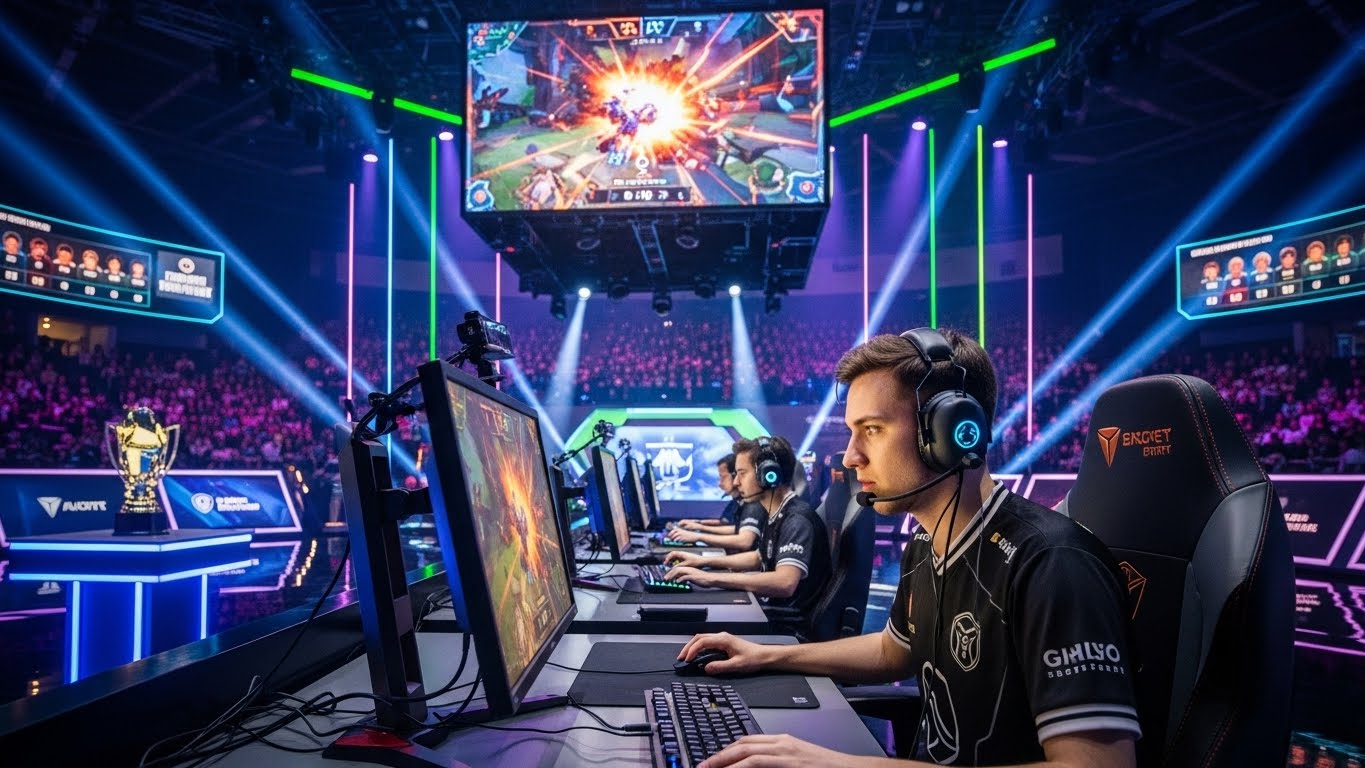
Esports has transformed from a niche hobby into a global phenomenon, captivating millions of fans and generating billions of dollars in revenue. What once was considered just casual gaming has now become a professional arena where players, teams, and organizations compete at the highest levels. In this blog post, we explore the history, growth, and cultural impact of esports, while delving into why it has become such a powerful force in modern entertainment.
The Origins of Esports
The term “esports” refers to competitive video gaming, where individuals or teams compete in organized tournaments. While esports feels modern, its origins date back several decades. In the late 1970s and early 1980s, arcade games like Space Invaders and Pac-Man inspired early competitions. Gamers would compete for high scores, and magazines even published rankings of top players.
The real turning point for esports came in the 1990s with the advent of PC gaming and local area networks. Titles like Quake, StarCraft, and Counter-Strike created communities of players who engaged in organized matches. These competitions were often small-scale, yet they set the stage for what esports would eventually become. The growth of the internet allowed players to connect from different locations, and online tournaments slowly began attracting global attention.
The Evolution of Competitive Gaming
As technology evolved, so did esports. The early 2000s marked the rise of professional esports leagues and large-scale tournaments. South Korea, in particular, became a hub for competitive gaming, with StarCraft emerging as a national obsession. Television networks broadcast matches, and professional players became household names. This period also saw the development of esports organizations that offered contracts, salaries, and sponsorships to players.
In recent years, esports has expanded beyond PC gaming into console and mobile gaming, broadening its audience. Titles like League of Legends, Dota 2, Fortnite, and Call of Duty have attracted millions of fans worldwide. The popularity of streaming platforms has also fueled this growth, allowing fans to watch live competitions and interact with players in real-time. Esports has now become a legitimate career path, complete with endorsements, merchandise, and global recognition.
The Business Behind Esports
The economic impact of esports is staggering. Revenue streams come from multiple sources, including sponsorships, advertising, media rights, ticket sales, and merchandising. Major brands have recognized the marketing potential of esports, partnering with tournaments and teams to reach younger, tech-savvy audiences. Sponsorship deals often include exclusive branding, custom merchandise, and collaborations with content creators.
Esports tournaments themselves generate significant revenue. Some of the largest events boast prize pools of millions of dollars, drawing in fans both online and in-person. Ticket sales for major competitions rival those of traditional sports, and stadiums hosting these events often sell out within hours. Additionally, the rise of streaming platforms has created opportunities for influencers and content creators to monetize their presence, further strengthening the esports economy.
Esports as a Career
Becoming a professional esports player requires a combination of skill, dedication, and strategy. Unlike casual gaming, esports demands rigorous training schedules, mental resilience, and a deep understanding of game mechanics. Professional players often practice for six to twelve hours a day, analyzing gameplay, strategizing with teammates, and refining their skills.
Beyond playing, esports offers career opportunities in coaching, event management, broadcasting, marketing, and content creation. Teams often employ analysts to study opponents, strategists to plan gameplay, and managers to handle logistics. As esports continues to grow, the industry will require more skilled professionals to support its expanding ecosystem.
The Role of Streaming in Esports
Streaming platforms have revolutionized how fans engage with esports. Platforms like Twitch, YouTube Gaming, and Facebook Gaming allow players to broadcast their gameplay live, creating a direct connection with audiences. Fans can interact through chat, follow their favorite players, and even contribute financially through subscriptions and donations.
Streaming also democratizes esports, giving lesser-known players a platform to showcase their skills. This accessibility has led to the discovery of new talent, some of whom rise to professional status through consistent performance and audience engagement. Additionally, streaming offers educational value, as viewers learn new strategies, techniques, and insights from professional gamers.
Esports and Traditional Sports
Esports shares many similarities with traditional sports, including teamwork, strategy, training, and fan engagement. However, it also presents unique differences. Unlike physical sports, esports emphasizes mental agility, reflexes, and precise coordination. Training often involves analyzing game footage, developing complex strategies, and adapting to rapidly changing game environments.
Some traditional sports organizations have recognized the potential of esports and invested in teams or leagues. Soccer clubs, basketball franchises, and even cricket boards have established esports divisions to attract younger audiences. This blending of traditional sports and esports has helped bridge the gap, making competitive gaming more mainstream and respected as a legitimate form of entertainment.
Global Impact and Cultural Significance
Esports has grown into a global cultural phenomenon, transcending geographic and cultural boundaries. International tournaments bring together players and fans from different countries, fostering a sense of community and shared passion. Cultural events and collaborations further integrate esports into popular culture, from music videos to movies and fashion.
Moreover, esports challenges traditional perceptions of sports, inspiring conversations about skill, professionalism, and competition. For many young people, esports represents a viable path to success, creativity, and community. It also encourages teamwork, strategic thinking, and technological literacy, skills that are valuable both inside and outside the gaming world.
Challenges Facing Esports
Despite its rapid growth, esports faces several challenges. Mental health concerns are a significant issue, as players face intense pressure to perform, long practice hours, and public scrutiny. Organizations are increasingly investing in support systems, including counseling, stress management, and physical fitness programs, to ensure player well-being.
Another challenge is sustainability. Maintaining audience engagement, securing sponsorships, and managing tournaments require continuous innovation and investment. Additionally, issues like cheating, toxicity, and unfair gameplay can undermine the credibility of competitions. Industry leaders are working to implement regulations, anti-cheat systems, and fair play guidelines to address these concerns.
The Future of Esports
The future of esports looks promising, with technology driving continued growth. Virtual reality, augmented reality, and cloud gaming have the potential to revolutionize how competitions are played and viewed. These innovations could create more immersive experiences for players and spectators alike.
Esports is also likely to expand into educational and professional training programs. Universities and colleges are already offering scholarships and courses in esports management, game design, and broadcasting. As esports becomes further integrated into mainstream culture, it will continue to influence entertainment, technology, and social interaction on a global scale.
Conclusion
Esports has evolved from humble beginnings into a global entertainment powerhouse. Its impact spans economics, culture, and technology, creating opportunities for players, businesses, and fans alike. With dedicated professionals, passionate communities, and innovative platforms driving its growth, esports is no longer just a pastime—it is a legitimate career path and a cultural phenomenon. As the industry continues to evolve, one thing is clear: esports is here to stay, redefining competition and entertainment for generations to come.