Introduction: The Digital Revolution of Competitive Gaming
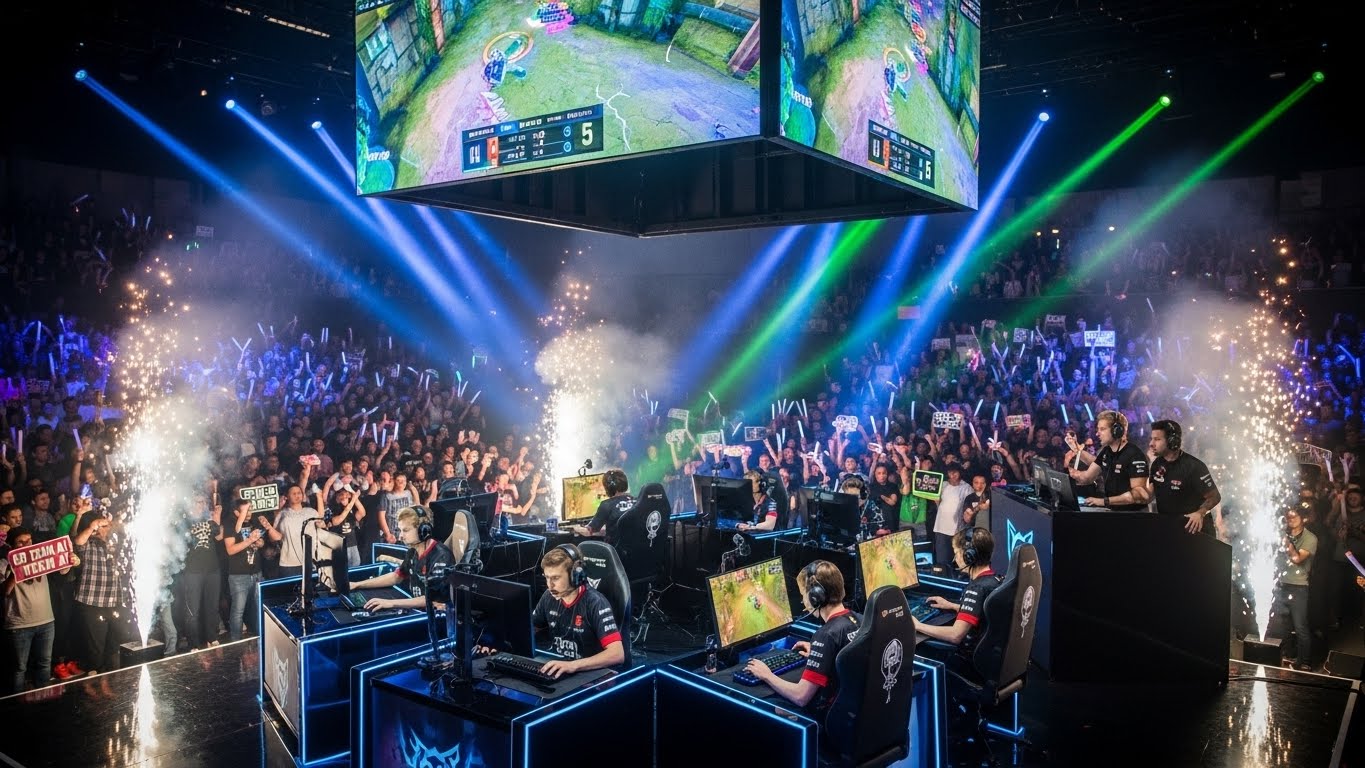
In recent years, eSports has transformed from a niche hobby into a booming global industry. What started as casual gaming sessions in basements and internet cafes has evolved into multi-million-dollar tournaments, professional teams, and millions of dedicated fans. Competitive video gaming, once relegated to the fringes of the entertainment world, is now a cornerstone of modern culture, with millions of players and fans engaging in the eSports ecosystem.
As the industry grows, so too does its influence on the broader entertainment world. From sponsorships by major brands to television broadcasting, eSports is increasingly becoming a mainstream spectacle. In this blog post, we will explore the rapid rise of eSports, the factors contributing to its growth, and its impact on the gaming industry and society as a whole.
The Evolution of eSports: From LAN Parties to Global Tournaments
The origins of eSports can be traced back to the early days of online multiplayer gaming. In the 1990s, games like “Quake” and “StarCraft” allowed players to compete against each other over the internet, laying the groundwork for competitive gaming as we know it today. However, it wasn’t until the early 2000s that the first organized eSports tournaments began to emerge.
One of the earliest milestones in eSports history was the formation of the World Cyber Games (WCG) in 2000, which hosted international tournaments for games like “Counter-Strike” and “WarCraft III.” These events provided a platform for players to showcase their skills and for fans to witness competitive gaming at a high level. Over the next decade, the rise of digital streaming platforms like Twitch allowed gamers to broadcast their gameplay to a global audience, further propelling eSports into the mainstream.
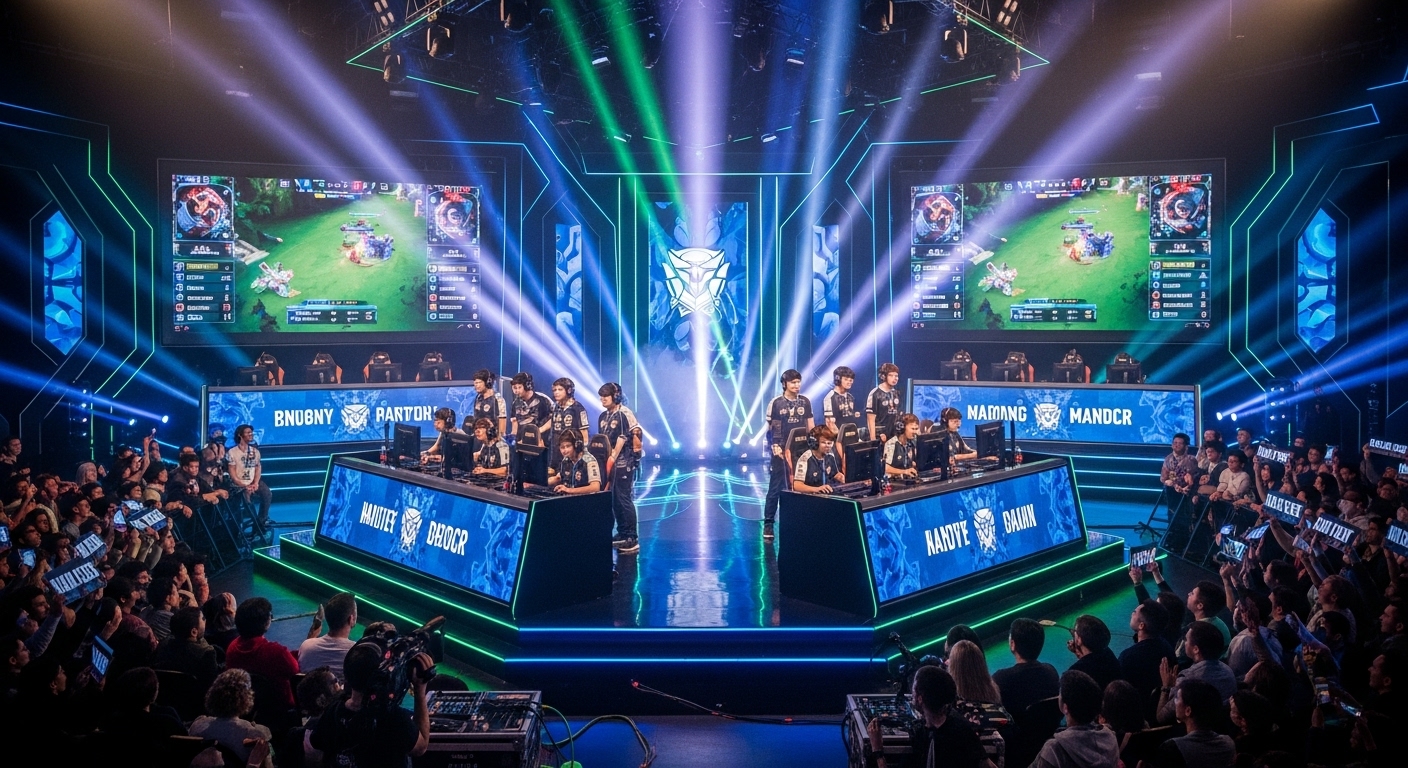
The real breakthrough came with the release of games specifically designed for competitive play, such as “League of Legends” and “Dota 2.” These games introduced complex mechanics and a team-oriented focus, appealing to both players and spectators. As the prize pools for these games grew, so did the professional scene, and tournaments such as “The International” became major events, drawing millions of viewers and offering prize pools in the tens of millions of dollars.
The Growth of eSports: A Multimillion-Dollar Industry
Today, eSports is a multi-billion-dollar industry, and its growth shows no signs of slowing down. According to recent reports, the global eSports industry is expected to surpass $1.5 billion in revenue by 2023. This explosive growth is fueled by several factors, including the increasing popularity of online gaming, the rise of streaming platforms like Twitch, and the involvement of major corporations.
One of the most significant drivers of eSports growth is the sheer number of people playing games. According to Newzoo, a leading market intelligence firm, there are over 2.7 billion gamers worldwide, and a significant portion of those players engage in some form of competitive gaming. Whether it’s casual matchmaking or participating in a ranked league, competitive gaming is now an integral part of the gaming experience.
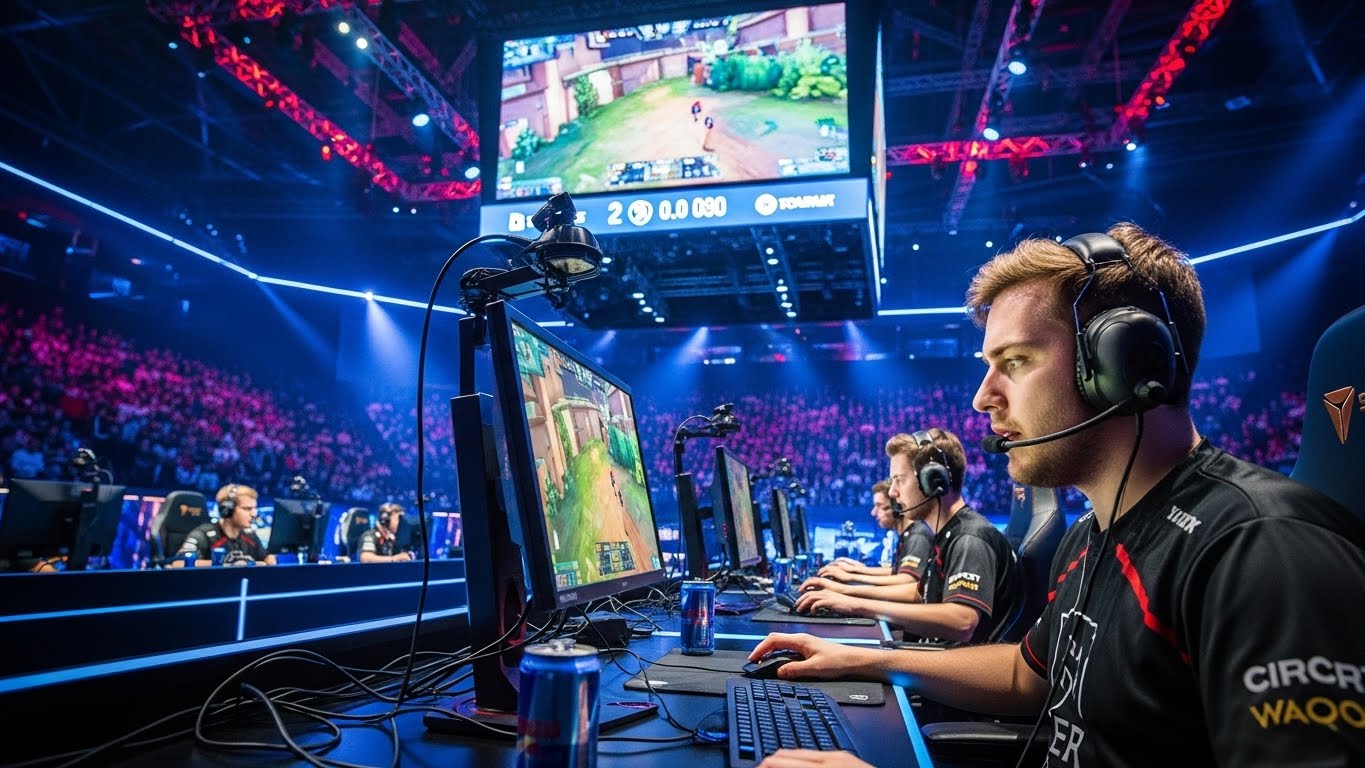
Corporate sponsorships have also played a crucial role in eSports’ growth. Companies from various industries, including technology, automotive, and consumer goods, have recognized the potential of eSports as a marketing tool. Brands like Coca-Cola, Intel, and Red Bull have invested heavily in eSports sponsorships, providing financial backing for tournaments, teams, and players. This influx of corporate money has helped propel eSports from a niche market into a mainstream entertainment industry.
The Professionalization of eSports: From Hobbyists to Full-Time Careers
As eSports has grown in prominence, so too has the professionalization of the industry. Competitive gaming is no longer just a hobby for enthusiasts; it is now a viable career path for many players. Professional eSports athletes can earn substantial salaries through tournament winnings, sponsorship deals, streaming revenue, and merchandise sales. Top players can make millions of dollars annually, with prize money from tournaments like “The International” and “League of Legends World Championship” offering life-changing sums.
In addition to individual players, professional eSports organizations have become a key part of the ecosystem. These organizations recruit top-tier talent, manage sponsorships, and help develop the careers of players. Teams such as Cloud9, T1, and FaZe Clan have established themselves as household names within the eSports community, and their players are treated like celebrities. These organizations also provide coaching, training facilities, and support staff to help players perform at their best.
While players may be the stars of the show, there are countless other roles within the eSports industry that contribute to its success. Coaches, analysts, casters, event organizers, and content creators all play essential roles in creating the eSports ecosystem. With eSports now operating as a full-fledged industry, the job opportunities available to people with a passion for gaming are expanding rapidly.
The Impact of Streaming and Social Media on eSports
One of the key factors behind the rise of eSports is the growing influence of streaming platforms like Twitch and YouTube. These platforms have revolutionized the way people consume gaming content, allowing players to share their skills, build audiences, and even earn money through subscriptions and donations. Twitch, in particular, has become synonymous with live streaming and eSports broadcasting, with millions of viewers tuning in to watch tournaments, casual gameplay, and commentary from top-tier streamers.
The relationship between streamers and their audiences is another driving force behind the success of eSports. Unlike traditional sports, where fans are often distant from the athletes, streaming platforms allow for a more direct and personal connection between players and fans. Viewers can interact with streamers in real time, ask questions, and even influence the content being created. This level of engagement has helped foster a sense of community and loyalty among eSports fans, contributing to the growth of the industry.
Social media platforms like Twitter, Instagram, and TikTok also play a vital role in promoting eSports events and players. Teams, players, and organizations use social media to engage with fans, share updates, and build their personal brands. Hashtags and viral moments from major tournaments often trend on Twitter, generating even more buzz and interest in eSports.
The Global Appeal of eSports: A Truly International Phenomenon
Unlike traditional sports, which are often confined to specific countries or regions, eSports is a truly global phenomenon. Players from all over the world can compete against each other, regardless of their physical location. This accessibility has allowed eSports to thrive in countries with diverse gaming cultures, from South Korea and China to the United States and Brazil.
Major eSports tournaments, such as “The International” and “League of Legends World Championship,” attract players and fans from across the globe. These events are often broadcast in multiple languages and feature international teams competing for massive prize pools. In fact, eSports has become one of the most-watched sports in the world, with millions of viewers tuning in to watch live streams of tournaments and matches.
The rise of eSports has also spurred the development of local and regional leagues. Leagues like the Overwatch League and Call of Duty League have brought eSports into local markets, allowing fans to support teams that represent their home cities. This localized approach has helped eSports grow beyond its online roots and into physical arenas, with packed stadiums and live audiences for major events.
The Future of eSports: Growth, Challenges, and Opportunities
As eSports continues to grow, it faces both exciting opportunities and significant challenges. One of the most promising aspects of eSports’ future is its potential for mainstream acceptance. With traditional sports organizations, such as the NBA and NFL, exploring ways to integrate eSports into their operations, it is likely that eSports will continue to gain legitimacy and recognition.
However, the industry is also facing challenges. The rapid growth of eSports has led to concerns over player health, both physically and mentally. The demands of competitive gaming, including long hours of practice and high-pressure tournaments, can take a toll on players’ well-being. Additionally, the eSports community has faced challenges related to inclusivity, with issues such as toxic behavior and gender inequality requiring ongoing attention and reform.
Despite these challenges, the future of eSports looks incredibly bright. With continued investment from major brands, growing fanbases, and technological advancements, the industry is poised to become an even more prominent part of global entertainment.
Conclusion: eSports—More Than Just a Game
eSports has come a long way since its humble beginnings, evolving into a global industry that touches the lives of millions. What was once considered a niche hobby is now a professional pursuit for many, with a dedicated fan base and significant commercial appeal. The growth of eSports is a testament to the power of digital technology, the passion of gamers, and the widespread appeal of competitive play.
As the industry continues to mature, eSports will undoubtedly influence other forms of entertainment, creating new career opportunities, shaping cultural trends, and pushing the boundaries of what we consider “sport.” Whether you’re a casual gamer or a dedicated fan, it’s clear that eSports is here to stay, and its impact on the world of entertainment will only continue to grow.