Introduction
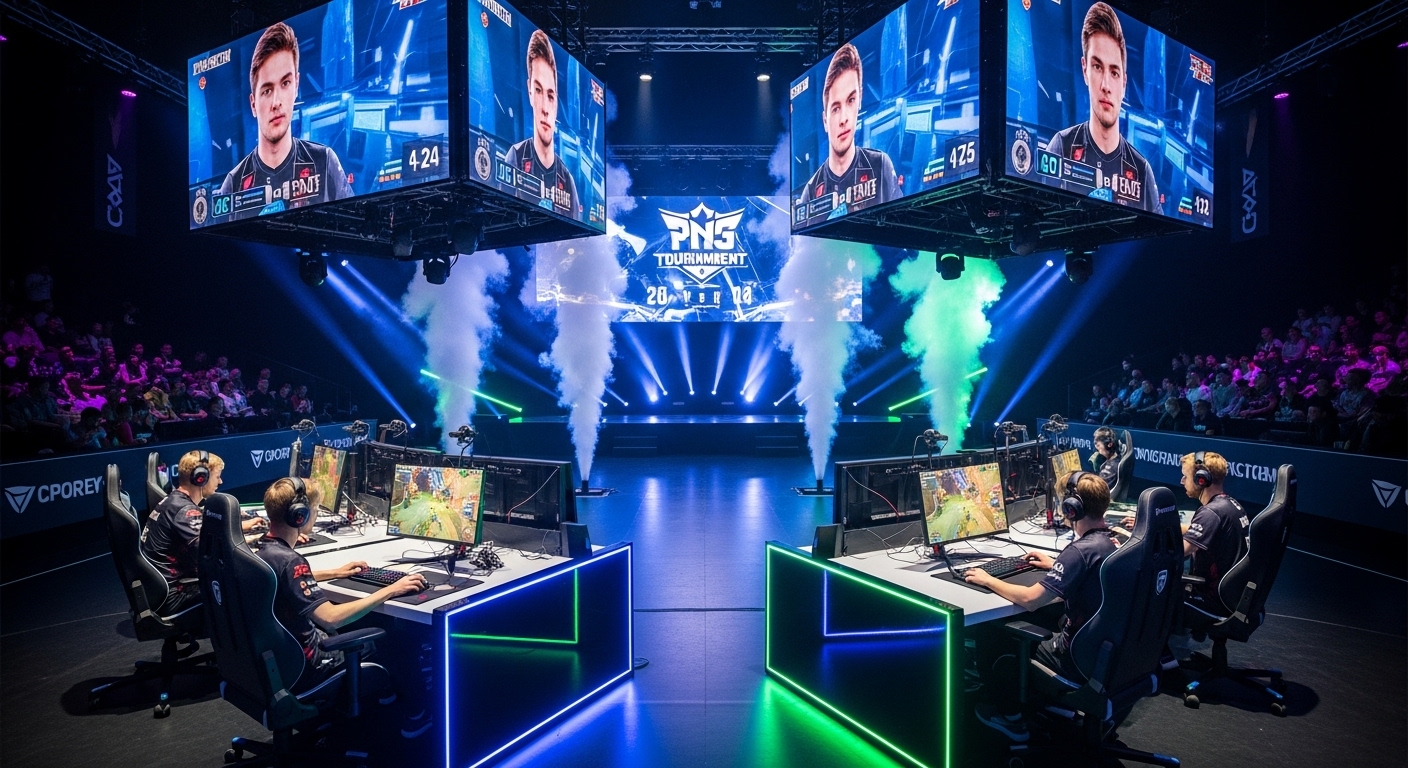
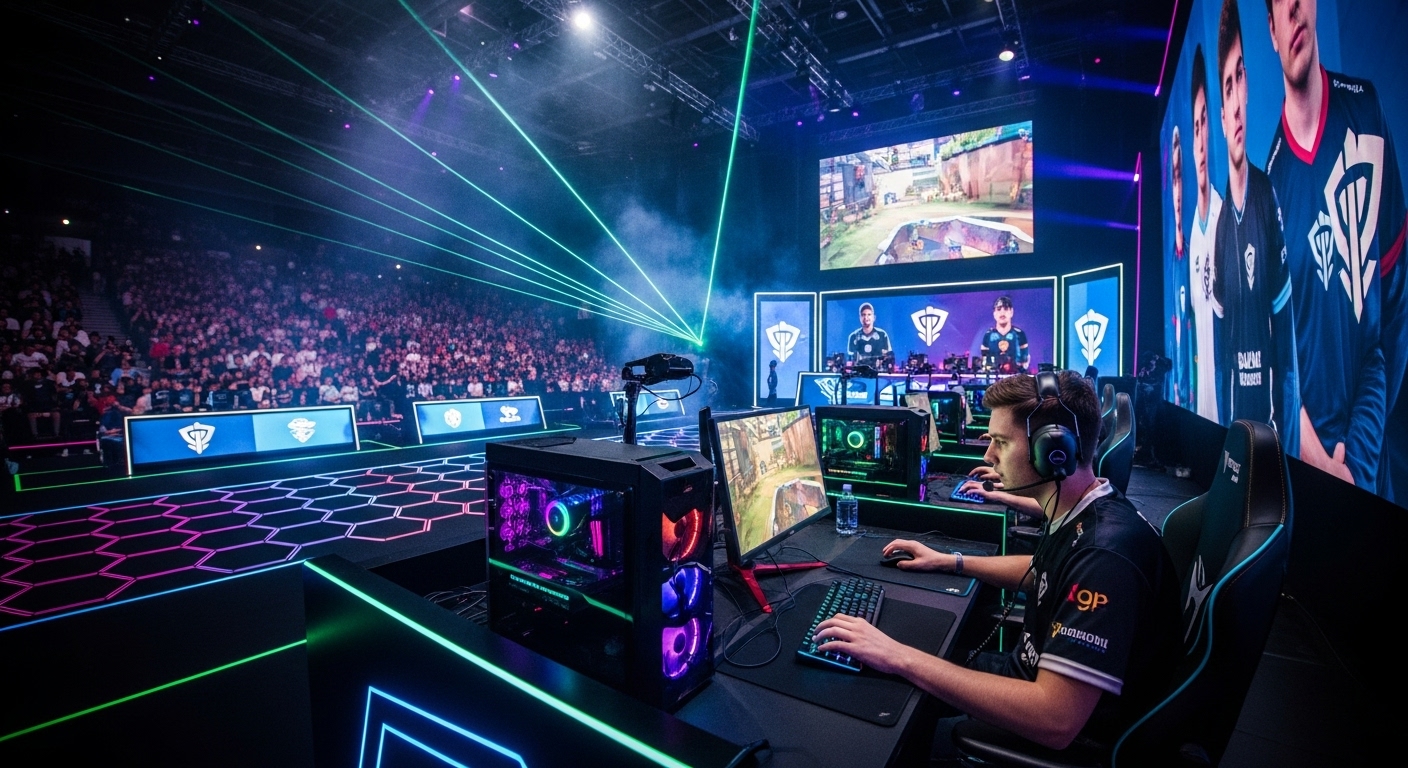
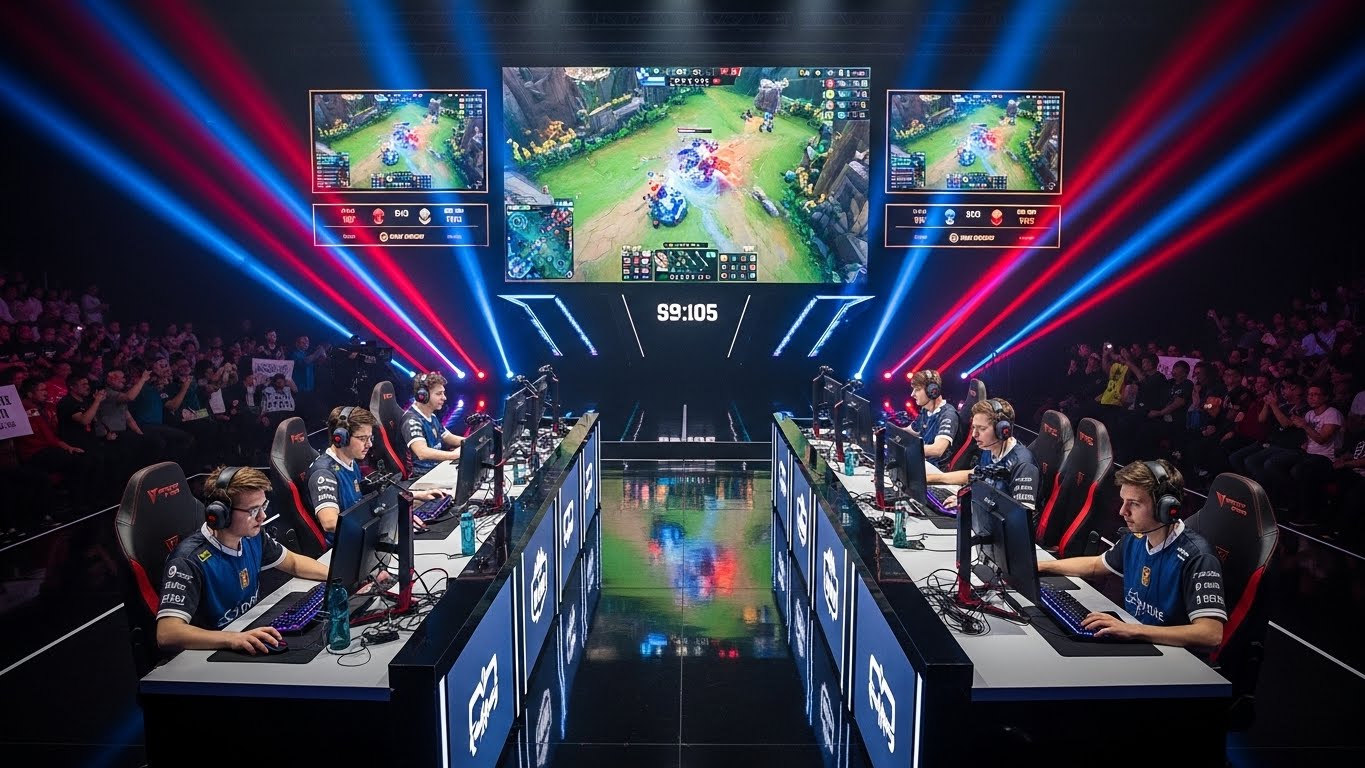
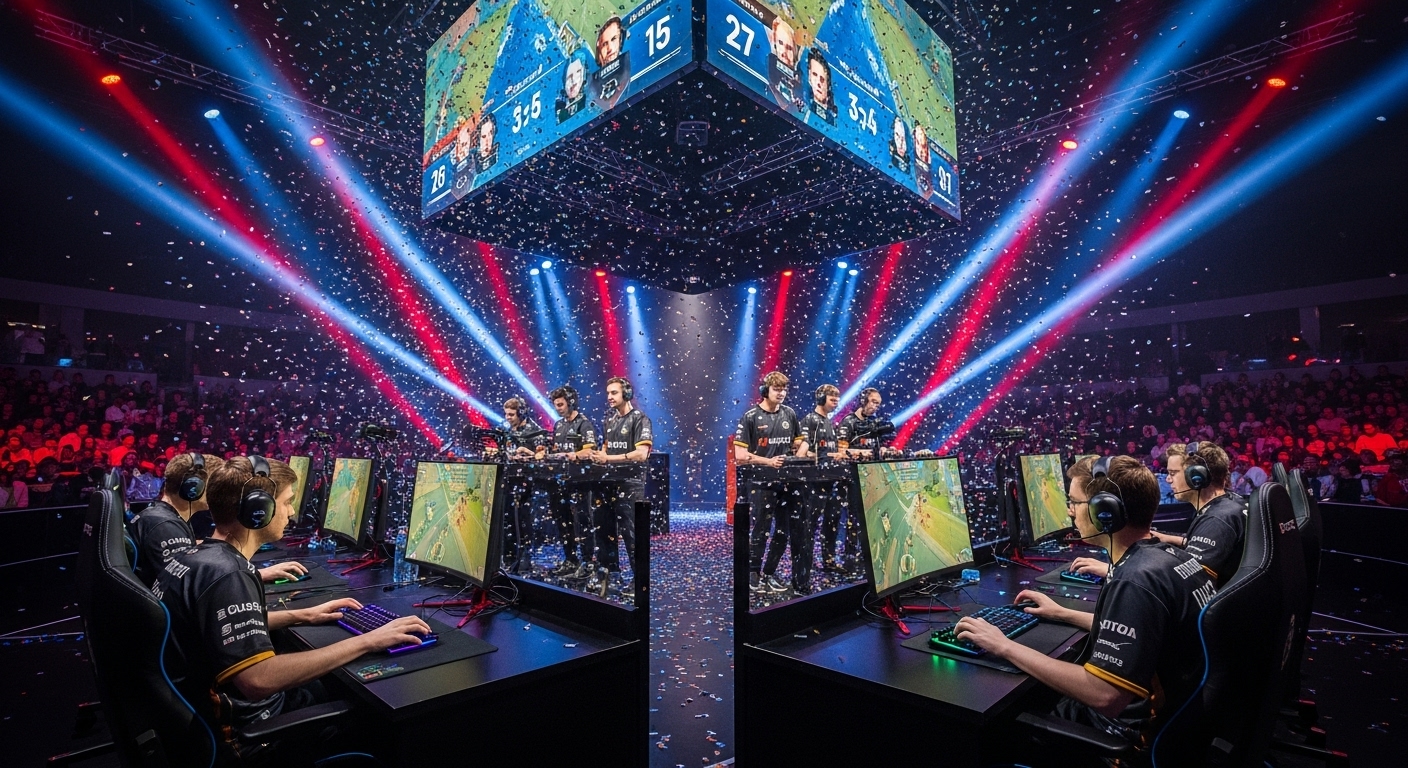
In the past few decades, the world has witnessed a revolutionary transformation in the entertainment and sports industries. Among the most striking developments is the rise of Esports, short for electronic sports. Once dismissed as a mere pastime or hobby, gaming has evolved into a global phenomenon where professional players, massive tournaments, and multi-million-dollar sponsorships have reshaped how people view competition, entertainment, and technology. Esports is no longer just about playing games—it’s about creating a new form of digital culture that unites people worldwide.
The Origins of Esports
The story of Esports begins in the 1970s when the first competitive gaming events started to appear. The earliest recorded competition took place at Stanford University in 1972, where students competed in the game Spacewar! for a year’s subscription to Rolling Stone magazine. Though small in scale, this event marked the birth of organized video game competition.
During the 1980s, arcade culture exploded, with games like Pac-Man, Donkey Kong, and Space Invaders dominating entertainment centers. In 1980, Atari organized the Space Invaders Championship, attracting over 10,000 participants across the United States. This event is often credited as the first large-scale video game tournament and a crucial milestone in Esports history.
As personal computers and home gaming consoles became widespread in the 1990s, gaming competitions began moving from arcades into homes and local area network (LAN) centers. Popular titles like Quake, Counter-Strike, and StarCraft became the foundations of early Esports culture, with tournaments being organized across countries like South Korea, the United States, and Sweden.
The Growth of Competitive Gaming in the 2000s
The early 2000s marked a turning point for Esports. The rise of broadband internet, advanced graphics, and online multiplayer modes allowed players to compete globally in real-time. South Korea emerged as the epicenter of professional gaming, supported by government initiatives and dedicated television networks that broadcasted matches.
Games like StarCraft: Brood War became national obsessions in South Korea, with professional players achieving celebrity status. Meanwhile, the establishment of organizations like the Cyberathlete Professional League (CPL) and Major League Gaming (MLG) in the West helped standardize competitive structures and prize pools.
This era also saw the birth of Esports teams, sponsorships, and dedicated fan communities. Players began earning salaries, and tournaments offered six-figure prize pools—an unimaginable leap from the humble origins of arcade competitions.
The Streaming Revolution and Global Expansion
The 2010s ushered in a new age of Esports, powered by streaming platforms and social media. The rise of Twitch, YouTube Gaming, and Facebook Live transformed how audiences consumed gaming content. No longer limited to in-person spectators, fans could now watch their favorite players and teams live from anywhere in the world.
Streaming democratized Esports viewership. Anyone with an internet connection could engage, comment, and even aspire to become a professional gamer. Influencers and streamers blurred the line between entertainment and competition, leading to a vibrant new industry of content creators.
During this period, iconic tournaments like The International for Dota 2, the League of Legends World Championship, and the Fortnite World Cup drew millions of viewers and offered prize pools exceeding tens of millions of dollars. The 2019 Fortnite World Cup, for example, awarded $3 million to its solo champion—making headlines worldwide.
The Rise of Esports Organizations and Franchises
As Esports matured, teams and organizations began adopting business models similar to traditional sports franchises. Major names like Team Liquid, Fnatic, Cloud9, and T1 became household names among fans. These organizations not only compete in multiple games but also manage player contracts, sponsorships, and merchandise.
Franchise-based leagues emerged, mirroring the structure of the NBA or NFL. Games like Overwatch and Call of Duty introduced city-based teams and structured seasons, with significant buy-in fees for ownership. This professionalization attracted traditional sports investors, celebrities, and even entertainment companies eager to join the booming Esports economy.
For instance, well-known athletes like Michael Jordan, David Beckham, and Shaquille O’Neal have all invested in Esports organizations, recognizing the growing commercial and cultural potential of competitive gaming.
The Cultural Impact of Esports
Esports has transcended gaming to become a cultural force. It has influenced fashion, music, education, and even social interaction. Brands collaborate with Esports teams to release exclusive apparel, musicians perform live at tournaments, and schools and universities now offer Esports scholarships.
In many ways, Esports has redefined what it means to be an athlete or entertainer in the digital age. Players train for hours daily, developing reflexes, strategy, and teamwork comparable to traditional athletes. The global Esports audience, estimated in the hundreds of millions, rivals that of major sports leagues.
Moreover, Esports has become a form of social connection for younger generations. Online gaming communities foster friendships and collaborations that span continents. In an increasingly digital world, Esports provides a sense of belonging and shared passion.
Key Esports Titles that Shaped the Industry
Certain games have played pivotal roles in defining the Esports landscape. Let’s look at a few that transformed competitive gaming:
1. League of Legends
Developed by Riot Games, League of Legends is arguably the most influential Esports title of all time. Since its release in 2009, it has built a vast competitive ecosystem with regional leagues worldwide culminating in the annual World Championship. Riot’s focus on balanced gameplay, regular updates, and fan engagement has kept the game relevant for over a decade.
2. Dota 2
Valve’s Dota 2 stands out for its complex gameplay and record-breaking prize pools. The International has become a legendary annual tournament, often crowdfunded by the player community, setting new standards for Esports funding and fan participation.
3. Counter-Strike: Global Offensive
Few games have had as much longevity as CS:GO. Its simple yet deep gameplay has maintained a dedicated competitive scene for over two decades, dating back to the original Counter-Strike. The game’s tournaments remain some of the most-watched in Esports history.
4. Fortnite
Epic Games’ Fortnite revolutionized battle royale Esports with its unique building mechanics and pop-culture crossovers. The 2019 Fortnite World Cup turned teenage players into millionaires overnight and showcased Esports’ mainstream appeal.
5. Valorant
Another hit from Riot Games, Valorant combines tactical shooting with hero-based abilities. Since its release in 2020, it has quickly established a thriving competitive ecosystem, attracting players from CS:GO, Overwatch, and beyond.
The Role of Technology in Esports
Technological innovation lies at the heart of Esports’ success. High-speed internet, powerful graphics processing units (GPUs), and advanced peripherals have elevated the gaming experience. Cloud gaming platforms and virtual reality are pushing boundaries even further, promising immersive future competitions.
Moreover, artificial intelligence and analytics are now being used to enhance player performance and viewer engagement. Teams employ data scientists to study gameplay patterns, optimize strategies, and predict outcomes. Broadcasters use augmented reality overlays to enrich the viewing experience, offering insights that rival professional sports commentary.
The future may even see Esports integrated into emerging technologies such as the metaverse, allowing fans to experience tournaments in fully immersive virtual arenas.
Esports and Education
Interestingly, Esports has found a home in the academic world. Schools and universities have started to recognize the educational value of competitive gaming. Beyond entertainment, Esports promotes teamwork, strategic thinking, and problem-solving.
Universities in the United States, the United Kingdom, and Asia now offer Esports degrees and scholarships. Programs cover game design, event management, marketing, and psychology. Students not only play but also learn the business and technology that drive the industry, preparing them for careers beyond the screen.
The Business of Esports
The Esports industry is valued at billions of dollars, with multiple revenue streams including sponsorships, advertising, media rights, merchandise, and ticket sales. Global brands like Intel, Red Bull, and Nike have become major sponsors, aligning themselves with the young, tech-savvy audience that Esports attracts.
Prize money, though impressive, represents only a small portion of the industry’s total value. The true power of Esports lies in its ecosystem—teams, streaming platforms, production companies, and fan communities working together to create a sustainable economy.
Streaming monetization, digital content creation, and virtual goods (like skins and emotes) further expand revenue potential. Esports’ digital-first nature allows for innovative marketing strategies that traditional sports can only dream of.
Challenges Facing Esports
Despite its rapid growth, Esports faces several challenges that could impact its sustainability:
1. Player Health and Burnout
Professional gamers often train 8–12 hours a day, leading to physical and mental strain. Repetitive strain injuries, eye fatigue, and burnout are common. The industry is still developing standards for player health and longevity.
2. Regulation and Governance
Unlike traditional sports, Esports lacks a unified global governing body. Rules, player contracts, and tournament structures vary between games and regions, leading to inconsistencies and occasional disputes.
3. Cheating and Match-Fixing
The digital nature of Esports makes it vulnerable to cheating, hacking, and match manipulation. While anti-cheat software and stricter oversight have improved integrity, maintaining fair play remains an ongoing battle.
4. Gender Inequality and Inclusion
Women and marginalized communities still face challenges in Esports, from representation to online harassment. Efforts are being made to create more inclusive environments, but the journey toward equality is ongoing.
5. Sustainability and Longevity
As with any fast-growing industry, sustainability is a concern. Game popularity can fluctuate rapidly, and Esports organizations must adapt to evolving player interests and technologies.
Esports as a Career
Esports is no longer a niche pursuit—it’s a legitimate career path. Beyond professional players, the industry offers opportunities for coaches, analysts, event organizers, marketers, broadcasters, and developers.
Players can transition into streaming, content creation, or coaching after retirement, similar to how traditional athletes move into commentary or management. The skills learned in Esports—communication, strategy, leadership—translate well into other industries.
However, just like any competitive field, success requires discipline, resilience, and adaptability. Aspiring professionals must treat gaming not merely as fun but as a craft requiring dedication and continuous improvement.
The Future of Esports
The future of Esports looks promising and expansive. As technology continues to evolve, new genres, platforms, and experiences will redefine competition. Cloud-based gaming, artificial intelligence, and virtual reality could transform how games are played and watched.
Moreover, the global appeal of Esports ensures it will continue to grow across continents. Emerging markets in Africa, South America, and the Middle East are developing their own competitive scenes, supported by growing internet infrastructure.
Esports may eventually become part of the Olympic Games, a topic that has already sparked international debate. While some question whether video games should be considered sports, the undeniable skill, teamwork, and global participation make Esports a compelling candidate.
In the coming decades, Esports could bridge generations—bringing together gamers, fans, and creators in ways that traditional sports cannot. As digital worlds become more immersive, Esports will likely stand at the forefront of entertainment evolution.
Conclusion
Esports represents more than just competitive gaming—it embodies the intersection of technology, creativity, and human ambition. From humble arcade beginnings to billion-dollar global tournaments, it has transformed the way we view play, competition, and community.
The industry continues to break boundaries, uniting players and fans under one digital arena where skill, strategy, and passion rule. While challenges remain, Esports’ momentum is unstoppable. It’s not just the future of gaming—it’s the future of entertainment itself.