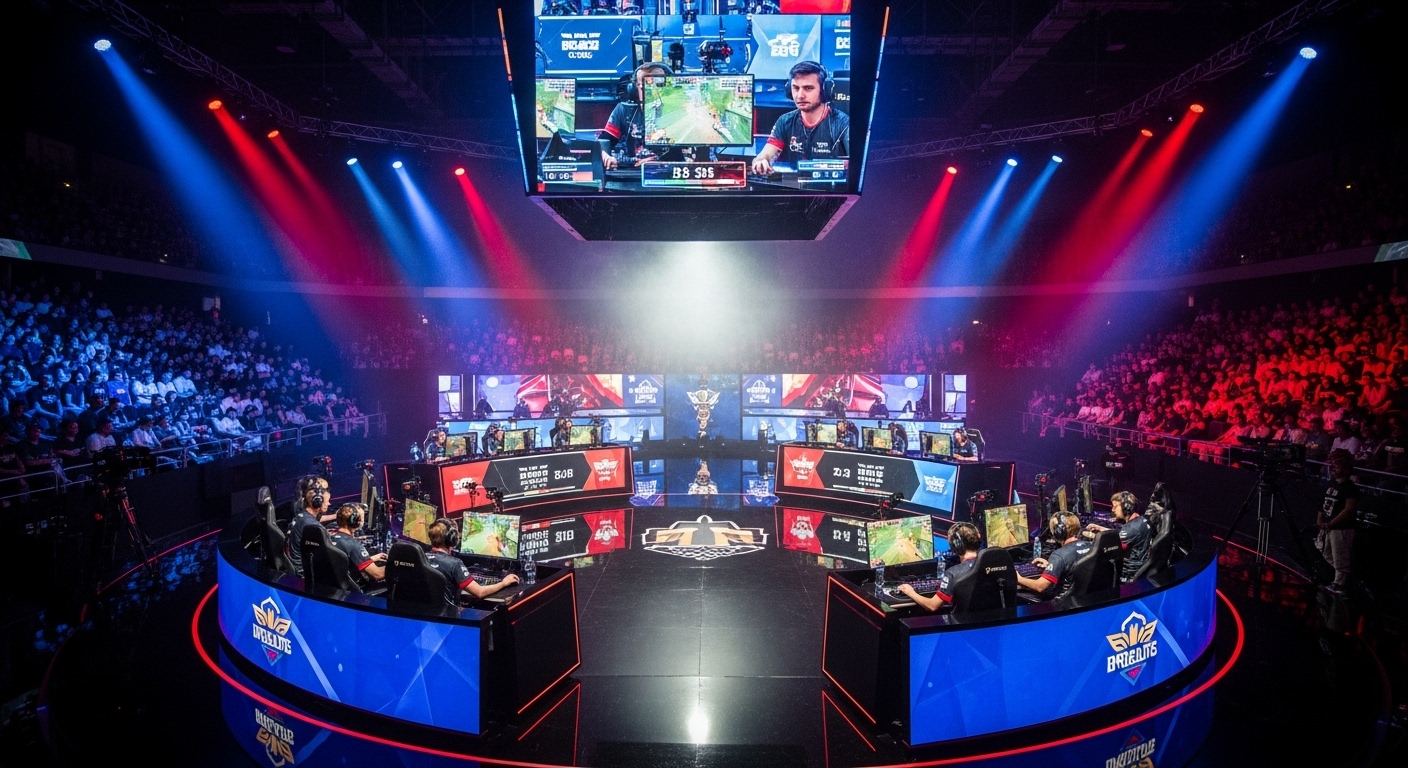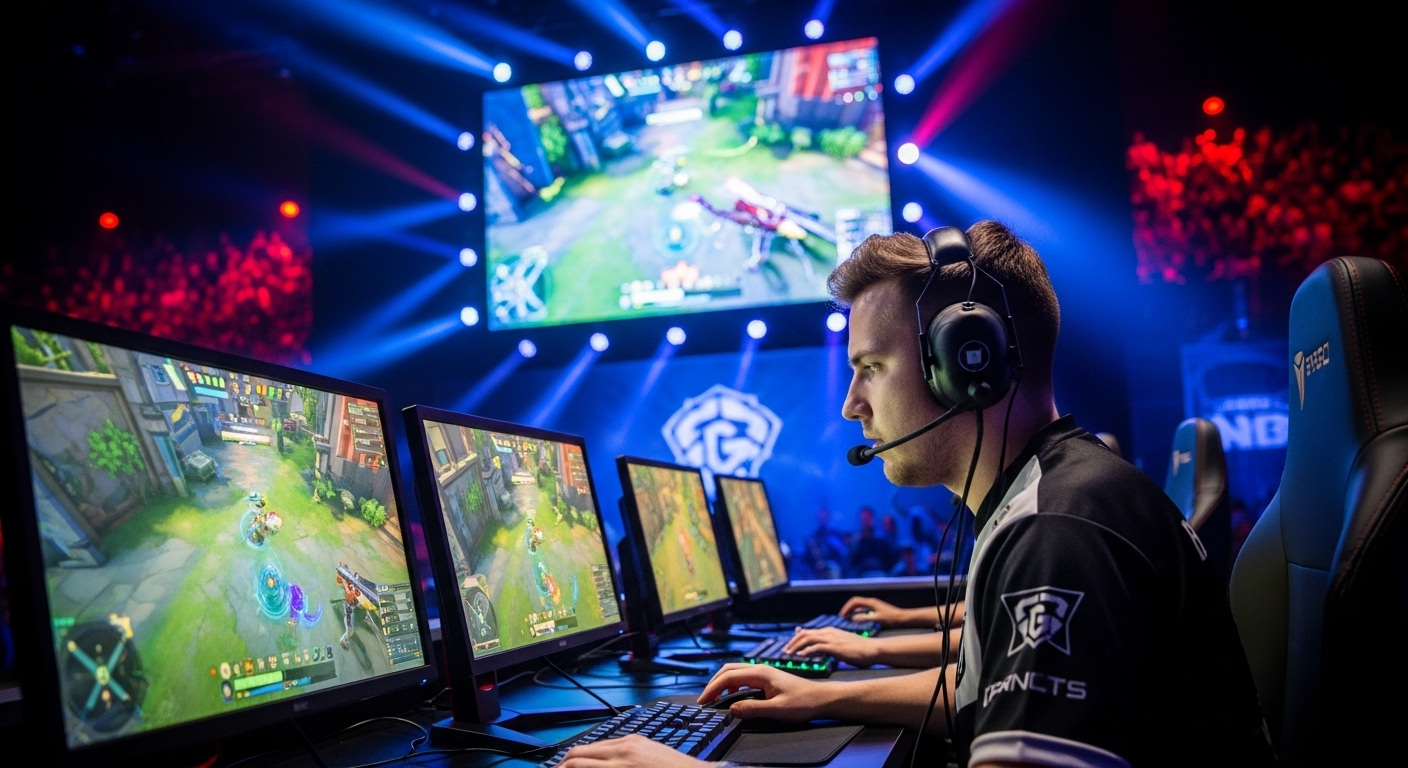
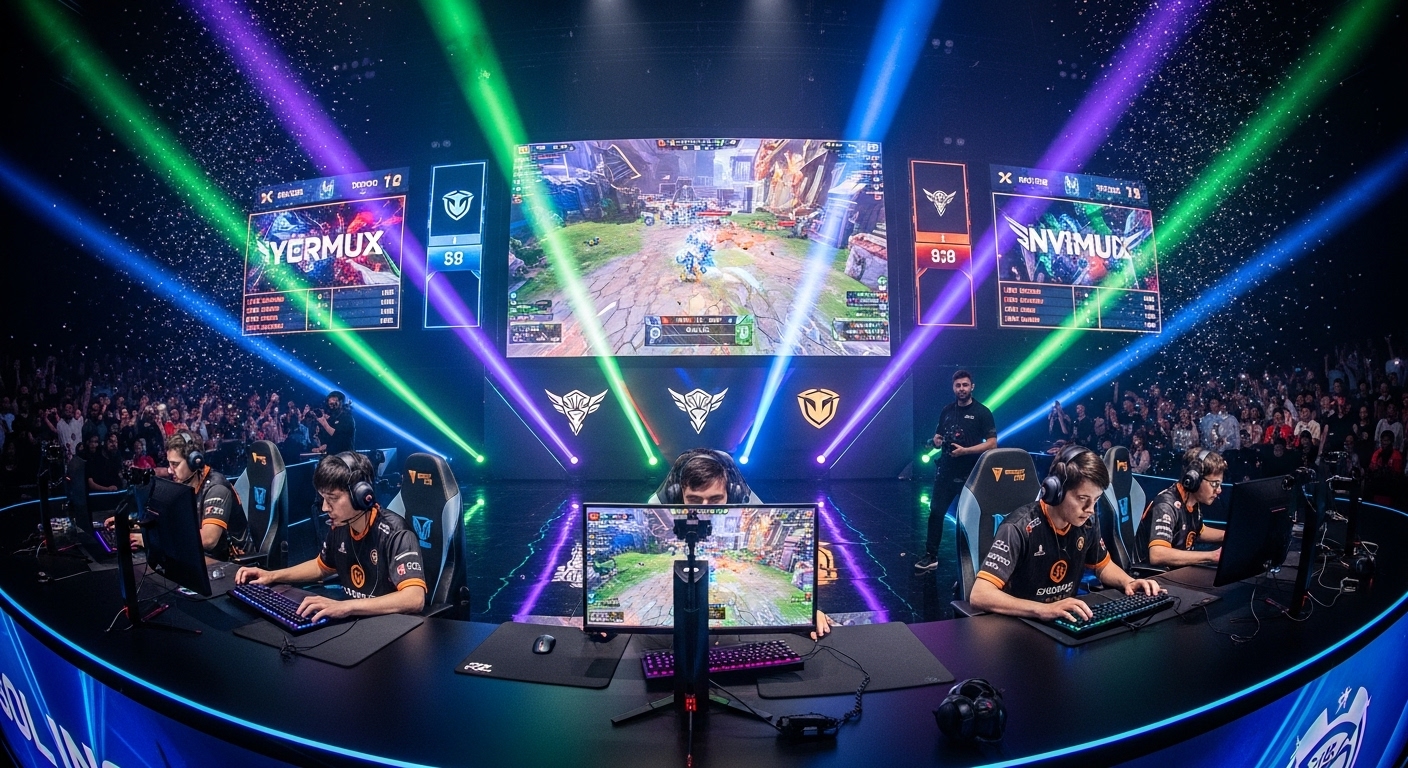
Esports, short for electronic sports, has transformed from a niche hobby into a global phenomenon, captivating millions of fans and creating a multi-billion-dollar industry. What was once a casual pastime of competitive gamers has evolved into organized tournaments, professional teams, and an ecosystem comparable to traditional sports in its reach and impact. This blog explores the history, development, cultural significance, and future prospects of esports.
The Origins of Competitive Gaming
The origins of competitive gaming trace back to the early days of video games in the 1970s and 1980s. In 1972, the arcade game Pong became a cultural sensation, but it was the creation of early competitions that set the stage for esports. One of the first recorded video game competitions was the 1980 “Space Invaders Championship,” organized by Atari in the United States. This tournament attracted over 10,000 participants and demonstrated the growing appeal of competitive gaming.
During the 1980s and 1990s, gaming communities began forming around arcade machines, personal computers, and early console systems. Games like Pac-Man, Street Fighter, and Super Mario became not only entertainment staples but also competitive arenas. The rise of networked gaming in the 1990s, particularly with games such as Doom and Quake, marked a pivotal shift. Players could now challenge one another remotely, laying the groundwork for modern esports.
Esports in the Modern Era
The 2000s marked the professionalization of esports, particularly with the introduction of organized leagues and tournaments. South Korea played a crucial role during this period, largely through the popularity of StarCraft: Brood War. Televised matches and corporate sponsorship helped turn gaming into a viable career path for skilled players. Esports arenas in Seoul attracted thousands of spectators, establishing esports as both a form of entertainment and a serious competitive sport.
Simultaneously, international tournaments began gaining traction. Games like Counter-Strike, Warcraft III, and World of Warcraft brought together players from around the world, fostering a global community. The advent of live streaming platforms such as Twitch and YouTube Gaming in the 2010s further accelerated esports’ reach. Fans no longer needed to attend events physically; they could watch their favorite teams and players online, interact with communities in real time, and participate in a shared digital culture.
Popular Esports Titles
Several games have dominated the esports scene, each cultivating its unique competitive ecosystem. Multiplayer online battle arena (MOBA) games like League of Legends and Dota 2 have become synonymous with large-scale esports tournaments, offering millions of dollars in prize pools. First-person shooters such as Counter-Strike: Global Offensive, Overwatch, and Call of Duty emphasize precision, teamwork, and strategy, attracting both casual viewers and hardcore enthusiasts.
Battle royale games like Fortnite and PUBG brought a new type of competitive excitement, with large-scale tournaments showcasing hundreds of players simultaneously. Fighting games, including Street Fighter and Tekken, continue to thrive in niche communities, with events often emphasizing individual skill and reflexes. Each game genre contributes to the diversity and depth of the esports industry, appealing to different audiences and styles of competition.
Esports as a Career
One of the most significant aspects of modern esports is the potential for players to pursue professional careers. Top-tier players earn substantial incomes through salaries, tournament winnings, sponsorship deals, and streaming revenue. Organizations invest heavily in player development, training facilities, coaches, analysts, and support staff, mirroring traditional sports teams. Players often dedicate 8 to 12 hours a day to practice, honing their mechanics, strategy, communication, and mental resilience.
Beyond players, esports also supports a wide range of careers, including commentators, event organizers, team managers, content creators, and analysts. The ecosystem extends to game developers, marketing professionals, and technical staff, making esports an industry with numerous pathways for talent and innovation.
The Role of Streaming and Content Creation
Streaming has fundamentally transformed how audiences engage with esports. Platforms like Twitch, YouTube Gaming, and more recently, Facebook Gaming have enabled players to build personal brands, interact with fans in real time, and monetize their gameplay. Streaming has also created a feedback loop where casual viewers can transition into esports enthusiasts, driving interest in tournaments and competitive scenes.
Content creation, including highlights, tutorials, and commentary videos, has further expanded esports’ cultural reach. Popular streamers and content creators often influence meta-strategies, game balance discussions, and fan engagement, making them integral to the esports ecosystem. This blend of entertainment and competition is unique to esports, setting it apart from traditional sports.
The Economics of Esports
Esports is a booming industry with revenues surpassing billions of dollars annually. Revenue streams include tournament prize pools, sponsorship deals, media rights, merchandise sales, and streaming subscriptions. Major corporations, such as technology companies, sports brands, and beverage companies, invest heavily in esports sponsorships, recognizing the market’s potential and its appeal to younger demographics.
Large-scale tournaments often rival traditional sporting events in terms of production quality, audience reach, and financial stakes. For instance, the Dota 2 International Championship consistently features prize pools exceeding thirty million dollars, highlighting the scale and commercial viability of esports. This financial growth has contributed to the professionalization of teams and organizations, making esports a legitimate career and entertainment avenue.
Esports and Global Culture
Esports has become a cultural phenomenon, influencing fashion, music, language, and community building. Gaming conventions, fan festivals, and cosplay events showcase the intersection of esports and popular culture. Online communities foster social connections, encouraging collaboration, teamwork, and mutual support among players worldwide.
Esports also plays a significant role in education and youth development. Universities and colleges now offer esports scholarships, degrees in game design and esports management, and organized collegiate competitions. Schools recognize the value of esports in promoting strategic thinking, teamwork, and technological literacy, reflecting its growing legitimacy as a cultural and educational force.
Challenges Facing the Esports Industry
Despite its rapid growth, esports faces several challenges. Player burnout, intense competition, and the mental health of professional gamers are critical concerns. Unlike traditional athletes, esports players often face shorter career spans due to the demanding nature of practice schedules, reaction time dependence, and constant adaptation to evolving games.
Regulation and governance are also ongoing issues. The lack of standardized rules, ethical guidelines, and player protections can lead to disputes, exploitation, and inconsistent tournament management. Additionally, the industry faces challenges related to cheating, doping, and maintaining fair competition, requiring robust oversight and technological innovation.
The Future of Esports
The future of esports is bright, with continued growth in audience engagement, technological innovation, and mainstream recognition. Emerging technologies, such as virtual reality and augmented reality, may transform competitive gaming, creating immersive spectator experiences. Mobile esports is expanding rapidly, particularly in regions like Southeast Asia, China, and Latin America, offering accessible and competitive gameplay to a broader demographic.
Integration with traditional sports is another promising trend. Collaborations between esports teams and established sports franchises, along with esports representation in global events and multi-sport competitions, signal its potential to be recognized alongside conventional sports on the world stage.
Esports also has the potential to redefine social interaction and entertainment. With cloud gaming, live streaming, and AI-driven content recommendations, fans can enjoy personalized, interactive experiences that blend gaming, competition, and social engagement in unprecedented ways.
Conclusion
Esports has evolved from humble beginnings into a dynamic, global industry that captivates millions of players and fans. Its growth reflects technological advancement, cultural shifts, and the increasing legitimacy of gaming as a competitive and professional pursuit. As esports continues to expand, it not only redefines the concept of sport but also offers new opportunities for careers, entertainment, and community building.
From grassroots competitions to stadium-filling tournaments, esports represents the convergence of technology, skill, and culture. Its future promises even greater innovation, inclusivity, and global impact, making it one of the most exciting phenomena of the 21st century. For anyone with a passion for gaming, strategy, or competition, esports is no longer just a pastime—it is a thriving ecosystem that continues to shape modern entertainment and culture.