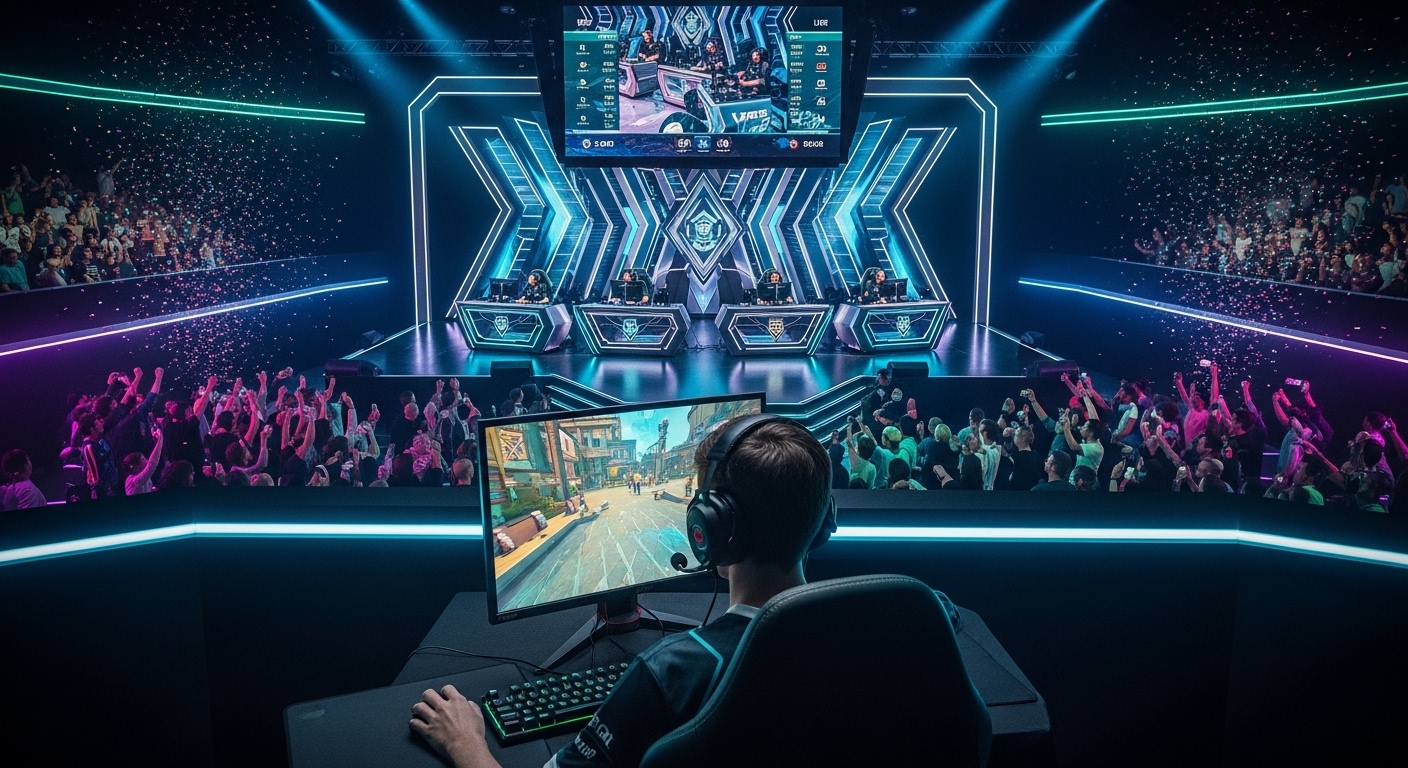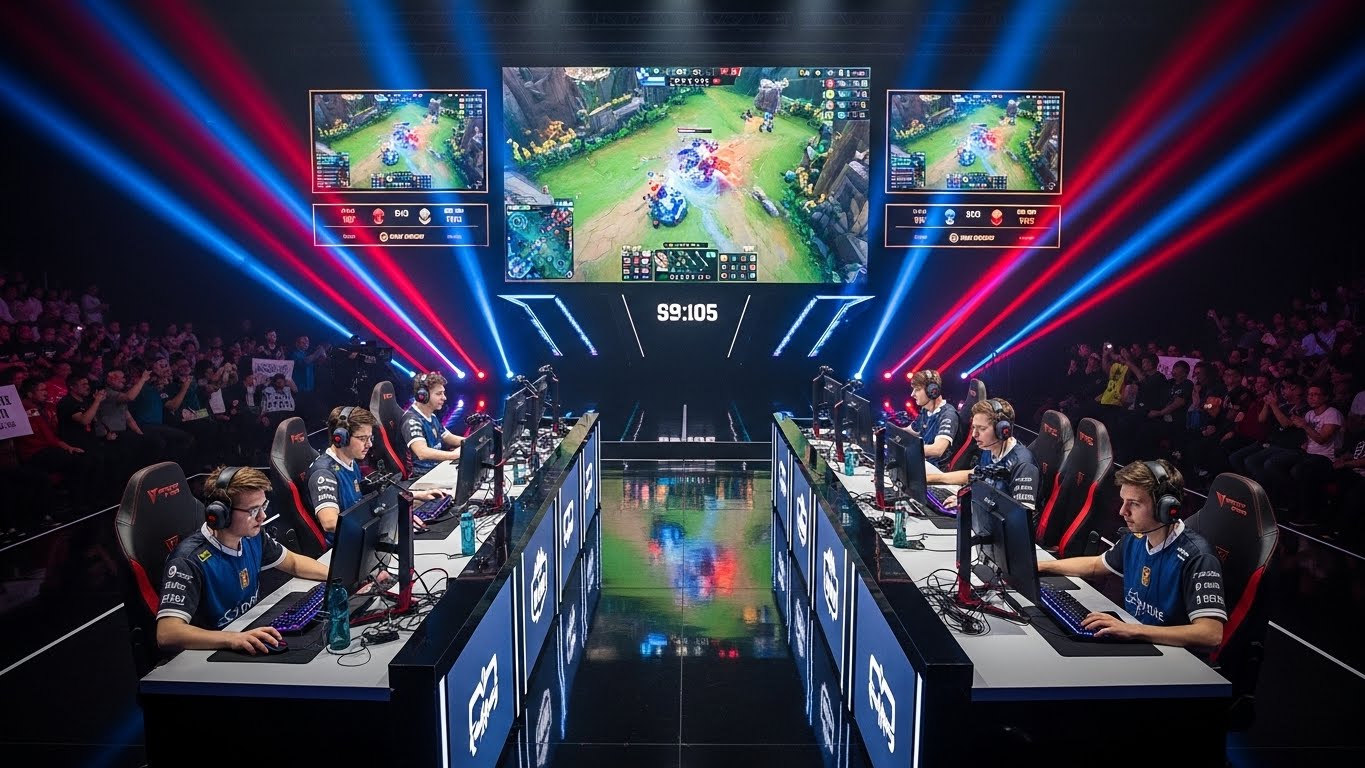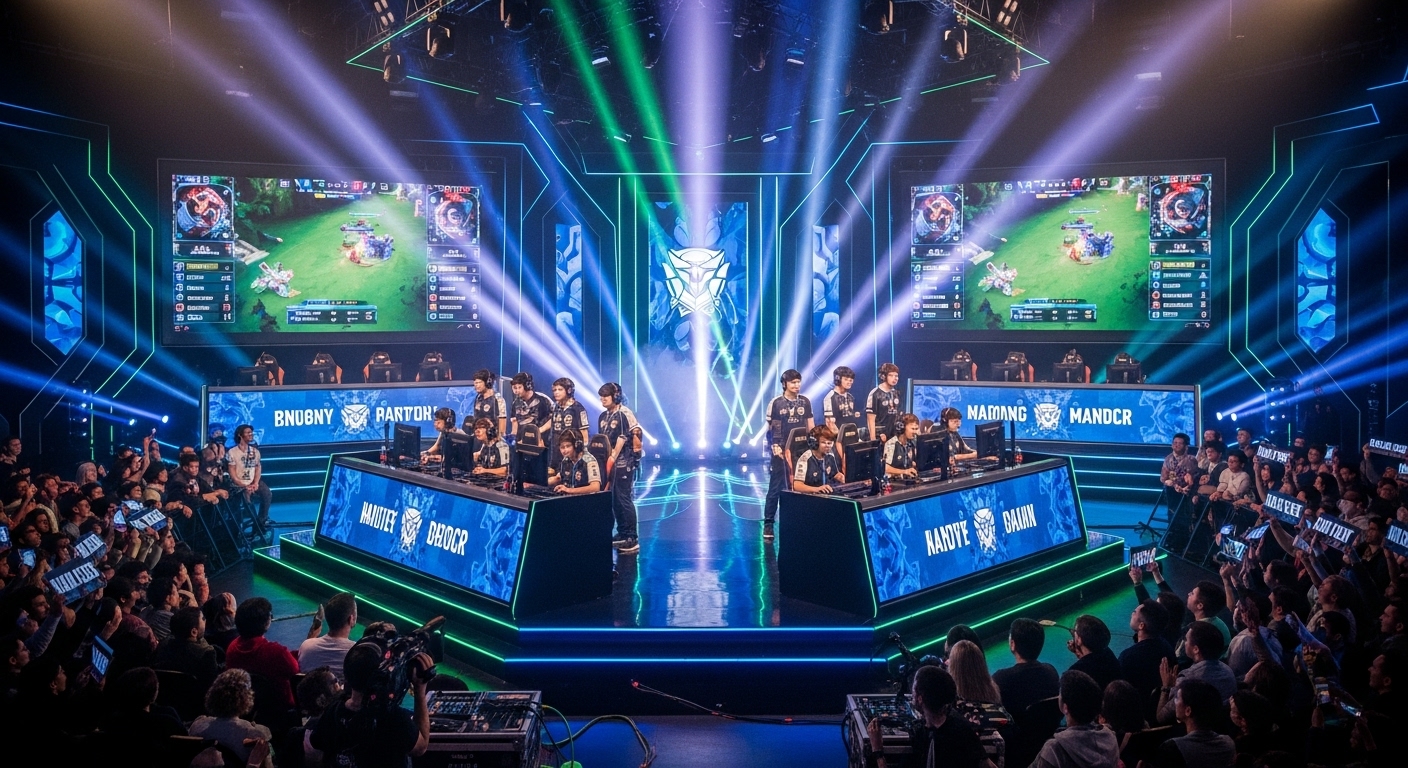
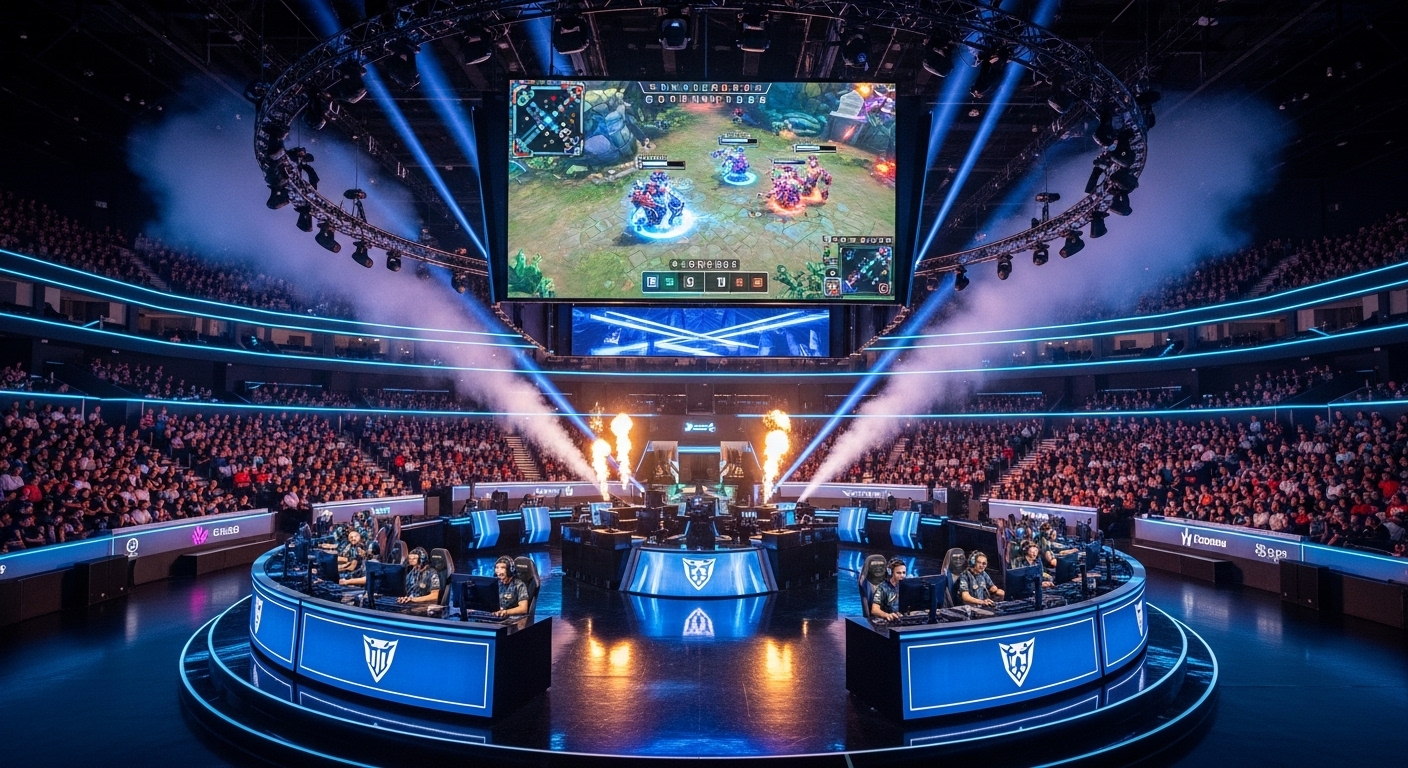
Esports has rapidly transformed from a niche pastime to one of the most significant and lucrative industries in the world. What began in small communities with local tournaments and humble beginnings has evolved into a massive, multi-billion-dollar global enterprise that attracts millions of viewers, players, and investors alike. This blog post explores the rise of esports, its impact on traditional sports, and the future of competitive gaming as it continues to redefine entertainment in the 21st century.
The Origins of Esports: Humble Beginnings in the 1990s
Esports, short for “electronic sports,” has its roots in the early days of online gaming, particularly in the 1990s when the internet began to reach a larger audience. The first major competitive gaming events were modest affairs, often held in small venues or as part of gaming conventions. Early titles like Doom, Warcraft, and StarCraft became the focal points of these early competitions, where players from around the world could compete against each other in real-time via local area networks (LAN) or early internet connections.
The concept of gaming as a competitive activity began to solidify in the late ’90s with the emergence of organized tournaments. In 1997, the Red Annihilation tournament, a competition centered around the game Quake, drew attention for offering a grand prize of a Ferrari to the winner. This event is often cited as one of the first major moments in the history of esports, laying the groundwork for what would become a global phenomenon.
However, it wasn’t until the early 2000s that the concept of professional gaming truly began to take shape. The rise of broadband internet, along with the increasing popularity of multiplayer online games, made it easier for players to compete at higher levels. Games like Counter-Strike, Warcraft III, and StarCraft began to dominate the esports scene, with events like the World Cyber Games (WCG) and Electronic Sports World Cup (ESWC) attracting large audiences and offering significant prize money.
The Growth of Esports in the 2000s: Professionalization and Sponsorship
The 2000s marked a turning point for esports, as it transitioned from grassroots competitions to more organized, professional events. As internet speeds improved and gaming technology advanced, the scale of esports tournaments grew exponentially. In 2002, the founding of major esports organizations, such as ESL (Electronic Sports League), played a critical role in structuring and professionalizing the scene.
A key moment in this era was the launch of League of Legends in 2009 by Riot Games. The game’s innovative design, free-to-play model, and strong focus on competitive play helped it become the backbone of esports for years to come. The first League of Legends World Championship in 2011 set the stage for the game’s global dominance, attracting millions of viewers and setting a new standard for esports competitions.
During this period, sponsors, advertisers, and media companies began to take notice of the potential of esports. Brands from outside the gaming industry, such as Coca-Cola, Intel, and Red Bull, began investing heavily in sponsorships, creating a financial infrastructure that supported the growing industry. Esports was no longer seen as a hobby but as a viable business, and it began to attract professional players, coaches, analysts, and broadcasters—much like traditional sports.
Additionally, the rise of streaming platforms such as Twitch and YouTube Gaming revolutionized the way audiences consumed esports content. For the first time, fans could watch live competitions from anywhere in the world, interacting with players and other fans through chat rooms, live comments, and real-time reactions. This newfound accessibility helped create a global esports community, connecting players and fans across borders.
The Rise of Esports Leagues and Tournaments
One of the most significant milestones in the development of esports was the creation of professional leagues and tournaments. Just as football, basketball, and other traditional sports have their leagues, esports began to adopt a similar structure, with organizations like Major League Gaming (MLG), Overwatch League (OWL), and Call of Duty League (CDL) giving players a platform to compete at the highest levels.
In 2013, the Call of Duty franchise began to host competitive events that eventually became part of the Call of Duty World League, offering players not just a platform to compete, but also salary, sponsorship, and long-term career prospects. Similarly, the Overwatch League, launched in 2018 by Blizzard Entertainment, took the model of traditional sports leagues and applied it to esports, with city-based teams, regular seasons, and playoffs.
However, it is the League of Legends Championship Series (LCS) that arguably set the gold standard for esports leagues. Riot Games introduced a regular-season structure in which professional teams compete in a series of matches over several months, leading up to the annual League of Legends World Championship, one of the largest esports events in the world. The LCS, along with other leagues like Dota 2’s International, has helped establish esports as a professional sport, with well-defined career paths for players, coaches, and analysts.
Esports as Mainstream Entertainment: The Shift to Global Appeal
By the mid-2010s, esports had become a fully established entertainment sector, drawing millions of viewers and creating a market valued at billions of dollars. The League of Legends World Championship, held annually, often attracts more viewers than traditional sports events like the Super Bowl, with 2018’s event garnering over 200 million viewers globally.
In addition to the mainstream success of individual games and tournaments, esports also began to gain recognition in the broader cultural landscape. Major media outlets, including ESPN, BBC, and CNN, began covering esports events regularly, while celebrities and athletes from traditional sports started showing interest in gaming. Some, like Michael Jordan and Shaquille O’Neal, invested in esports teams, recognizing the growth potential and audience engagement that esports offered.
The increasing popularity of esports also led to the creation of more esports-focused arenas and venues. In 2018, the Esports Arena in Las Vegas became one of the first dedicated esports stadiums, offering a space for both fans and competitors to gather for events and tournaments. Cities like Los Angeles, Seoul, and Shanghai also became hubs for esports, with dedicated facilities for training and competitions, further elevating esports to the level of traditional sports in terms of infrastructure.
The Global Impact of Esports: Economic Growth and Career Opportunities
Esports is no longer just a hobby or a form of entertainment; it has become a full-fledged industry, contributing billions to the global economy. According to Newzoo’s Global Esports Market Report, the esports industry was projected to generate over $1 billion in revenue in 2020, with sponsorships, media rights, and merchandise sales making up the bulk of the earnings. The industry’s rapid growth has also led to an expansion in job opportunities, with professional players, coaches, team managers, analysts, broadcasters, and content creators all contributing to the esports ecosystem.
For players, esports has become a legitimate career path. Top-tier players can earn millions of dollars in salary, sponsorship deals, and tournament winnings, and many of them have achieved celebrity status, with massive followings on platforms like Twitch and YouTube. The professionalization of esports has also paved the way for collegiate esports programs, offering scholarships and career paths for students who wish to pursue gaming at a high level.
Beyond the players, esports has also led to the rise of streaming personalities, who generate revenue from live broadcasts, sponsorships, and merchandise. Influencers on platforms like Twitch and YouTube have become celebrities in their own right, with millions of fans following their every move and supporting their content through subscriptions, donations, and sponsorship deals.
The Future of Esports: New Horizons and Innovations
The future of esports looks incredibly promising, with new technological innovations and a growing global fanbase continuing to drive the industry forward. One of the most exciting prospects for esports is the increasing integration of virtual reality (VR) and augmented reality (AR) into competitive gaming. These technologies could open up entirely new possibilities for immersive gaming experiences, where players and viewers can interact with the game world in ways that were once unimaginable.
Additionally, the continued rise of mobile gaming is expanding the reach of esports to new audiences. Games like PUBG Mobile, Clash Royale, and Mobile Legends have already proven that mobile esports can be just as competitive and engaging as traditional PC and console games. As smartphone technology improves and mobile internet speeds increase, the potential for mobile esports to rival traditional gaming platforms is becoming more and more likely.
Esports is also becoming more inclusive, with a growing focus on diversity and representation. Female gamers, who have historically been underrepresented in competitive gaming, are increasingly making their mark in esports, with organizations and tournaments dedicated to promoting gender equality and inclusivity.
Finally, the potential for esports to become an Olympic sport remains a topic of ongoing debate. While there are challenges—such as concerns about the physicality of gaming and the difference in cultural perceptions of traditional sports versus esports—the idea of esports being recognized as an official Olympic event is gaining traction.
Conclusion: Esports’ Place in the Future of Entertainment
Esports has evolved from a niche subculture into a dominant force in the entertainment industry, changing the way we think about competitive sports, media consumption, and even career opportunities. With its rapid growth, global appeal, and increasing mainstream recognition, esports has firmly established itself as a key player in the future of entertainment. As technology continues to advance and the global audience for esports grows, there is no doubt that competitive gaming will continue to reshape the world of sports and entertainment for years to come. Whether you’re a player, a fan, or an investor, the esports industry offers a world of opportunity