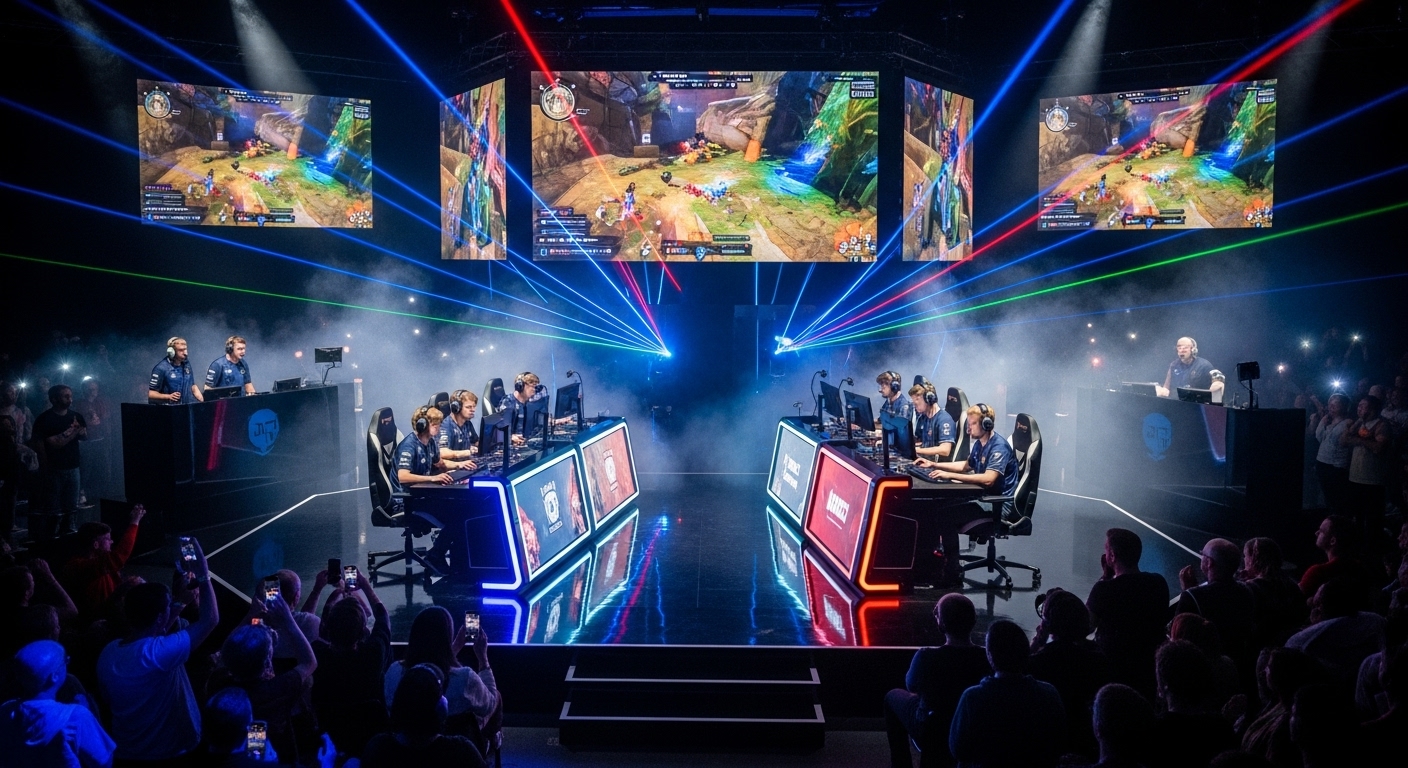
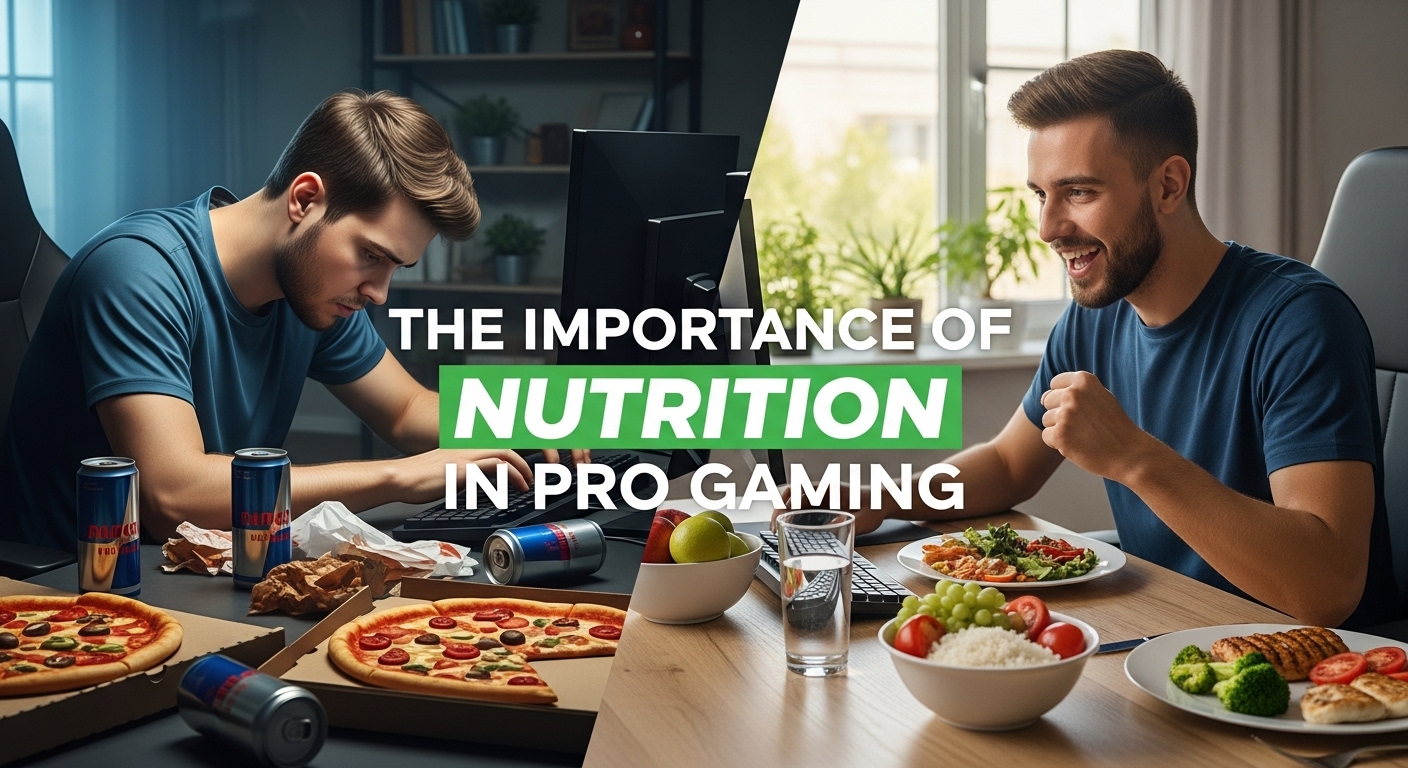
In the world of professional gaming, where milliseconds can determine the outcome of a match and mental clarity is paramount, nutrition is often an overlooked factor. While hours of practice, strategy development, and team coordination dominate the spotlight, the role of a gamer’s diet can be the invisible edge that separates good players from elite competitors. This blog explores why nutrition matters in esports, how it impacts performance, and practical strategies for professional gamers to optimize their diet for peak mental and physical performance.
1. Understanding the Esports Lifestyle
Professional gaming is more than just playing video games—it’s a high-pressure, high-performance career. Esports athletes often undergo rigorous training schedules, similar to traditional sports athletes, practicing for 6-10 hours a day to sharpen reflexes, develop strategies, and improve teamwork. This demands immense cognitive and physical energy.
Unlike traditional athletes, pro gamers rely heavily on brainpower rather than physical strength. Their “muscles” are their hands, wrists, and minds, which require constant fuel in the form of nutrients that enhance focus, reaction time, and mental endurance. Poor dietary habits can lead to fatigue, slow reaction times, and even chronic health issues, all of which directly affect competitive performance.
2. The Connection Between Nutrition and Cognitive Function
Cognitive performance is at the heart of esports. Games like League of Legends, CS:GO, and Valorant demand quick thinking, precise motor coordination, and strategic decision-making under pressure. Nutrition plays a critical role in optimizing these cognitive functions.
Key Nutrients for Brain Health
- Omega-3 Fatty Acids: Found in fatty fish, flaxseeds, and walnuts, omega-3s are essential for maintaining neuron structure and promoting communication between brain cells. Studies have shown that omega-3s can improve memory, focus, and mental agility—key attributes for pro gamers.
- B Vitamins: Vitamins B6, B12, and folate contribute to neurotransmitter synthesis, energy production, and overall cognitive function. Deficiency in B vitamins can lead to fatigue and impaired focus. Foods like eggs, leafy greens, and lean meats are rich sources.
- Antioxidants: Vitamins C and E, along with compounds like flavonoids found in berries and dark chocolate, protect the brain from oxidative stress caused by prolonged screen time and high-intensity mental activity.
- Amino Acids: Proteins are broken down into amino acids like tryptophan and tyrosine, which support neurotransmitter production, impacting mood and alertness. Lean meats, dairy, legumes, and soy products are excellent sources.
3. How Poor Nutrition Impacts Pro Gaming Performance
While professional gamers often focus on strategy and skill, poor nutrition can severely hinder performance. Here are some common consequences of neglecting diet:
a. Reduced Reaction Time
Reflexes are everything in esports. Low blood sugar levels, dehydration, or nutrient deficiencies can slow neural transmission, making split-second decisions less effective.
b. Mental Fatigue and Burnout
Esports tournaments can last several hours, sometimes requiring continuous concentration with minimal breaks. Skipping meals or consuming high-sugar, low-nutrient snacks can lead to mental fatigue, irritability, and reduced concentration.
c. Eye Strain and Vision Problems
High-intensity screen exposure can cause digital eye strain. Nutrients like lutein, zeaxanthin, and vitamin A play a vital role in eye health. Lack of these nutrients can exacerbate vision issues, impairing gameplay accuracy.
d. Long-Term Health Risks
Sedentary gaming, combined with poor nutrition, can increase the risk of obesity, metabolic syndrome, and cardiovascular diseases. These conditions not only affect overall well-being but can also shorten the lifespan of a gaming career.
4. Hydration: The Unsung Hero of Performance
Proper hydration is just as crucial as solid nutrition. Even mild dehydration can reduce cognitive performance, impair decision-making, and slow reaction times. Pro gamers often underestimate the importance of drinking enough water during training and competitions.
Tips for staying hydrated:
- Drink at least 2-3 liters of water per day, adjusting for activity level.
- Avoid excessive energy drinks, which may spike energy temporarily but lead to crashes.
- Incorporate hydrating foods like fruits (watermelon, oranges) and vegetables (cucumbers, lettuce).
5. Meal Planning for Pro Gamers
Consistency and planning are key. Pro gamers need meals that provide sustained energy, avoid blood sugar spikes, and support brain function.
Example of a Daily Meal Plan
- Breakfast: Oatmeal with berries, chia seeds, and a boiled egg
- Snack: Greek yogurt with nuts or a protein smoothie
- Lunch: Grilled chicken, quinoa, and steamed vegetables
- Snack: Fruit with a handful of almonds or whole-grain crackers with hummus
- Dinner: Salmon, brown rice, and broccoli
- Optional Late Snack: Dark chocolate or herbal tea
This plan emphasizes a balance of complex carbohydrates, lean protein, healthy fats, and micronutrients to support long hours of gaming without energy crashes.
6. The Role of Supplements in Esports
While whole foods should always be the primary source of nutrients, certain supplements can support cognitive function and overall performance.
- Omega-3 Supplements: For players who don’t consume enough fish.
- Vitamin D: Especially important for gamers spending long hours indoors.
- Magnesium and Zinc: Support nerve function and stress management.
- Caffeine (Moderate Use): Can boost alertness, but excessive intake can cause jitters and anxiety.
It’s crucial for gamers to consult a healthcare professional before introducing supplements to their diet.
7. Timing Matters: Pre-Game and Post-Game Nutrition
When you eat is as important as what you eat. Proper timing ensures stable energy levels during gaming sessions and speeds up recovery after intense practice or competition.
Pre-Game Nutrition
- Eat 1.5-2 hours before gaming.
- Include complex carbs and lean proteins to sustain energy.
- Avoid high-sugar foods that may cause crashes.
Post-Game Nutrition
- Focus on replenishing energy and repairing muscles.
- Include protein for muscle recovery and complex carbs to restore glycogen.
- Hydrate adequately to recover from mental and physical strain.
8. Psychological Impact of Nutrition
Diet doesn’t just affect physical and cognitive performance—it also influences mood and mental resilience.
- Balanced diets rich in fruits, vegetables, and healthy fats can reduce anxiety and depression.
- Avoiding excessive caffeine and sugar helps prevent mood swings and irritability.
- Mindful eating and routine meal planning provide structure, which can reduce stress during tournaments.
9. Lessons from Top Pro Gamers
Many top esports players credit nutrition as a key component of their success. Teams like TSM, Cloud9, and Fnatic have started employing nutritionists to optimize player diets. For example:
- Cloud9 emphasizes high-protein, low-sugar diets for sustained focus.
- Fnatic incorporates hydration and antioxidant-rich meals to prevent fatigue during long tournaments.
- Individual pro gamers often share routines that include healthy snacks, pre-game meals, and post-training recovery foods.
These examples highlight the growing recognition of nutrition as a performance-enhancing tool in esports.
10. Common Mistakes Gamers Make in Diet
Even with awareness, pro gamers often fall into nutritional traps:
- Skipping meals due to practice schedules.
- Relying on junk food for convenience.
- Overusing energy drinks for short-term boosts.
- Neglecting hydration during extended gaming sessions.
- Ignoring micronutrients, focusing only on macronutrients.
Correcting these habits can significantly enhance performance, energy levels, and long-term health.
11. Practical Tips for Maintaining a Gamer-Friendly Diet
- Plan ahead: Meal prep reduces the temptation of fast food.
- Balanced snacking: Nuts, fruit, and yogurt over chips or candy.
- Set hydration reminders: Water bottles at the desk.
- Moderate caffeine intake: Avoid energy spikes and crashes.
- Include variety: Different fruits, vegetables, proteins, and grains to cover all nutrient bases.
- Listen to your body: Pay attention to signs of fatigue, hunger, and concentration dips.
12. Conclusion
Nutrition is no longer a side note in esports—it is a foundational pillar of professional gaming performance. From cognitive function and reaction time to long-term health and mental resilience, the foods a gamer consumes directly influence their ability to compete at the highest level. By prioritizing a balanced diet, proper hydration, and mindful supplementation, professional gamers can gain a competitive edge that goes beyond practice hours and mechanical skill.
As the esports industry continues to evolve, nutrition is emerging as a key factor separating good players from great ones. Investing in the right foods and habits isn’t just about physical health—it’s about sharpening the mind, maintaining energy, and sustaining peak performance in the high-stakes world of competitive gaming.