Introduction
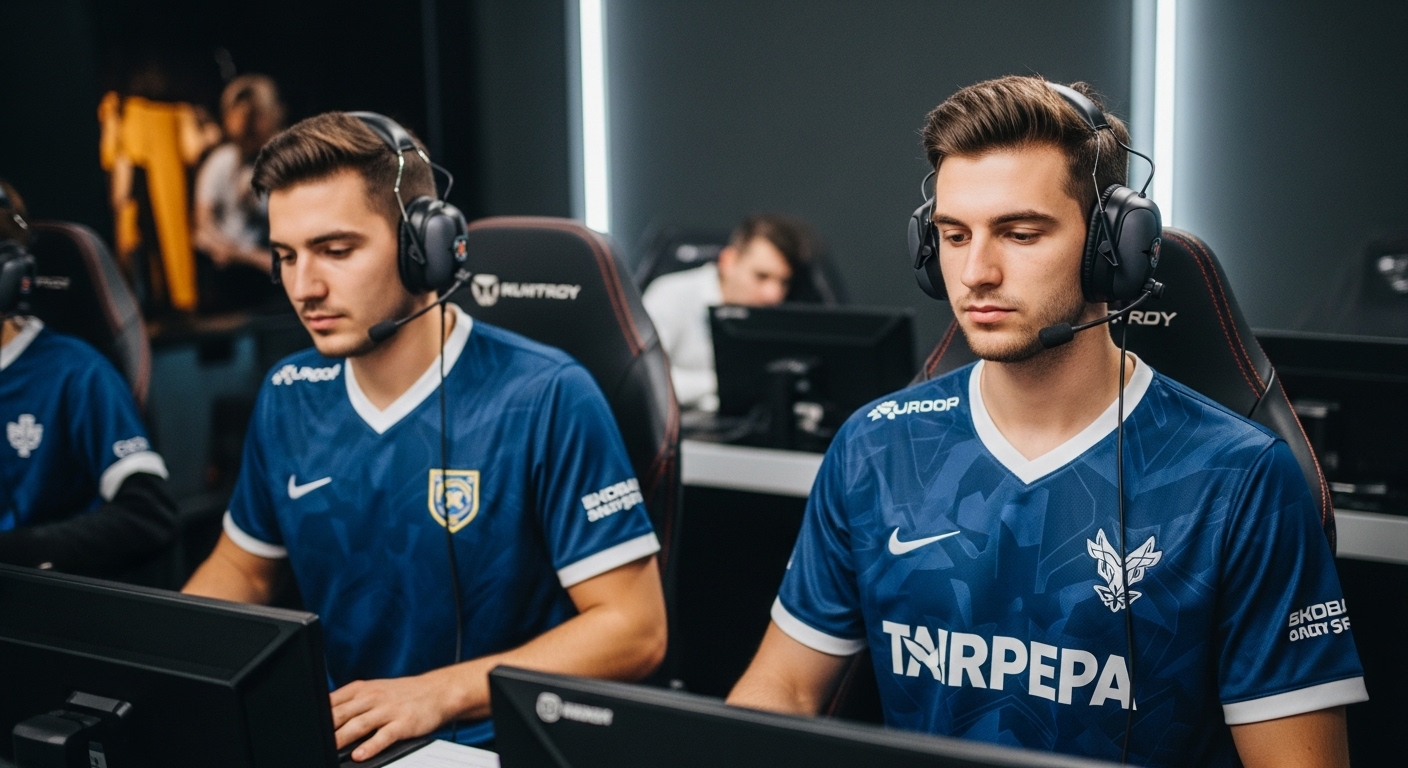
Esports, short for electronic sports, has transformed from a niche pastime into a global entertainment phenomenon. What began as friendly competitions among arcade players in the 1980s has grown into a billion-dollar industry that rivals traditional sports in viewership, investment, and cultural influence. The term “esports” represents competitive gaming at a professional level, where individuals or teams face off in various video games across genres like strategy, shooters, sports simulations, and battle arenas. Today, esports is more than just playing games—it’s a lifestyle, a profession, and a community that brings together millions of fans worldwide.
The rise of esports is one of the most fascinating developments of the 21st century. It demonstrates how technology, creativity, and competition can combine to create something that transcends generations and cultures. From basement LAN parties to massive stadium tournaments watched by millions online, esports has redefined entertainment and competition alike.
The Early Days of Esports
The origins of esports can be traced back to the early 1970s, when the first organized video game competition was held at Stanford University for the game Spacewar!. The prize at that time was nothing more than a subscription to a science magazine, but it was the beginning of something that would eventually explode into a cultural revolution. In the 1980s, as video games became more accessible with home consoles and arcades, players began competing for high scores. Classic games like Pac-Man, Donkey Kong, and Space Invaders became battlegrounds for gaming glory.
As technology advanced, so did the ambition of gamers. By the 1990s, PC gaming and the internet gave rise to multiplayer experiences. Titles such as Quake, StarCraft, and Counter-Strike became early pioneers of organized competition. Tournaments began to attract sponsorships, and gaming communities grew across the world. South Korea became one of the earliest nations to embrace esports on a large scale, with government support and televised matches that turned players into celebrities.
The 2000s: Building the Foundation
The early 2000s marked the period when esports began to establish itself as a structured and legitimate form of competition. Online connectivity and advancements in game design allowed for global tournaments to take place without geographical barriers. Titles like Warcraft III, Counter-Strike 1.6, and Dota built massive communities that organized leagues and regional championships.
Gaming cafes and LAN centers became popular social hubs for competitive play. Players would train, form teams, and develop rivalries. The formation of professional organizations and early esports leagues gave structure to the chaos, and sponsors began to notice the growing influence of gaming culture.
Streaming technology was still in its infancy, but fans started to follow tournaments through early broadcasting platforms. Events like the World Cyber Games and Major League Gaming laid the groundwork for what esports would become in the next decade.
The Explosion of Esports in the 2010s
The 2010s can be described as the golden decade for esports. Several key factors contributed to the massive expansion of the industry during this period. The introduction of live streaming platforms allowed millions of fans to watch their favorite players and teams in real time. Social media amplified visibility, and global sponsors started investing heavily in esports events.
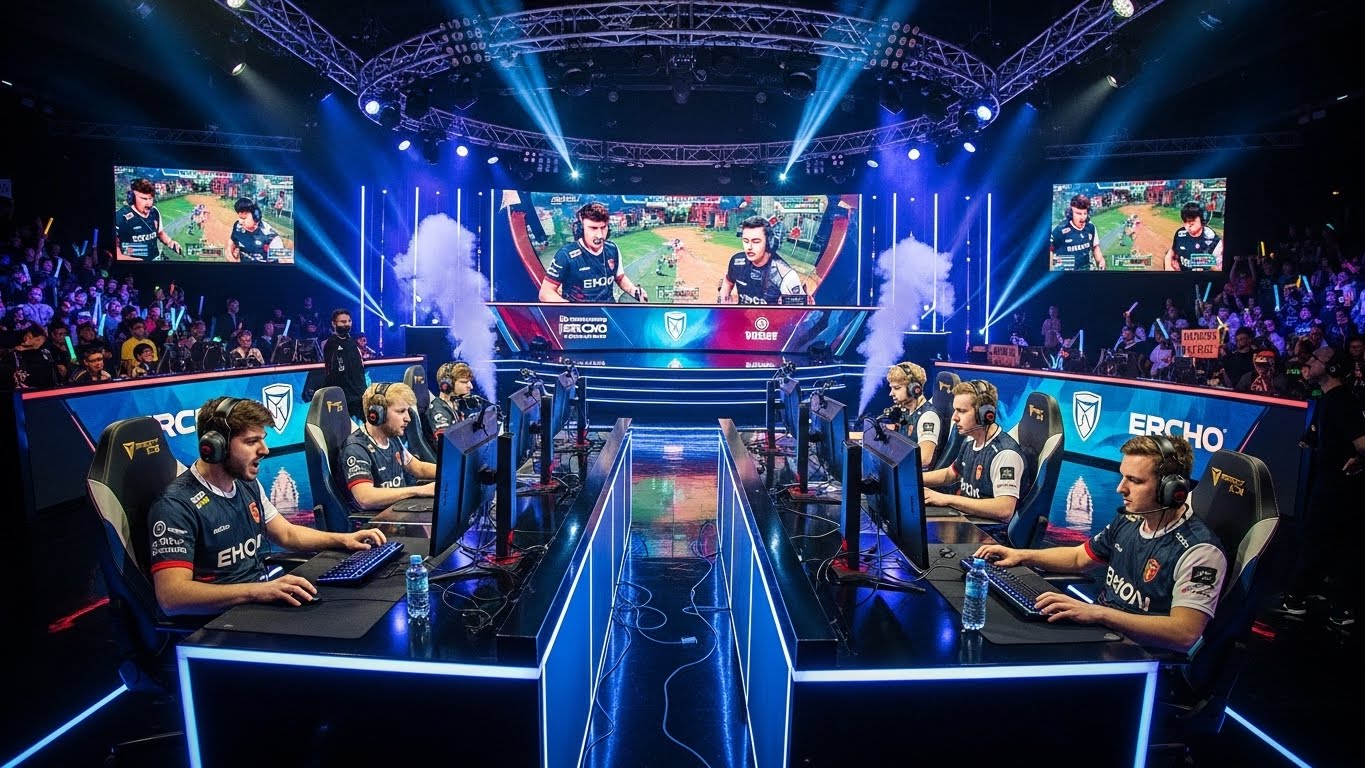
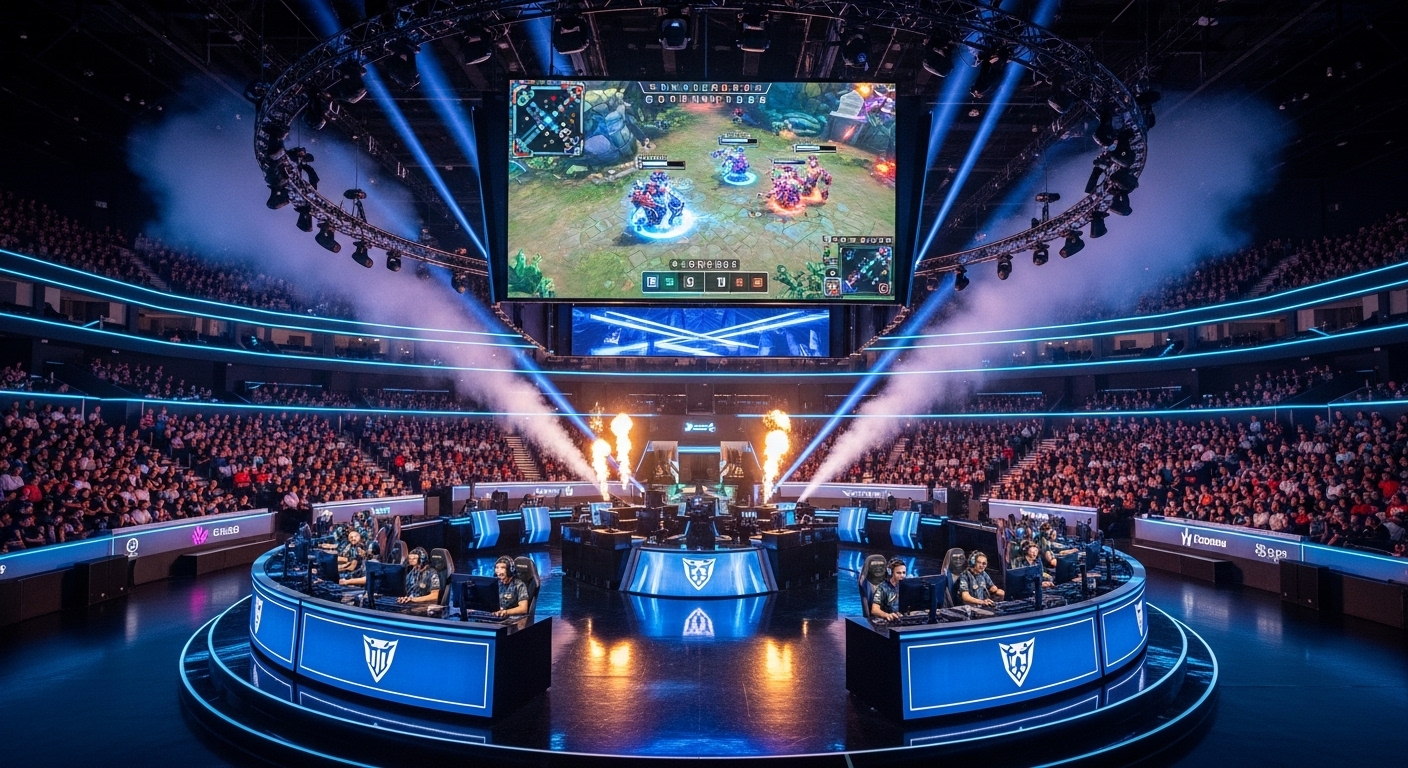
The rise of League of Legends, Dota 2, and Counter-Strike: Global Offensive created new standards for competition and prize pools. The Dota 2 International, for instance, set records with its crowd-funded prize pools reaching tens of millions of dollars. Stadiums filled with fans waving banners and cheering for their teams became a normal sight.
Esports organizations such as Team Liquid, Fnatic, and Cloud9 emerged as global brands, representing not just teams but entire communities of gamers. Player salaries increased dramatically, training facilities were built, and gaming coaches became essential parts of team management.
Another major shift occurred as traditional sports franchises began investing in esports. Basketball, football, and baseball teams launched their own esports divisions or partnered with gaming organizations. This crossover further legitimized esports in mainstream media and culture.
The Role of Streaming and Content Creation
No discussion about the rise of esports would be complete without mentioning streaming platforms. The ability to watch tournaments, live matches, and casual streams in real time changed everything. Platforms such as Twitch and YouTube Gaming allowed players to build their own brands, connect directly with fans, and earn substantial incomes through sponsorships and viewership.
Streaming blurred the line between professional competition and entertainment. Some players became more famous for their personalities and content creation than their in-game achievements. This mix of competitive gaming and influencer culture created a new kind of celebrity. Fans could interact directly with their favorite players, watch training sessions, and learn strategies, all from the comfort of their homes.
This accessibility also inspired millions of new players to dream of becoming professionals. Esports was no longer an exclusive club; it became a goal within reach for anyone with skill, dedication, and the right equipment.
The Esports Ecosystem
Esports is not just about the players. It’s an ecosystem that involves a wide range of roles and industries. Game developers design and update competitive titles to maintain balance and excitement. Tournament organizers handle logistics, marketing, and broadcasting. Sponsors provide funding and equipment. Commentators and analysts bring the matches to life for viewers.
Educational institutions have also joined the scene, offering esports scholarships and degrees focused on game design, marketing, and event management. Universities have established official esports teams that compete nationally and internationally, creating a structured path for young players to transition into the professional scene.
The economic impact of esports is enormous. From ticket sales to merchandise, from advertising to digital media rights, esports generates billions of dollars annually. Large tournaments rival traditional sporting events in terms of viewership and engagement.
Esports as a Global Phenomenon
Esports is now truly global. Every continent has its own leagues, tournaments, and communities. Asia remains a powerhouse, with countries like South Korea, China, and Japan leading the way in infrastructure and player development. Europe has strong regional leagues, especially in games like CS:GO and FIFA, while North America continues to dominate in terms of organization and investment.
Emerging regions such as the Middle East, Africa, and South America have also begun to make significant strides in esports. Government support, private investment, and youth interest are fueling rapid growth. Mobile gaming, in particular, has played a massive role in expanding esports into regions where high-end PCs or consoles are less accessible.
Games like PUBG Mobile, Mobile Legends, and Free Fire have become the centerpiece of competitive gaming in developing markets. This shift toward mobile esports is a major reason the global audience continues to grow at an unprecedented rate.
The Professional Player’s Journey
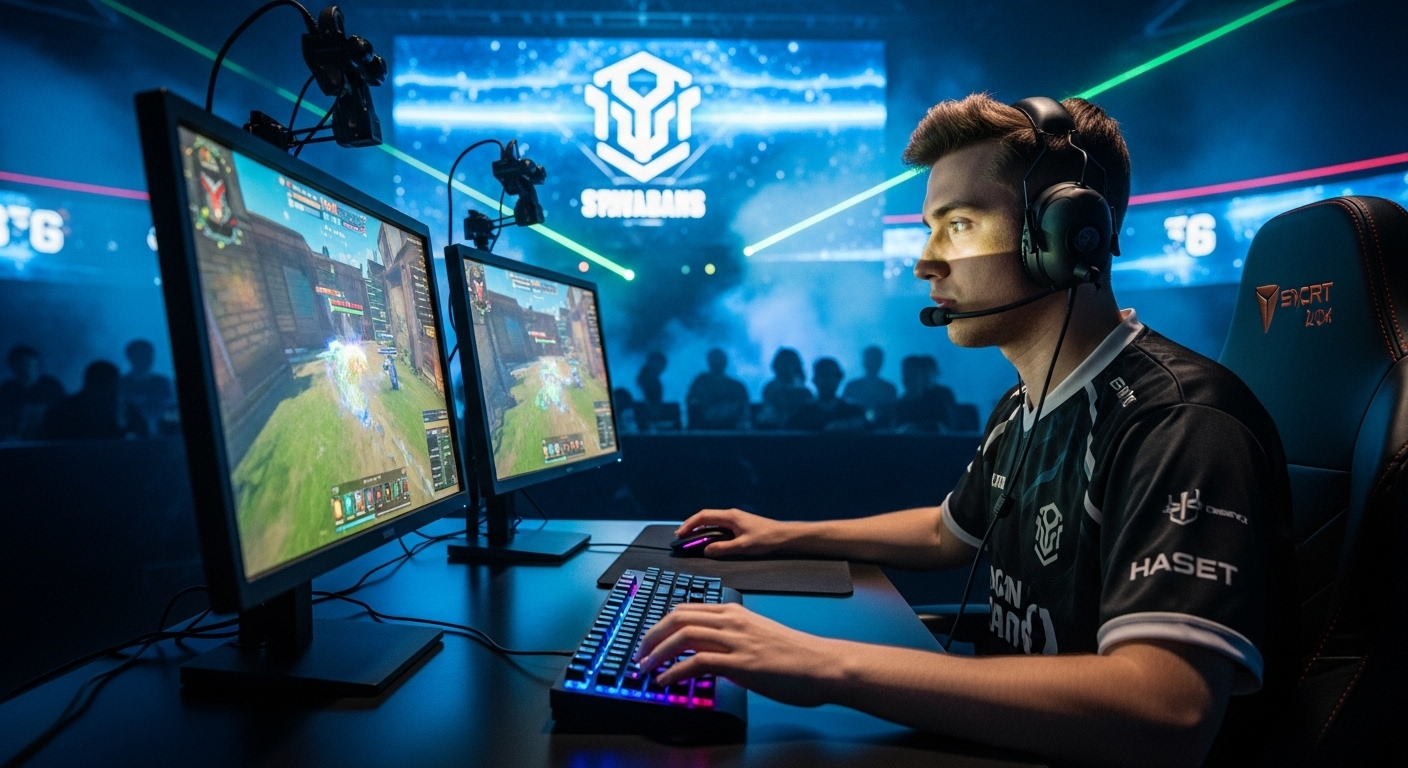
Becoming an esports professional requires immense dedication, discipline, and mental fortitude. Contrary to stereotypes, pro gamers train rigorously. They spend hours studying opponents, refining strategies, and perfecting team coordination. Nutrition, fitness, and mental health are also critical factors, as reaction time and focus can make the difference between victory and defeat.
A typical esports athlete’s career often begins in online competitions or local tournaments. Success in these smaller events can lead to being scouted by professional teams. Once signed, players train under structured schedules, often living in gaming houses or attending boot camps.
Despite the fame and income, the life of a professional gamer can be intense and short-lived. The competition is fierce, and staying at the top requires constant improvement. Many players retire in their mid-to-late twenties and transition into coaching, streaming, or content creation.
The Impact of Esports on Society
Esports has had a profound social and cultural impact. It has broken down barriers between nations, languages, and generations. Gamers from different parts of the world can connect instantly and compete on an equal playing field.
Esports also provides opportunities that traditional sports sometimes cannot. People with physical disabilities, for example, can compete at the same level as anyone else, showcasing their skill and intelligence rather than physical ability. It has become a form of inclusive competition that welcomes diversity and innovation.
Moreover, esports has influenced education and career development. Schools and universities are incorporating esports programs that teach teamwork, problem-solving, and leadership. These skills are valuable beyond gaming, making esports a modern tool for personal growth and professional development.
Challenges Facing Esports
Despite its success, esports faces several challenges. One of the biggest issues is player burnout, caused by long training hours and constant competition. Maintaining a healthy balance between performance and well-being is a growing concern for teams and organizations.
Another major challenge is maintaining fair play and integrity. Issues such as cheating, match-fixing, and performance-enhancing substances have occasionally surfaced. Tournament organizers are constantly developing systems to ensure transparency and fairness.
Monetization and sustainability are also points of debate. While major tournaments generate large revenues, many smaller events struggle financially. Developing stable career paths for players, coaches, and staff remains an ongoing task.
Regulation is another complex issue. Since esports is global, there is no single governing body. Rules, contracts, and standards vary widely across regions. Creating a unified regulatory framework could help the industry become more stable and professional in the long run.
The Future of Esports
Looking ahead, the future of esports appears brighter than ever. With continuous advancements in technology, virtual reality, augmented reality, and artificial intelligence are likely to redefine the gaming experience. New genres and interactive experiences will push the boundaries of what competitive gaming can be.
Esports may eventually become an official Olympic event, as discussions between gaming organizations and international sports committees continue. This inclusion would mark a historic moment, recognizing gaming as a legitimate form of athletic and intellectual competition.
Additionally, as streaming and virtual events become even more immersive, fans will be able to experience tournaments in ways never before possible. The integration of real-time data, virtual stadiums, and AI commentary could revolutionize esports broadcasting.
Esports will also continue to influence pop culture. Music, fashion, and entertainment industries already collaborate with gaming brands and tournaments. The blending of these worlds is shaping a new generation of digital entertainment that values creativity, technology, and connection.
Conclusion
Esports has come a long way from its humble beginnings in college labs and arcade halls. What started as a hobby has evolved into a global spectacle that captivates millions and generates massive economic and cultural influence. The combination of technology, competition, and community has created a new frontier of entertainment that continues to evolve every year.
As the industry matures, esports will keep pushing boundaries, inspiring innovation, and uniting people around a shared love of games. Whether you’re a player, a fan, or a casual observer, it’s impossible to ignore the impact of this digital revolution.
Esports is not just the future of gaming—it’s the future of competition itself. It stands as a testament to human creativity, passion, and the endless pursuit of excellence.