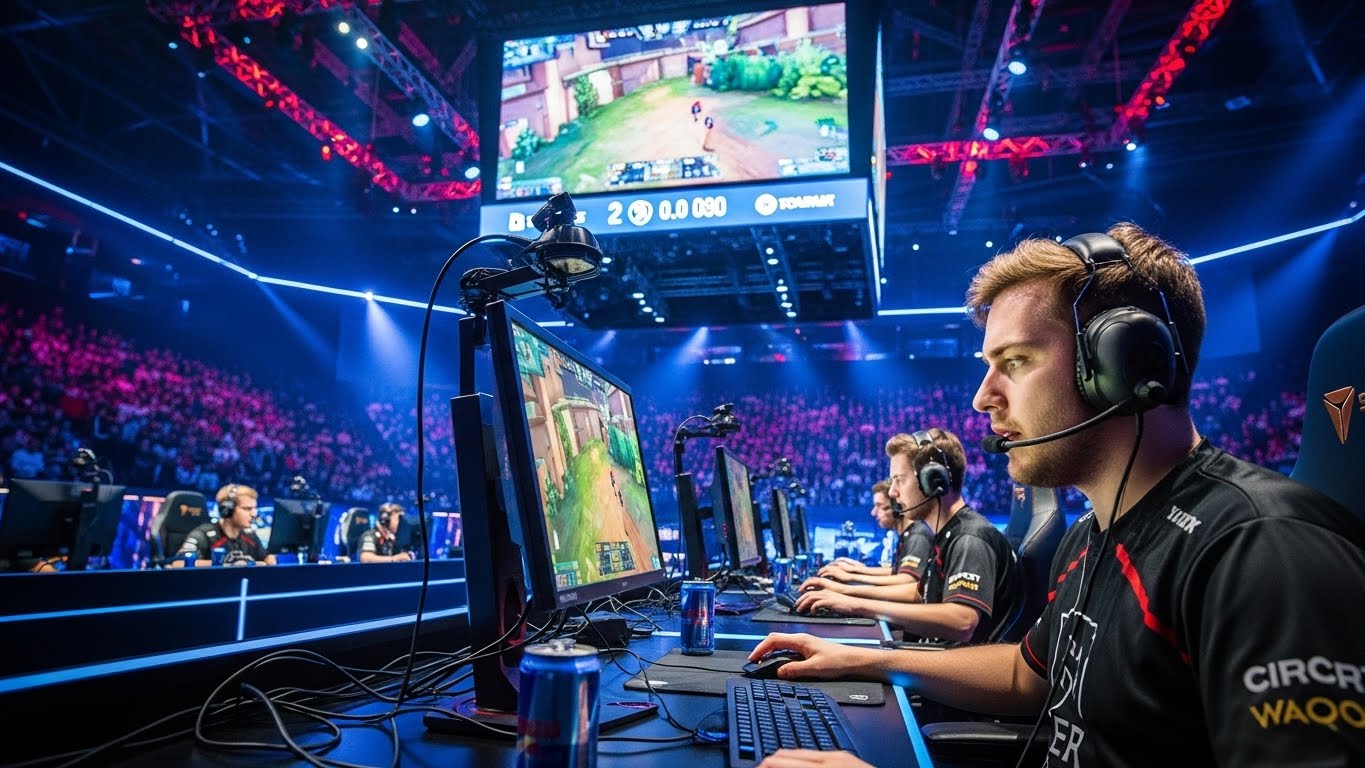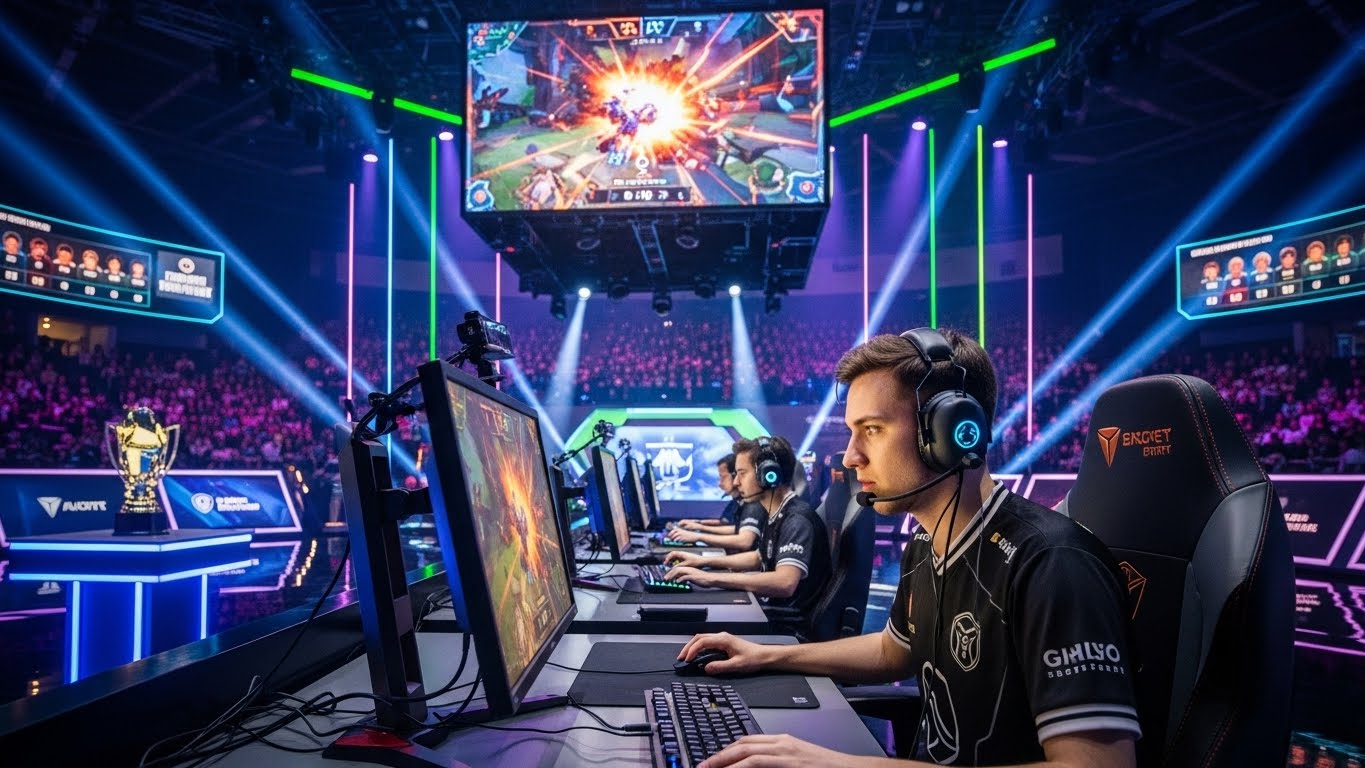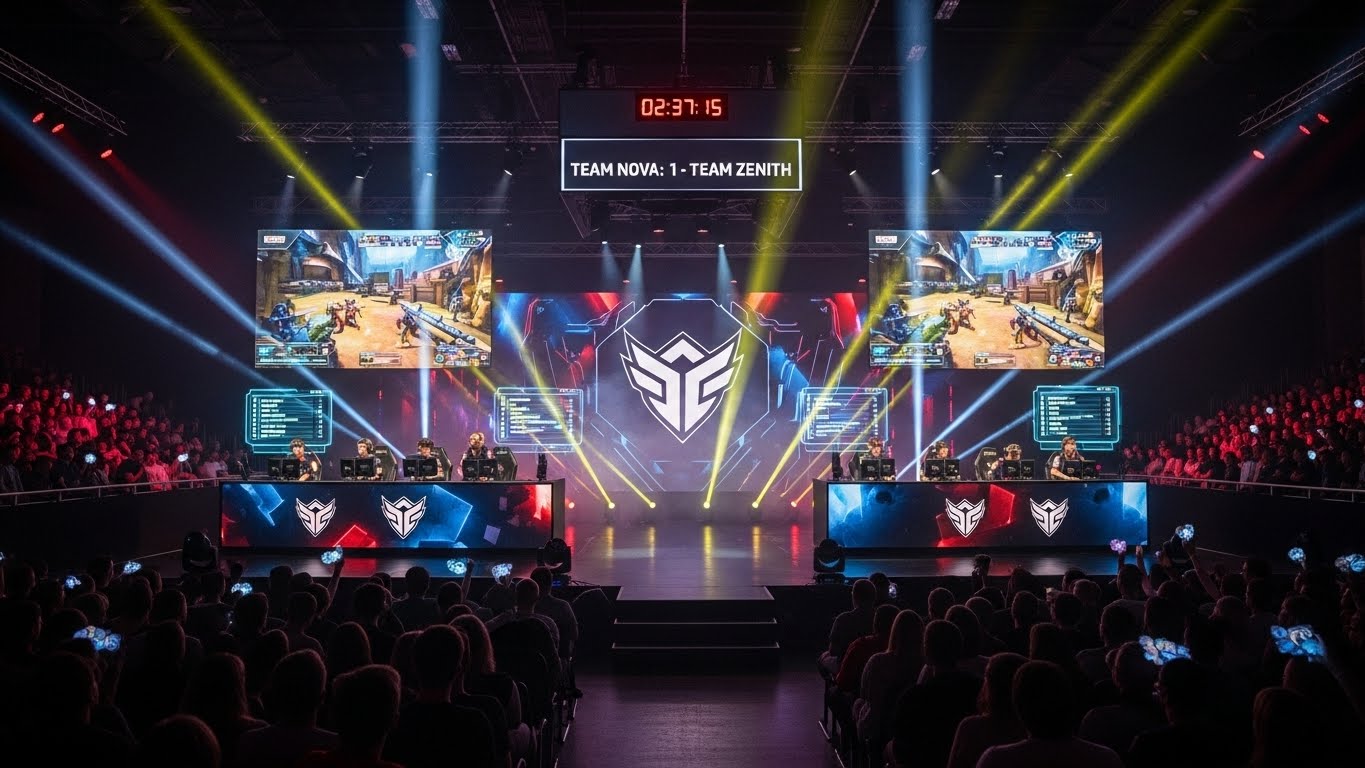
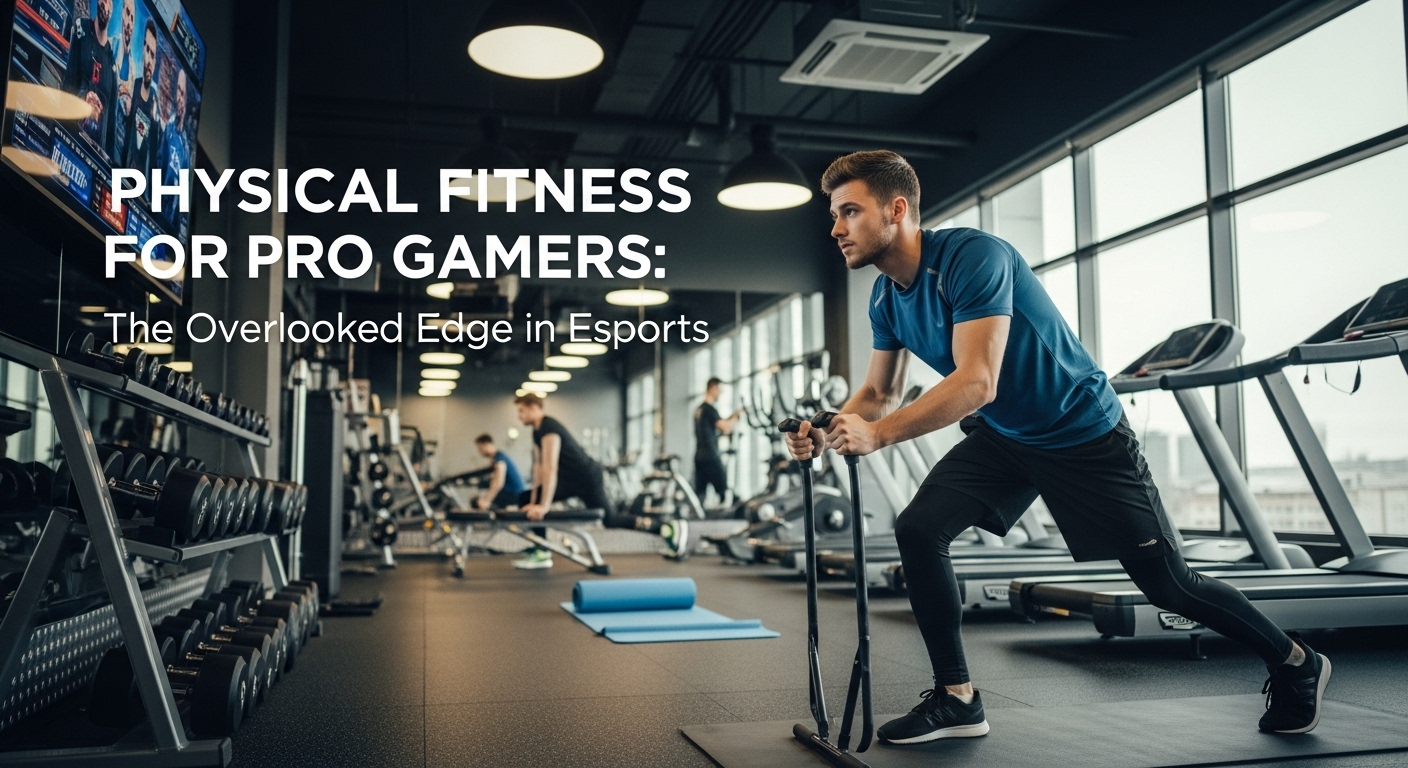
In the high-stakes world of professional esports, reaction times, strategic thinking, and mechanical skills often dominate the conversation. But there’s another critical factor that separates top-tier players from the rest: physical fitness. While gaming is often perceived as a sedentary activity, the most successful professional gamers understand that maintaining optimal physical health is not only beneficial but essential to peak performance.
Why Physical Fitness Matters for Gamers
At first glance, gaming might seem like an activity that requires only mental agility. However, professional gaming is physically demanding in ways that are often underestimated. Elite gamers spend countless hours practicing, participating in tournaments, and maintaining focus under pressure. This lifestyle can take a toll on the body, leading to repetitive strain injuries, poor posture, and general fatigue.
Studies have shown that gamers who maintain a fitness routine experience:
- Improved reaction times: Cardiovascular fitness and overall endurance support faster responses during intense matches.
- Better focus and cognitive function: Exercise increases blood flow to the brain, improving memory, attention, and problem-solving abilities.
- Enhanced stress management: High-pressure games can trigger stress and anxiety; fitness routines help regulate cortisol levels.
- Reduced risk of injuries: Strength training and stretching minimize the risk of wrist, shoulder, and back problems common among gamers.
In essence, a fit gamer isn’t just healthier—they are faster, sharper, and more resilient in competition.
Common Physical Challenges Faced by Pro Gamers
Before diving into solutions, it’s important to understand the physical challenges that come with professional gaming:
1. Repetitive Strain Injuries (RSI)
RSI, including carpal tunnel syndrome and tendonitis, occurs due to repetitive movements in the hands, wrists, and forearms. Long gaming sessions without breaks exacerbate these conditions, potentially ending careers prematurely.
2. Poor Posture and Back Pain
Extended hours in front of a screen can lead to slouched shoulders, neck pain, and lower back issues. Over time, this affects mobility and overall comfort, diminishing performance during long tournaments.
3. Eye Strain
Staring at screens for hours can cause eye fatigue, blurred vision, and headaches, commonly known as computer vision syndrome. While not purely physical, eye strain significantly impacts a gamer’s endurance.
4. General Fatigue
Esports demands long hours of practice. Without proper physical conditioning, fatigue sets in quickly, reducing reaction speed and cognitive sharpness.
Components of a Fitness Routine for Gamers
Designing a fitness routine for gamers requires a balance of cardio, strength training, flexibility, and mental wellness practices. Let’s explore each:
1. Cardiovascular Training
Cardio improves endurance, heart health, and oxygen flow to the brain. Even light aerobic exercises like brisk walking, jogging, or cycling for 20–30 minutes a day can significantly enhance reaction times and concentration.
2. Strength Training
Core, back, and shoulder strength are essential for maintaining good posture during long gaming sessions. Targeted strength exercises help prevent back pain, shoulder strain, and repetitive stress injuries. Recommended exercises include:
- Planks and variations for core strength
- Rows and pull-downs for upper back
- Dumbbell presses for shoulders
3. Flexibility and Mobility
Stretching and mobility exercises reduce stiffness and enhance the range of motion. Gamers benefit from:
- Wrist stretches to prevent RSI
- Shoulder rotations to relieve tension
- Hip flexor stretches for prolonged sitting
4. Eye Exercises
Eye health is often overlooked, yet vital. Simple practices include:
- The 20-20-20 rule: Every 20 minutes, look at an object 20 feet away for 20 seconds
- Eye rolling and focusing exercises to reduce fatigue
- Adjusting screen brightness and contrast to prevent strain
5. Mental Fitness
Physical and mental fitness are interconnected. Meditation, breathing exercises, and yoga improve focus, reduce stress, and enhance decision-making under pressure.
Building a Gamer-Friendly Workout Schedule
For professional gamers, the key is consistency without fatigue. A sample weekly routine could look like this:
- Monday: Cardio 30 min + wrist and shoulder mobility exercises
- Tuesday: Strength training (upper body focus) + core exercises
- Wednesday: Cardio 20–30 min + yoga or stretching session
- Thursday: Strength training (lower body focus) + posture exercises
- Friday: High-intensity interval training (HIIT) 20 min + meditation
- Saturday: Light activity (walking, cycling) + flexibility work
- Sunday: Rest and recovery
Even shorter sessions, if performed consistently, can have profound impacts on energy levels and in-game performance.
Nutrition and Hydration for Peak Performance
Fitness isn’t just about exercise. Nutrition and hydration are critical components that can affect stamina, focus, and reaction speed.
- Hydration: Dehydration impairs cognitive function. Gamers should aim for at least 2–3 liters of water per day.
- Balanced meals: Lean proteins, whole grains, and vegetables support sustained energy. Avoid excessive sugar and junk food, which lead to energy crashes.
- Snacks: Healthy snacks like nuts, fruits, and yogurt maintain energy without spikes in blood sugar.
- Supplements: Omega-3s, vitamin D, and multivitamins may support cognitive function, though they should complement—not replace—a balanced diet.
Case Studies: Pro Gamers Who Prioritize Fitness
Some of the world’s top esports athletes attribute their longevity and performance to physical fitness:
- Sang-hyeok “Faker” Lee (League of Legends): Known for incorporating regular gym workouts into his routine to maintain focus and prevent fatigue.
- Oleksandr “s1mple” Kostyliev (CS:GO): Emphasizes cardio and stretching to stay physically and mentally sharp during tournaments.
- Johan “N0tail” Sundstein (Dota 2): Advocates cycling and yoga for stress management and posture improvement.
These examples illustrate that fitness is not a peripheral concern—it’s a competitive advantage.
Addressing Barriers: Time, Motivation, and Accessibility
Many gamers struggle to integrate fitness due to time constraints, lack of motivation, or unfamiliarity with exercise. Here are practical strategies:
- Micro Workouts: Even 10–15 minute sessions between practice matches can be effective.
- Gamifying Exercise: Apps and fitness games (like VR workouts) make fitness engaging.
- Team Accountability: Esports teams can encourage collective workouts, fostering team health culture.
- Professional Guidance: Working with fitness trainers familiar with esports can tailor exercises to prevent injury.
Long-Term Benefits Beyond Gaming
The advantages of physical fitness extend beyond in-game performance:
- Longevity in Career: Avoiding burnout and injuries increases career lifespan.
- Better Sleep: Regular exercise promotes restful sleep, enhancing recovery and cognitive function.
- Mental Resilience: Fitness routines foster discipline, patience, and emotional stability, crucial for high-pressure competitions.
- Health After Esports: Many retired gamers face lifestyle-related health issues; maintaining fitness mitigates long-term risks like obesity and cardiovascular disease.
Conclusion
Physical fitness is no longer optional for professional gamers—it is a fundamental pillar of success. From improved reaction times and cognitive function to injury prevention and mental well-being, the benefits are undeniable. As esports continues to evolve into a highly competitive, physically and mentally demanding sport, the gamers who prioritize their bodies will gain an edge over their peers.
Whether it’s through cardio, strength training, stretching, or proper nutrition, fitness offers gamers more than health—it provides a strategic advantage. Professional esports organizations and players alike must embrace this paradigm, fostering a culture where peak performance is achieved not only through hours at the keyboard but also through commitment to the body that enables it.
In the end, the fastest reflexes and sharpest minds belong to those who treat their bodies with the same care and precision as they do their gameplay. Physical fitness is no longer the extra—it’s the secret weapon of pro gamers.