Esports has rapidly transformed from a niche pastime into a global cultural and economic powerhouse. What was once considered mere recreational gaming has evolved into a highly competitive industry, drawing millions of players and spectators worldwide. The rise of esports reflects not only advancements in technology but also shifts in entertainment, sports culture, and career opportunities. This blog explores the origins of esports, its impact on society, economic significance, challenges, and what the future may hold for competitive gaming.
The Origins of Esports: From Arcades to Online Arenas
The concept of competitive gaming is not new. Early video game tournaments date back to the 1970s and 1980s when arcades were at the center of gaming culture. Competitions in games like Space Invaders and Pac-Man brought together enthusiastic players who showcased their skills locally. The 1990s saw the emergence of networked gaming with titles like StarCraft in South Korea and Counter-Strike internationally. These games laid the foundation for professional gaming communities, proving that video games could go beyond entertainment and become serious competitive pursuits.
The Role of Technology in Esports Growth
Technological advancements have been pivotal in the expansion of esports. High-speed internet, powerful gaming computers, and sophisticated consoles have allowed players to compete seamlessly across the globe. Streaming platforms have transformed how audiences consume esports, enabling fans to watch live competitions from their homes. Innovations such as virtual reality and cloud gaming promise to redefine the esports experience further. Technology and esports share a symbiotic relationship: as gaming technology evolves, the level of competition and engagement increases, while esports drives innovation in software, graphics, and interactive experiences.
Esports as a Mainstream Entertainment Phenomenon
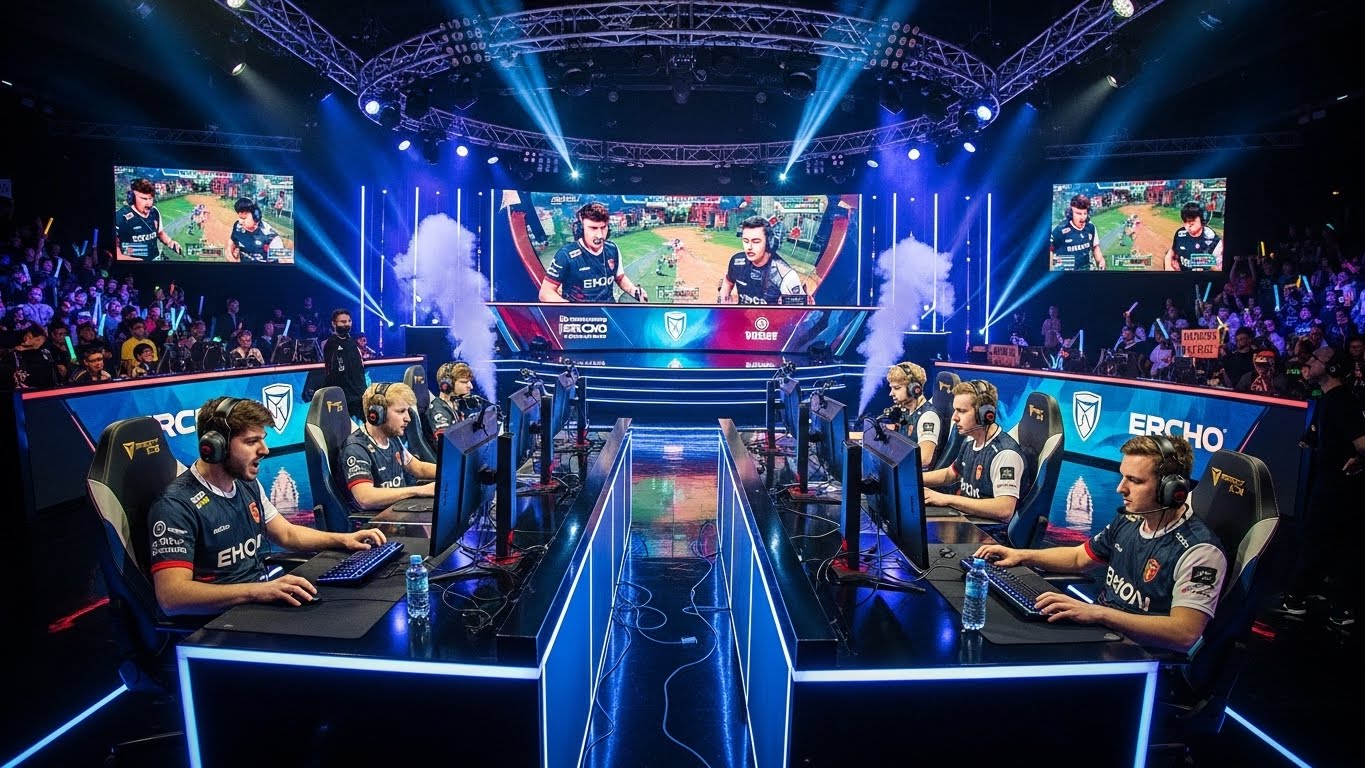
Over the past decade, esports has grown into a mainstream entertainment industry. Major tournaments now fill stadiums with tens of thousands of spectators while millions more watch online. Games like League of Legends, Dota 2, and Fortnite have become household names due to their competitive scenes. Unlike traditional sports, esports offers global accessibility, allowing anyone with a computer or console to participate. This inclusivity has contributed to its explosive popularity, attracting not only players but also sponsors, advertisers, and investors eager to reach a tech-savvy audience.
Economic Impact: From Players to Organizations
The financial scale of esports is remarkable. Professional players earn salaries and prize money that rival some traditional sports, while top tournaments offer millions in prize pools. Esports organizations operate like professional sports teams, with coaches, analysts, marketing teams, and management staff. Sponsorships from global brands have become a critical revenue stream, reflecting the marketing potential of reaching younger audiences. Beyond the players, the industry generates jobs in content creation, broadcasting, event management, and game development, establishing esports as a viable economic sector.
The Esports Career Path
Becoming a professional esports player requires immense dedication, skill, and strategic thinking. Training schedules often rival those of traditional athletes, with hours dedicated to practice, reviewing game footage, and strategizing for competitions. Many players retire in their mid-20s, transitioning to roles as coaches, streamers, or content creators. Educational institutions now offer esports programs, scholarships, and organized collegiate competitions, creating structured pathways for aspiring professionals. Beyond competitive play, careers in esports include event management, marketing, journalism, broadcasting, and software development, offering opportunities for a broad range of talents.
Community and Cultural Influence
Esports fosters vibrant communities where players and fans connect through shared passion. Online forums, social media, and live streams provide spaces for strategy discussion, content sharing, and social interaction. Esports has contributed to inclusivity, allowing individuals from diverse backgrounds to participate and gain recognition. Its influence extends beyond gaming, impacting fashion, music, and popular culture. The global nature of esports also bridges cultural gaps, connecting players and fans from different countries and backgrounds in meaningful ways.
Health and Wellness Considerations
While esports offers numerous benefits, it also presents unique challenges. Extended periods of gaming can lead to physical strain, including eye fatigue, back problems, and repetitive stress injuries. Mental health issues such as stress, anxiety, and burnout are also common among professional players. Recognizing these concerns, many esports organizations now implement wellness programs, physical training routines, and mental health support. Proper ergonomics, balanced schedules, and counseling are increasingly standard practices, emphasizing the importance of maintaining both physical and mental health in a competitive environment.
The Global Esports Landscape
Esports has become a truly international phenomenon. South Korea is widely regarded as the pioneer of professional esports, establishing leagues and infrastructure that support competitive gaming careers. China has rapidly expanded its esports industry, supported by government initiatives and a large player base. North America and Europe have also developed robust esports ecosystems, with large-scale tournaments, collegiate leagues, and media coverage. Each region contributes unique styles, strategies, and games, creating a diverse and interconnected global esports culture.
Challenges Facing Esports
Despite its growth, esports faces several obstacles. Regulatory frameworks vary widely across countries, affecting contracts, prize distribution, and age restrictions. Cheating, match-fixing, and other integrity issues occasionally disrupt the competitive scene. Additionally, some debate whether esports should be classified as “real sports” due to its non-physical nature compared to traditional athletics. Commercialization can also create tension between authentic gameplay and sponsorship-driven influences. Addressing these challenges is essential to ensure the long-term sustainability and credibility of the esports industry.
The Future of Esports
The future of esports is full of potential. Emerging technologies such as augmented reality, virtual reality, and AI-assisted coaching will make competitions more immersive and engaging. Traditional sports and esports may increasingly intersect, with hybrid events and collaborations becoming common. Governments, educational institutions, and corporations are likely to invest further in esports infrastructure, training programs, and research initiatives. As esports continues to grow, it will not only expand economically but also deepen its cultural and social impact, solidifying its place as a central component of modern entertainment.
Conclusion: Esports as a Cultural and Economic Force
Esports has grown from a niche hobby into a global industry that impacts entertainment, culture, and the economy. It has created new career paths, fostered global communities, and driven technological innovation. While challenges remain, including regulation, health considerations, and commercialization, the potential for growth is immense. Esports is more than just a game; it represents creativity, dedication, and the power of digital connection. Its influence will continue to expand, shaping the way people play, watch, and interact with games for generations to come.
In essence, esports is a reflection of our increasingly digital world. It shows that competition, entertainment, and community can thrive in virtual spaces, providing opportunities that transcend borders and redefine what it means to be a professional athlete or passionate fan. The journey of esports is far from over, and its next level promises innovation, excitement, and unprecedented cultural impact.