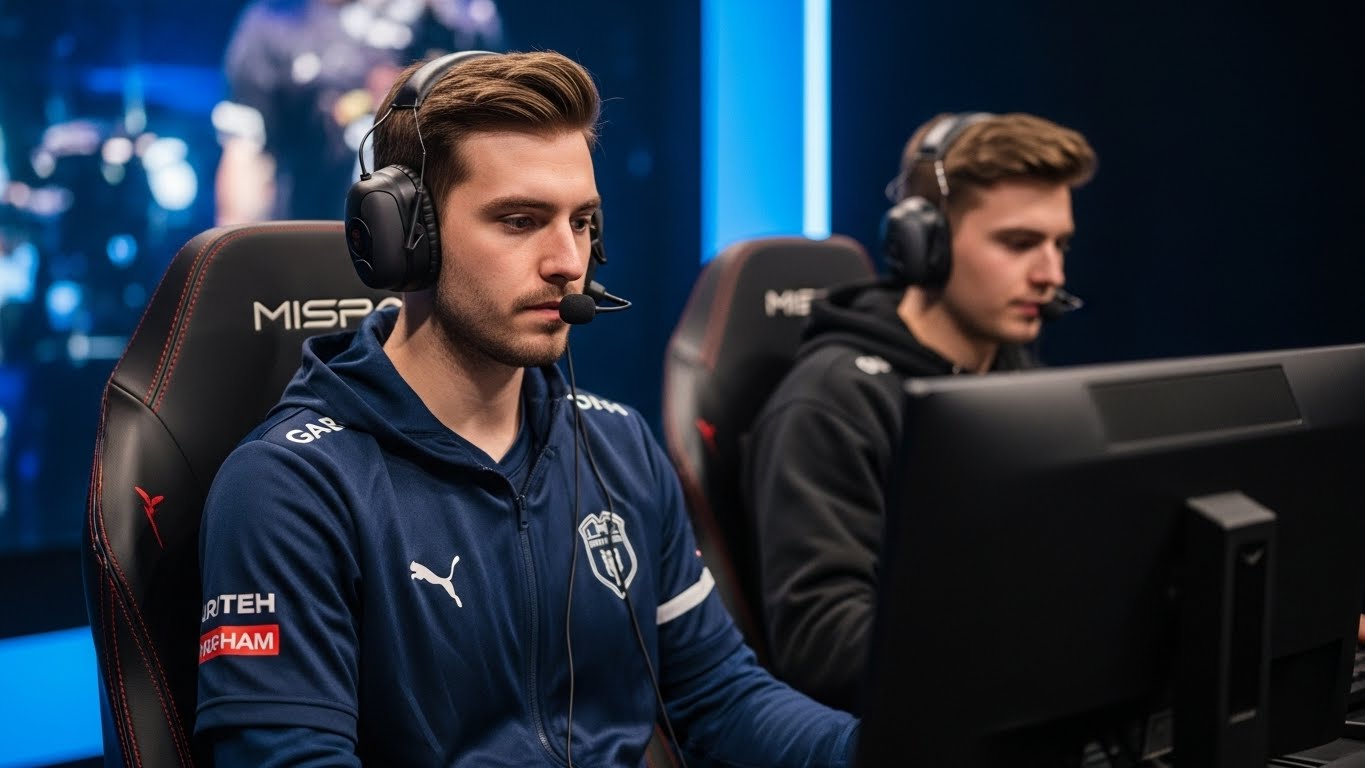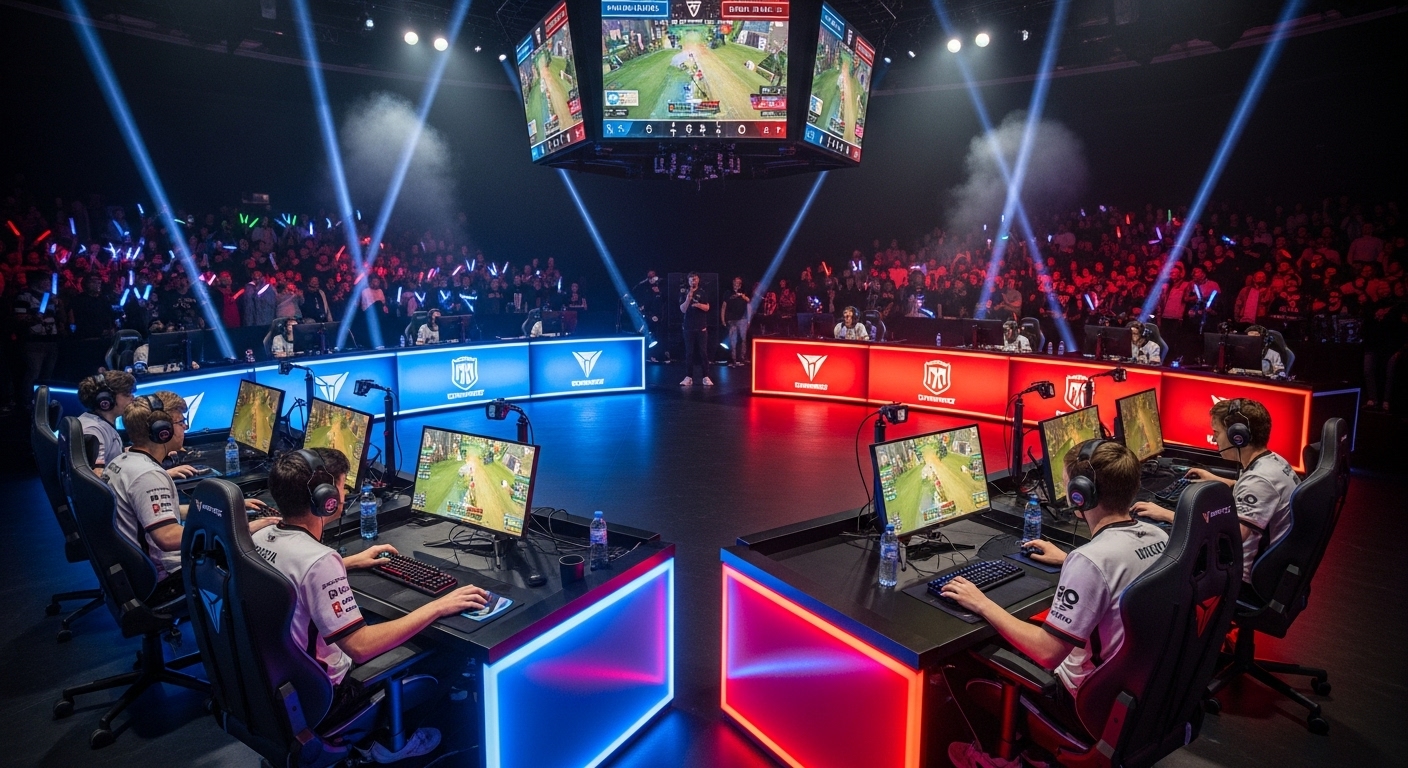
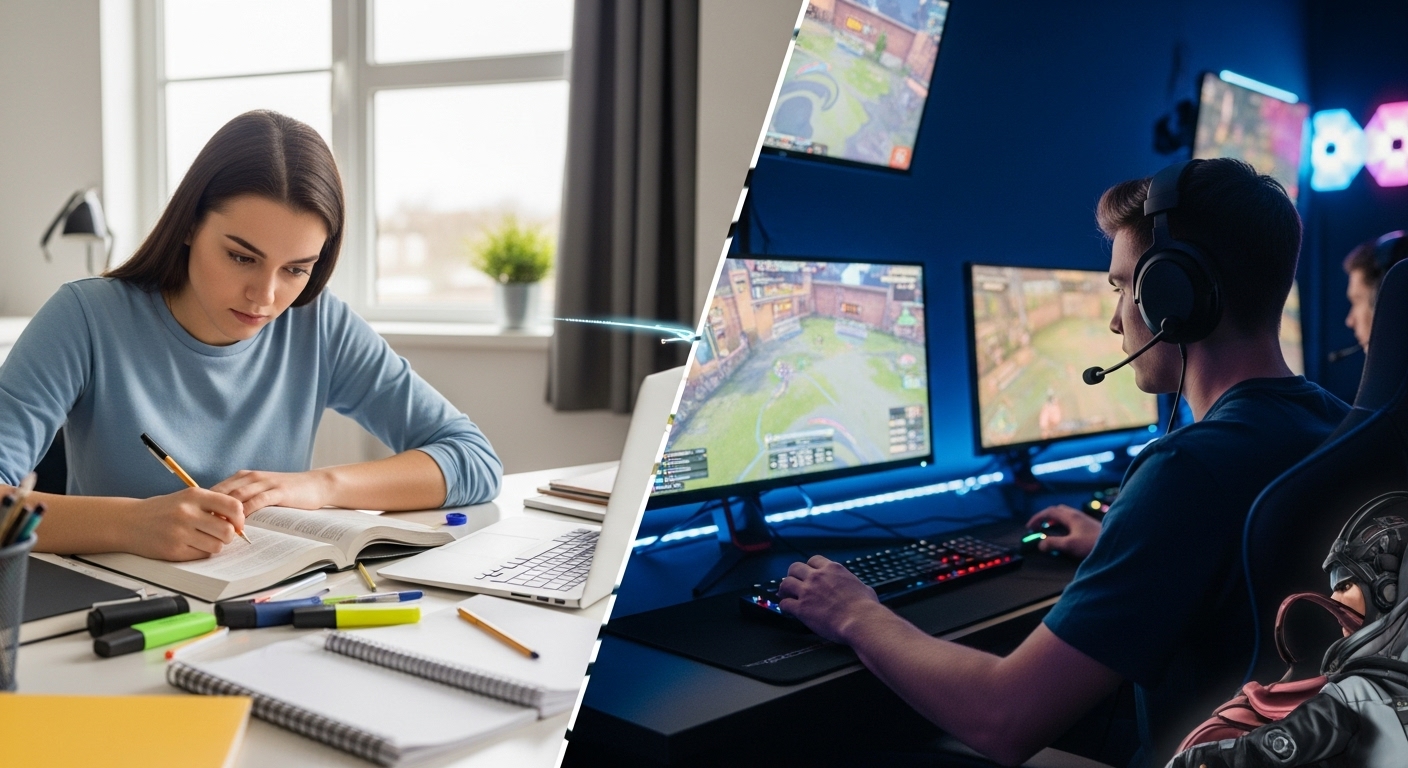
In recent years, esports has transitioned from being a niche hobby to a globally recognized industry. With professional tournaments, lucrative sponsorships, and dedicated fanbases, gaming is no longer just a pastime—it’s a viable career path. However, for younger players especially, balancing esports with education presents a unique set of challenges. Unlike traditional sports, esports demands not only physical and mental stamina but also exceptional time management skills to juggle studies and gaming commitments. This article explores how gamers manage this delicate balance and what strategies they employ to excel in both arenas.
The Rise of Esports Among Students
Esports has seen exponential growth in the last decade. According to Newzoo’s Global Esports Market Report, the industry is expected to surpass $2.5 billion in revenue, with millions of players and fans participating worldwide. Among these players, a significant portion are students, ranging from high school to university.
For many students, esports is more than a hobby. Collegiate esports programs now exist in numerous countries, offering scholarships, competitive teams, and structured training environments. Universities such as the University of California, Irvine, and Harrisburg University have integrated esports programs that provide academic support alongside professional-grade coaching. For student gamers, this opens the door to pursuing esports while continuing their education—but it also introduces unique challenges.
Challenges of Balancing Education and Esports
1. Time Management
The most significant challenge for student gamers is time management. Esports training can require 4–8 hours a day, including individual practice, team scrimmages, and strategy reviews. Adding in school assignments, study sessions, and exams creates an intense schedule.
For example, a university student preparing for a major tournament may spend evenings reviewing strategies and playing practice matches. Meanwhile, deadlines for essays, lab reports, or group projects demand equal attention. The mental strain of constantly switching between gaming and academic tasks can lead to burnout if not carefully managed.
2. Social and Lifestyle Pressures
Balancing social life, extracurricular activities, and personal time is another challenge. Gamers may feel isolated if they dedicate most of their free time to gaming, potentially missing out on social interactions that are crucial for personal development. Conversely, overcommitment to social or academic activities can compromise gaming performance, especially for those competing in high-stakes tournaments.
Additionally, lifestyle habits, including sleep schedules, nutrition, and exercise, are often disrupted by late-night gaming sessions. Poor lifestyle management can impact both academic performance and in-game performance.
3. Academic Expectations
Many parents and educators remain skeptical about esports as a legitimate career path, which can create additional pressure on students to excel academically. Some students are caught between pursuing their passion for gaming and meeting traditional academic expectations, resulting in stress and potential conflicts at home or in school.
Strategies Gamers Use to Balance Both Worlds
Despite these challenges, many students successfully manage their dual commitments. The following strategies are commonly employed by esports players to balance education and gaming:
1. Structured Scheduling
A well-structured daily schedule is crucial. Top student gamers often treat their academic responsibilities and gaming practice with equal priority. They allocate specific time blocks for studying, training, and rest. Tools like digital planners, calendar apps, and time-tracking software help in maintaining consistency.
For example, a student might dedicate 2–3 hours in the morning to classes and assignments, followed by a practice session in the afternoon, and lighter gaming in the evening. Adhering to such structured schedules ensures that neither academics nor gaming suffers.
2. Prioritization and Goal Setting
Balancing education and esports requires careful prioritization. Students often set short-term and long-term goals for both areas. Academic goals may include maintaining a certain GPA or completing assignments on time, while gaming goals might involve improving rank, mastering a specific character, or winning tournaments.
By prioritizing tasks based on deadlines and importance, students can focus on what matters most at any given time. Gamers also learn to recognize when to step back from gaming to focus on academics, particularly during exam periods.
3. Effective Communication
For student gamers involved in team-based esports, communication with coaches, teammates, and professors is essential. Informing instructors about esports commitments or tournament schedules can sometimes lead to flexible deadlines or accommodations. Similarly, maintaining open communication with team members ensures that practice schedules remain manageable and do not conflict with academic obligations.
4. Leveraging Online and Hybrid Learning
The rise of online education has made it easier for student gamers to pursue their studies alongside esports. Many universities now offer hybrid learning models that allow students to attend lectures virtually or access recorded sessions. This flexibility enables gamers to participate in tournaments without missing crucial classes.
For high school students, online tutoring and digital resources can provide additional academic support during busy esports seasons.
5. Integrating Physical and Mental Wellness
Successful student gamers recognize the importance of physical and mental health. Regular exercise, a balanced diet, and proper sleep are essential for maintaining focus and reaction times in gaming, as well as cognitive function in academics. Many players incorporate short workout routines, mindfulness practices, or relaxation techniques into their daily schedules.
Mental wellness is particularly important for preventing burnout. Taking short breaks from gaming, engaging in hobbies, or spending time with friends and family can help maintain a healthy balance.
The Role of Esports Organizations and Schools
Many educational institutions and esports organizations have recognized the need to support student gamers. Some provide:
- Academic support services: Tutors or study groups tailored to esports students.
- Flexible scheduling: Allowing players to adjust class attendance or deadlines around tournament schedules.
- Mentorship programs: Connecting students with professional gamers who have successfully balanced education and esports.
- Scholarships: Reducing financial pressures and validating esports as a legitimate pursuit.
These resources significantly ease the challenge of balancing dual commitments.
Case Studies: Successful Student Gamers
1. Lee “Faker” Sang-hyeok
Although he became a professional League of Legends player early, Faker’s dedication to balancing training with personal development was evident in his disciplined practice routine and structured lifestyle. His focus on time management and mental wellness set a precedent for aspiring student gamers.
2. Anna “supergirl” Smith
A collegiate esports player in North America, Anna successfully managed her coursework in computer science while competing in collegiate tournaments. She credits her success to a strict schedule, open communication with professors, and integrating online learning into her routine.
Challenges Unique to International Students
International students pursuing esports face additional hurdles, such as travel for tournaments, visa regulations, and cultural adjustments. Balancing academic responsibilities with frequent travel requires meticulous planning. Universities with strong esports programs often provide dedicated support staff to assist international gamers with scheduling, accommodations, and academic compliance.
Technology as an Ally
Technology has played a pivotal role in helping student gamers balance education and esports. Tools such as:
- Time management apps (Trello, Notion)
- Communication platforms (Discord, Slack)
- Learning management systems (Canvas, Blackboard)
enable students to track assignments, coordinate with teams, and access learning materials remotely. Technology not only streamlines the process but also fosters accountability and efficiency.
Long-Term Implications
Balancing education and esports equips student gamers with valuable life skills, including:
- Time management: Juggling academics and gaming hones organizational abilities.
- Resilience: Handling pressure from both arenas builds mental toughness.
- Teamwork: Coordinating with teammates fosters collaboration skills applicable in workplaces.
- Goal-oriented mindset: Setting and achieving objectives in both gaming and studies translates into career readiness.
Even for students who ultimately choose a traditional career path over professional gaming, the skills acquired during this balancing act are highly transferable.
Parental and Educator Support
Support from parents and educators plays a critical role. Students who receive encouragement and guidance in pursuing esports alongside academics are more likely to succeed. Educating parents on the legitimacy of esports as a career, along with demonstrating disciplined study habits, can alleviate concerns and foster a supportive environment.
Future Trends in Education and Esports Integration
As esports continues to grow, educational institutions are increasingly integrating gaming into academic structures. Some trends include:
- Esports-focused curricula: Offering courses in game design, esports management, and strategy analysis.
- Dual-career pathways: Programs allowing students to simultaneously pursue competitive gaming and higher education.
- Mental and physical wellness programs: Tailored to support the unique demands of student gamers.
- Scholarship expansion: Increasing opportunities for students to fund both education and esports training.
These trends indicate that future generations may find it increasingly feasible to excel in both academics and esports.
Conclusion
Balancing education and esports is no easy feat. It requires discipline, effective time management, and a supportive environment. Yet, with the right strategies, student gamers can excel academically while pursuing their passion for esports. Structured schedules, goal setting, communication, leveraging technology, and prioritizing wellness are key to maintaining this balance.
Esports is no longer just a hobby—it’s a professional avenue offering real opportunities for young gamers. By developing the skills to manage both education and esports successfully, students not only enhance their chances of success in gaming but also acquire lifelong skills that serve them well beyond the gaming arena.