
Introduction: The Rise of Esports
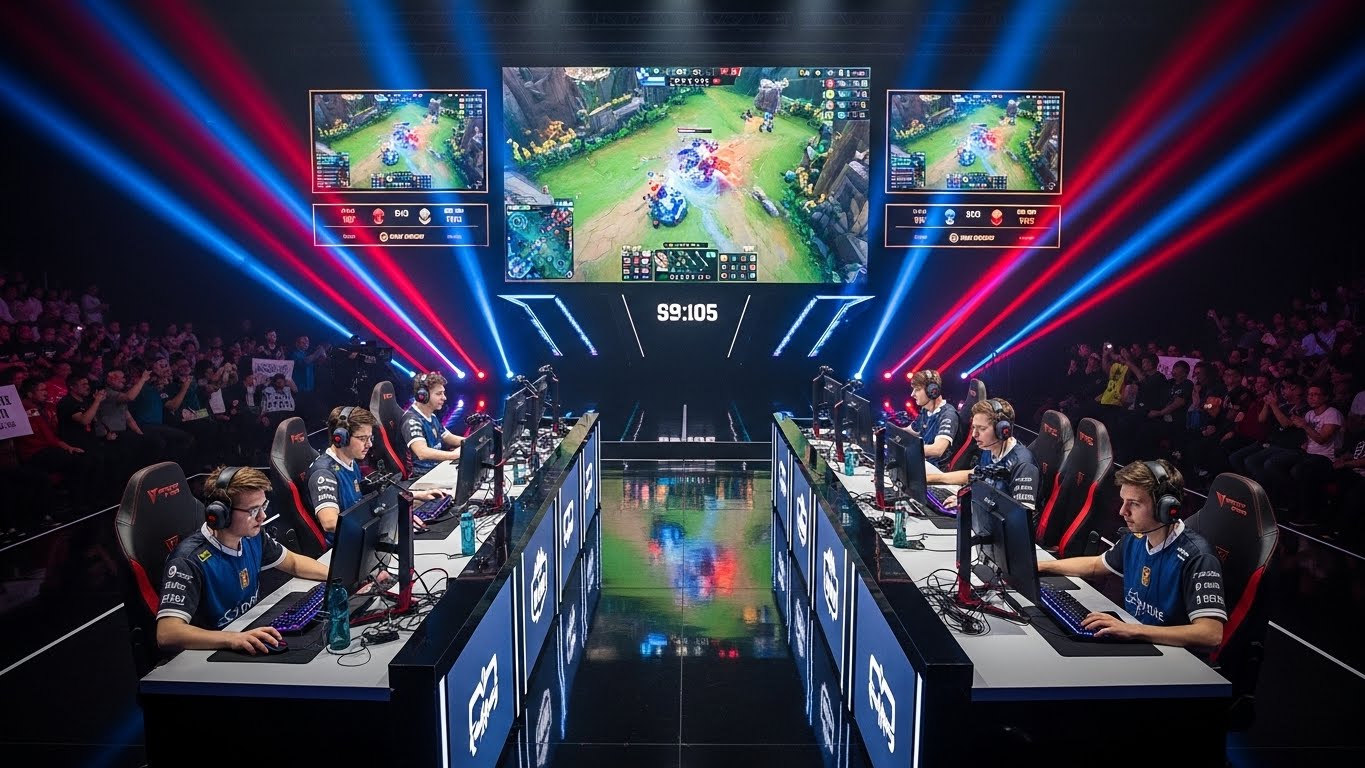
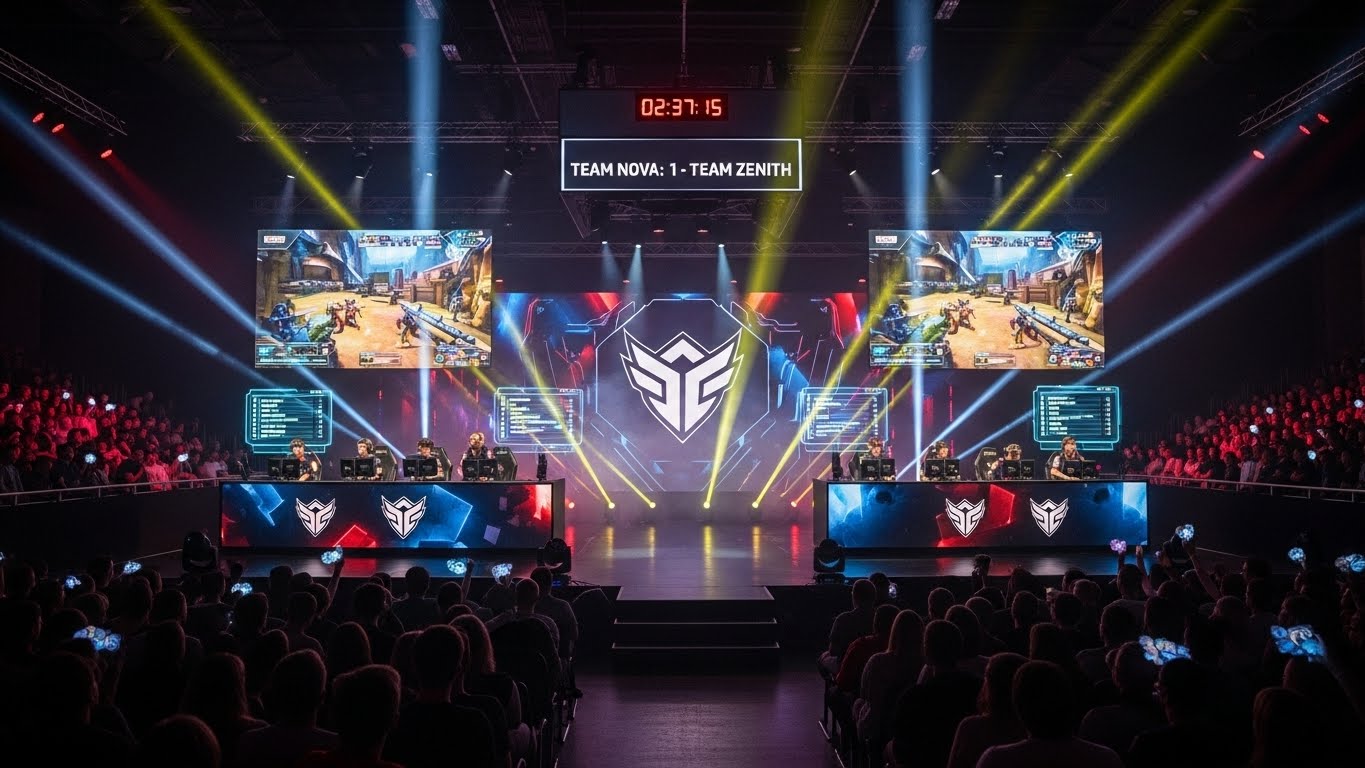
Esports, short for electronic sports, has grown exponentially from a niche hobby to a global phenomenon that captures the attention of millions. Competitive video gaming has evolved from casual LAN parties and underground tournaments into an industry worth billions, with a fanbase that rivals traditional sports. The rapid rise of esports is not only a testament to the increasing popularity of gaming but also to its status as a legitimate form of competition, entertainment, and cultural expression. In this blog, we explore the journey of esports from its humble beginnings to its status as a global entertainment giant, and its lasting impact on gaming culture, professional sports, and society as a whole.
The Origins of Esports: From Arcade Games to Competitive Tournaments
The roots of esports can be traced back to the early days of video gaming. In the 1970s, the first competitive video game, Spacewar, was played at various colleges in the United States, but it was not until the 1980s that competitive gaming began to take shape. One of the earliest recorded tournaments took place in 1980 when Space Invaders hosted a nationwide competition. This marked the beginning of what would eventually evolve into the world of esports.
The 1990s saw the advent of online gaming, which played a pivotal role in the growth of competitive gaming. As the internet became more widespread, games like Quake, StarCraft, and Warcraft attracted a growing number of players who competed online. The launch of online multiplayer platforms like Battle.net (Blizzard Entertainment’s online service) gave birth to the first truly global esports communities. These games allowed players from different parts of the world to compete against each other, laying the foundation for the modern esports ecosystem.
In the late 1990s and early 2000s, the first major international esports tournaments began to emerge. Events such as the World Cyber Games (WCG) and the Electronic Sports World Cup (ESWC) marked the transition from local LAN parties to global competitions. These tournaments, though small by today’s standards, attracted large numbers of players and fans, foreshadowing the massive scale esports would achieve in the coming decades.
The Boom of Esports: How Streaming and Social Media Revolutionized the Industry
While esports was steadily growing in the early 2000s, it wasn’t until the mid-2000s that the industry truly exploded. The rise of streaming platforms like Twitch played a crucial role in the industry’s meteoric growth. Founded in 2011, Twitch allowed gamers to live-stream their gameplay to a global audience, democratizing the way fans interacted with esports. No longer were esports fans limited to watching in person or on TV—now they could watch professional tournaments and streamers live, from anywhere in the world.
The appeal of streaming went beyond just watching professional players. Platforms like Twitch and YouTube Gaming enabled content creators to build massive audiences around their gameplay. Streamers and influencers became household names, thanks to the millions of viewers who tuned in to watch them play League of Legends, Fortnite, Valorant, and other popular games. The ability to engage with fans in real-time created a sense of community and helped foster deep, personal connections between players and their audiences. This new form of digital interaction brought esports into the mainstream and accelerated its popularity worldwide.
In addition to streaming, social media platforms like Twitter, Facebook, and Instagram allowed esports personalities and teams to build their brands, interact with fans, and promote tournaments. The synergy between esports and social media created an ecosystem that was highly interactive, enabling fans to feel like they were a part of the action, rather than just passive observers.
The Business of Esports: Sponsorships, Prize Money, and the Rise of Pro Leagues
With the increasing popularity of esports came an influx of investment from major corporations and brands. What was once a relatively small industry quickly transformed into a multimillion-dollar business. Major companies, including Coca-Cola, Intel, Nike, and Mercedes-Benz, began sponsoring esports events, teams, and players. These sponsorships were a clear indicator that esports had become a serious business, attracting mainstream interest from advertisers and brands looking to tap into the lucrative gaming demographic.
Esports tournaments, once small-scale affairs, now offer prize pools worth millions of dollars. The annual Dota 2 tournament, The International, is a prime example, with a prize pool that has exceeded $40 million in recent years. League of Legends‘ World Championship, Fortnite‘s World Cup, and other high-profile tournaments also offer substantial rewards for the best teams and players. The growing prize money is a reflection of esports’ profitability and its status as a serious competitive arena.
In addition to prize money, professional esports players are now making substantial salaries. Top-tier players can earn a living through tournament winnings, sponsorships, and streaming revenue. Esports organizations—similar to traditional sports teams—sign players, provide coaching and training, and manage their careers. Some of the largest esports organizations, such as Cloud9, Fnatic, and Team Liquid, have multi-million dollar operations, which include not only professional players but also coaching staff, analysts, and content creators.
Esports has also given rise to dedicated professional leagues for various games. The Overwatch League, Call of Duty League, and LCS (League of Legends Championship Series) are examples of structured leagues with regular seasons, playoffs, and championships. These leagues operate much like traditional sports leagues, complete with teams, schedules, and television broadcasts. The success of these leagues shows that esports has firmly established itself as a mainstream sport.
The Esports Audience: A Global Community
One of the most remarkable aspects of esports is the size and diversity of its audience. Unlike traditional sports, where viewership is often limited to specific regions, esports has a truly global fanbase. Fans from all over the world watch tournaments, support their favorite teams, and interact with players on social media. The language of esports is universal, with players and fans bonding over shared interests and common goals.
Streaming platforms like Twitch and YouTube Gaming have played a key role in building this global community. Tournaments like The International and League of Legends Worlds draw millions of viewers, with fans from every continent tuning in to watch their favorite teams compete. Esports events are often broadcast in multiple languages, making it easy for fans around the world to participate and follow the action.
The diversity of esports fans is also reflected in the wide variety of games played at the professional level. While League of Legends, Dota 2, and Counter-Strike: Global Offensive dominate the competitive scene, games like Rocket League, Valorant, PUBG, and Hearthstone also have dedicated followings and professional leagues. This variety helps ensure that esports appeals to a broad audience, with something for everyone, whether they prefer fast-paced shooters or strategy-driven MOBAs (Multiplayer Online Battle Arenas).
Esports and Its Cultural Impact
The rise of esports has had a profound cultural impact, not only on the gaming community but also on the broader entertainment industry. Esports has helped to legitimize gaming as a form of professional competition, challenging the traditional perception of video games as a form of mere entertainment. Professional gamers are now regarded as athletes, with the same level of dedication, discipline, and skill as those in traditional sports.
Esports has also helped reshape perceptions of video games as a hobby. What was once considered a pastime for young people has evolved into a respected and lucrative career path. The growing recognition of esports has led to the development of esports programs at universities, with scholarships available to talented players. Some universities even have their own esports teams, which compete in intercollegiate leagues and tournaments.
Moreover, esports has had a significant impact on other forms of entertainment. The rise of gaming as a competitive sport has led to collaborations with traditional media, including the broadcasting of major tournaments on television networks like ESPN and TBS. These broadcasts are often accompanied by expert commentary and analysis, similar to how traditional sports are covered. As esports continues to grow, it will likely play an increasingly prominent role in the entertainment industry, bridging the gap between gaming and mainstream culture.
The Future of Esports
The future of esports looks incredibly bright. As technology continues to advance, esports will only become more immersive and exciting. The rise of virtual reality (VR) and augmented reality (AR) could revolutionize the way esports competitions are played and experienced. With 5G technology on the horizon, faster internet speeds will make online gaming smoother and more reliable, opening up new possibilities for global tournaments.
Esports will continue to grow in popularity, with more games being developed for competitive play and more countries hosting major tournaments. The infrastructure supporting esports will also continue to evolve, with improved arenas, training facilities, and player support systems. The professionalization of the industry will lead to more stable careers for players, coaches, and staff, making esports a viable long-term career option.
Additionally, the increasing popularity of mobile esports could bring new audiences into the fold. As smartphones and tablets become more powerful, mobile gaming will play a larger role in competitive gaming. Mobile esports tournaments have already begun to emerge in regions like Southeast Asia, and this trend will only grow as mobile gaming technology improves.
Conclusion: Esports Is Here to Stay
Esports has come a long way from its humble beginnings, evolving into a global entertainment industry that is reshaping the way we think about competition and entertainment. With its growing fanbase, lucrative prize pools, and professional leagues, esports is firmly established as a legitimate form of sport and entertainment. The cultural impact of esports extends