Introduction: The Rise of a Digital Phenomenon
Esports, once considered a niche hobby, has evolved into a global phenomenon that rivals traditional sports in audience, revenue, and cultural influence. Competitive gaming has transformed from casual play among friends into a structured, professional industry with leagues, tournaments, sponsorships, and international fan bases. Today, esports is not just a pastime—it is a serious career path, an entertainment powerhouse, and a cultural movement that redefines the concept of competition.
This article explores the evolution of esports, its impact on players and audiences, the economics of the industry, and the future of competitive gaming in a digital world.
The Origins of Esports: From Arcades to Online Arenas
Esports began modestly in the 1970s and 1980s with arcade competitions and local tournaments. Games like Pong and Space Invaders offered early competitive experiences, though prizes were small and audiences were limited. As technology progressed, PC and console games introduced multiplayer functionality, enabling players to compete beyond local communities.
The 1990s marked a turning point with games like Quake, StarCraft, and Counter-Strike. These titles built the foundation for online competition, allowing players from different regions to challenge each other. Early tournaments emerged, providing cash prizes and recognition, which motivated players to take gaming seriously. The internet era transformed these local competitions into global events, laying the groundwork for the professional esports industry we know today.
Popular Esports Titles and Their Communities
The explosive growth of esports can be attributed to the popularity of specific game titles. Multiplayer online battle arenas (MOBAs), first-person shooters (FPS), and real-time strategy (RTS) games dominate the competitive scene.
Games like League of Legends, Dota 2, Fortnite, Call of Duty, and Overwatch attract millions of players and viewers worldwide. Each title fosters a unique community with its own culture, strategies, and fan engagement. These communities are not just fans—they are active participants in tournaments, discussions, and content creation.
The massive prize pools in games like Dota 2’s The International, which reaches tens of millions of dollars, highlight the competitive and professional nature of esports. The combination of skill, strategy, and teamwork makes these games compelling for both players and viewers.
The Role of Streaming Platforms
One of the driving forces behind esports’ popularity is the rise of streaming platforms. Services such as Twitch, YouTube Gaming, and other live-streaming platforms allow audiences to watch tournaments, interact with players, and experience games in real time.
Streaming has transformed esports into an interactive spectacle. Fans no longer passively watch; they comment, share, and participate in the action. Streamers and professional players have become digital celebrities, blending entertainment and competition. These platforms also democratize content creation, allowing smaller communities and up-and-coming players to gain exposure and recognition.
Professional Players and the Esports Career Path
Esports has created a new breed of athletes—the professional gamer. These players dedicate hours to practice, strategy, teamwork, and physical and mental fitness. Professional teams often employ coaches, analysts, and support staff to optimize performance, mirroring the structure of traditional sports teams.
The life of a professional gamer is demanding. Long hours of training, high-pressure tournaments, and extensive travel are common. Mental resilience and focus are as critical as in traditional sports. The rewards, however, can be significant, including sponsorship deals, tournament winnings, and global recognition.
Esports careers are not limited to players. There are opportunities in management, event organization, content creation, commentary, marketing, and game development. The industry provides a wide array of professional possibilities, making esports a comprehensive career ecosystem.
Major Tournaments and Global Events
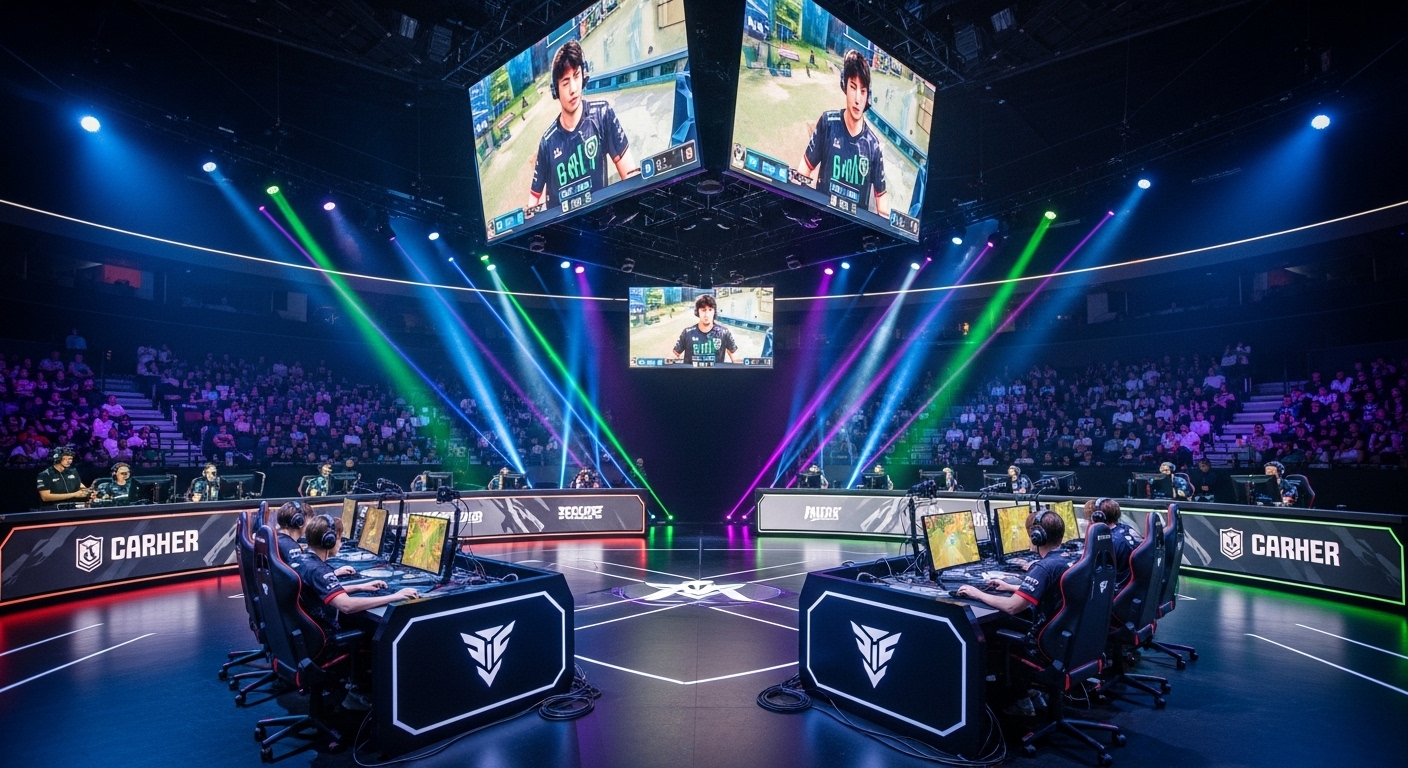
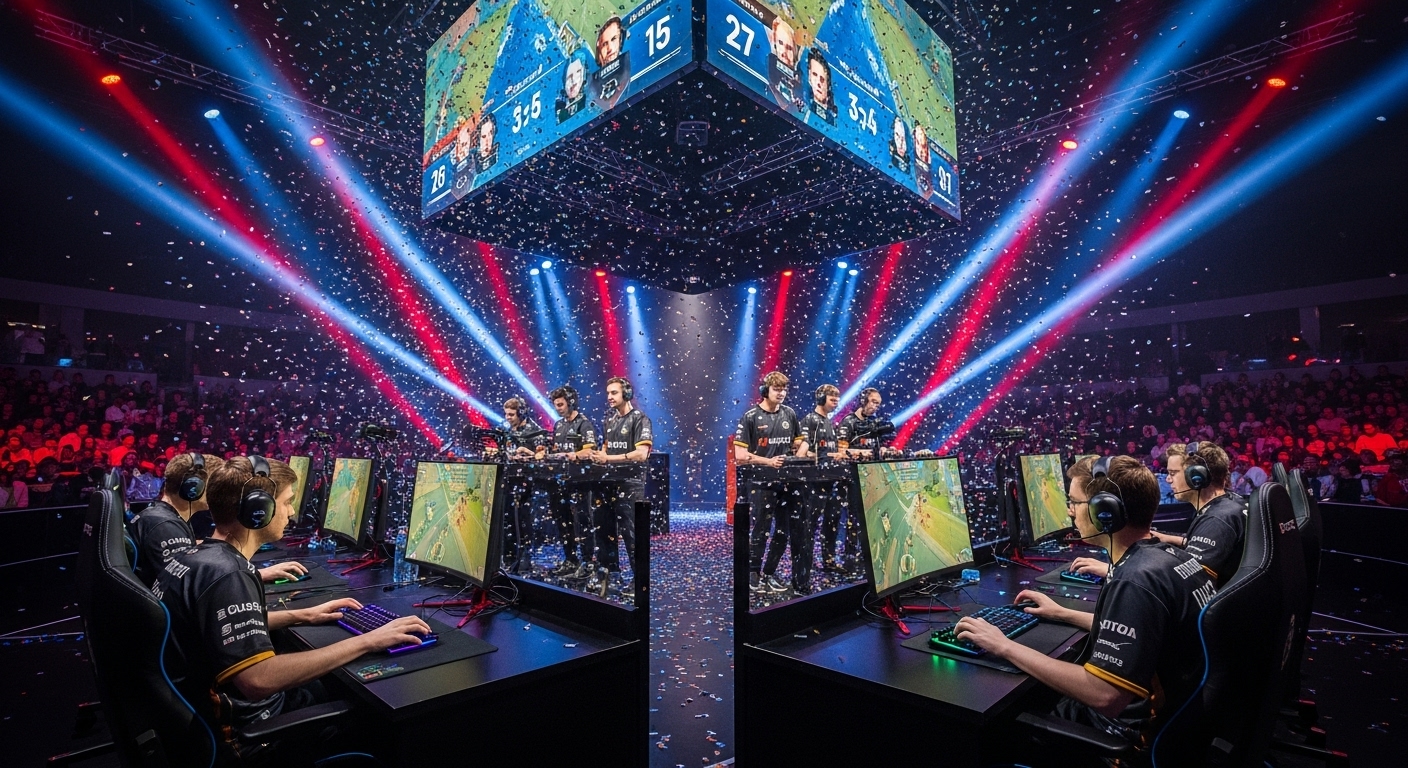
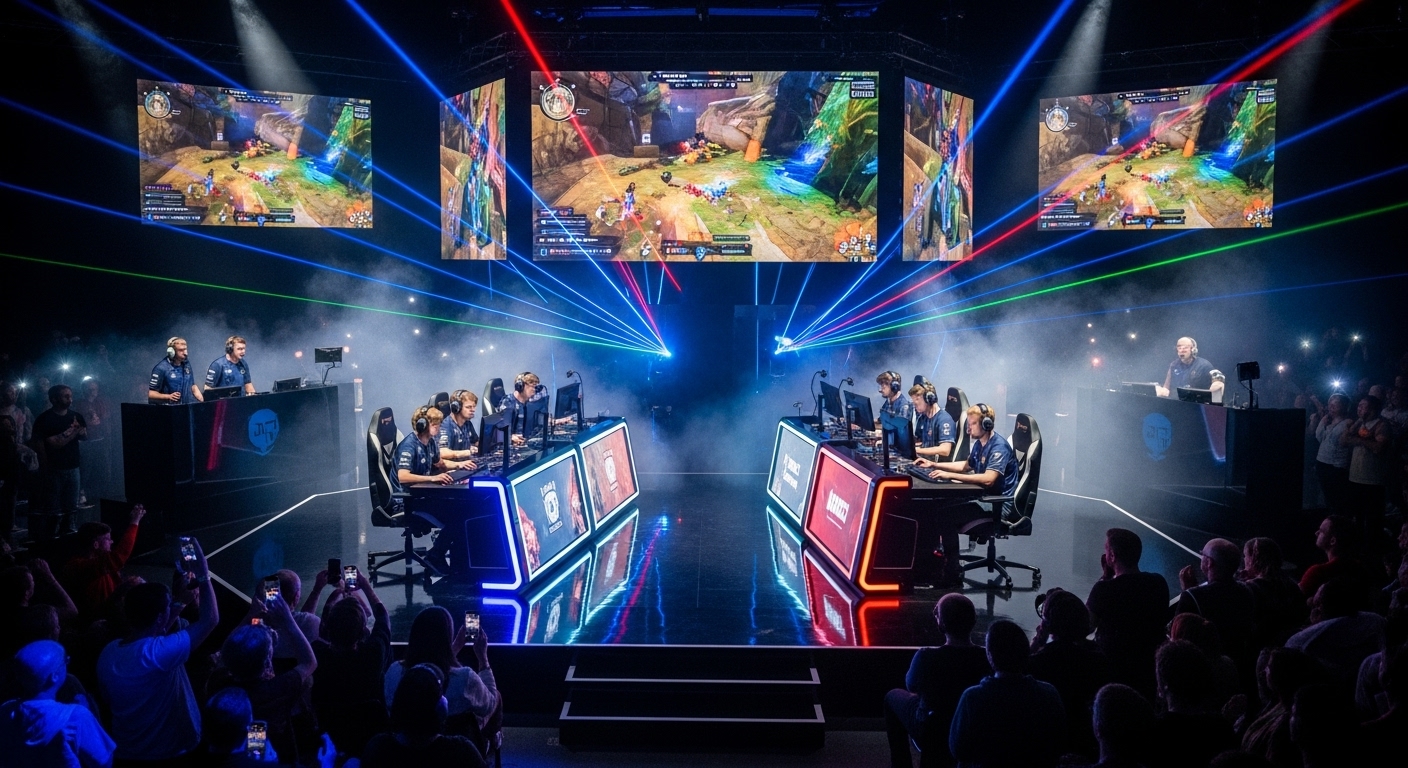
Esports tournaments have grown in scale and prestige. Events like the League of Legends World Championship, Dota 2’s The International, and EVO attract millions of viewers worldwide. Some tournaments are even hosted in large stadiums, filling seats comparable to traditional sporting events.
Tournaments serve as cultural festivals, celebrating gaming and technology. Fans travel internationally to attend events, cosplayers showcase their creativity, and companies demonstrate cutting-edge gaming technology. These competitions offer more than just prizes—they create global communities and shared experiences, solidifying esports as a legitimate and celebrated activity.
Esports and Its Cultural Influence
Esports is reshaping modern culture. Gaming has transitioned from a hobby to a respected profession, and professional players serve as role models for younger generations. The esports culture promotes skills such as teamwork, strategic thinking, communication, and problem-solving.
Esports also fosters inclusivity. Unlike traditional sports, it is less dependent on physical attributes, allowing people of various ages, genders, and abilities to compete on equal footing. Communities built around esports are global and diverse, breaking barriers of language, geography, and culture.
The Business of Esports
The esports industry is a multi-billion-dollar enterprise. Revenue comes from multiple streams, including sponsorships, advertising, media rights, merchandise, and tournament winnings. Major brands recognize esports as a vital way to reach younger audiences, investing heavily in teams, events, and content.
Teams and organizations operate professionally, with investors, managers, and marketing experts. Media rights and streaming platforms also contribute significant revenue, monetizing content through subscriptions, advertisements, and exclusive broadcasting deals. Esports has become a highly lucrative ecosystem that attracts both talent and investment from around the world.
Challenges Facing Esports
Despite its rapid growth, esports faces significant challenges. Mental health concerns are prevalent among professional players due to long hours, high stress, and constant performance pressure. Organizations are now focusing on support systems, including counseling and fitness programs.
Cheating, hacking, and unethical behavior threaten the integrity of competitions. Developers and tournament organizers must constantly innovate to ensure fairness. Additionally, the perception of esports as a “real sport” is still debated, with some critics questioning the physical demands compared to traditional athletics. The industry continues to educate audiences and reinforce the skill, dedication, and professionalism required to compete at the highest levels.
Esports in Education
Esports is increasingly being integrated into educational institutions. Schools and universities now offer programs, scholarships, and competitive leagues for students interested in gaming. These initiatives provide structured environments for skill development, teamwork, and leadership.
High school and collegiate leagues serve as pipelines for future professional players while teaching essential life skills such as time management, communication, and strategic thinking. By recognizing esports as an educational tool, institutions are legitimizing gaming as a career path and a developmental platform.
The Future of Esports
The future of esports is promising and full of innovation. Emerging technologies such as virtual reality, augmented reality, and cloud gaming will create more immersive and interactive experiences for players and fans. AI-driven analytics will help teams refine strategies and improve performance.
Esports will continue to expand globally, with new regions contributing players, audiences, and content. Collaborations with traditional sports, entertainment industries, and technology companies will further enhance visibility and legitimacy. The industry’s focus on sustainability and accessibility will ensure that esports remains inclusive, ethical, and engaging for all participants.
Conclusion
Esports has transformed competitive gaming into a global cultural and economic phenomenon. From humble beginnings in arcades and local tournaments, it has grown into a professional ecosystem with international recognition. Through tournaments, streaming, education, and professional careers, esports has redefined what it means to compete in the digital age.
As technology advances and audiences continue to grow, esports will remain at the forefront of entertainment, innovation, and cultural influence. It is a testament to the power of digital platforms, human creativity, and the universal appeal of competition. In the world of esports, the game is no longer just a pastime—it is a global stage where skill, strategy, and passion converge.