The Rise of Esports
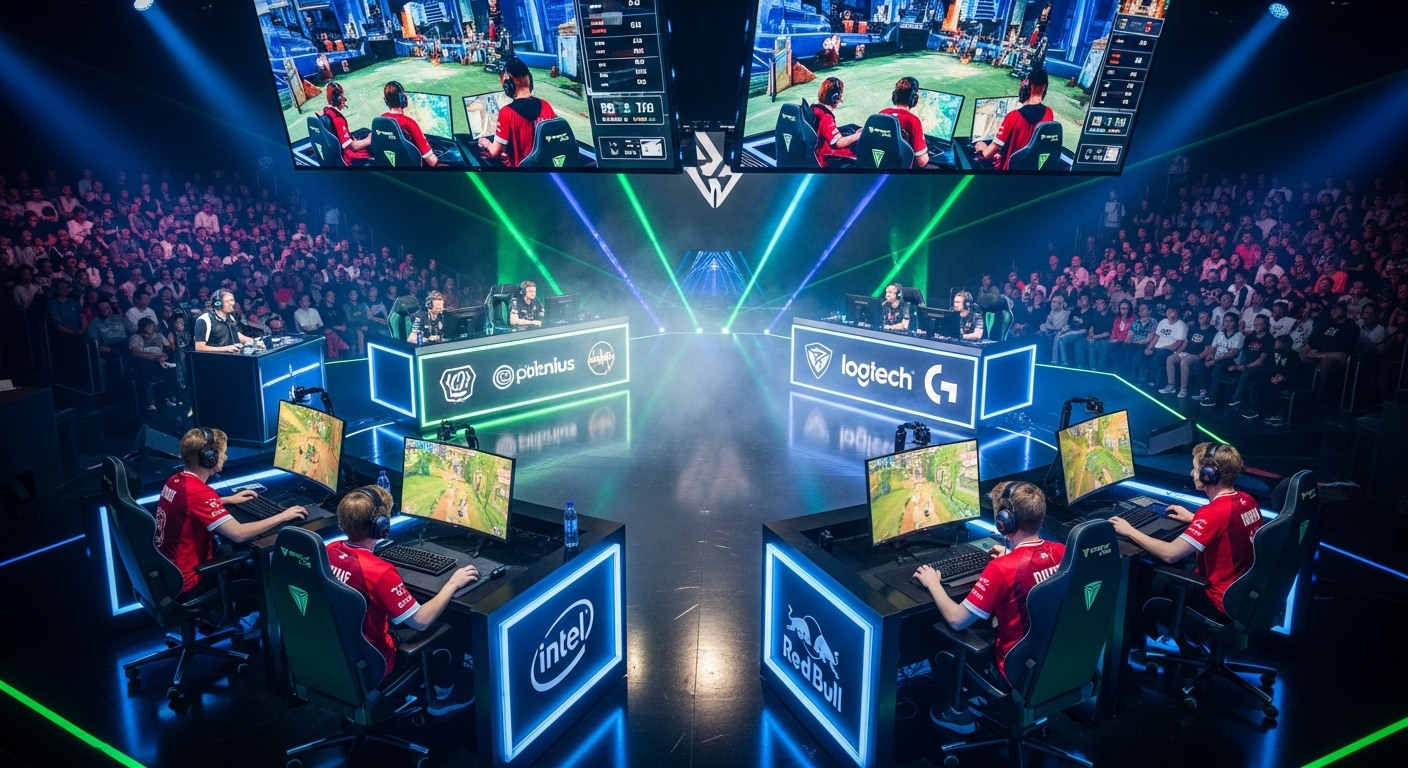
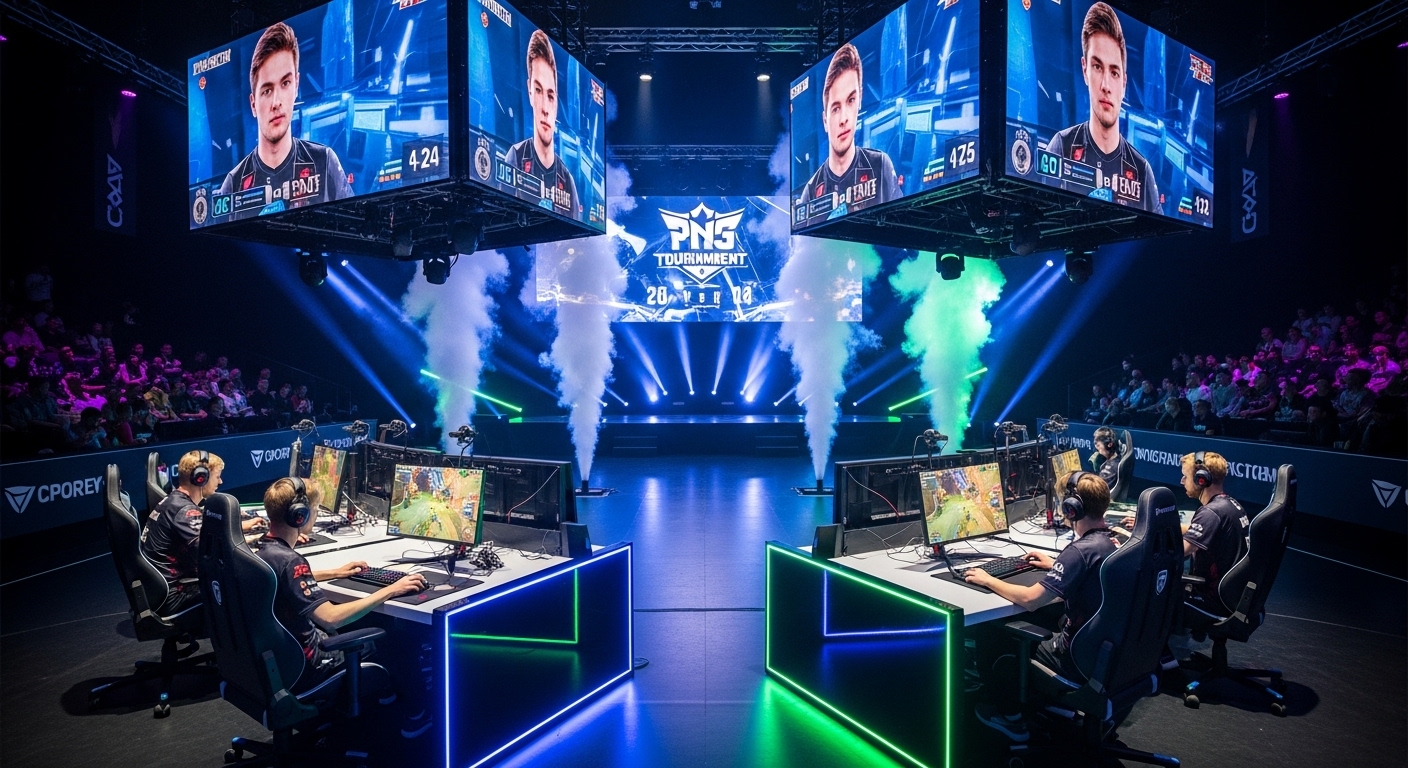
In the last two decades, the world has witnessed a remarkable transformation in how entertainment and competition are perceived. Esports, short for electronic sports, has emerged as one of the most influential and fast-growing industries on the planet. What began as small local gaming tournaments among passionate players has evolved into a billion-dollar global phenomenon. The rise of esports marks not only the evolution of video gaming but also the redefinition of modern sports culture itself.
The origins of competitive gaming can be traced back to the late 20th century when arcades, home consoles, and early computer games brought players together. Games like Space Invaders and Pac-Man in the 1980s sparked the first gaming competitions. However, these early tournaments were more about community and fun than fame and fortune. The real transformation began in the late 1990s and early 2000s with the rise of high-speed internet and multiplayer gaming. Games such as StarCraft, Counter-Strike, and Warcraft III laid the foundation for organized, professional competition.
Today, esports stands at the crossroads of technology, entertainment, and sportsmanship, commanding global audiences in the tens of millions and attracting massive investments from corporations, media networks, and traditional sports teams.
From Hobby to Profession
One of the most fascinating aspects of esports is how it turned a casual hobby into a legitimate profession. In earlier years, playing video games was often dismissed as a pastime for children or teenagers. But as gaming became more accessible and connected, the competitive element began to shine. Players realized that with enough skill, strategy, and teamwork, gaming could become a career.
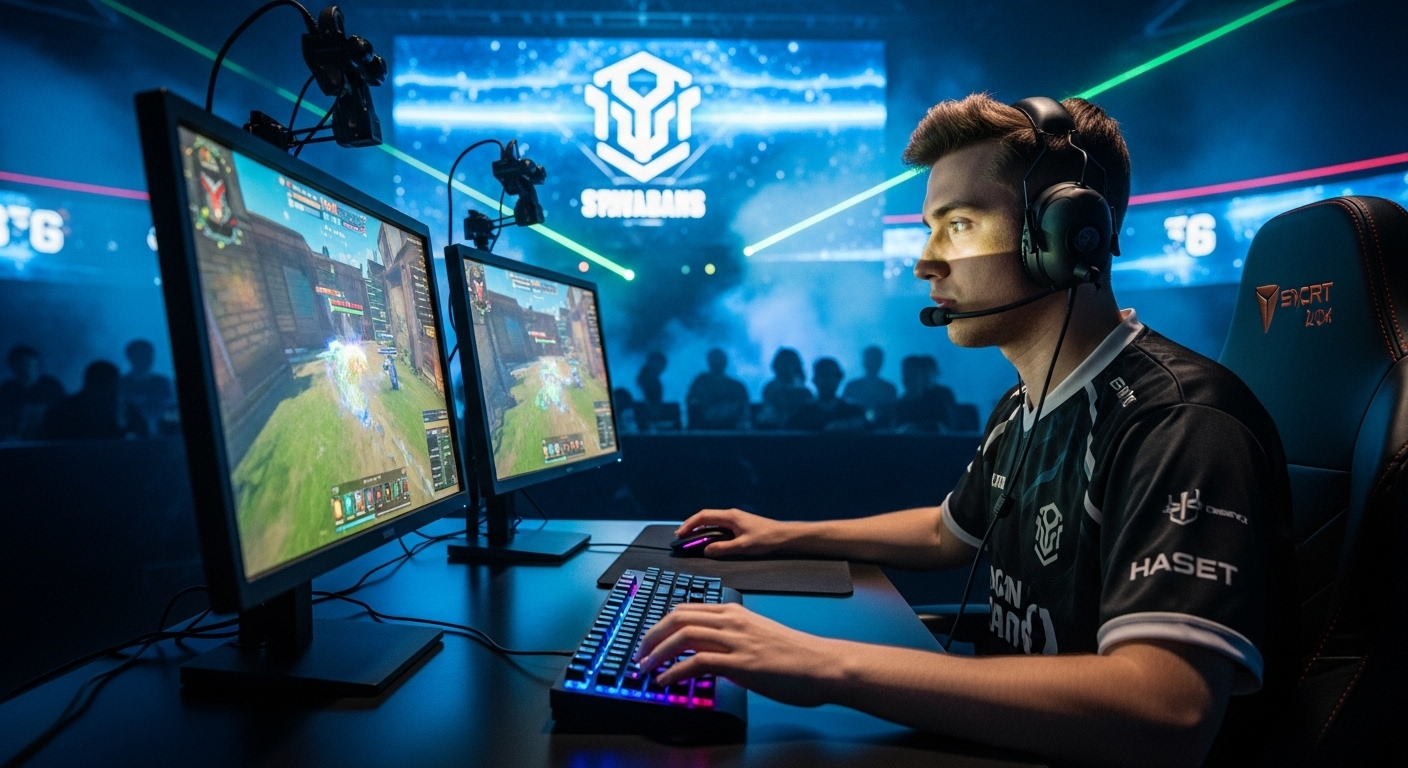
Professional esports players today are comparable to traditional athletes in many ways. They undergo rigorous training schedules, analyze strategies, and participate in tournaments with high stakes. Teams are organized with coaches, analysts, and support staff to ensure optimal performance. Top players can earn millions through tournament winnings, sponsorships, and streaming revenue.
This professionalization of gaming has created entirely new career paths beyond just playing. Commentators, event organizers, graphic designers, game developers, and marketing specialists all contribute to the esports ecosystem. The growth of this industry has shown that gaming is not only entertainment but also a serious and sustainable field of work.
The Games That Shaped Esports
Certain titles have defined the landscape of esports. Each of these games brought unique gameplay mechanics, communities, and cultures that shaped the industry.
League of Legends revolutionized the multiplayer online battle arena (MOBA) genre. Developed by Riot Games, it became one of the most-watched competitive games globally. Its annual World Championship attracts millions of viewers and features some of the most passionate fanbases in gaming.
Dota 2, developed by Valve Corporation, took the MOBA genre to another level with its complexity and depth. The International, Dota 2’s main tournament, holds one of the largest prize pools in esports history, often exceeding tens of millions of dollars.
Counter-Strike: Global Offensive (CS:GO) is another pillar of competitive gaming. Its roots go back to the early 2000s, and it remains a staple of tactical, team-based shooting. The game’s simplicity, skill ceiling, and strategic depth make it a favorite for both players and spectators.
Fortnite brought battle royale gaming into the spotlight, blending creative gameplay with competitive events. It also bridged the gap between pop culture and gaming, hosting concerts and collaborations with celebrities and brands.
Valorant, Overwatch, Call of Duty, and Rocket League have also played significant roles in diversifying the esports scene. Each title has its own dedicated audience, unique mechanics, and vibrant professional community.
The Global Expansion of Esports
What sets esports apart from many traditional sports is its truly global nature. The internet allows players from all corners of the world to compete on equal footing. This accessibility has fostered diversity, innovation, and international collaboration.
Asia, particularly South Korea and China, has long been considered the heart of competitive gaming. South Korea’s early investment in internet infrastructure and gaming culture helped it become a powerhouse in esports. Games like StarCraft became national obsessions, with professional players achieving celebrity status.
China followed closely, building massive esports arenas and fostering a new generation of gamers and fans. Meanwhile, North America and Europe developed their own leagues, such as the Overwatch League and League of Legends Championship Series. These regions have produced world-class players and helped bring esports into mainstream entertainment.
Emerging markets like Southeast Asia, the Middle East, and South America are now rapidly growing hubs for esports. Improved internet access, affordable devices, and a young population are fueling a surge in both players and viewers.
The Role of Streaming and Media
One of the main drivers of esports’ success has been the power of digital streaming. Platforms dedicated to live streaming transformed how people watch and engage with competitive gaming. Unlike traditional sports broadcasts, esports streams allow for real-time interaction between players, commentators, and fans.
Streaming made esports accessible to anyone with an internet connection. It also gave rise to a new form of celebrity — the gaming streamer. Many professional players use streaming not only as a source of income but also as a way to connect with fans. This relationship between content creation and competition blurs the lines between athlete and entertainer, creating a unique hybrid role within digital culture.
Major media companies have also entered the esports space, broadcasting tournaments and investing in production quality. The integration of traditional media with gaming platforms signifies the growing legitimacy and commercial potential of esports.
The Economics of Esports
The financial ecosystem surrounding esports is vast and dynamic. Revenue streams come from sponsorships, advertisements, media rights, merchandise, and ticket sales. Major companies in technology, energy drinks, and apparel have poured resources into esports, recognizing its potential to reach younger, tech-savvy audiences.
Tournaments like The International or the League of Legends World Championship feature massive prize pools funded by both developers and the community. Game publishers have realized that supporting competitive scenes boosts long-term engagement and revenue.
Franchise-based leagues have also become more common, with teams purchasing slots worth millions. These structured leagues mirror traditional sports organizations, complete with home cities, branding, and fan engagement strategies.
As esports continues to grow, financial sustainability remains a key focus. Balancing profitability with community integrity is crucial to avoid the pitfalls of over-commercialization.
The Cultural Impact of Esports
Esports is not just a form of entertainment; it is a cultural movement that reflects the values and trends of modern society. It has redefined what it means to be an athlete, a fan, and even a community member in the digital era.
Esports has created a sense of belonging for millions around the world. Online communities foster friendships, teamwork, and shared passion. Many young people find inspiration and motivation through gaming, seeing it as a way to express themselves and connect globally.
The integration of esports into mainstream culture can be seen through its presence in music, fashion, and film. Major artists collaborate with gaming brands, and esports-themed merchandise is now part of streetwear culture. Universities and schools even offer esports scholarships and degrees, recognizing its importance as both a career path and an academic discipline.
The Challenges Facing Esports
Despite its impressive growth, esports faces significant challenges. One of the primary issues is the lack of a unified governing body. Unlike traditional sports with established institutions, esports is fragmented across different games and organizations. This makes standardization of rules, player rights, and event management difficult.
Another challenge is the mental and physical health of players. The pressure to perform, combined with long hours of practice, can lead to burnout and stress. Many organizations are now emphasizing health management, nutrition, and psychological support for players.
Toxicity in gaming communities is also a persistent issue. Developers and organizations are working to foster inclusivity, fair play, and positive behavior. Additionally, concerns about cheating, match-fixing, and integrity remain constant threats that require ongoing regulation and vigilance.
The financial sustainability of smaller tournaments and teams can also be uncertain. While top-tier events thrive, grassroots organizations often struggle with limited funding and exposure. Ensuring that the esports ecosystem remains balanced and supportive at all levels is vital for its long-term health.
The Future of Esports
Looking ahead, the future of esports appears promising and boundless. As technology evolves, so too will the ways we experience competitive gaming. Virtual reality, augmented reality, and artificial intelligence are likely to shape the next generation of esports.
Cross-platform play and cloud gaming will make competition even more accessible. This democratization of gaming ensures that skill, not hardware, defines success. Esports may also expand into new genres, blending traditional sports with digital innovations.
Education and career development within esports are expected to grow. With universities offering specialized courses, the next wave of professionals will be better equipped to handle the business, management, and ethical challenges of the industry.
Furthermore, esports could play an important role in bridging generational and cultural divides. As gaming becomes more integrated into daily life, it offers opportunities for collaboration, creativity, and global understanding.
The Human Element Behind the Screen
At its core, esports is about people — the players who dedicate their lives to mastering their craft, the fans who support them, and the teams that bring everything together. Behind every click, strategy, and victory lies a story of determination, teamwork, and passion.
While technology enables esports, it is human ambition that drives it. Players practice tirelessly, often starting at a young age, to achieve excellence. Their journeys mirror those of athletes in traditional sports, complete with moments of triumph and heartbreak.
Esports also provides hope and opportunity. For many, gaming represents a way to overcome barriers, whether geographical, financial, or social. It empowers individuals to express themselves and to find success in a world that increasingly values digital skills and creativity.
Conclusion
Esports has come a long way from its humble beginnings in arcade halls and internet cafés. It stands today as a testament to how far technology, culture, and human imagination can go when combined. What was once considered a pastime is now a global stage of strategy, teamwork, and innovation.
As we move deeper into the digital age, esports will continue to evolve — shaping and being shaped by the world around it. Its journey is not just about games but about the people, communities, and stories that make it extraordinary. The power of esports lies in its ability to unite individuals across borders, turning pixels into passion, and competition into a shared celebration of human creativity.