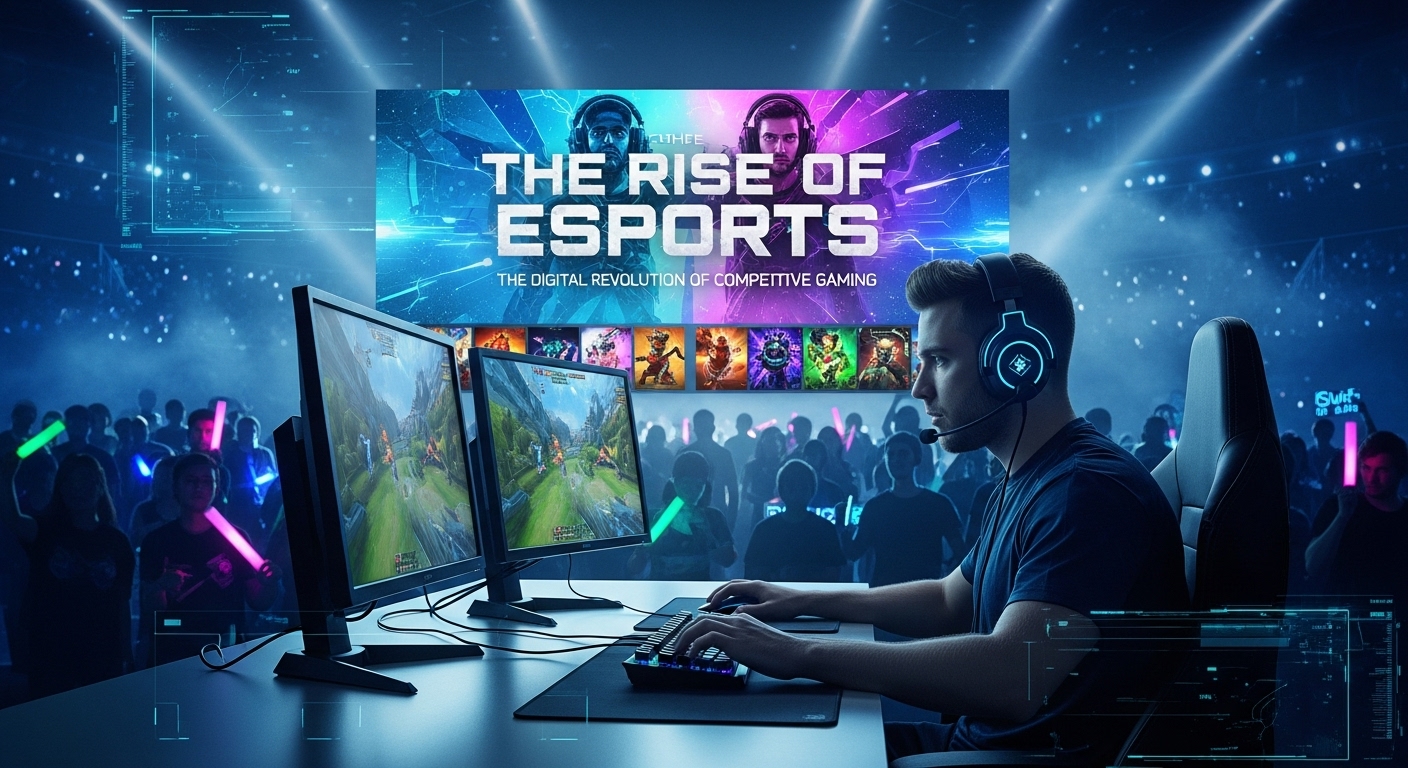
Esports has evolved from a niche hobby into a global phenomenon that captivates millions of fans, inspires aspiring gamers, and shapes the future of digital entertainment. What began as small competitions between friends has transformed into professional tournaments held in massive arenas, watched by global audiences. Today, esports represents a powerful blend of competition, strategy, technology, and community. This blog explores the rise of esports, its cultural impact, its challenges, and the future of this growing industry.
The Origins of Esports: From Arcade Battles to Global Arenas
Esports can trace its roots back to the early days of video gaming. In the 1970s and 1980s, arcade competitions drew small crowds of dedicated players who sought to achieve the highest scores. Games like Space Invaders and Pac-Man turned casual players into local gaming legends. As technology advanced and home consoles became popular, gaming competitions began to grow. The 1990s introduced LAN tournaments for games like Doom, Quake, and StarCraft, marking the beginning of organized competitive gaming. These early tournaments laid the groundwork for what would eventually become the global esports industry we know today.
The Explosion of Competitive Gaming
With the rise of high-speed internet, online multiplayer gaming changed everything. Games like Counter-Strike, Warcraft, and League of Legends allowed players from around the world to compete in real time. Developers began designing games specifically for competitive play, recognizing the potential for esports to grow. Professional teams emerged, organizations began recruiting talented players, and prize pools expanded dramatically. What was once considered a pastime transformed into a legitimate competitive sport that required practice, strategy, teamwork, and discipline.
Popular Esports Titles and Their Unique Appeal
Esports spans a wide variety of gaming genres, each offering different types of excitement for players and viewers.
Battle arena games, often referred to as MOBAs, are among the most popular esports genres. These titles involve teams competing to destroy each other’s bases while engaging in strategic battles. Their complexity, teamwork, and high skill ceiling make them thrilling to watch.
First-person shooters, commonly known as FPS games, remain a cornerstone of esports. These titles emphasize reflexes, precision, teamwork, and tactical planning. Fast-paced action and high-stakes moments have made FPS tournaments fan favorites around the world.
Sports simulation games bring real-world sports into the digital arena. They offer competitive gameplay that mirrors traditional sports, appealing to both gamers and sports fans.
Fighting games deliver intense one-on-one battles that showcase individual skill, reflexes, and quick decision-making. The genre has a long history in competitive gaming, dating back to arcade tournaments.
Battle royale games push large groups of players into a shrinking arena, where survival is the goal. This genre blends strategy, exploration, and action, creating unpredictable and entertaining competitions.
Each of these genres contributes to the diversity of esports, allowing fans and players to find a style of competitive gaming that resonates with them.
Professional Players: The Athletes of the Digital Age
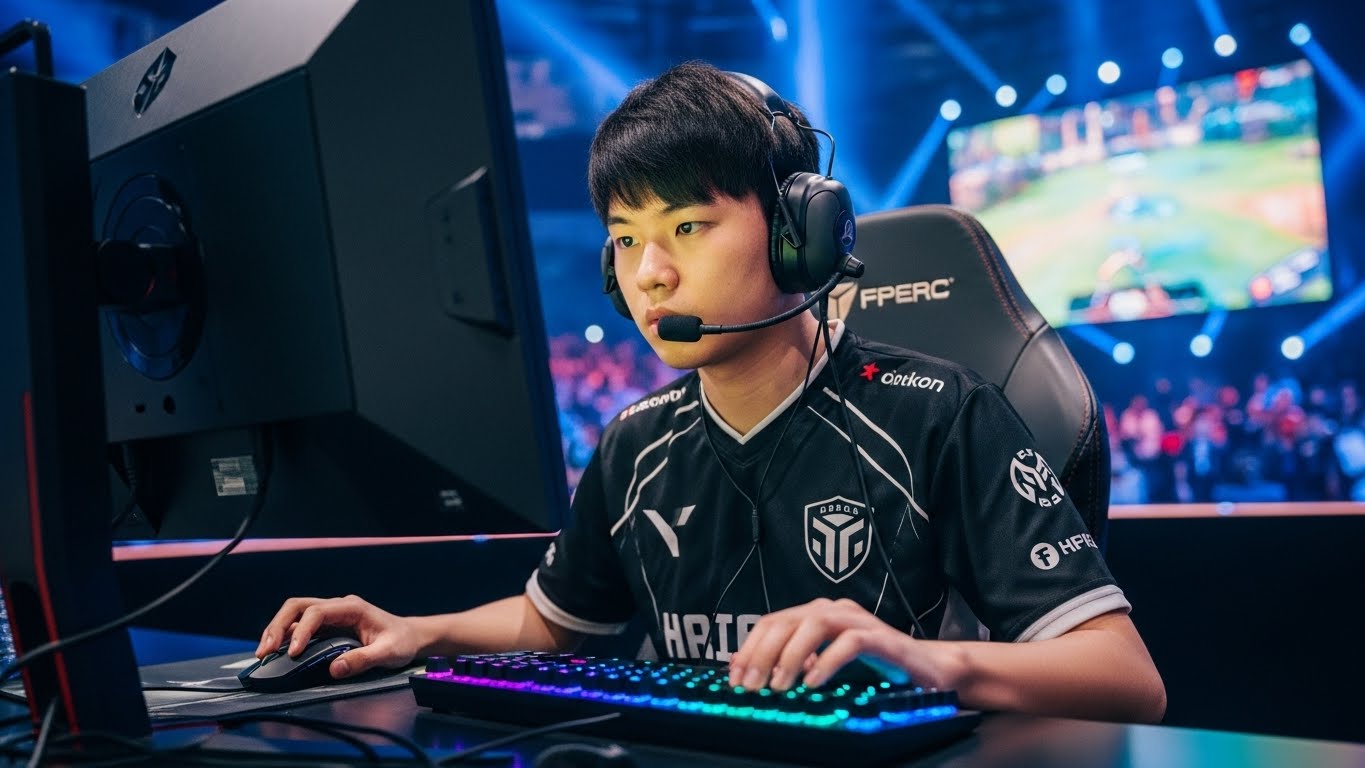
Esports athletes dedicate countless hours to perfecting their skills. Like traditional athletes, they follow strict training schedules, analyze opponents, review gameplay footage, and work closely with coaches. Professional gamers often practice for eight to ten hours a day to maintain peak performance. Their training includes not only mechanical skill development but also strategy planning and teamwork exercises. Many esports players become celebrities within the gaming community, gaining followers, sponsors, and recognition on a global scale.
The Role of Esports Organizations
Esports teams are supported by organizations that function similarly to traditional sports clubs. These organizations invest in players, provide resources, manage training facilities, arrange travel for tournaments, and negotiate sponsorships. Large esports organizations have multiple teams competing in different games, expanding their reach across various communities. These organizations play a key role in shaping player careers and helping esports grow as a professional industry.
Esports Events and Tournaments: Where Legends Are Made
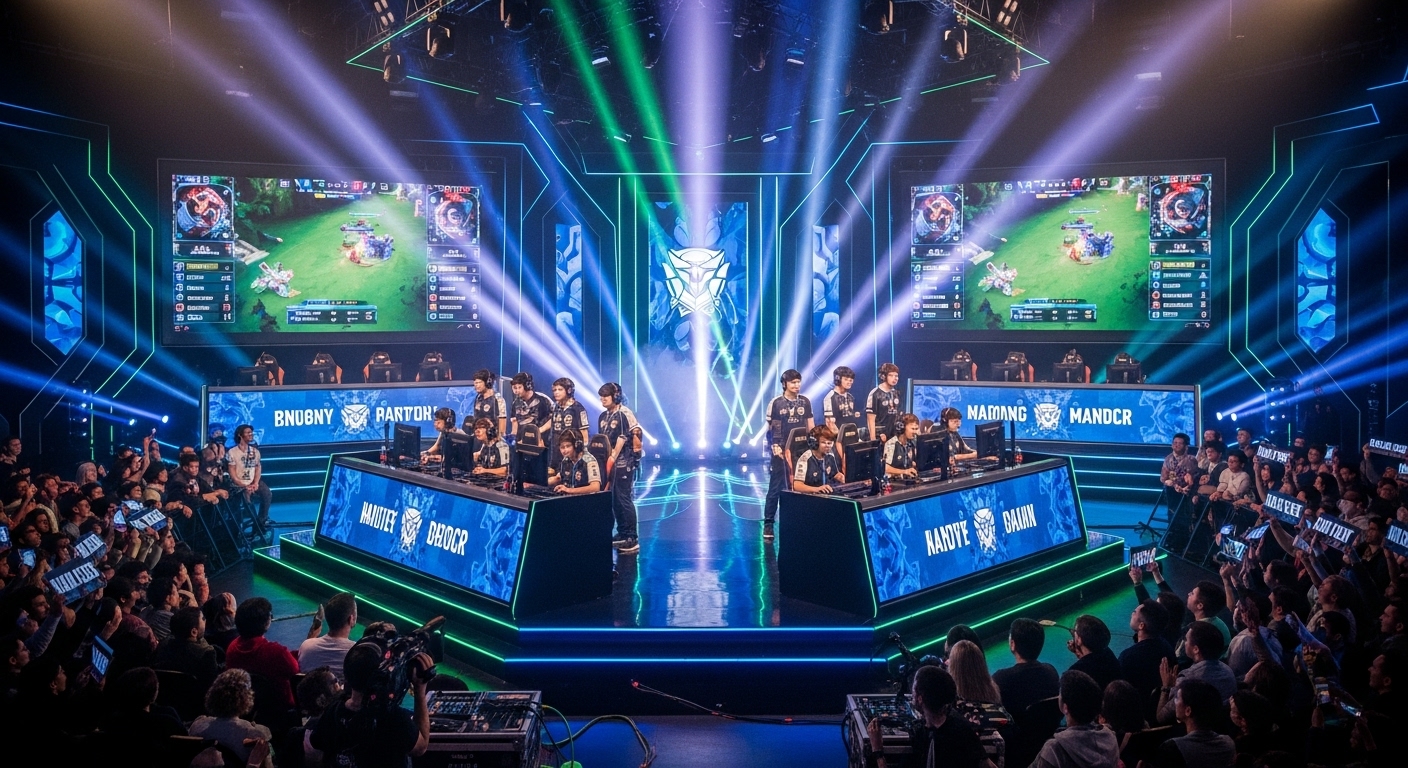
Esports tournaments have become monumental events that draw massive crowds. Major championships are held in arenas that were once reserved for concerts and sports games. These events feature production levels comparable to traditional sports broadcasts, complete with commentary, analysis, and live entertainment. Fans attend in-person to cheer for their favorite teams, chanting, waving signs, and celebrating victories. Esports events create unforgettable experiences, showcasing the passion and excitement surrounding competitive gaming.
Streaming and the Rise of Gaming Influencers
Streaming platforms have revolutionized the esports landscape. Players livestream their gameplay, allowing fans to watch, learn, and interact with them. Many esports athletes double as content creators, building personal brands and connecting with their audience. Streaming has also introduced new pathways to professional gaming. Talented players can gain exposure through livestreams, attracting attention from teams and sponsors. Content creation has become an essential part of the esports ecosystem, expanding its reach and influence.
The Growing Esports Community
The esports community is diverse and global. Fans come from different countries, cultures, and age groups, united by a shared passion for gaming. Community forums, social media, and online groups allow fans to discuss strategies, share fan art, celebrate victories, and support their favorite players. Esports has created a strong sense of belonging for gamers around the world, proving that digital competition can build bonds just as strong as traditional sports.
Economic Impact of the Esports Industry
Esports has grown into a multibillion-dollar industry. Revenue streams include sponsorships, merchandise, advertising, ticket sales, media rights, and team investments. Companies across technology, entertainment, and consumer goods industries partner with esports teams and events to reach younger audiences. Investors are increasingly recognizing the value of esports, leading to rapid growth and expansion. As the industry continues to mature, job opportunities in broadcasting, coaching, marketing, management, and content creation continue to increase.
Esports in Education: A New Pathway for Students
Schools and universities have begun embracing esports as part of their academic programs. Many institutions now offer esports clubs, competitive teams, and even scholarships for talented players. Esports programs teach skills such as teamwork, communication, strategy, and leadership. Some schools offer courses in game design, digital media, and esports management, preparing students for careers in the industry. Esports in education highlights the growing recognition of gaming as a legitimate field of study and professional development.
Health and Well-Being in Competitive Gaming
While esports offers many opportunities, it also brings challenges related to health and well-being. Players must manage long hours of practice, high expectations, and competitive pressure. To maintain performance, teams emphasize physical fitness, mental health, rest, and nutrition. Stretching, exercise, and ergonomic equipment help prevent injuries. Mental well-being is equally important, and many organizations provide support through coaches, counselors, and wellness programs. A balanced approach ensures players stay healthy while performing at their best.
Challenges Facing the Esports Industry
Despite its rapid growth, esports faces several challenges. Maintaining fair competition requires strict regulations against cheating and game manipulation. Player burnout is a concern due to intense practice schedules. The industry must also address issues such as player contracts, career longevity, and financial security. Additionally, inclusivity and diversity remain ongoing discussions within the community. As esports continues to grow, addressing these challenges will be essential to building a sustainable and ethical industry.
The Future of Esports: Innovation and Expansion
The future of esports is bright, with exciting developments on the horizon. Advancements in virtual reality, augmented reality, and artificial intelligence promise new forms of competitive gaming. Increased accessibility will allow more players to participate in tournaments from around the world. Traditional sports leagues are exploring partnerships with esports organizations, blending digital and physical competition. As global interest continues to rise, esports will become even more integrated into mainstream entertainment and culture.
Conclusion: The Transformative Power of Esports
Esports is more than competitive gaming; it is a global movement that brings people together, fosters creativity, and inspires new generations. It blends technology, strategy, and storytelling into a unique form of entertainment that continues to evolve. From passionate fans to dedicated players and innovative organizations, esports represents the future of competition and digital culture. As the industry grows, it will continue to break boundaries, challenge expectations, and redefine what it means to be an athlete in the modern world.