Introduction: The Rise of Esports
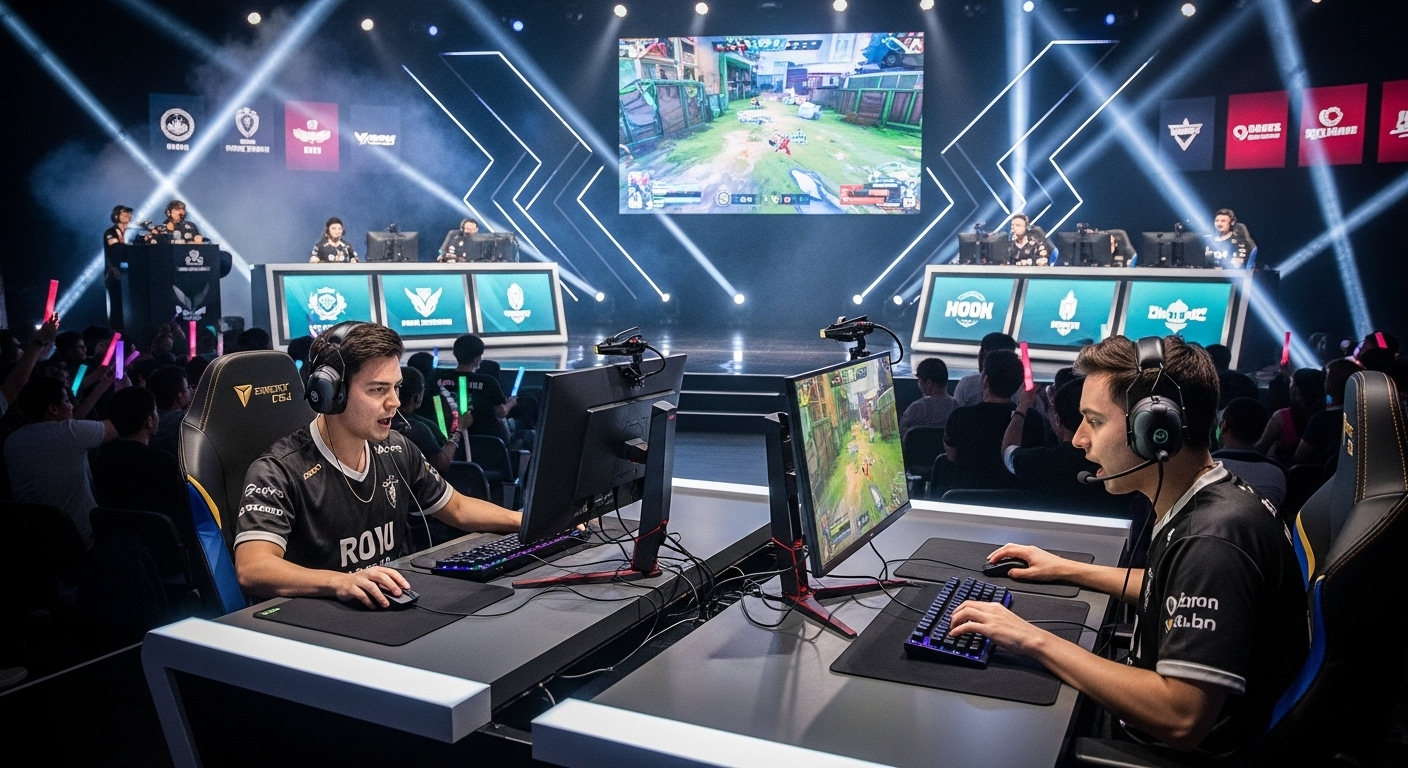
In the past decade, competitive gaming, commonly known as esports, has transformed from a niche hobby into a global phenomenon. Once seen as informal matches among friends, esports now attracts millions of spectators, generates massive revenue, and has created professional careers for players, coaches, and analysts. This digital form of competition has not only redefined entertainment but also challenged traditional notions of sports, skill, and audience engagement. Esports represents a new era in which video games are more than entertainment—they are arenas for strategy, talent, and cultural influence.
The Evolution of Esports: From Basement Tournaments to Stadiums
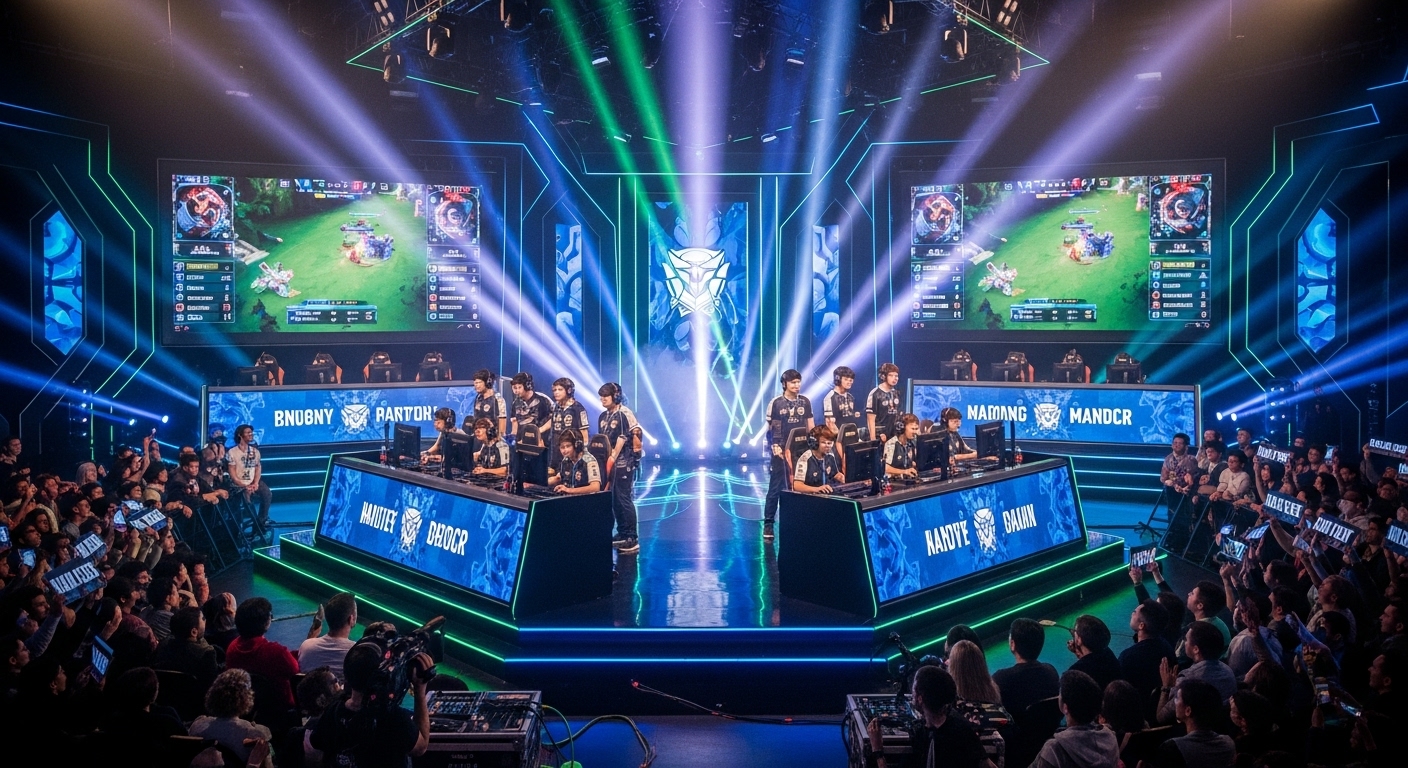
Esports began in small, local tournaments where players gathered to compete in games like Street Fighter, StarCraft, or Counter-Strike. These early competitions were modest, often organized by passionate fans. As the popularity of games increased and internet connectivity improved, esports expanded rapidly. Today, major tournaments fill arenas, attract sponsorships from global brands, and are broadcast to millions worldwide. The growth of streaming platforms has also amplified visibility, allowing fans to watch live matches, follow favorite teams, and interact with players in real time. This evolution has transformed esports into a professional, highly organized industry.
Popular Esports Games and Genres
Esports encompasses a wide variety of games and genres, each requiring unique skills and strategies. Multiplayer online battle arenas, such as League of Legends and Dota 2, demand teamwork, quick thinking, and strategic planning. First-person shooters, including Counter-Strike: Global Offensive and Call of Duty, test precision, reflexes, and communication. Sports simulation games like FIFA and NBA 2K bring traditional sports into a digital competitive space. Each genre attracts its own community and competitive scene, yet all share the core principle of skill, dedication, and mental agility.
The Professionalization of Esports
Esports has become a legitimate career path. Professional players train rigorously, often practicing eight to ten hours a day, much like traditional athletes. Teams employ coaches, analysts, nutritionists, and psychologists to optimize performance. Salaries and prize money have grown substantially, with top players earning millions annually. The professionalization of esports has also elevated the quality of gameplay, strategy, and production, making tournaments a spectacle comparable to major sporting events. It has shifted the perception of gaming from casual entertainment to a respected, highly competitive field.
The Role of Streaming Platforms in Esports
Streaming has been a driving force behind esports’ explosive growth. Platforms that allow live broadcasting of games have created new opportunities for fans and players alike. Viewers can follow tournaments, watch behind-the-scenes content, and engage with players in real time. Streaming has also democratized esports, enabling smaller teams and independent players to showcase their skills to global audiences. This accessibility has fostered diverse communities and contributed to the popularity of esports as both entertainment and a cultural movement.
The Economic Impact of Esports
Esports is now a multi-billion-dollar industry, encompassing sponsorships, advertising, merchandise, media rights, and ticket sales. Major brands partner with esports teams and tournaments to reach younger, digitally native audiences. Investment in esports infrastructure, such as dedicated arenas and production studios, has further boosted economic growth. The industry also creates employment opportunities across technology, media, marketing, and event management. The financial significance of esports demonstrates that competitive gaming is not just a cultural phenomenon—it is a thriving economic ecosystem.
The Social and Cultural Influence of Esports
Esports has a profound social impact, uniting people across the globe through shared experiences. Fans connect with players, join communities, and participate in discussions about strategies, games, and trends. Esports also promotes inclusivity, offering opportunities for players from different backgrounds, genders, and regions. The cultural influence extends to fashion, music, and digital content, with esports teams and players often becoming influential public figures. Through esports, gaming has transcended traditional entertainment, becoming a cultural force that shapes youth identity, media, and lifestyle.
The Psychological and Cognitive Benefits of Esports
Competitive gaming requires advanced cognitive skills, including problem-solving, strategic thinking, multitasking, and memory. Esports also develops resilience, focus, and decision-making under pressure. Players must analyze opponents, adapt to dynamic scenarios, and collaborate effectively with teammates. While moderation is key, participation in esports can enhance mental agility, teamwork, and creativity. The psychological demands of competitive gaming parallel those in traditional sports, demonstrating that esports is not only entertaining but intellectually and mentally engaging.
The Role of Technology in Advancing Esports
Technology underpins the growth of esports, from high-performance gaming hardware to streaming infrastructure and analytics software. Advanced graphics, low-latency networks, and cloud computing enable seamless gameplay and global competitions. Analytics and performance-tracking tools allow teams to study opponents, optimize strategies, and improve coordination. Virtual reality and augmented reality are beginning to influence esports, offering new immersive experiences. As technology evolves, esports will continue to expand its reach, creating innovative ways to compete, spectate, and engage with digital content.
Women and Diversity in Esports
While esports has historically been male-dominated, significant progress is being made in promoting inclusivity and diversity. Female players, commentators, and organizers are gaining recognition and opportunities in competitive gaming. Initiatives focused on diversity have encouraged broader participation and representation. This inclusivity is vital not only for equity but also for expanding the audience, inspiring new talent, and fostering a more welcoming environment. A diverse esports community strengthens the industry, making it richer, more innovative, and more reflective of global society.
The Future of Esports: Integration and Expansion
The future of esports looks promising, with continued growth expected in audience size, revenue, and global influence. Integration with traditional sports, educational programs, and mainstream media will further legitimize competitive gaming. Emerging technologies such as AI-driven coaching, virtual reality competitions, and interactive fan experiences will redefine how players compete and audiences engage. Esports will continue to push boundaries, blending entertainment, culture, and technology in ways that were unimaginable just a decade ago.
Challenges and Opportunities in Esports
Despite its success, esports faces challenges, including player burnout, online toxicity, and issues with monetization and regulation. The industry is learning to address these concerns through structured governance, community guidelines, and wellness programs for players. At the same time, these challenges create opportunities for innovation, better game design, and more inclusive environments. By addressing these issues, esports can ensure sustainable growth and maintain its reputation as a positive, professional, and engaging form of competition.
Conclusion: Esports as a Defining Force of Modern Entertainment
Esports has transformed competitive gaming into a global spectacle, combining skill, strategy, technology, and culture. From modest beginnings to professional arenas and international tournaments, esports has proven that gaming can rival traditional sports in excitement, skill, and fan engagement. Its economic, social, and cultural influence continues to grow, shaping how we view entertainment, competition, and creativity in the digital age. As the industry evolves, esports will remain at the forefront of innovation, inspiring players and fans alike while redefining what it means to compete and succeed in the 21st century.
Esports is no longer just a pastime—it is a revolution in entertainment, a testament to human skill and strategy, and a cultural phenomenon that continues to push boundaries and redefine the meaning of competition.