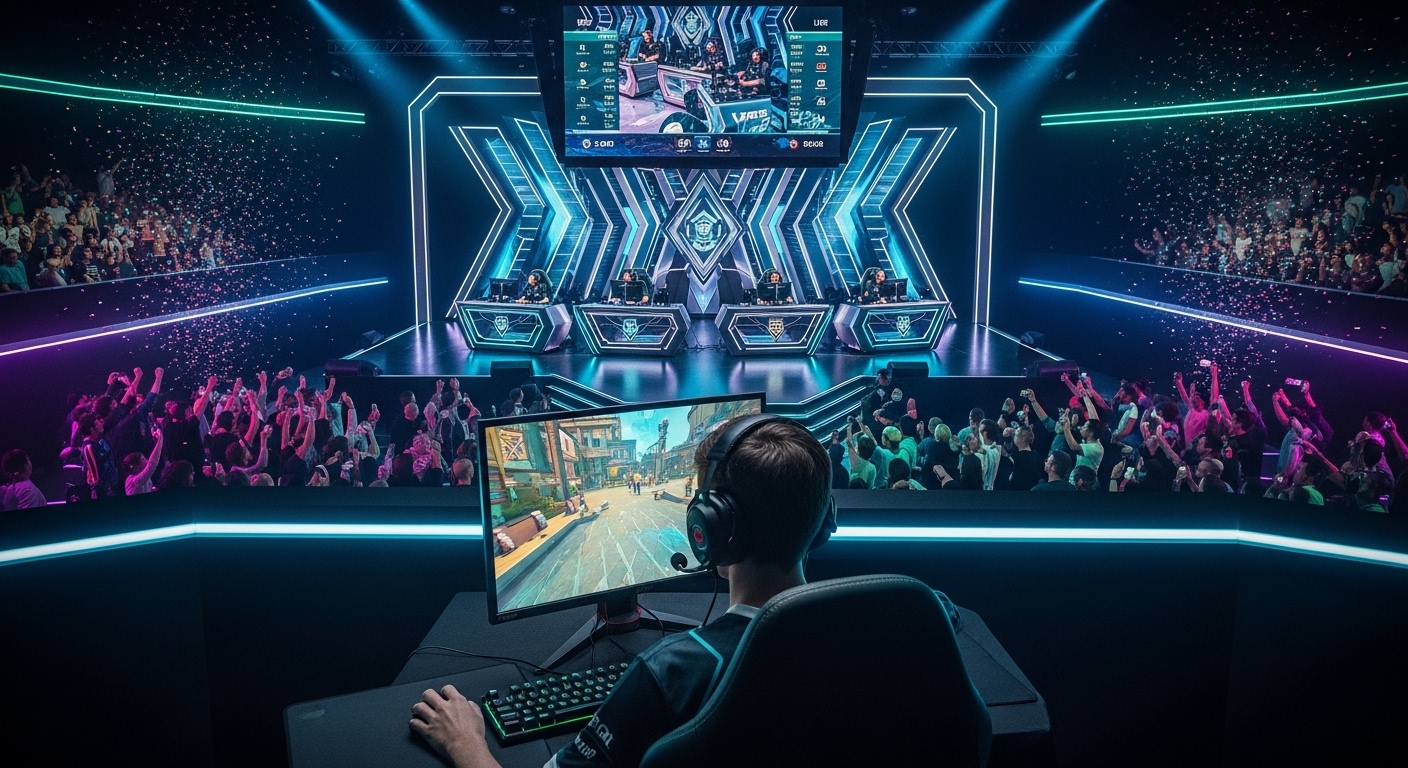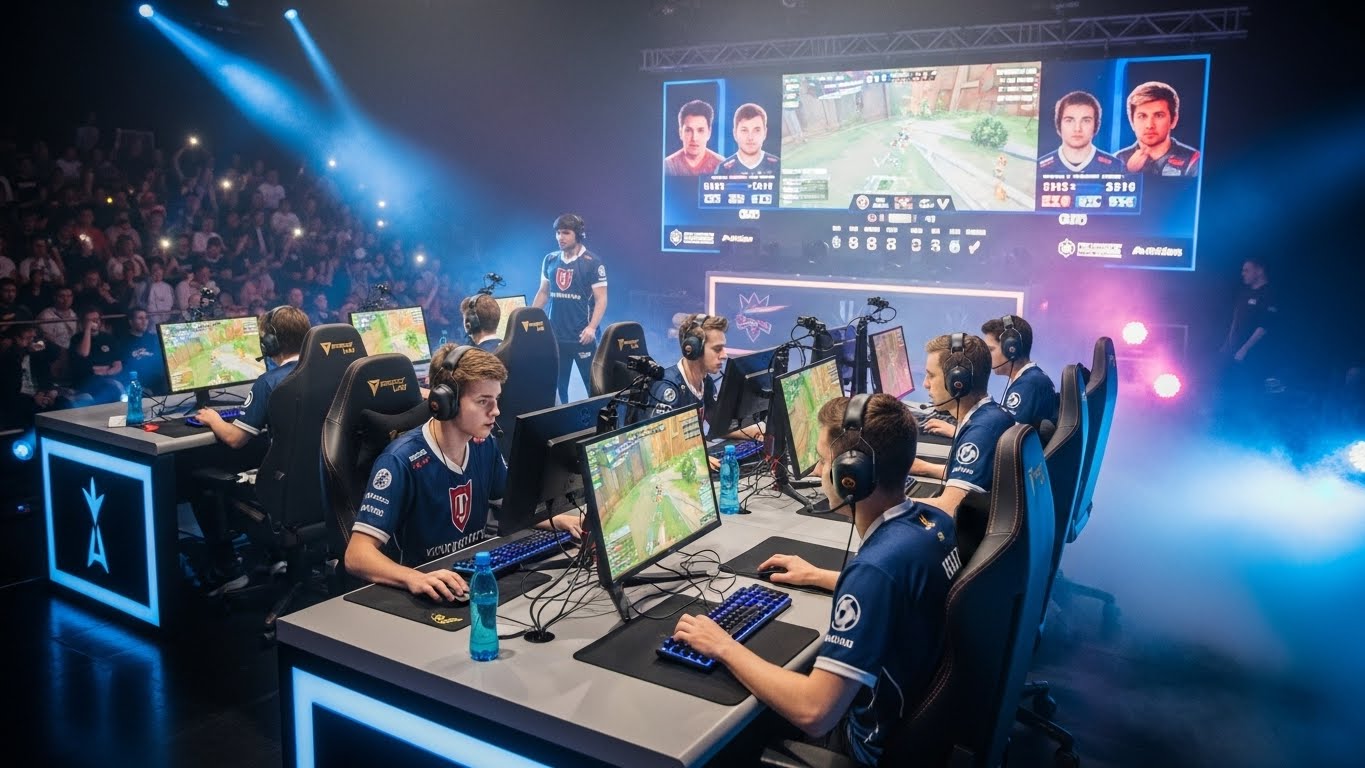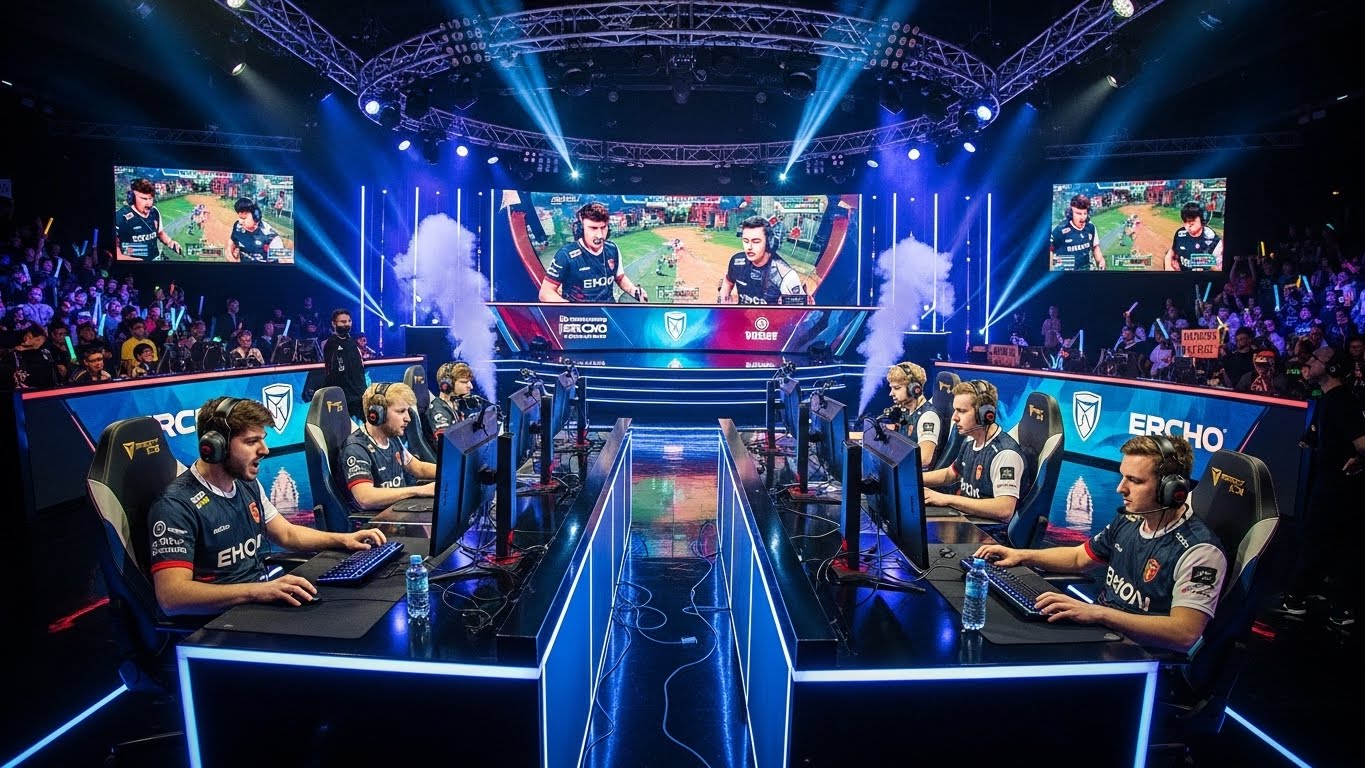
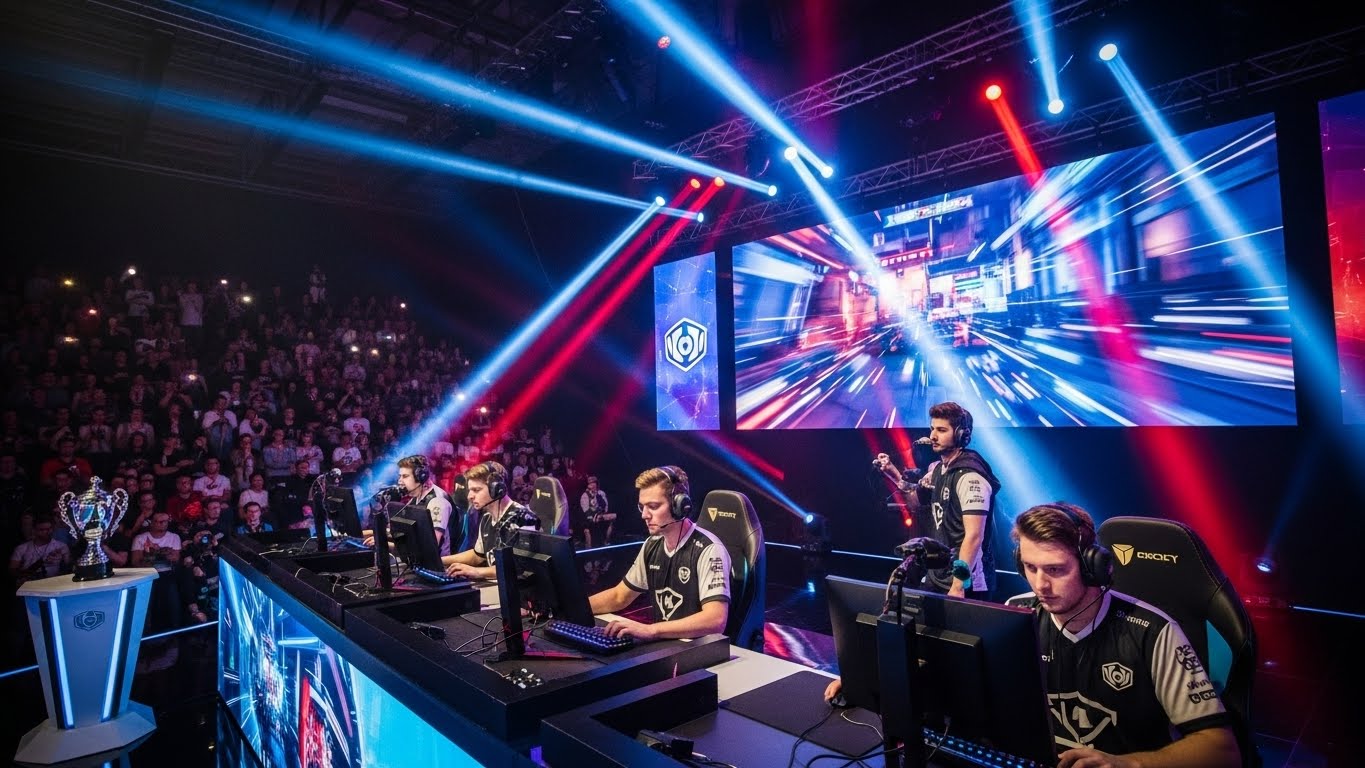
Esports, or competitive gaming, has emerged as one of the most transformative phenomena of the 21st century. Once dismissed as a niche hobby for enthusiasts, it has grown into a global industry that rivals traditional sports in both popularity and economic impact. From amateur competitions in living rooms to professional leagues in stadiums, esports has created a platform where skill, strategy, and perseverance define success. Understanding esports requires exploring its evolution, cultural significance, professional structure, technological innovations, and the ways it is reshaping society and the concept of sports itself.
The Evolution of Esports
The journey of esports began in the early days of video gaming. During the 1970s and 1980s, simple arcade games such as Space Invaders and Pac-Man inspired small competitions, primarily for fun or recognition. By the 1990s, competitive gaming had gained more structure with titles like Street Fighter, Quake, and StarCraft. These games introduced online multiplayer capabilities, allowing players from different locations to compete against each other. The early 2000s saw the rise of professional leagues and tournaments, particularly in South Korea, where games like StarCraft became national phenomena. Over time, esports evolved from casual gatherings to fully organized competitions, establishing a foundation for the professional ecosystem we see today.
Esports as a Professional Career
One of the most remarkable aspects of esports is its emergence as a viable professional career. Professional players dedicate long hours to mastering their craft, analyzing gameplay strategies, and honing reflexes. Unlike traditional sports that emphasize physical prowess, esports demands mental agility, strategic thinking, and precise hand-eye coordination. Players often participate in global leagues, tournaments, and championships, earning salaries, sponsorships, and prize money. Esports organizations have established coaching staff, analysts, and wellness programs to support player performance. This professionalization demonstrates that esports requires discipline, resilience, and teamwork, making it comparable to traditional athletic careers in both demands and rewards.
The Role of Esports in Culture
Esports has become a cultural phenomenon that extends far beyond gaming itself. Through live streaming platforms, fans can watch matches in real-time, interact with commentators, and engage in global communities. This shared experience creates a sense of connection akin to attending live sports events. Esports has also cultivated subcultures and fan communities where individuals share strategies, create content, and celebrate achievements. Unlike traditional sports, esports is not constrained by physical limitations, allowing people of all abilities to participate and excel. This inclusivity fosters diversity and expands opportunities for social engagement, highlighting esports as a cultural force capable of uniting people around shared interests.
The Psychology Behind Competitive Gaming
The mental demands of esports are profound. Competitive players must process complex information rapidly, anticipate opponents’ strategies, and maintain composure under pressure. Decision-making in high-stakes scenarios requires both cognitive flexibility and emotional control. Players also face challenges such as public scrutiny, performance anxiety, and the pressure to remain competitive over long periods. Esports organizations increasingly recognize the importance of mental health support, offering counseling, mindfulness training, and structured routines to help players manage stress. Understanding these psychological aspects emphasizes that esports requires not just technical skill, but also resilience, focus, and mental strength akin to high-level athletics.
The Economic Impact of Esports
Esports has transformed into a multi-billion-dollar industry with significant economic implications. Revenue is generated through tournament prize money, sponsorships, merchandise, media rights, and advertising. Major tournaments draw millions of viewers worldwide, rivaling traditional sporting events in both engagement and visibility. Corporate sponsors recognize the value of reaching younger, tech-savvy audiences through esports, further fueling its growth. Beyond direct revenue, esports creates employment opportunities across multiple sectors, including event management, content creation, game development, marketing, and analytics. The economic power of esports illustrates how digital competition can evolve into a complex ecosystem that impacts society far beyond the gaming community.
Technological Innovations Driving Esports
Technology plays a central role in the rise of esports. High-speed internet, advanced gaming consoles, virtual reality, and cloud computing have transformed both gameplay and spectator experiences. Streaming platforms allow fans to watch competitions from anywhere in the world, while analytics software helps players improve performance and teams develop winning strategies. Innovations in augmented reality and immersive experiences are reshaping how audiences engage with esports, creating interactive environments that deepen participation. The continuous integration of technology ensures that esports remains dynamic and adaptive, reflecting broader trends in digital entertainment and interactive media.
Educational and Developmental Benefits of Esports
Contrary to popular misconceptions, esports can offer significant educational and developmental benefits. Strategic games develop problem-solving skills, critical thinking, and adaptability. Multiplayer competitions foster teamwork, communication, and leadership abilities, as players coordinate strategies and execute complex plans under pressure. Esports also teaches time management and goal-setting, as participants balance training schedules with other commitments. Some educational institutions have recognized these benefits, integrating esports programs into schools and universities, offering courses in game design, digital media, and competitive gaming. These programs provide students with practical skills while promoting cognitive and social development, demonstrating that esports can contribute positively to personal and professional growth.
Global Competitions and Cultural Exchange
International esports tournaments serve as platforms for cultural exchange and global connectivity. Players from diverse regions showcase unique strategies, playstyles, and approaches to gaming, enriching the competitive landscape. Fans from different countries come together to celebrate achievements, share insights, and foster mutual respect. Unlike traditional sports, esports transcends geographical limitations, allowing participants and audiences from around the world to connect digitally. These global competitions emphasize the importance of cultural awareness, cooperation, and adaptability, illustrating that esports has the potential to build bridges across nations and communities while celebrating diversity.
Esports and Health Considerations
While esports is primarily digital, physical and mental health considerations remain critical. Professional gamers spend extensive hours practicing, making ergonomics, posture, and physical fitness important factors. Many esports organizations now incorporate fitness programs, physiotherapy, and health monitoring into training routines to ensure long-term well-being. Additionally, managing screen time, sleep, and nutrition is essential for maintaining cognitive performance and preventing burnout. Awareness of these health aspects highlights that esports requires a balanced approach, combining mental acuity with physical wellness to sustain competitive performance.
The Future of Esports
The future of esports appears poised for continued growth and transformation. Emerging technologies such as virtual reality, augmented reality, and artificial intelligence are likely to redefine gameplay and audience engagement. Mobile esports is expanding access, enabling players from diverse regions to compete without high-end equipment. As societal recognition of esports increases, it may influence education, policy, and entertainment industries, further legitimizing the field. Esports will continue to blend innovation, competition, and cultural influence, redefining the boundaries of sports and entertainment. The next generation of players, audiences, and developers will likely experience esports as a fully immersive, globally connected phenomenon.
Conclusion: Esports as a Modern Cultural Force
Esports is more than digital entertainment; it represents a cultural, social, and economic revolution. It challenges traditional definitions of competition, skill, and athleticism while offering opportunities for personal growth, community engagement, and professional achievement. From its origins in arcades to its current status as a global industry, esports demonstrates how human creativity, strategy, and dedication can thrive in digital spaces. It inspires innovation, fosters inclusivity, and connects communities worldwide. Recognizing esports as a legitimate and transformative field allows society to appreciate its profound influence and encourages continued engagement with this dynamic, ever-evolving arena of competition.