Introduction: The Era of Competitive Gaming
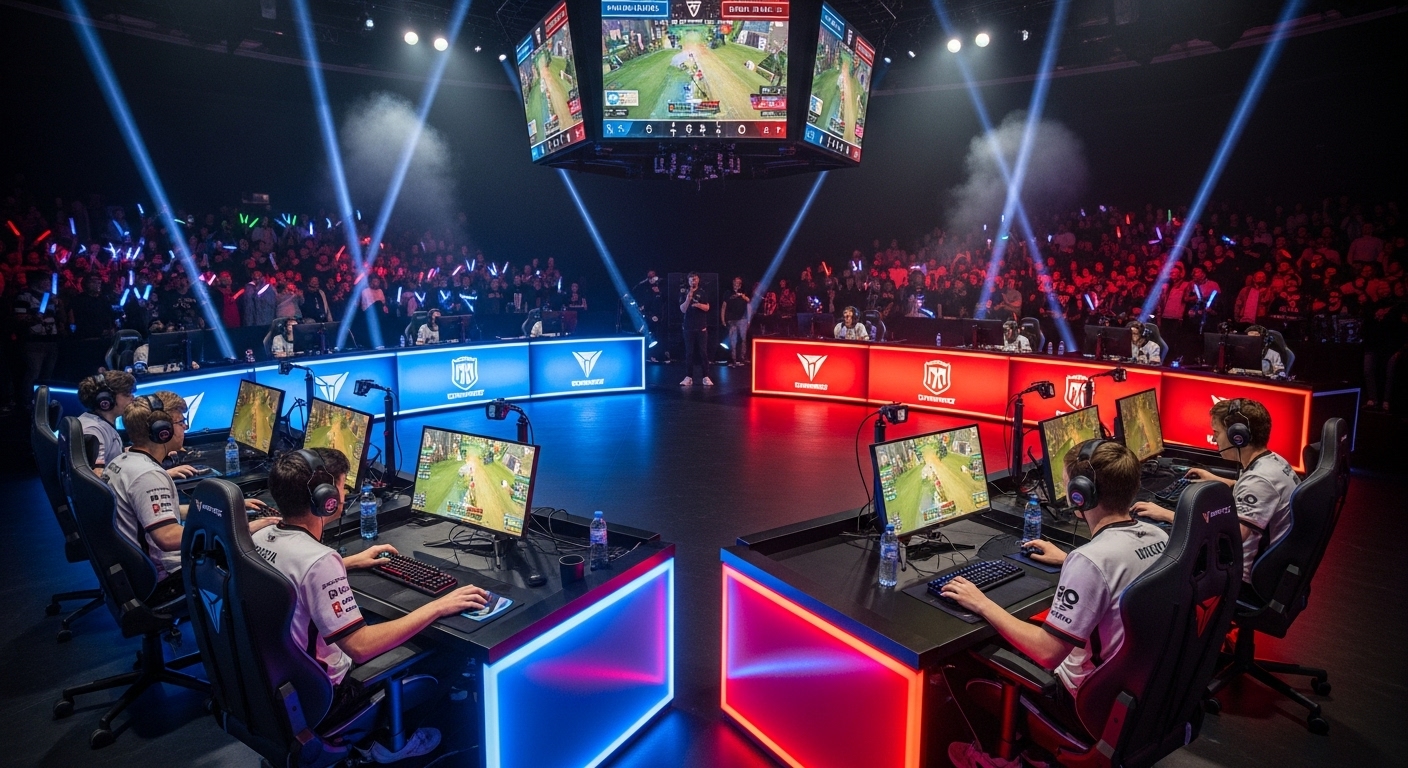
Esports has grown from a niche hobby to a global powerhouse in entertainment. Competitive gaming now rivals traditional sports in popularity, prize money, and fan engagement. Unlike conventional sports, esports thrives entirely in digital spaces, yet it delivers the same thrill, strategy, and spectacle. From local tournaments to massive international events, esports captures the imagination of millions of players and fans worldwide. This blog explores the rise of esports, its impact on culture and society, the players behind it, and the future of this revolutionary form of competition.
The Origins of Esports: From Arcades to Online Arenas
The concept of competitive gaming dates back to the late 1970s and early 1980s. Early arcade games like Space Invaders and Pac-Man were some of the first competitive platforms. Players would compete for the highest scores, laying the foundation for organized competitions.
The 1990s saw a dramatic shift with the advent of multiplayer PC games like Doom, Quake, and Warcraft. These games introduced networked competition, allowing players to challenge opponents beyond their local area. Tournaments began to take shape, often organized by small communities and universities.
By the 2000s, online infrastructure improved, enabling large-scale competitions with professional standards. Games like StarCraft in South Korea gained national attention, turning skilled players into celebrities. The evolution from simple arcade games to online competitive platforms demonstrates the gradual but unstoppable rise of esports.
Popular Esports Games That Define the Industry
Esports is built on diverse game genres, each offering unique challenges and communities.
Multiplayer Online Battle Arenas: Titles like League of Legends and Dota 2 are among the most iconic esports games. They demand strategic thinking, precise teamwork, and quick decision-making. International tournaments for these games often feature massive prize pools and attract millions of viewers.
First-Person Shooters: Games such as Counter-Strike: Global Offensive, Valorant, and Call of Duty emphasize speed, accuracy, and tactical collaboration. FPS esports require intense practice and flawless execution under pressure.
Battle Royale Games: Fortnite, Apex Legends, and PUBG introduced large-scale survival competitions that test adaptability, strategy, and resource management. These games appeal to younger audiences and have created viral tournaments.
Fighting Games: Street Fighter, Mortal Kombat, and Tekken are highly competitive one-on-one games. They emphasize mechanical skill, reflexes, and mental agility. Fighting game tournaments often thrive in grassroots communities, keeping the competitive spirit alive.
Sports Simulations: FIFA, NBA 2K, and racing simulators translate traditional sports into digital competition. They attract both casual and hardcore fans and have created professional circuits with prize money comparable to smaller traditional sports tournaments.
Each of these genres has shaped esports culture, expanded its fan base, and helped transform competitive gaming into a legitimate industry.
Professional Esports Players: Training, Discipline, and Dedication
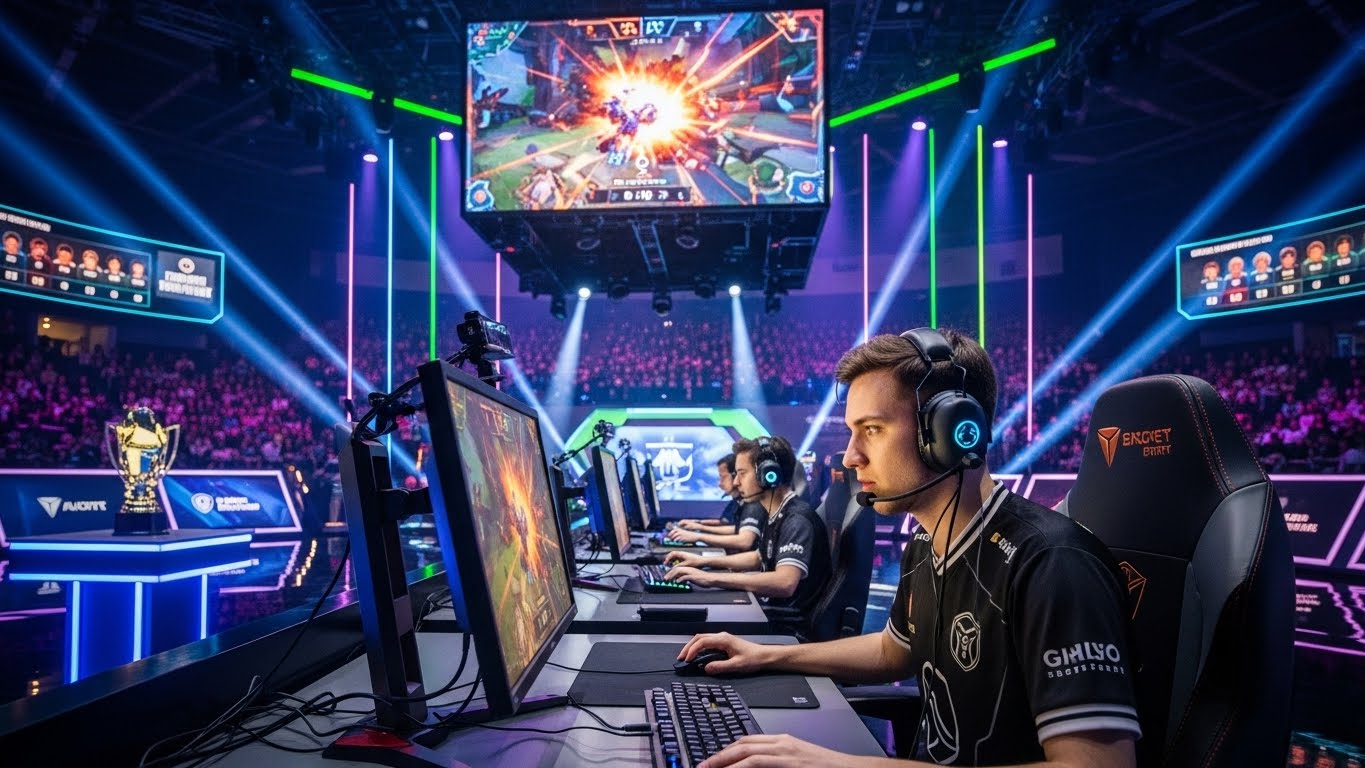
Esports athletes are often misunderstood as casual gamers, but their training and dedication rival traditional sports. Professional players spend hours daily practicing, analyzing opponents, and refining strategies. Success requires not only mechanical skill but also teamwork, leadership, and mental resilience.
Many professional gamers follow strict routines that include physical exercise, balanced diets, and psychological training. This ensures they maintain focus during intense competitions. Unlike most traditional athletes, esports players often peak in their late teens or early twenties, making their career spans relatively short but intensely competitive.
Beyond gameplay, esports players also build personal brands, engage with fans, and create content. They are not just competitors but digital influencers shaping trends in gaming culture.
Esports Organizations: The Backbone of Competitive Gaming
Professional esports teams operate like traditional sports franchises. They provide players with coaching, analytics, media management, and physical and mental support. Top organizations invest in training facilities, nutritional programs, and strategic planning to maintain high performance.
These teams are also brands. Fans follow them passionately, buy merchandise, and attend events. Organizations develop a unique identity that extends beyond in-game performance, fostering loyalty and community engagement.
The professionalism of esports organizations highlights how competitive gaming has matured into a structured and sustainable industry.
Global Fan Base: Connecting Communities Across Borders
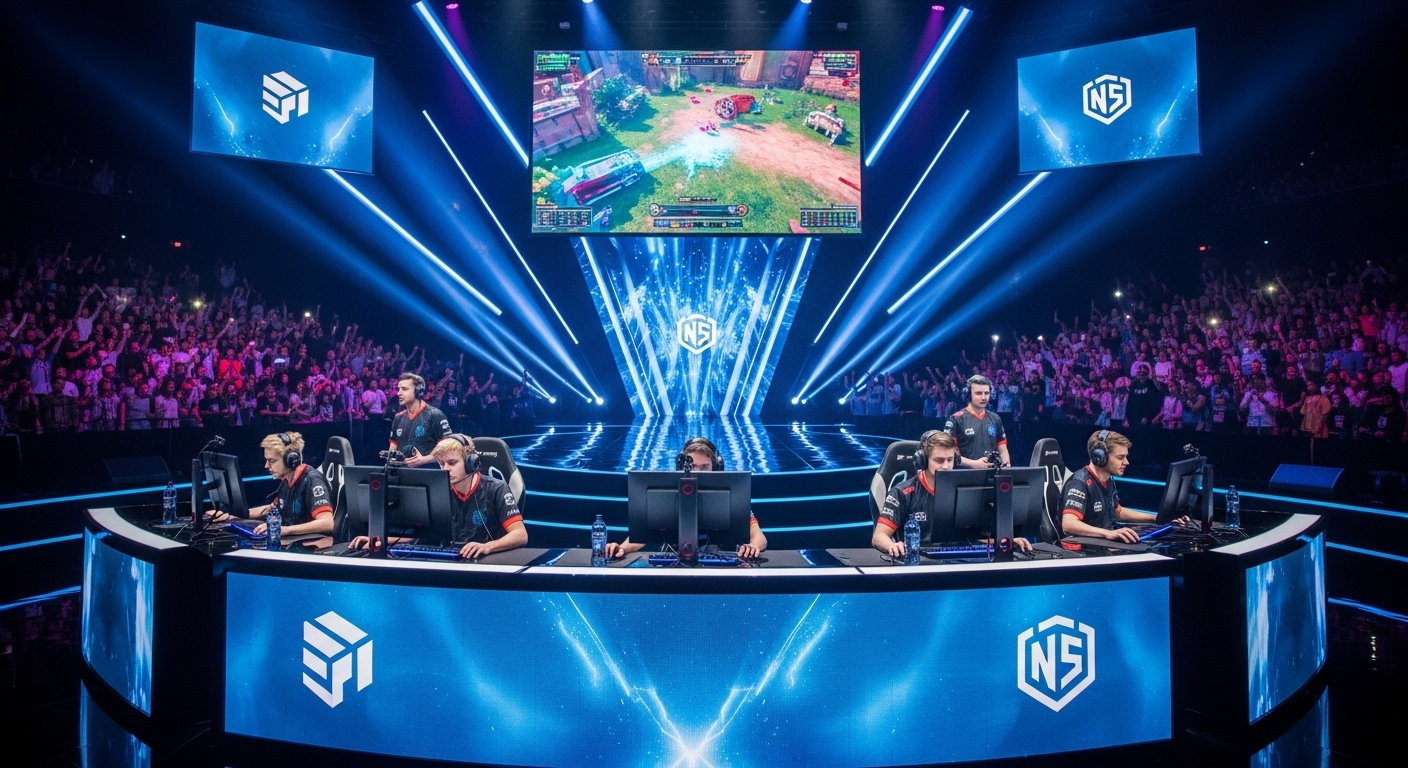
Esports has a global reach unparalleled by many traditional sports. Millions of fans tune in to live streams and tournaments from every corner of the world. Events such as the League of Legends World Championship or The International Dota 2 Championship attract tens of millions of viewers online.
The digital nature of esports allows fans to engage with players and teams directly. Online communities, forums, and social media platforms enable discussion, fan art, memes, and debates that strengthen the connection between players and supporters.
Unlike region-specific traditional sports, esports transcends borders. A fan in Europe can follow a team in Asia, creating a truly international community that shares a common passion.
Technology and Innovation: Driving Esports Forward
Esports is powered by technological advancement. High-speed internet, advanced gaming hardware, and immersive software make competitive gaming possible. Emerging technologies such as virtual reality, augmented reality, and AI-driven analytics are set to further revolutionize esports.
Streaming technology has transformed viewership. Platforms allow fans to watch tournaments live, interact with commentators, and even influence events in real time. AI tools assist in analyzing gameplay, optimizing strategies, and scouting talent. These innovations ensure that esports remains dynamic, interactive, and increasingly sophisticated.
The Economics of Esports: Revenue, Sponsorships, and Career Opportunities
Esports has evolved into a multi-billion-dollar industry. Revenue comes from sponsorships, advertising, merchandising, tournament prize money, and media rights. Brands from technology, beverage, and fashion industries invest heavily in esports to reach young and engaged audiences.
Prize pools in major tournaments can reach tens of millions of dollars, transforming the lives of professional players. In addition, content creation, streaming, and endorsements provide multiple income streams for esports professionals.
The industry also supports careers beyond competitive play, including coaching, event management, marketing, and commentary, making esports a versatile career ecosystem.
Challenges Facing the Esports Industry
Despite its success, esports faces challenges. Player burnout is a critical concern due to long hours, travel demands, and mental pressure. Organizations are beginning to address this with structured schedules and mental health support, but the issue remains significant.
Standardization is another challenge. Each game has its own rules and publishers, creating fragmentation in tournaments and leagues. Unlike traditional sports, esports lacks a single governing body, making global coordination more complex.
Public perception is gradually changing, but skepticism about esports as a “real sport” persists in some regions. Demonstrating the skill, dedication, and discipline required for competitive gaming is essential to gaining broader recognition.
The Cultural Impact of Esports
Esports has influenced global culture, especially among younger generations. It has created new forms of entertainment, social interaction, and even fashion trends. Popular players are role models, and tournaments are social events that connect communities.
The industry also promotes inclusivity. Unlike traditional sports, esports focuses on skill rather than physical attributes, allowing people from diverse backgrounds to participate and excel. The culture of esports encourages creativity, strategy, and teamwork, making it both entertaining and inspiring.
The Future of Esports: Innovation and Integration
The future of esports is promising. Virtual reality tournaments, AI-assisted training, and global competitions are just the beginning. Educational institutions now offer esports scholarships, recognizing its legitimacy as a competitive and academic pursuit.
Traditional sports organizations are also entering esports, creating crossover events and partnerships. This integration signals that esports is becoming a permanent fixture in the world of professional competition.
As technology continues to evolve, esports will expand into new formats, reach larger audiences, and remain a central part of digital culture for years to come.
Conclusion: Esports as the New Frontier of Competition
Esports has transformed entertainment and competition, creating a global phenomenon that bridges technology, skill, and culture. Professional players, organized teams, and passionate fans have elevated competitive gaming to a level comparable to traditional sports.
From its humble origins in arcades to massive stadium events watched by millions online, esports exemplifies the power of digital innovation and human creativity. As the industry continues to grow, it will redefine how people view competition, community, and entertainment. The digital arena is not just a game—it is a revolution, and its impact on society is only beginning.