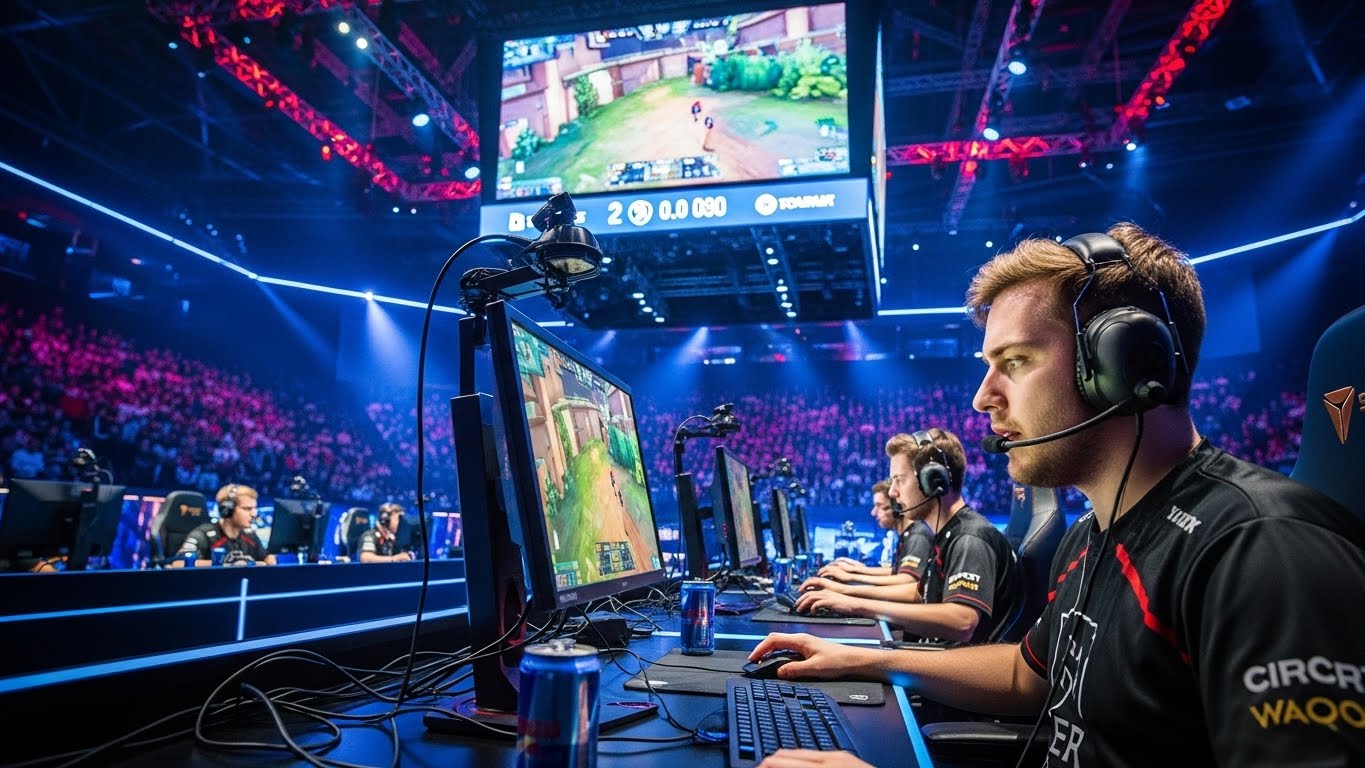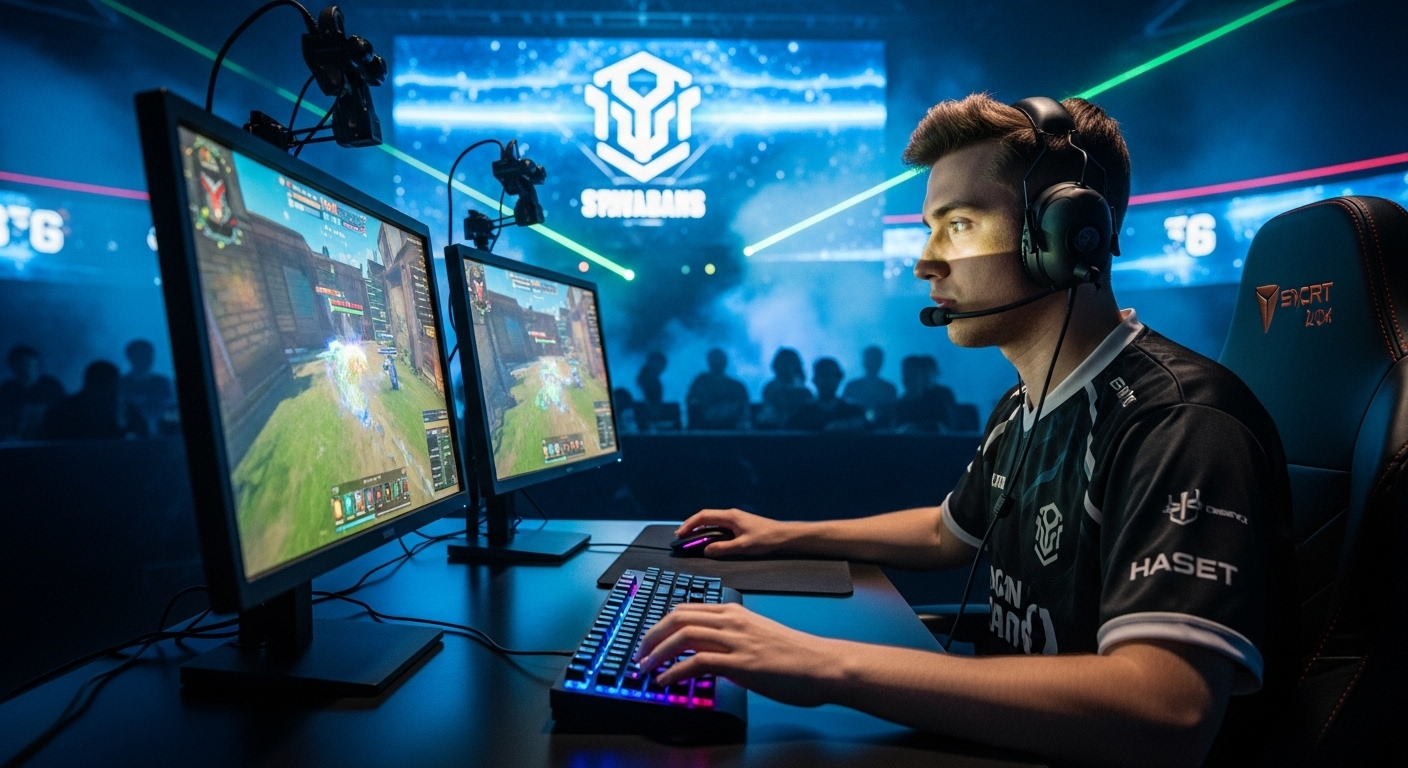
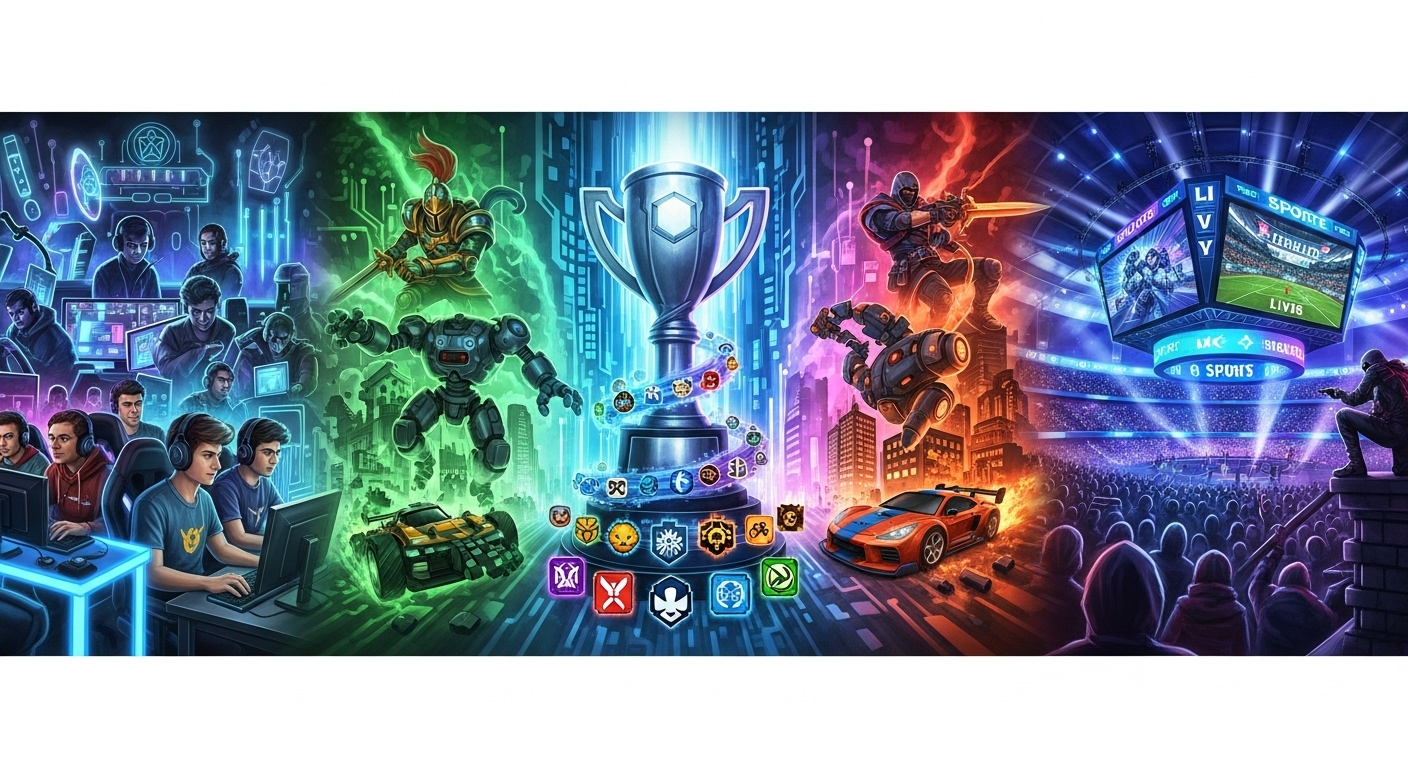
Esports has emerged as one of the most exciting developments in modern entertainment. What started as casual gaming competitions has grown into a global phenomenon, attracting millions of players, fans, and investors. Today, esports is not just about games—it is about strategy, skill, teamwork, and community.
The Evolution of Competitive Gaming
Competitive gaming has come a long way. Early tournaments were small-scale, often limited to local arcades or online communities. Over time, games like first-person shooters, real-time strategy titles, and multiplayer online battle arenas became the foundation of organized esports. Professional leagues and international championships have transformed gaming into a structured and respected competitive field.
Professional Players: Digital Athletes
Professional esports players dedicate countless hours to practice, strategy, and teamwork. Much like traditional athletes, they follow strict training schedules, study opponents, and refine their skills. Teams often employ coaches, analysts, and support staff to maximize performance. Players gain recognition, sponsorships, and global fan followings, proving that esports requires discipline, focus, and mental resilience.
Spectatorship and Global Tournaments
Esports tournaments attract millions of viewers worldwide. Fans watch live streams, attend large-scale events, and engage with communities surrounding their favorite teams. International competitions bring together top players from different countries, fostering rivalry, camaraderie, and national pride. The excitement, strategy, and unpredictability of these events have made esports a mainstream entertainment experience.
Economic Impact of Esports
The esports industry has grown into a multi-billion-dollar market. Revenue comes from sponsorships, advertising, ticket sales, and merchandising. Streaming platforms and content creation also provide significant income. Beyond money, esports creates jobs in event management, broadcasting, marketing, and coaching. The industry’s economic influence is growing, highlighting its importance in the modern digital economy.
Technology as the Backbone
Technology drives esports. High-performance computers, fast internet, and advanced gaming platforms enable competitive play. Streaming software allows fans to engage in real-time, while analytics tools help players improve performance. Emerging technologies like virtual reality and cloud gaming promise to expand esports experiences even further, making them more immersive and accessible.
Social and Cultural Impact
Esports is more than a game; it is a cultural movement. Online communities, streaming personalities, and fan events foster interaction and collaboration. Esports influences mainstream media, fashion, and even music, bridging digital culture and entertainment. It brings people together across borders, creating a sense of belonging and shared passion.
The Future of Esports
The future of esports is bright. As technology advances and awareness grows, esports will continue to expand globally. Schools and universities are introducing esports programs, and traditional sports franchises are investing in professional teams. Competitive gaming is on track to become a staple of entertainment and culture, blending skill, strategy, and technology like never before.