Introduction
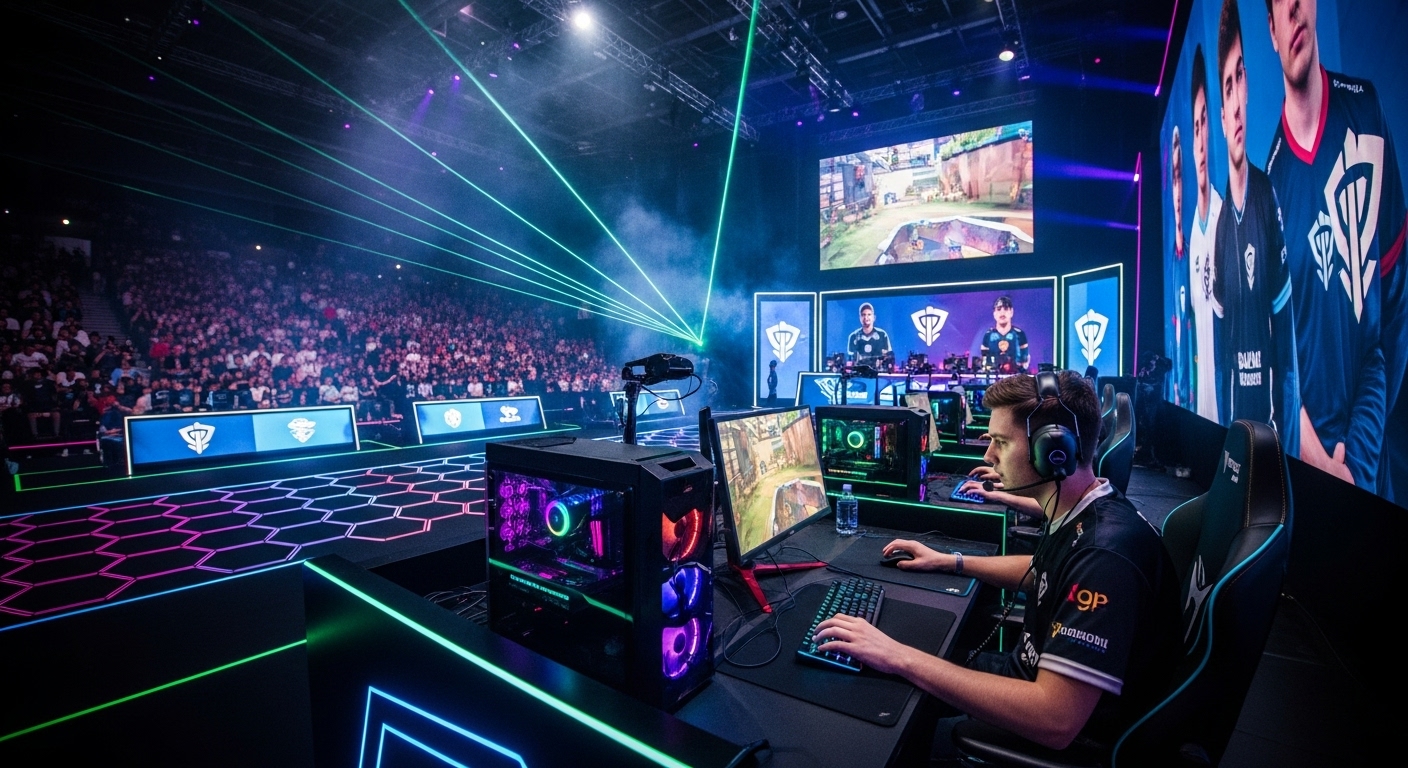
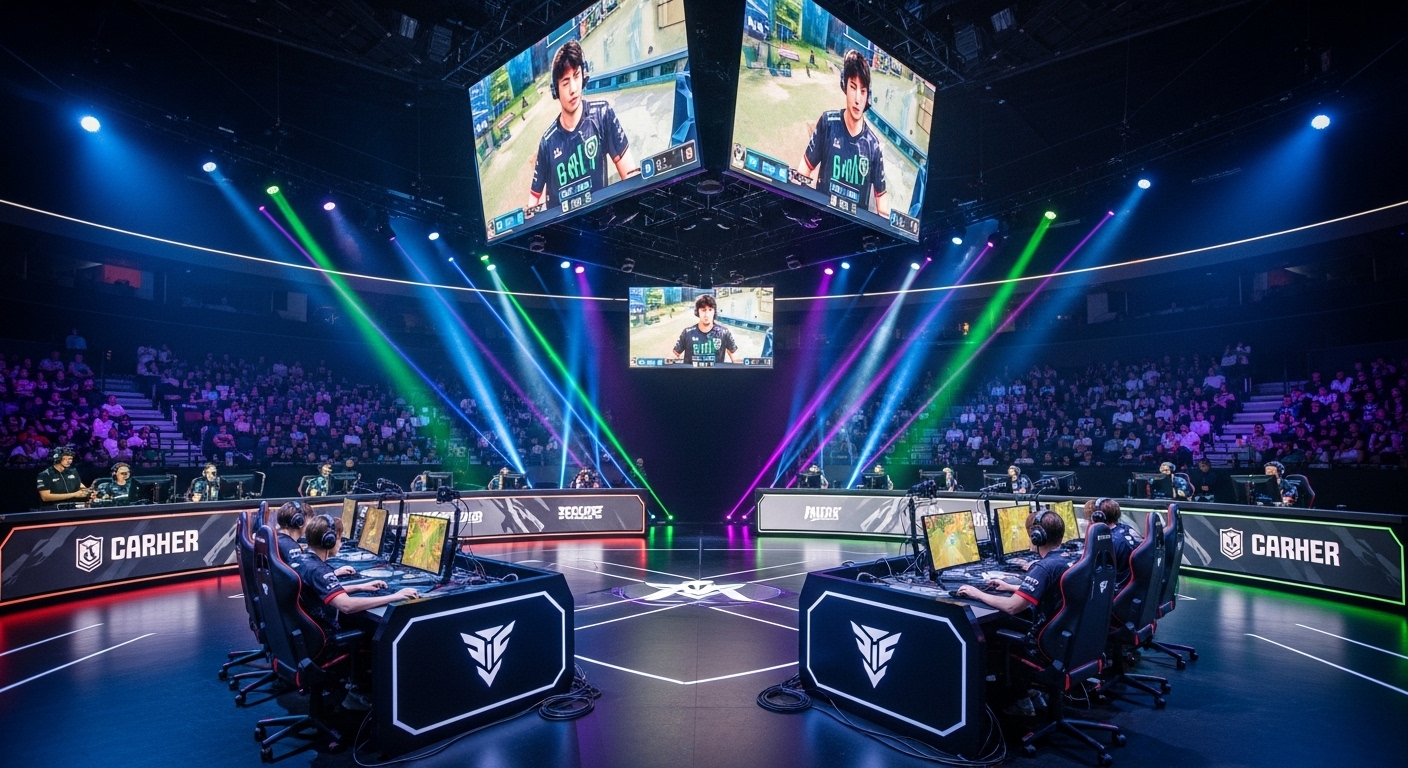
Over the past decade, esports has moved from casual LAN parties and after-school clubs to becoming recognized in many schools’ official extracurricular offerings. Schools are adopting esports programs to provide competitive gaming, scholarship opportunities, new ways to engage students, and skills development (teamwork, communication, strategic thinking). A great esports program in school doesn’t just mean having a few gaming stations—it’s about structure, culture, support, and sustainability.
This article examines what sets apart the best school esports programs, samples of excellent existing programs, what students and schools gain, and guidelines to building a successful program.
What Makes a Great School Esports Program
Before looking at examples, it helps to understand the criteria that mark a program as “top tier.” Schools that excel tend to have many or all of:
- Official Recognition / Institutional Support
- The esports program is officially recognized (not just a club), maybe part of the school district or school board’s extracurricular offerings.
- Budget is provided (for equipment, coaches, tournaments, travel).
- Facilities allocated (gaming lab, computers, internet bandwidth, seats, screens).
- The esports program is officially recognized (not just a club), maybe part of the school district or school board’s extracurricular offerings.
- Balanced Competitive Structure
- Clear internal team structure (varsity / junior varsity or levels for beginners through advanced).
- Participation in inter-school leagues or sanctioned competitions.
- Good coaching and mentoring.
- Clear internal team structure (varsity / junior varsity or levels for beginners through advanced).
- Academic Integration and Support
- Scheduling that respects academics (no over-commitment).
- Access to academic help/tutoring when schedules are tight.
- Emphasis on students’ holistic development (communication, leadership, time management).
- Scheduling that respects academics (no over-commitment).
- Access & Inclusivity
- Open to many students (not only high skill).
- Gender inclusion.
- Accessibility to students who might not be able to afford personal gaming setups.
- Open to many students (not only high skill).
- Scholarships and Pathways
- Clear opportunities for college scholarships or recognition.
- Relationship with higher-education institutions or esports training / development organizations.
- Clear opportunities for college scholarships or recognition.
- Quality Equipment & Infrastructure
- Reliable, fast internet.
- Good gaming PCs/consoles, peripherals, headphones.
- Practice facilities, streaming / broadcasting capabilities (optional but beneficial).
- Reliable, fast internet.
- Healthy Culture & Ethics
- Emphasis on sportsmanship, fair play, mental health.
- Clear rules for conduct.
- Support for student wellbeing (e.g. managing screen time).
- Emphasis on sportsmanship, fair play, mental health.
- Sustainability & Long-Term Planning
- Coach / supervisor who remains in position, not just a volunteer who comes and goes.
- Funding plan (school, sponsors, grants).
- Ability to adapt titles / games as student interest shifts.
- Coach / supervisor who remains in position, not just a volunteer who comes and goes.
Examples of Strong Esports Programs in Schools / Universities
Here are several schools, universities, and organizations that show what top programs look like, with different models and strengths.
High School / School District Level
- PlayVS High School Esports (United States)
PlayVS is a platform that helps schools set up officially sanctioned high school esports leagues. It operates in many states, provides a structured, coached experience, and supports schools in entering popular game titles.PlayVS+1
Key strengths: official integration into school activity programs; inclusivity; helps with logistics so schools don’t have to build everything from scratch. - US Academic Esports League (K-12)
This is another program built to let schools (K-12) compete in age-appropriate video games, structured competition, secure and safe platforms.US Academic Esports - Lutheran High School of San Antonio (Texas, USA)
This private high school supports multiple esports titles (Rocket League, Super Smash Bros. Ultimate, Valorant, Splatoon 3). It shows how smaller or private schools can also build strong programs.Wikipedia - Desert Edge High School (Arizona, USA)
Has a recognized esports team under its state interscholastic athletics association. They compete officially under their school identity.Wikipedia - High Tech High School (USA)
Known for excelling in esports competitions, especially in titles like Super Smash Bros. They’ve achieved high placements at national levels.Wikipedia
University / College Level
- Boise State University
Offers varsity esports with scholarships; teams compete in games like League of Legends, Rocket League, Overwatch, Valorant etc.jkcp+3RochesterFirst+3Intelligent+3 - University of Akron
A recognized varsity esports program offering multiple game teams, academic support, good facilities.Intelligent - University of California, Irvine (UCI)
Known for having a gaming arena, community center for esports, offering courses, supporting student gamers.Esport World+1 - University of Utah
Among the first in a major conference to offer varsity esports; strong programs, support, and scholarships.JMC News+1
These programs show different scales, from smaller schools to large universities, but share many of the criteria listed above.
Benefits of Strong School Esports Programs
What students and schools gain when a program is well run:
- Engagement & Inclusion: Students who may not participate in traditional sports or clubs can find belonging and purpose through esports.
- Skill Development: Critical thinking, teamwork, communication, leadership, problem solving, and sometimes technical skills (hardware/software) come with organized esports.
- Scholarship & Career Paths: As more colleges offer scholarships, esports becomes a legitimate path for students to gain higher education support. Also, exposure to careers in game design, broadcasting, event management, programming.
- Improved Academic Outcomes: With structure and coaching, students often learn discipline and time management, which helps in studies.
- School Reputation & Community: Schools with strong esports can gain visibility, attract students, develop partnerships, and build community around technology.
Challenges Schools Face & How Top Programs Solve Them
Running a program well has its challenges. The best ones anticipate and address these.
| Challenge | Solution Strategies |
| Cost of equipment and maintenance | Seek grants, sponsors, community partners; share resources; start small with existing computers; budget for upgrades. |
| Internet bandwidth and technical infrastructure | Ensure good network infrastructure, work with IT; restrict background traffic during practices; plan for maintenance. |
| Student over-commitment / balancing with academics | Clear rules about minimum GPA; flexible practice schedules; support programs (tutoring); parental involvement. |
| Game selection & content concerns | Choose age-appropriate titles; avoid overly violent content; ensure ESRB rating or equivalent; have balanced mix of casual and competitive games. |
| Sustainability (people, funding) | Train multiple staff/mentors; involve alumni; plan fundraising; integrate into school budgets so not fully volunteer dependent. |
How Schools Can Build a Best-In-Class Esports Program
Here’s a guideline / roadmap for schools wanting to build or improve their esports programs.
- Needs Assessment
- Survey students to gauge interest and preferred games.
- Assess current hardware, internet, space.
- Understand school policy on extracurriculars and gaming content.
- Survey students to gauge interest and preferred games.
- Create a Plan & Secure Support
- Present to school leadership (administration, board) the benefits, cost, risks.
- Seek budget allocation, maybe including grants or sponsorships.
- Find a coach/advisor—preferably someone knowledgeable or willing to learn.
- Present to school leadership (administration, board) the benefits, cost, risks.
- Infrastructure Setup
- Secure reliable gaming hardware (PCs or consoles), peripherals, headphones.
- Ensure good internet (bandwidth, latency).
- Provide a practice space—could be a lab or dedicated gaming room.
- If possible, streaming / broadcast capability for matches.
- Secure reliable gaming hardware (PCs or consoles), peripherals, headphones.
- Team Structure & Governance
- Define tryouts or open sign-ups.
- Organize levels (beginners, experienced).
- Set schedules for practice and competition.
- Establish rules and code of conduct.
- Define tryouts or open sign-ups.
- Competition Participation
- Join local or national high school leagues (like PlayVS, HSEL etc.).
- Organize internal scrims.
- Encourage students to compete in online tournaments.
- Join local or national high school leagues (like PlayVS, HSEL etc.).
- Academic & Social Support
- Ensure students maintain academic standards.
- Offer mentorship, possibly peer coaching.
- Educate about healthy gaming: screen breaks, physical health.
- Ensure students maintain academic standards.
- Engagement & Marketing
- Showcase teams in school events, assemblies, social media.
- Involve parents.
- Host exhibition matches.
- Showcase teams in school events, assemblies, social media.
- Review & Improve
- Collect feedback from students and coaches.
- Track performance, growth, attendance.
- Update equipment, games, policies as needed.
- Collect feedback from students and coaches.
What to Avoid / Common Pitfalls
Even well-intentioned school programs can fail if certain issues aren’t managed:
- Overemphasis on competition at expense of student wellbeing.
- Letting hardware become outdated; students frustrated with lag or technical issues.
- Lack of inclusivity (boys only, or excluding less skilled players).
- Poor coaching (lack of structure).
- Ignoring long-term funding; relying too much on a single sponsor or volunteer.
International Trends & Examples
While many of the strong programs are in the U.S., there are schools in other countries building great programs.
- Philippines – UAAP Schools: Universities have added esports into varsity sports. For example, De La Salle University won UAAP Valorant and MLBB championships.
- More schools globally are integrating esports tournaments in inter-school associations, recognizing esports as a legitimate sport.
Conclusion
The best esports programs in schools are those that balance competition and student growth, invest in infrastructure and coaching, integrate with academics, and build a positive, inclusive culture. As the esports world continues to grow, schools that do this well offer students unique opportunities—for learning, scholarships, community, and becoming part of a global movement.