Introduction
Esports, or electronic sports, has become one of the fastest-growing industries in the world. What began as friendly competitions between gamers has turned into a global phenomenon that rivals traditional sports in viewership, sponsorship, and cultural impact. Today, millions of fans tune in to watch professional players battle it out in virtual arenas, creating a new era of digital competition.
The Birth of Competitive Gaming
The roots of esports can be traced back to the 1970s and 1980s when early video game tournaments began to appear. Games like Space Invaders and Pong introduced the concept of gaming as a contest. However, the real explosion came in the 2000s, with the growth of online multiplayer games and streaming platforms. Suddenly, players could compete from anywhere in the world, and audiences could watch their favorite gamers live.
Professional Players and Teams
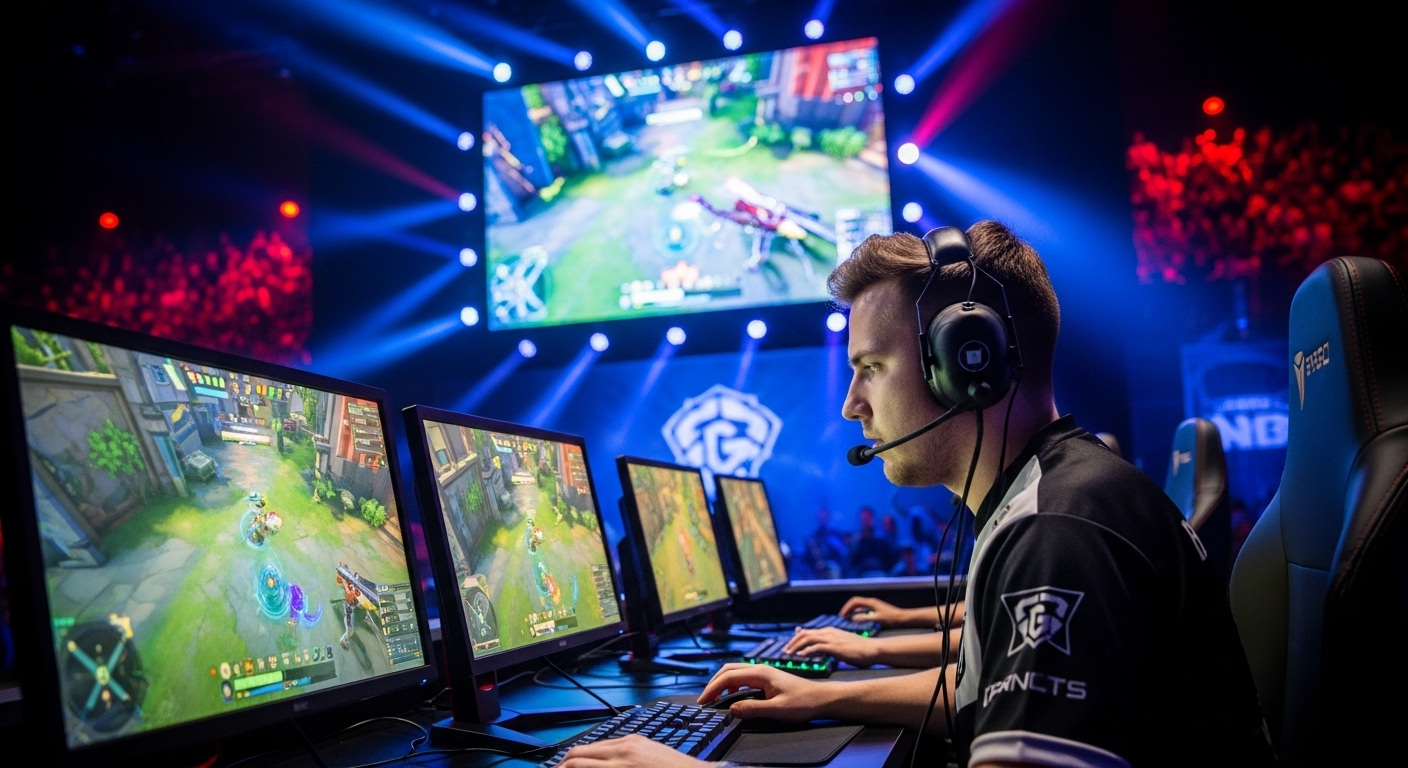
Esports professionals are more than just gamers; they are dedicated athletes who train rigorously to perfect their skills. They practice daily, study strategies, and maintain strict routines to stay at the top of their game. Teams operate like traditional sports franchises, complete with coaches, analysts, and managers. Players compete in international tournaments where winning can mean fame, sponsorships, and millions in prize money.
The Esports Economy
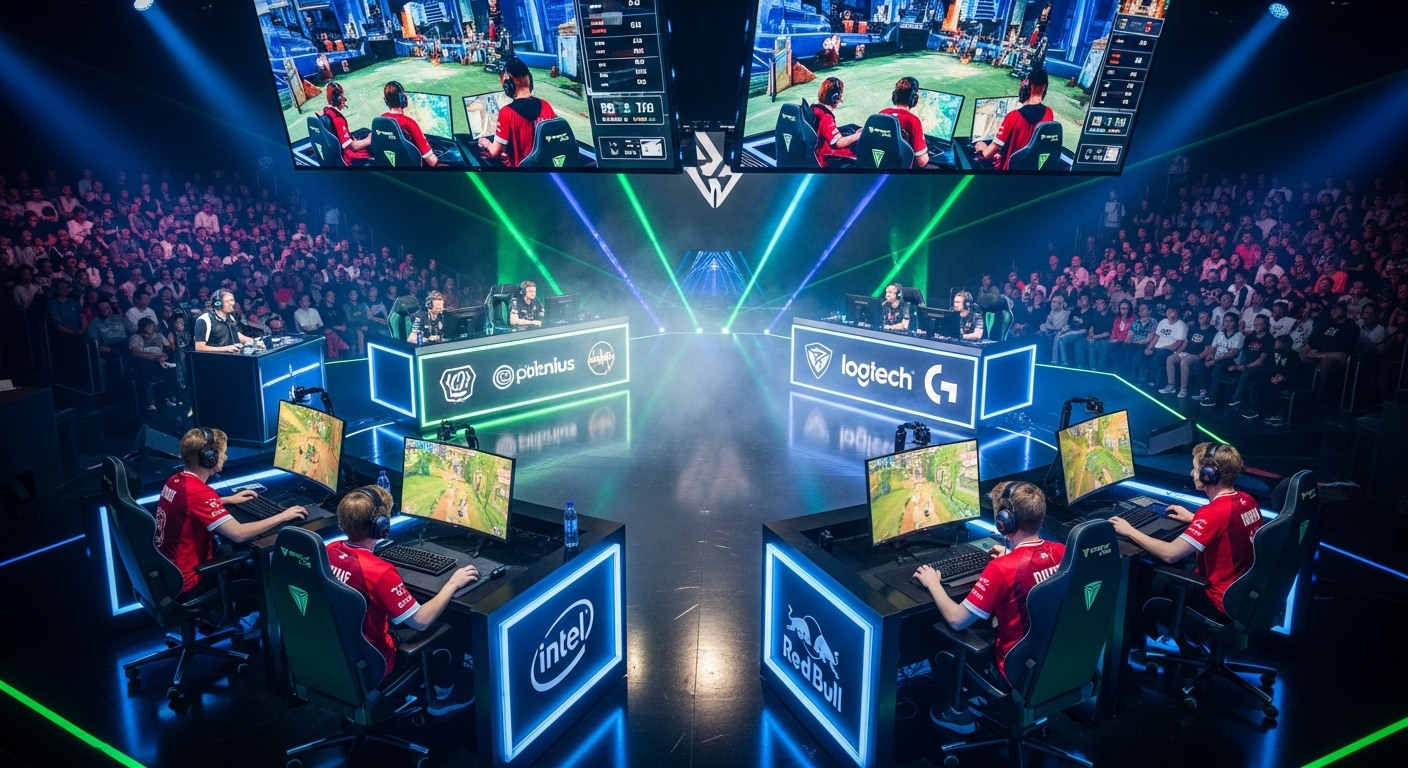
The business side of esports is as impressive as the gameplay itself. Sponsorship deals, advertising, ticket sales, and merchandising all contribute to a booming economy. Major companies across technology, food, fashion, and automotive industries are investing heavily in esports. This financial growth has given rise to new career opportunities not only for players but also for commentators, event organizers, and content creators.
Technology Driving Esports
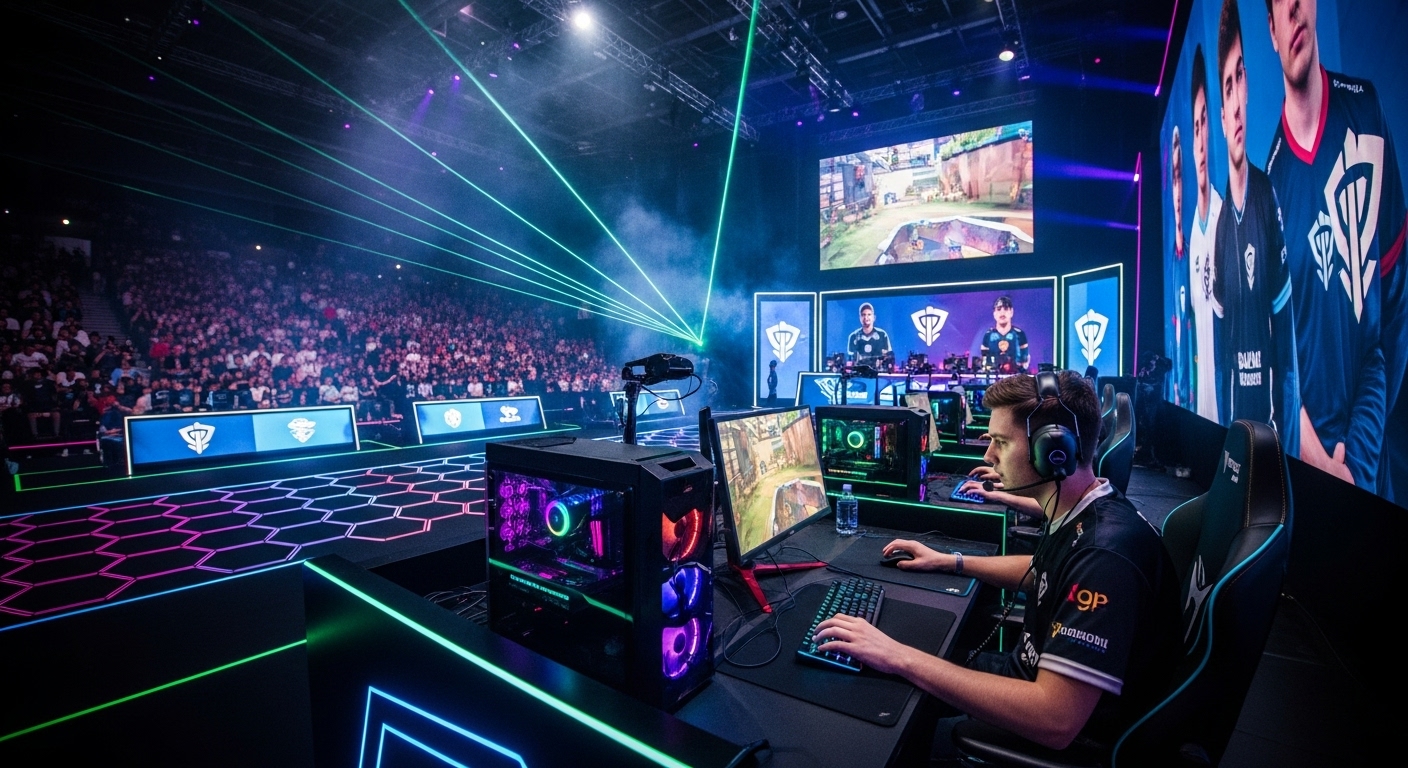
Technology is the heartbeat of esports. High-speed internet, advanced gaming consoles, powerful PCs, and immersive graphics have elevated the experience for both players and viewers. Streaming platforms allow fans to follow live matches, while innovations like virtual reality and augmented reality promise to take gaming to the next level. The fusion of technology and entertainment makes esports a symbol of modern innovation.
The Global Esports Community
Esports is more than just competition; it is a thriving community that unites people across borders. Fans form online communities, support their favorite teams, and discuss strategies. Gaming has broken language and cultural barriers, bringing people together through shared passion. Tournaments often feature players from different countries, reflecting the truly international spirit of esports.
Esports in Education
In recent years, educational institutions have recognized the value of esports. Many schools and universities have launched esports programs that teach teamwork, strategy, and digital skills. Scholarships are now offered to talented players, making esports a legitimate career path for students who aspire to combine their passion for gaming with professional growth.
The Future of Esports
The future of esports looks incredibly bright. With technological advancements and increasing mainstream recognition, esports is set to become an even larger part of global entertainment. It continues to attract younger audiences who see gaming not just as a hobby but as a profession. The boundary between sports and esports is fading, creating a new form of digital athleticism.
Conclusion
Esports has proven that competition knows no limits. It has redefined what it means to be an athlete, a fan, and a community. The digital battlefield has become a stage where talent, technology, and passion collide. As esports continues to grow, it stands as a powerful symbol of how the world of gaming has evolved from pastime to powerhouse—truly powering the pixels of modern entertainment.