
Esports has rapidly evolved from a niche hobby to a multi-billion-dollar global industry, fundamentally transforming the landscape of entertainment, sports, and technology. What started as a passion for competitive gaming has now grown into a professional field with millions of fans and professional players. In this blog post, we will explore the rise of esports, the reasons behind its rapid growth, and how it’s shaping the future of gaming and entertainment.
The Origins of Esports
Esports, short for electronic sports, traces its roots back to the late 1990s. Competitive gaming began as informal contests between friends, with games like Doom, Quake, and StarCraft taking center stage. These early tournaments were small, often held in LAN (Local Area Network) parties or arcades. However, as the internet evolved, so did competitive gaming. The 2000s saw the emergence of online gaming tournaments, where players from across the world could compete without leaving their homes.
The real turning point for esports came in 2011 with the release of League of Legends, a multiplayer online battle arena (MOBA) game. Riot Games, the developer behind League of Legends, held massive tournaments with huge prize pools, attracting global attention. This event laid the foundation for the esports ecosystem we see today—professional players, large sponsorships, and global fanbases.
The Phenomenal Growth of Esports
Expanding Viewership and Global Reach
One of the key factors behind the rise of esports is its rapidly expanding global viewership. Streaming platforms like Twitch, YouTube Gaming, and Facebook Gaming have made it easier for fans to watch their favorite players and tournaments live from anywhere in the world. Esports tournaments, such as The International (Dota 2) and League of Legends World Championship, now attract millions of viewers, often surpassing the viewership of traditional sports like the Super Bowl and the FIFA World Cup.
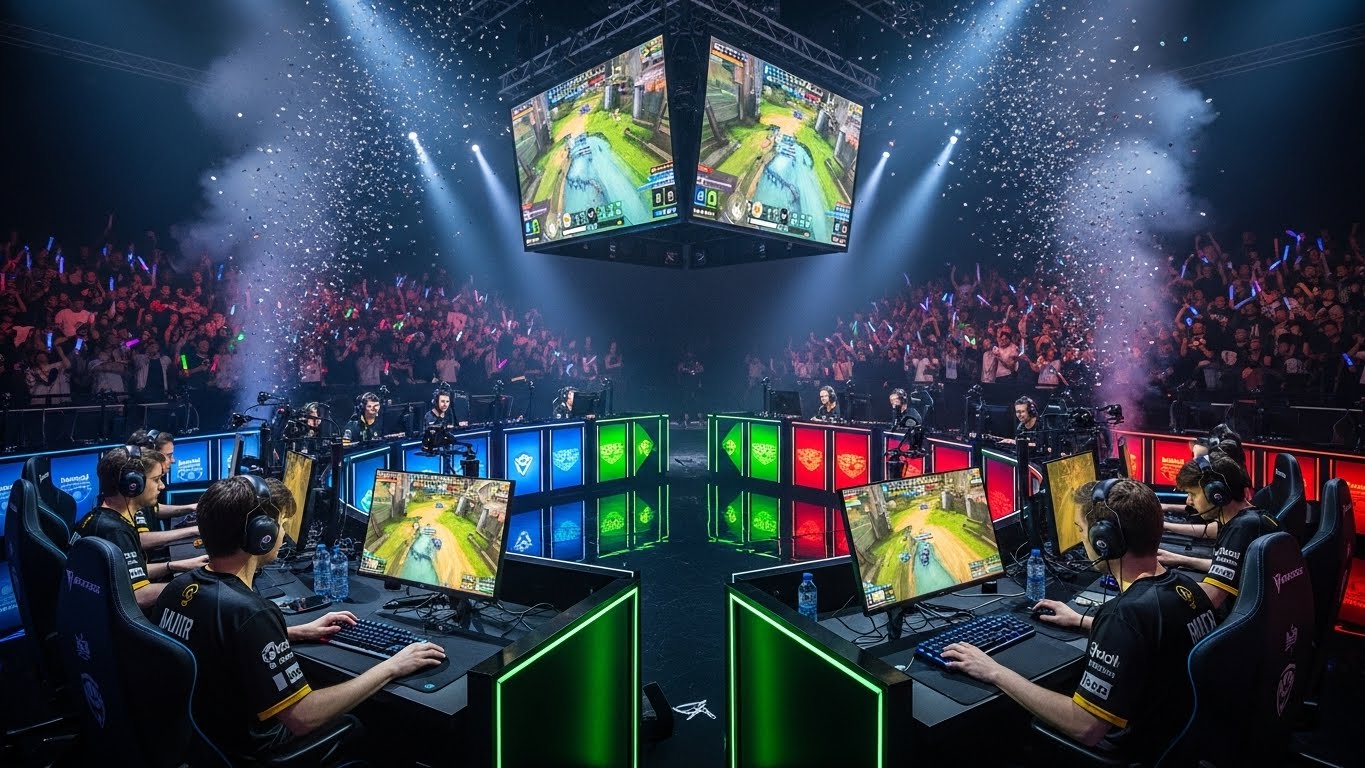
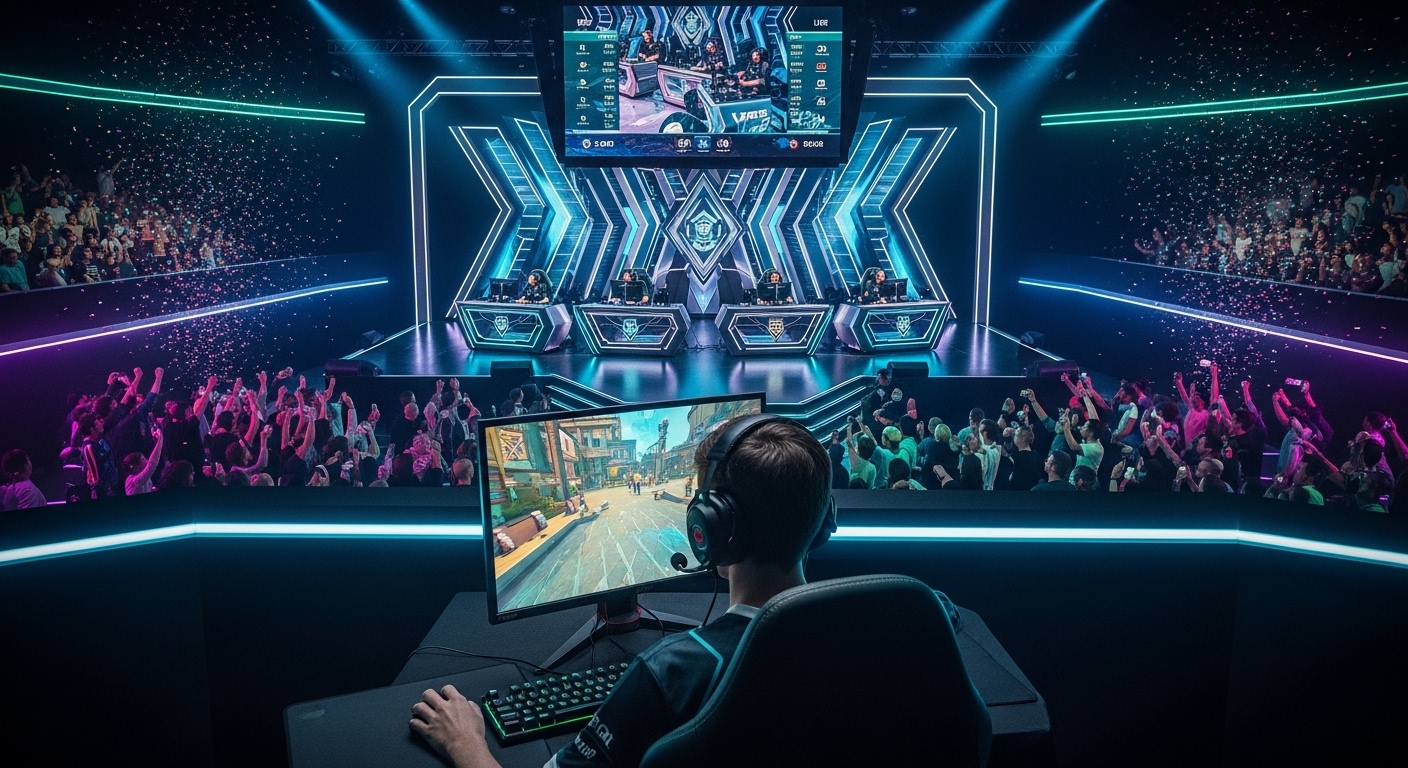
The growth of esports as a spectator sport is not confined to the digital space. Major stadiums and arenas across the world are now hosting esports events, drawing crowds in the tens of thousands. The 2018 League of Legends World Championship, for example, was held at the Incheon Munhak Stadium in South Korea, and sold out in a matter of minutes, with over 45,000 fans attending in person. This shift to physical venues demonstrates just how far esports has come in terms of mainstream recognition.
Professionalization of the Industry
Another major reason for the rapid growth of esports is the professionalization of the industry. As esports transitioned from a hobby to a career, organizations began forming competitive teams and signing professional players to long-term contracts. This is very similar to the way traditional sports teams operate, offering salaries, benefits, and sponsorship deals to players.
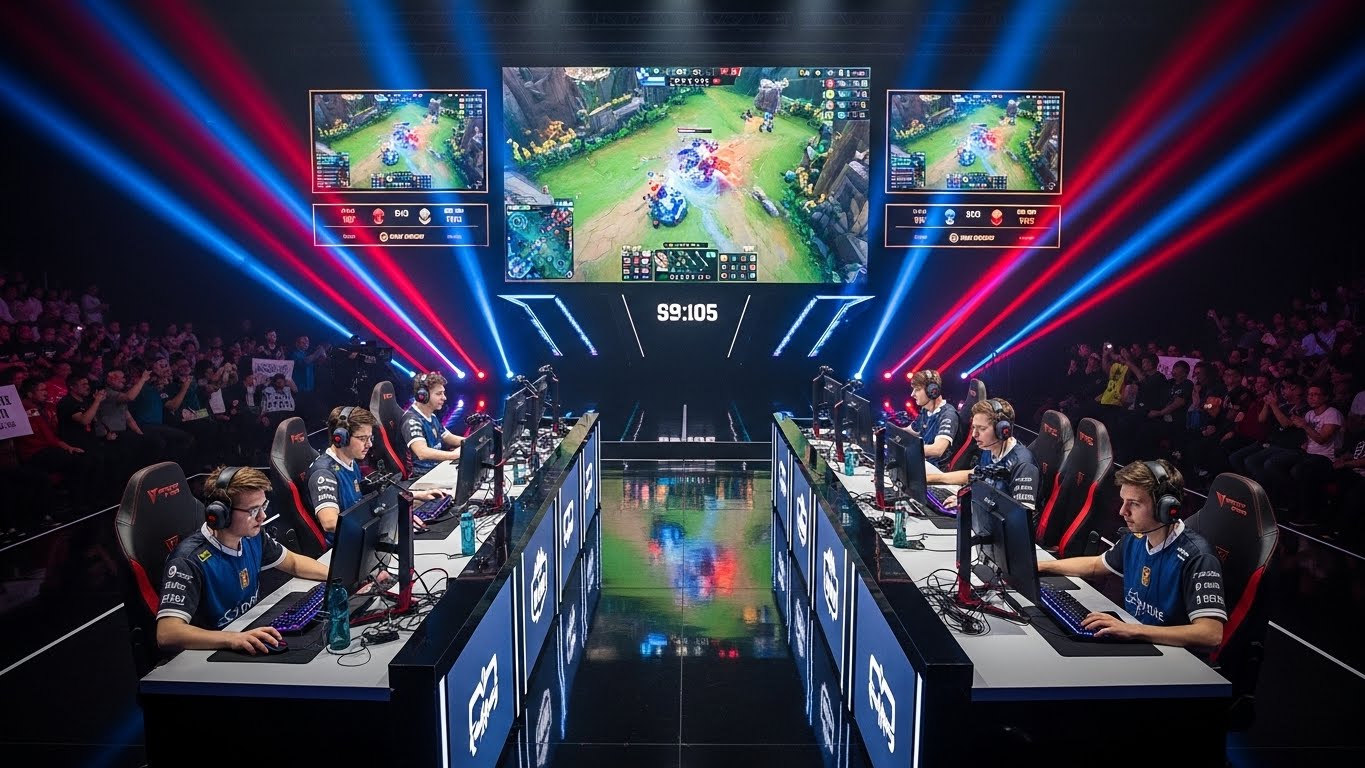
Esports leagues, like the Overwatch League and Call of Duty League, have adopted franchise models, with teams representing cities or regions, much like professional football or basketball leagues. These teams compete in regular seasons, culminating in high-stakes playoffs and championships. The players in these leagues can earn substantial salaries, not to mention the sponsorships and endorsement deals that are now commonplace.
The Appeal of Esports: Why It Works
Accessibility for Players and Viewers
One of the major appeals of esports is how accessible it is. Unlike traditional sports, which often require expensive equipment, facilities, and coaching, all you need to get started in esports is a computer or console and an internet connection. This has democratized gaming, allowing players from all walks of life to compete on a global stage.
The accessibility extends to viewers as well. Anyone with an internet connection can watch esports competitions for free on streaming platforms. This global accessibility has been key to esports’ rapid rise in popularity, as fans from different countries and cultures can easily access tournaments and cheer for their favorite teams and players.
The Thrill of Competition
Esports also taps into the same competitive spirit that makes traditional sports so thrilling. Professional esports players train for hours each day to master their games, and the stakes in these tournaments can be just as high as any traditional sport. Prize pools for major esports events can range from hundreds of thousands to millions of dollars, which adds an additional layer of excitement for players and viewers alike. For example, The International 2023 (Dota 2) had a prize pool of over $40 million, making it one of the largest in esports history.
Moreover, esports tournaments bring the best players from around the world together, creating a highly competitive environment where fans get to watch intense, high-stakes matches. This level of competition, combined with the skill required to excel, is a major part of what draws people to esports events.
Esports and Sponsorships: The Business Side
As esports has grown, so too has the interest from major brands and corporations looking to tap into the lucrative esports market. Companies from all industries—technology, consumer goods, fashion, and even automotive—are investing heavily in esports sponsorships, partnerships, and advertisements. Global brands like Intel, Coca-Cola, and Nike are now common sponsors of esports tournaments and players.
Sponsorship deals are crucial to the success of esports, as they help fund tournaments, improve prize pools, and provide teams with the resources needed to compete at the highest level. For example, Red Bull has been a prominent sponsor of Dota 2 events, while Audi has partnered with League of Legends for special promotions and in-game content. These sponsorships not only provide financial backing but also serve to bring esports further into the mainstream.
Esports as a Career Path
The growing popularity of esports has also made it a viable career option for many. Professional players, streamers, analysts, coaches, and even tournament organizers can now make a living from esports. Universities are offering scholarships for competitive gaming, and esports management programs are becoming increasingly common. This trend reflects the mainstream acceptance of esports as a legitimate career path.
Some players start their careers as casual streamers on platforms like Twitch, where they can earn money through donations, sponsorships, and advertising revenue. Others might join esports teams and compete professionally, earning salary and prize money. Coaches, analysts, and casters (commentators) also have career opportunities, as their expertise is crucial to the success of tournaments and teams.
The Future of Esports
Looking ahead, the future of esports seems incredibly promising. As technology continues to advance, we can expect even more immersive gaming experiences. Virtual reality (VR) and augmented reality (AR) are starting to make their way into the world of gaming, and esports could soon benefit from these innovations. Imagine experiencing a Counter-Strike match from the perspective of a player or watching a Fortnite battle royale in full 3D in your living room.
Esports will also likely continue to expand into new regions, with more tournaments and leagues being established across the globe. The continued professionalization of the industry could lead to even greater levels of investment and bigger tournaments, attracting more mainstream media coverage. Esports might even find itself integrated into the traditional sports world, with professional leagues and federations working alongside established sports organizations.
Conclusion: A New Era of Sports and Entertainment
Esports has undoubtedly become a transformative force in the world of entertainment. It has brought together millions of fans, provided opportunities for professional players, and created an entire ecosystem around competitive gaming. As technology continues to evolve, and more investment flows into the industry, esports is poised to become even bigger in the coming years.
For now, esports offers a unique blend of competition, entertainment, and digital innovation. Whether you’re a casual gamer, a professional player, or a dedicated fan, it’s clear that esports is not just a passing trend—it’s a cultural revolution that’s here to stay.