The Emergence of Esports
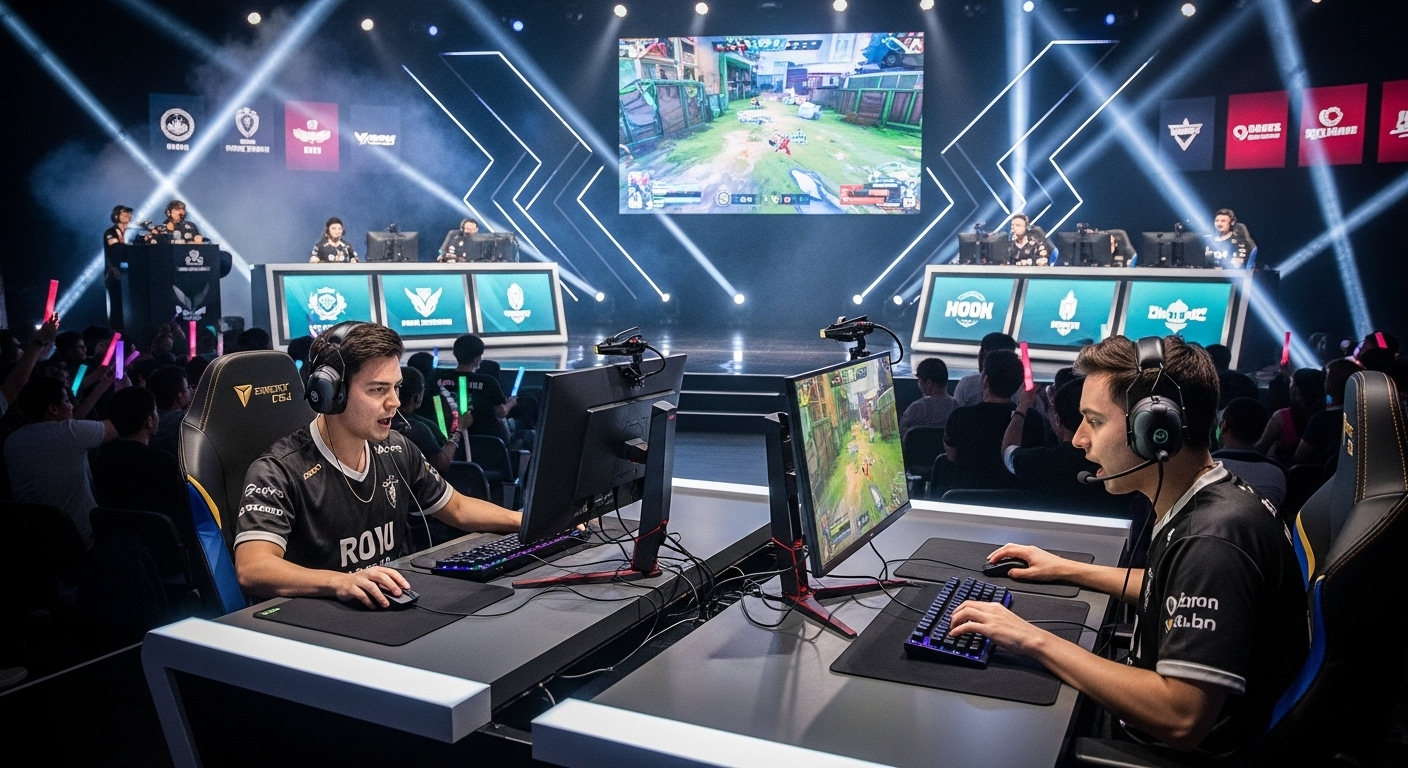
Esports, or competitive gaming, has rapidly grown into a global phenomenon. Once considered a hobby for casual gamers, it has transformed into a professional arena where skilled players compete for fame, recognition, and substantial prize money. Today, esports bridges the gap between entertainment, sports, and technology, attracting millions of fans worldwide.
Professional Gaming as a Career
Esports offers viable career opportunities for talented individuals. Professional players dedicate hours daily to practice, strategize, and improve their skills, much like traditional athletes. Teams, sponsors, and leagues support players through training programs and competitive events. The professionalization of esports has turned gaming from a pastime into a respected profession, creating pathways for both players and industry experts.
Popular Esports Titles
Competitive gaming spans multiple genres, each requiring unique strategies and skills. Multiplayer online battle arenas (MOBAs) like League of Legends and Dota 2 demand teamwork and tactical planning. First-person shooters (FPS) such as Counter-Strike and Valorant emphasize precision and reflexes. Sports simulations like FIFA allow fans to experience virtual versions of traditional sports. This diversity ensures that esports appeals to a wide audience and cultivates specialized talent.
Social and Cultural Impact
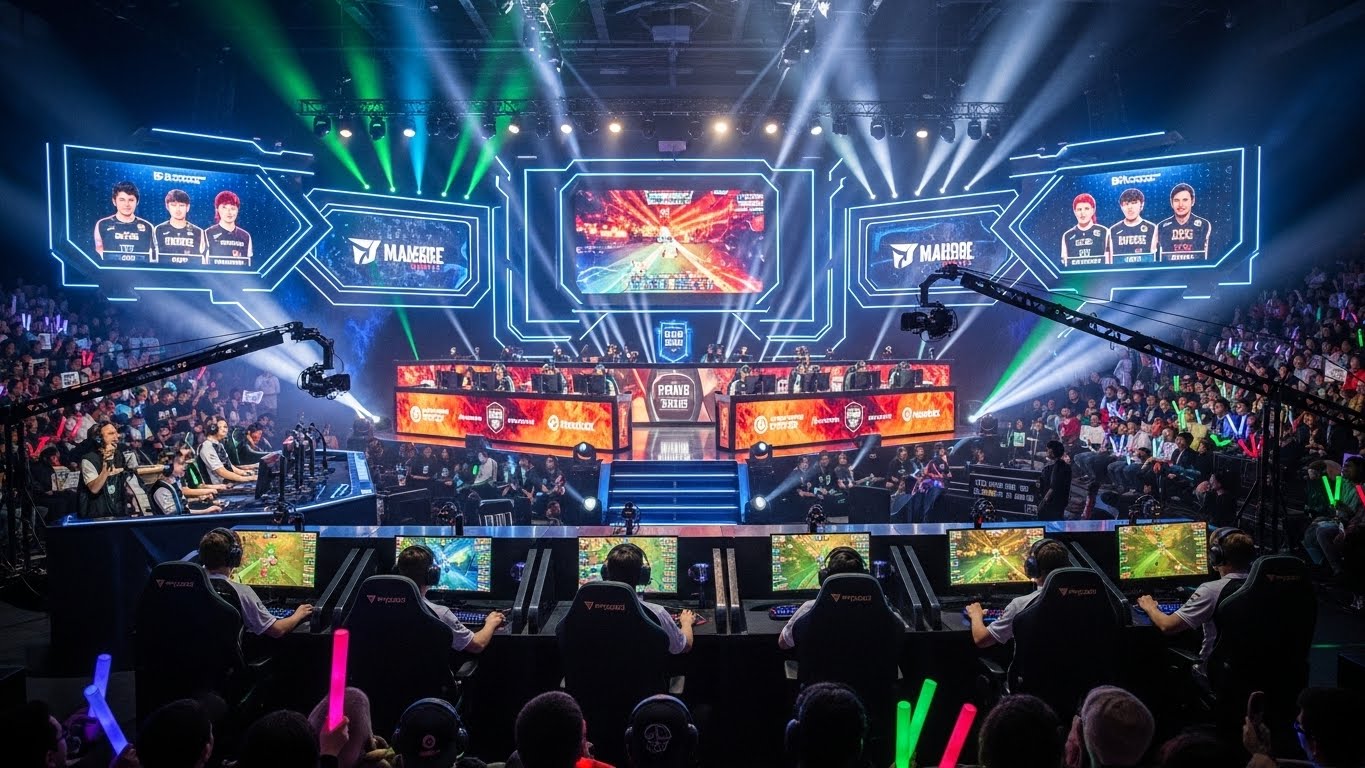
Esports has created vibrant communities where players, fans, and content creators interact. Streaming platforms allow audiences to watch live matches, learn strategies, and engage with their favorite players. Large-scale tournaments foster a sense of camaraderie and excitement, while gaming culture influences fashion, music, and social trends. Esports has not only redefined entertainment but also shaped a new cultural ecosystem.
Cognitive and Skill Development
Competitive gaming enhances more than hand-eye coordination. Esports players develop critical thinking, decision-making, communication, and teamwork skills. Fast-paced games improve reflexes and adaptability, while strategy-based games foster problem-solving and analytical abilities. For many participants, esports is both a source of enjoyment and a platform for cognitive growth.
The Economics of Esports
Esports has become a multi-billion-dollar industry. Revenue streams include sponsorships, merchandise, streaming platforms, and tournament prize pools. Organizations invest in teams, marketing, and infrastructure to expand their influence. With professional leagues and international competitions, esports contributes significantly to the global entertainment economy and creates opportunities for new businesses.
Challenges in Competitive Gaming
Despite its growth, esports faces challenges. Players often deal with mental and physical strain, balancing training schedules with personal life. Community management, fairness, and cheating prevention are ongoing concerns. Ensuring responsible gaming practices is crucial for the long-term sustainability of the industry.
The Future of Esports
The future of esports is promising. Emerging technologies such as virtual reality, augmented reality, and artificial intelligence are creating more immersive experiences. Esports is likely to gain even wider recognition as a mainstream form of entertainment and competition, attracting global talent and expanding its audience. The integration of technology and creativity ensures that esports will continue to evolve in exciting ways.
Conclusion
Esports is more than a digital pastime—it is a professional, cultural, and social movement. It combines strategy, skill, and entertainment to create engaging and competitive experiences. As the industry grows, esports will continue to redefine the landscape of sports and entertainment, offering opportunities for players, fans, and businesses worldwide. Competitive gaming has arrived, and its impact on the modern world is undeniable.