Introduction
Esports has transformed competitive gaming into a global spectacle, attracting millions of viewers, international sponsors, and massive prize pools. Today, some esports tournaments are not only showcases of elite skill but also some of the most expensive events in the entertainment world. From lavish production stages to multi-million-dollar prize pools, these events rival traditional sporting spectacles in scale and extravagance.
This blog explores the world’s most expensive esports events, examining what makes them costly, the games they feature, and why they have become key pillars in the rapidly growing esports industry.
The Rise of High-Budget Esports Events
Esports began as grassroots competitions in local arcades and small-scale tournaments. Over the past two decades, it has evolved into a billion-dollar industry with professional teams, sponsorships, and live global broadcasts. The rise of streaming platforms and digital media has made high-budget esports events both viable and highly profitable.
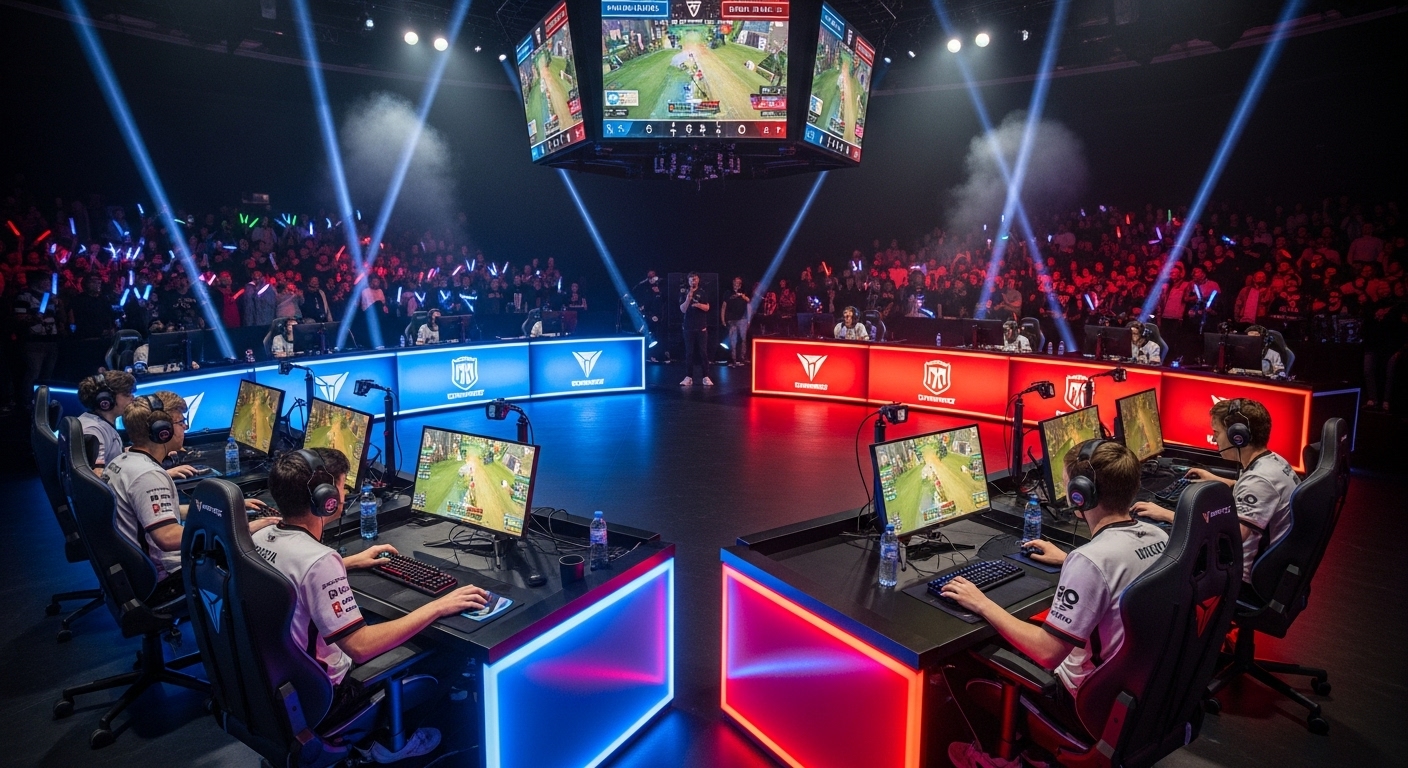
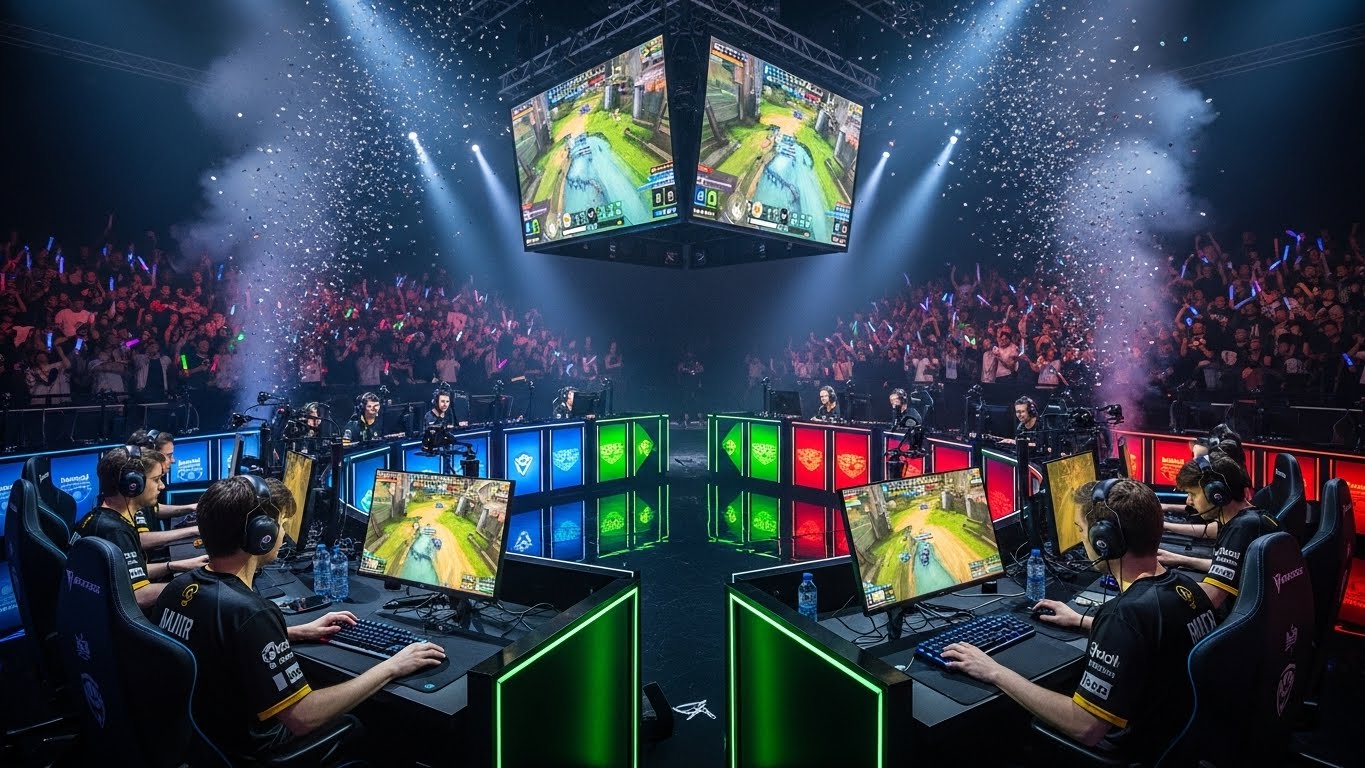
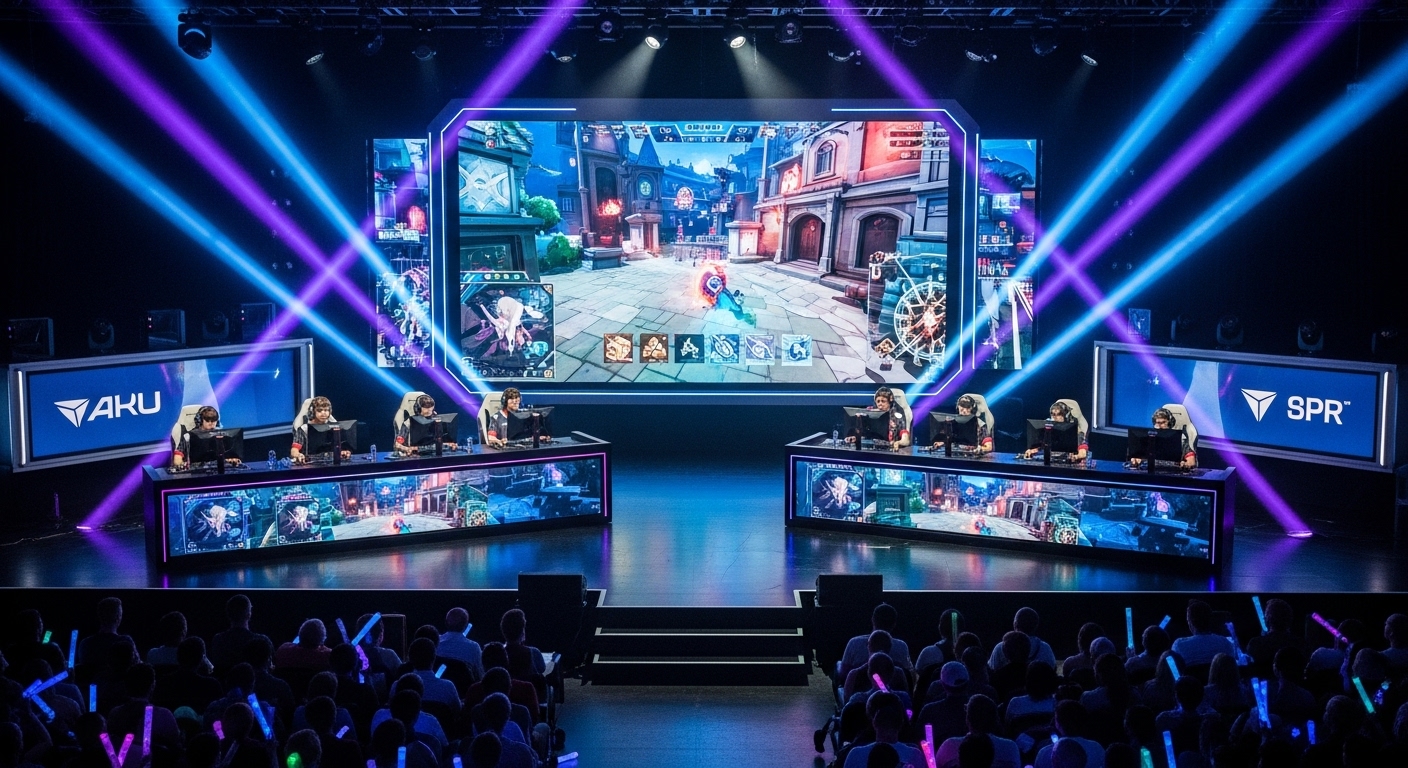
Today, esports events invest heavily in production, infrastructure, player facilities, and audience experiences. Elaborate stages, advanced lighting, immersive visuals, and high-quality streaming setups contribute to the significant costs. Furthermore, the sheer scale of global tournaments, often spanning multiple days and continents, adds to the expenses. These investments, however, pay off in viewership, sponsorship, and brand recognition.
The International (Dota 2)
Valve’s The International, the annual Dota 2 championship, is widely recognized as the most expensive esports event in terms of prize money. Funded partly by in-game purchases from the Dota 2 community, The International consistently features prize pools exceeding tens of millions of dollars, making it the pinnacle of competitive esports.
The tournament is hosted in large arenas with elaborate stage designs, massive LED screens, and advanced production systems to enhance the viewing experience. Teams from around the world compete for glory, with matches broadcast globally. The International is not only expensive due to prize money but also because of logistics, production, and global media coverage, making it a standout in esports history.
League of Legends World Championship
The League of Legends World Championship is another high-budget esports event, attracting millions of live viewers and streaming audiences. Riot Games invests heavily in production, creating cinematic opening ceremonies, intricate stage setups, and interactive fan experiences.
The tournament spans several weeks, taking place in multiple cities across the host country. The cost includes travel, accommodation, player facilities, and high-end production values. With substantial sponsorship deals and a massive global fanbase, the League of Legends World Championship represents a blend of competitive esports and large-scale entertainment.
Fortnite World Cup
Epic Games’ Fortnite World Cup has set benchmarks in esports investment and prize pools. With multi-million-dollar awards for solo and team competitions, this event has attracted professional players and streamers from around the globe.
The tournament emphasizes spectacle, featuring elaborate stages, themed visuals, and live concerts. Fortnite’s appeal to younger audiences, combined with its cultural impact, has allowed Epic Games to create an event that is both competitive and highly entertaining. The World Cup showcases how investment in production and player experience can elevate an esports event to mainstream prominence.
Call of Duty League Championships
The Call of Duty League (CDL) Championships have become some of the most expensive events in esports, combining professional competition with high-quality production. Teams compete in multi-day tournaments broadcast globally, with stages designed to resemble traditional sports arenas.
CDL invests in advanced streaming setups, interactive fan experiences, and large-scale event management. The combination of franchise-based teams, sponsorship deals, and merchandise revenue contributes to the high cost of hosting these championships. These events demonstrate how esports has grown to rival traditional sporting leagues in terms of scale and investment.
CS:GO Majors
Counter-Strike: Global Offensive (CS:GO) Majors are renowned for their intense competition and high production value. These tournaments, supported by Valve and international organizers, feature large prize pools and elaborate staging.
CS:GO Majors invest heavily in production to create immersive experiences for both live audiences and viewers streaming online. Advanced lighting, sound systems, and broadcast technology ensure a professional presentation. The combination of global fan engagement, sponsorship, and the legacy of CS:GO as a competitive title makes Majors some of the most expensive esports events in the world.
Overwatch League Grand Finals
The Overwatch League Grand Finals represent one of the most expensive annual esports events, combining esports competition with entertainment spectacle. Blizzard Entertainment invests in high-end production, including advanced stage design, immersive visuals, and high-quality live broadcasts.
Teams from around the world compete in a season-long league culminating in the Grand Finals, hosted in major arenas. The investment in venue, player facilities, and fan engagement contributes significantly to the cost. The Overwatch League illustrates how esports can blend competitive integrity with entertainment production value, creating an experience akin to major sporting finals.
Factors Driving High Costs in Esports Events
Several factors contribute to the high costs of modern esports events:
- Prize Pools: Millions of dollars in prize money for top teams and players.
- Production Value: Advanced lighting, sound systems, video walls, and immersive stage design.
- Player Facilities: Travel, accommodation, coaching, and training support.
- Media Coverage: Professional streaming, commentary, and broadcasting infrastructure.
- Fan Engagement: Live events, merchandise, interactive experiences, and marketing campaigns.
These investments are essential to create events that attract global audiences, sponsorships, and media attention, establishing esports as a major entertainment industry.
The Impact of Expensive Esports Events
High-budget esports events have far-reaching effects:
- Elevating the Industry: They set professional standards and inspire other tournaments to improve production quality.
- Player Development: Large-scale events provide opportunities for players to compete at the highest level and gain international recognition.
- Global Engagement: Expensive events attract global audiences, increasing fan interaction and cultural impact.
- Economic Influence: Sponsors, merchandise, media rights, and ticket sales contribute to the economic growth of the esports ecosystem.
These events demonstrate that esports is not merely a hobby but a serious industry capable of producing spectacles rivaling traditional sports.
Challenges of Hosting High-Cost Events
Despite the success, expensive esports events face challenges:
- Financial Risk: The investment in production and prize pools can be significant, with profitability depending on sponsorship, viewership, and ticket sales.
- Player Pressure: High-stakes competitions can lead to stress and burnout for professional players.
- Logistics and Security: Organizing multi-day, international events requires complex planning and safety measures.
- Viewer Saturation: Maintaining audience interest in consecutive large-scale events can be challenging.
Managing these challenges is essential for sustaining esports growth while ensuring player and fan satisfaction.
Conclusion
The world’s most expensive esports events showcase the evolution of competitive gaming into a global entertainment industry. Tournaments like The International, League of Legends World Championship, Fortnite World Cup, and CS:GO Majors combine elite competition, immersive production, and massive prize pools to create unforgettable experiences for players and fans.
These high-cost events are more than just games—they are spectacles, cultural phenomena, and benchmarks for the future of esports. As the industry continues to grow, these tournaments demonstrate the immense potential and influence of esports on the global entertainment landscape, proving that competitive gaming is now a multi-billion-dollar spectacle on par with traditional sports.