
Introduction: The Rise of a Digital Sport
In the 21st century, the definition of sports has expanded beyond traditional physical competitions. A new type of athlete has emerged—one who competes in digital arenas rather than physical fields. This athlete belongs to the world of Esports, short for electronic sports, where organized, competitive video gaming has grown into a global phenomenon.
Esports is no longer just a hobby or pastime; it has become a structured, professional industry with international tournaments, professional players, sponsorship deals, and millions of fans worldwide. From small local competitions to global broadcasts filling stadiums, Esports exemplifies the evolution of entertainment, technology, and competition.
The Early Days of Competitive Gaming
The origins of Esports trace back to the early 1970s. The first recognized video game tournament was held at Stanford University in 1972, featuring the game Spacewar. Though the prize was modest, this event marked the beginning of organized competitive gaming.
In the 1980s, arcade games like Pac-Man, Donkey Kong, and Space Invaders became cultural sensations. Players competed for high scores, and local competitions began to form. Magazines started publishing leaderboards, encouraging a growing community of competitive gamers.
By the 1990s, the advent of personal computers and the internet allowed multiplayer gaming to flourish on a global scale. Games such as Doom, Quake, and StarCraft enabled players from different regions to compete online. South Korea pioneered professional gaming leagues for StarCraft, complete with televised matches and nationwide recognition. These developments laid the foundation for modern Esports.
Professional Esports: Careers and Opportunities
Esports today offers legitimate career paths for skilled players. Professional gamers dedicate countless hours to practice, strategy, and teamwork. Success requires quick reflexes, precise decision-making, and strong communication.
Leading organizations like Team Liquid, Cloud9, and Fnatic operate much like traditional sports franchises. They provide players with coaches, analysts, nutritionists, and managers to optimize performance. Players earn income through salaries, tournament winnings, sponsorships, and merchandise.
Despite the rewards, professional Esports comes with challenges. Long hours of practice, travel, and high-pressure competitions can lead to mental and physical fatigue. Organizations now offer wellness programs and mental health support to help players maintain longevity and balance in their careers.
Esports Game Genres
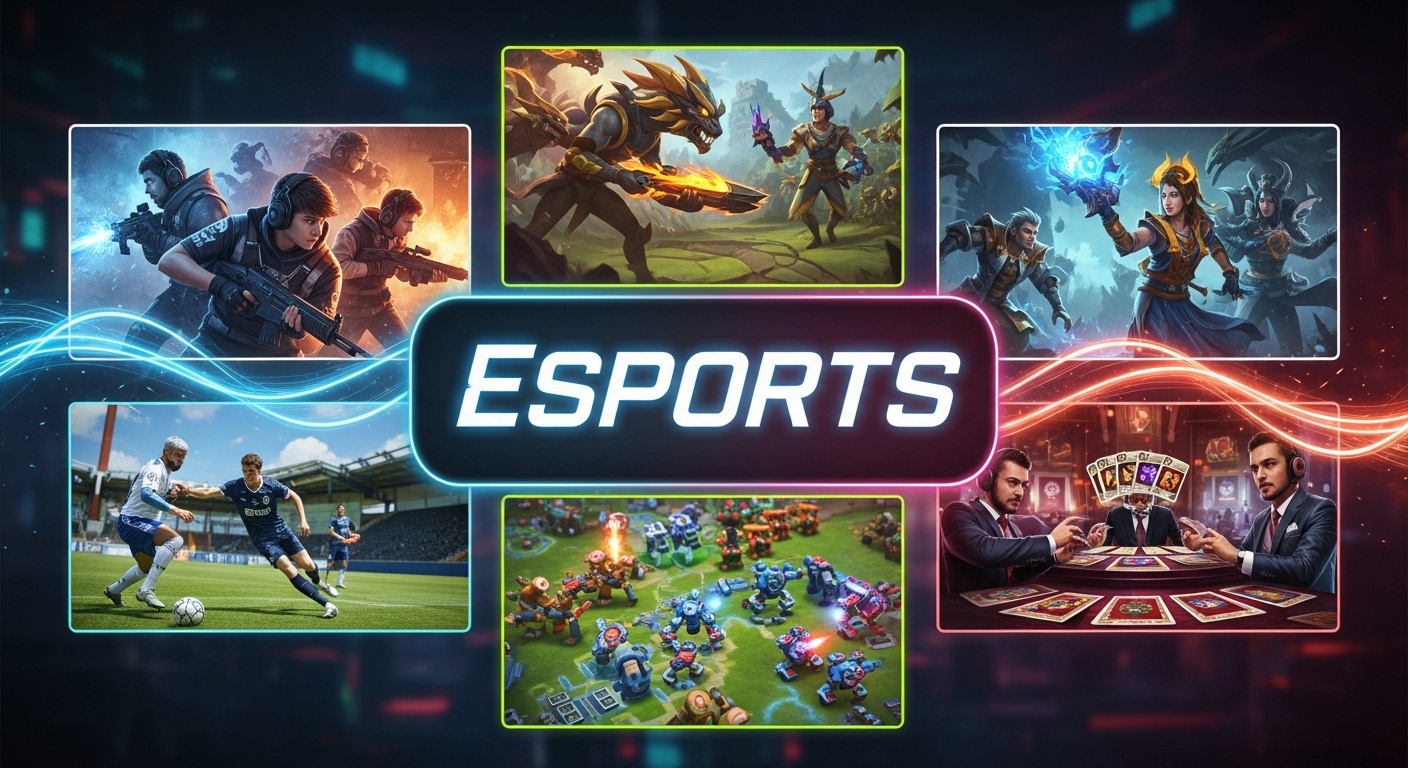
Esports encompasses a wide variety of game genres, each requiring unique skills and strategies.
Multiplayer Online Battle Arena (MOBA)
MOBA games, such as League of Legends and Dota 2, focus on teamwork, strategy, and coordination. Players control unique characters with special abilities and work together to defeat the opposing team. MOBA tournaments are among the most-watched events in Esports, often featuring multi-million-dollar prize pools.
First-Person Shooter (FPS)
FPS games like Counter-Strike: Global Offensive, Valorant, and Overwatch test precision, reflexes, and tactical skill. Teams consist of specialized roles, and tournaments highlight both individual skill and coordinated strategies.
Battle Royale
Battle royale games, including Fortnite and PUBG, involve large numbers of players competing to be the last one standing. The unpredictable nature of these games creates intense competition and makes them highly engaging for spectators.
Sports Simulations
Games such as FIFA and NBA 2K replicate real-world sports in a digital environment. Competitive leagues mirror professional sports, emphasizing timing, strategy, and knowledge of game mechanics.
Fighting Games
Fighting games like Street Fighter, Tekken, and Super Smash Bros. are one-on-one competitions requiring skill, timing, and character mastery. These games often maintain grassroots communities and host prestigious international tournaments.
The Evolution of Esports Tournaments
Esports tournaments have evolved from small local competitions to major international events. Early gatherings were often informal LAN parties or online matches. Today, professional leagues fill arenas and attract millions of online viewers.
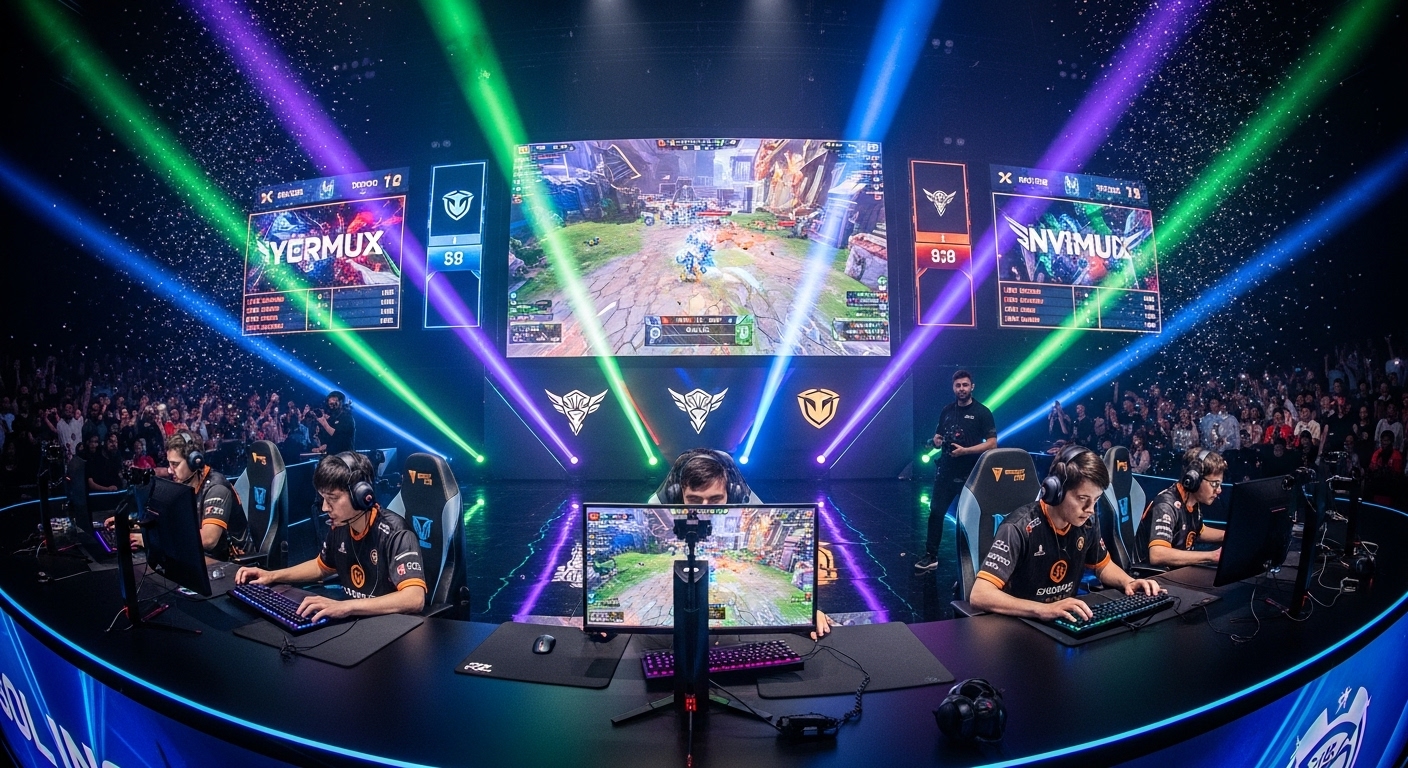
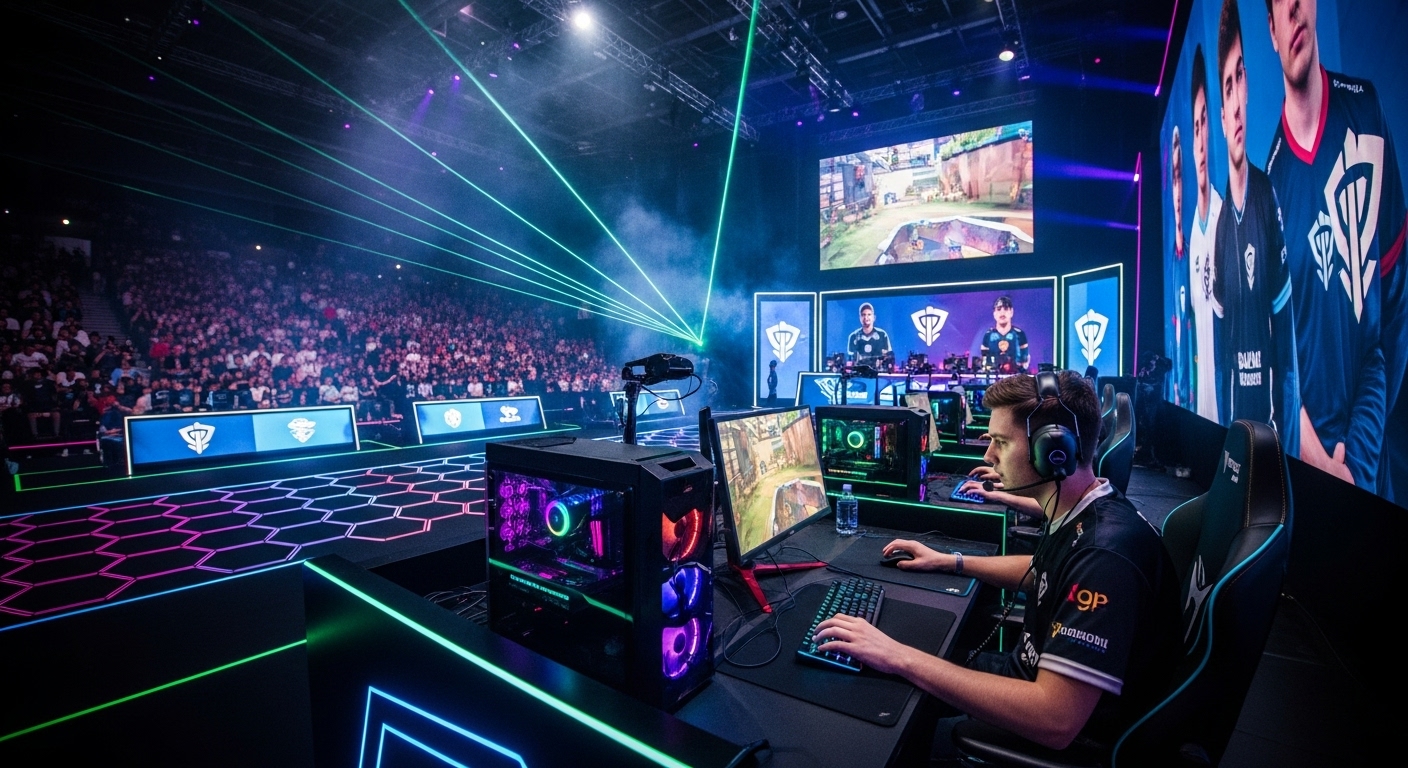
High-profile tournaments, including The International for Dota 2, the League of Legends World Championship, and the Overwatch League Finals, feature multi-million-dollar prize pools. These events include professional broadcasting, commentary, and live production, creating a cinematic experience for fans.
Tournaments also foster fan engagement, with storylines, rivalries, and personal journeys of players adding depth to the competitions. This narrative aspect transforms Esports into a global spectacle beyond just the games themselves.
The Role of Streaming in Esports
Streaming platforms have been instrumental in the growth of Esports. They allow fans to watch live matches, follow favorite players, and interact with the community in real-time. Streamers can monetize their content through subscriptions, donations, and sponsorships, turning their passion into a career.
Streaming also democratizes Esports. Aspiring players can showcase their skills, gain recognition, and potentially enter professional leagues without traditional recruitment. Fans can study strategies, learn gameplay techniques, and engage with a global community, making Esports both entertaining and educational.
Esports as a Spectator Sport
Esports is more than a competition—it is a spectator-driven experience. Fans enjoy watching strategic gameplay, high-stakes moments, and coordinated teamwork. Casters, or professional commentators, provide analysis and narration, helping viewers understand the intricacies of each match.
Live events are highly immersive, with lighting, music, visual effects, and real-time statistics enhancing the experience. Online communities amplify this engagement by allowing fans to discuss matches, predict outcomes, and celebrate victories together, creating a global social culture around gaming.
Economic Impact of Esports
Esports is a multi-billion-dollar industry. Revenue streams include sponsorships, advertising, media rights, merchandise, and ticket sales. Prize pools for major tournaments often reach millions of dollars, attracting talent and corporate investment.
Beyond players, Esports supports a range of careers. Event organizers, analysts, commentators, marketers, and content creators contribute to the ecosystem. The financial success of Esports demonstrates its sustainability and significance as a global entertainment industry.
Esports in Education and Youth Development
Educational institutions have embraced Esports as both a competitive and educational platform. Schools and universities offer scholarships, team programs, and courses in game design, marketing, and event management.
Participation in Esports promotes teamwork, communication, problem-solving, and strategic thinking. Students gain valuable skills applicable in professional and academic settings. Esports programs also foster inclusivity, allowing students from diverse backgrounds to engage, collaborate, and compete.
Challenges Facing the Esports Industry
Despite its growth, Esports faces several challenges. Mental and physical health concerns arise due to long hours of practice and high-pressure environments. Organizations are increasingly implementing wellness programs to support player health.
Regulatory inconsistency is another issue. Different tournaments have varying rules, creating disparities and sometimes undermining competitive integrity. Cheating, match-fixing, and contractual disputes remain risks. Diversity and inclusion are ongoing concerns, as female and minority players work to achieve equitable representation. Financial stability is also crucial, requiring diversification of revenue streams to sustain long-term growth.
Technological Innovations in Esports
Technology is the backbone of Esports. High-performance computers, gaming peripherals, and fast internet enable high-level competitive play. Emerging technologies such as virtual reality, augmented reality, and cloud gaming are transforming how players compete and how audiences experience tournaments.
Artificial intelligence plays a significant role in performance analysis, strategy development, and player training. AI tools help teams study opponents, optimize gameplay, and improve practice routines. Continued technological advancements ensure Esports remains dynamic, interactive, and innovative.
Social and Cultural Impact of Esports
Esports has created a global culture that transcends borders. Online and offline communities foster collaboration, friendship, and shared identity. Fans engage through live streams, social media, and forums, participating in discussions and events that connect people worldwide.
Esports redefines athleticism, prioritizing skill, strategy, and teamwork over physical prowess. Female and minority players are gaining recognition, promoting diversity and inclusivity. Many Esports events also support charitable causes, raising funds for education, disaster relief, and social initiatives.
The Future of Esports
The future of Esports is promising. Virtual reality tournaments, AI-assisted coaching, and immersive digital environments will redefine competitive play. Governments and global organizations are increasingly recognizing Esports as a legitimate sport, opening doors for official inclusion in international competitions.
Esports will continue to expand in education, business, and entertainment. Its global reach, cultural influence, and ability to foster community ensure it will remain a dominant force in digital entertainment for years to come.
Conclusion: Esports as a Transformative Force
Esports represents more than competitive gaming—it is a transformative global movement. From modest beginnings in university labs to sold-out arenas and international broadcasts, Esports has evolved into a cultural, economic, and social phenomenon.
It provides professional careers, fosters communities, and challenges traditional notions of sports and competition. Esports is not a passing trend; it is a dynamic force shaping the future of entertainment, digital interaction, and global culture. Its growth demonstrates the potential of technology, creativity, and human skill in the modern world.