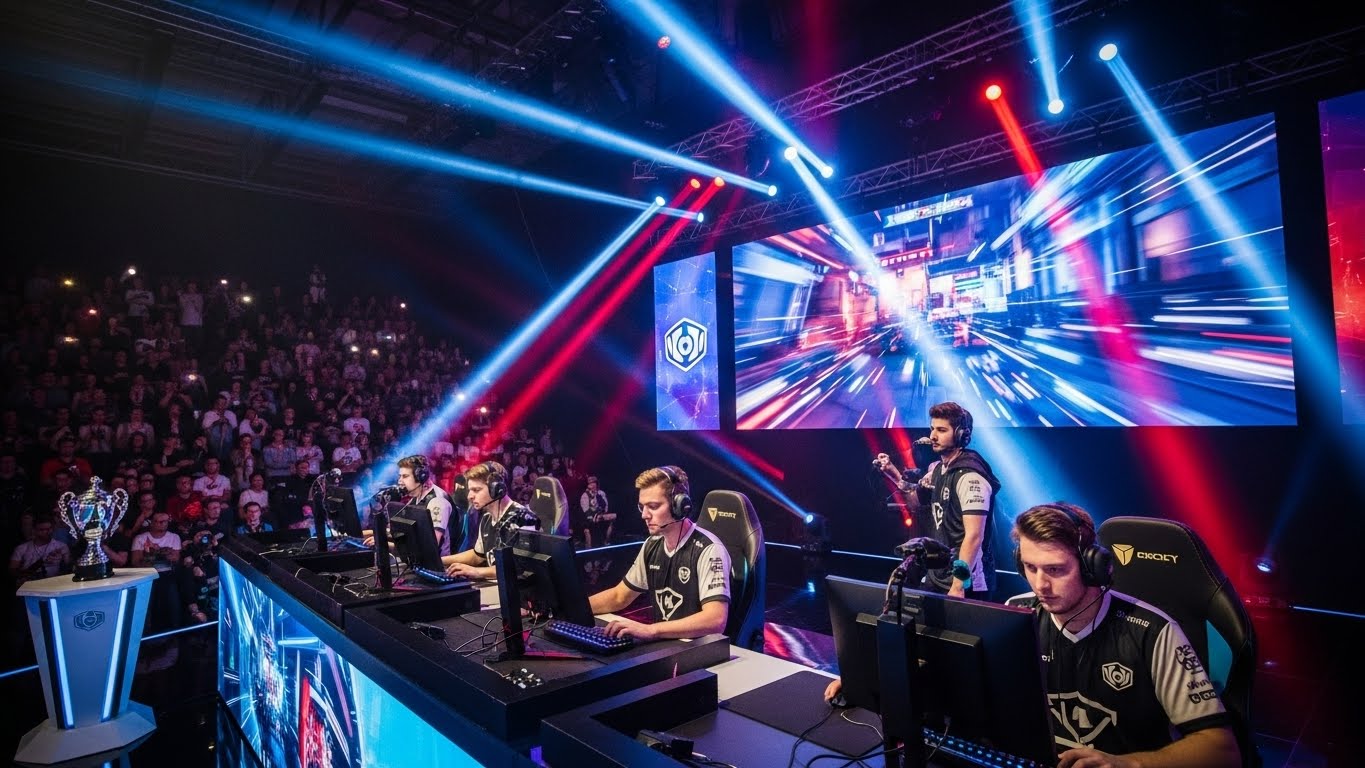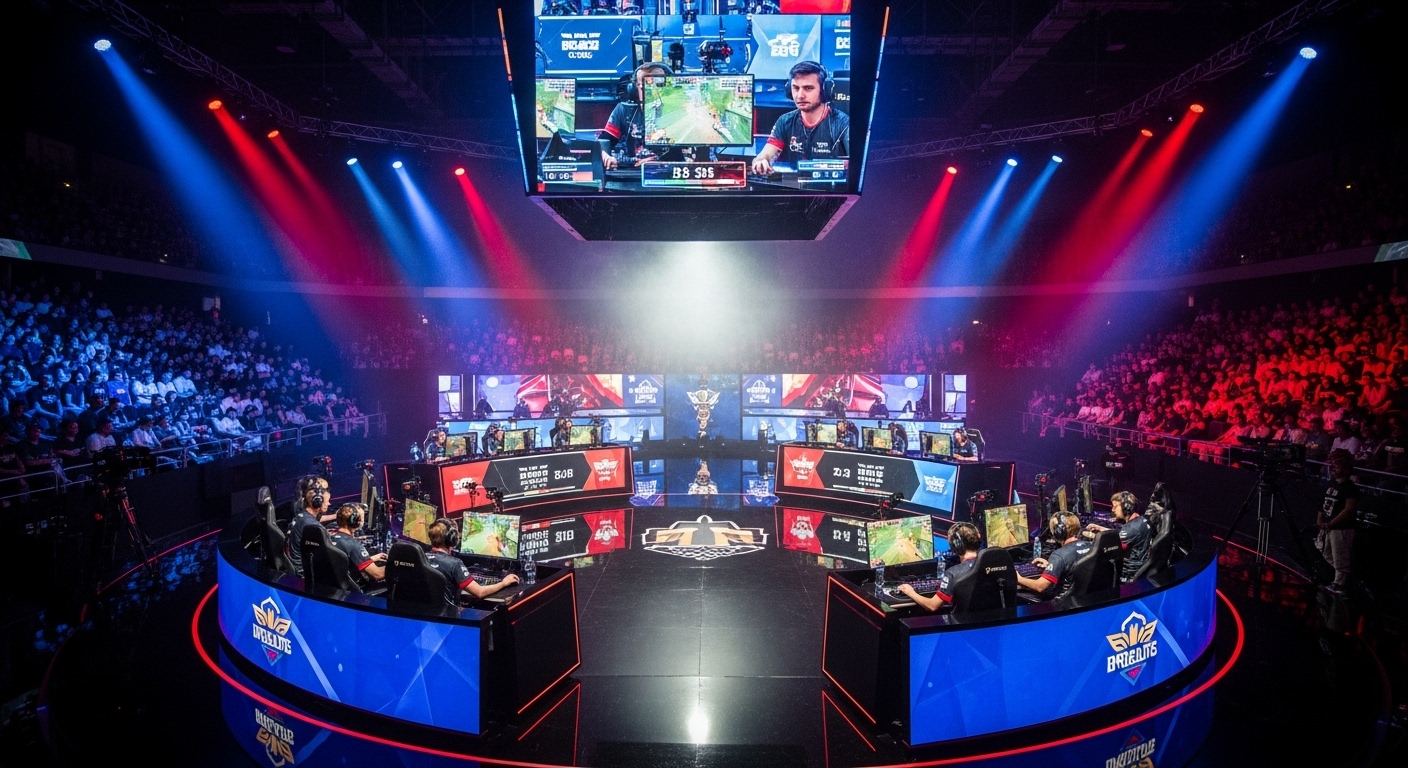
In recent years, esports has emerged as one of the most significant cultural and financial phenomena in the entertainment world. What once began as a niche community of competitive gamers has now exploded into a global industry worth billions of dollars, captivating millions of fans, athletes, and professionals. The rise of esports has changed the way we view both gaming and sports, combining elements of traditional athletic competition with the innovation and technology of the digital age.
Esports, short for electronic sports, is a form of competition where professional players and teams face off in multiplayer video games. These competitions take place in a variety of formats, ranging from live tournaments to streaming platforms. Whether you’re watching an exhilarating match of League of Legends, the strategic intensity of Dota 2, or the fast-paced action of Counter-Strike: Global Offensive, esports offers a level of excitement and engagement that rivals traditional sports.
In this blog post, we will delve into the history, growth, economic impact, and cultural significance of esports, exploring how it has reshaped the competitive gaming landscape. We will also look into its future prospects and how it continues to evolve in this digital age.
What is Esports?
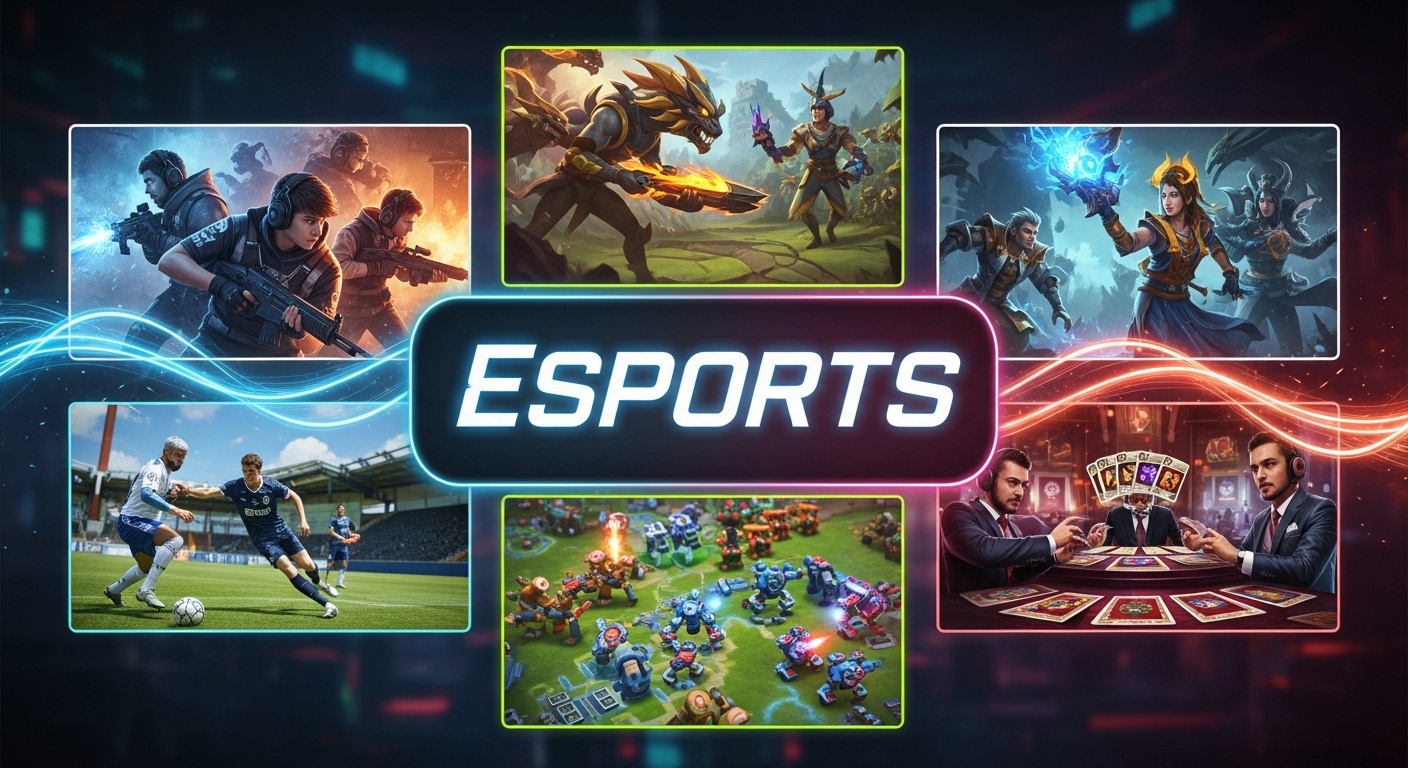
Esports is the competitive playing of video games at a professional level. It includes various genres of games, from real-time strategy (RTS) and first-person shooters (FPS) to sports simulations and multiplayer online battle arenas (MOBA). While casual gaming is often enjoyed by a wide range of players for fun, esports focuses on skillful play, strategy, teamwork, and performance under pressure.
Esports involves organized competitions where players, either individually or in teams, face off against one another for a chance to win prizes, sponsorships, and even a place in the global esports ecosystem. Tournaments can be held both online and offline, attracting thousands of viewers and millions of dollars in prize pools. Games such as League of Legends, Dota 2, Counter-Strike: Global Offensive, Overwatch, and Fortnite have become household names in the esports world, each cultivating dedicated fanbases and top-tier professional players.
The rise of streaming platforms like Twitch and YouTube Gaming has further elevated the reach of esports. Fans can now watch live matches, support their favorite teams, and interact with players and commentators in real time. The online accessibility of esports has transformed it into an international phenomenon, crossing cultural and language barriers to unite players and fans across the globe.
The Origins of Esports: A Brief History
Esports is not a recent invention, but rather a natural evolution of the gaming culture. The concept of competitive gaming dates back to the early 1970s, when video game enthusiasts participated in local tournaments for games like Space Invaders and Pong. However, it wasn’t until the 1990s that the idea of professional gaming began to take shape.
The late 1990s and early 2000s were critical years in the history of esports, as online multiplayer games like Quake, StarCraft, and Warcraft laid the groundwork for competitive play. The rise of the internet and online gaming platforms made it possible for players to compete against each other from different parts of the world. Quake (1996) was one of the first games to host global tournaments, and its competitive community helped establish esports as a serious, organized activity.
However, it was the success of StarCraft in South Korea that truly propelled esports into the mainstream. In the late 1990s, the country embraced StarCraft as a national pastime, and professional leagues and tournaments began to sprout up. By the early 2000s, South Korea had developed a sophisticated infrastructure for esports, including dedicated television channels broadcasting matches, corporate sponsorships, and an enthusiastic fanbase. StarCraft tournaments drew millions of viewers, and players were treated as celebrities. This early period helped establish esports as not just a hobby, but a professional career path.
The next major milestone came with the rise of online streaming platforms in the 2010s. Twitch, founded in 2011, became the go-to platform for watching live gaming content. As streaming technology improved, so did the accessibility of esports. Fans could now watch their favorite games and players live, creating a more personal and interactive experience. The explosive growth of online streaming played a key role in esports’ journey to global prominence.
Esports Today: A Global Industry
Esports has evolved into a massive, multi-billion-dollar industry. Today, it is one of the most popular forms of entertainment globally, attracting millions of viewers, professional players, and corporate sponsors. The world of esports now includes major leagues, teams, tournaments, and a growing number of professional athletes who have made competitive gaming their full-time career.
Major Games and Esports Titles
Esports encompasses a wide range of games, each with its own dedicated fanbase and unique competitive scene. Here are some of the most notable titles in the esports world:
- League of Legends (LoL): League of Legends, developed by Riot Games, is one of the most popular and competitive games in esports. It is a Multiplayer Online Battle Arena (MOBA) game where two teams of five players compete to destroy each other’s base. LoL has a massive global following, with its World Championship drawing millions of viewers each year.
- Dota 2: Developed by Valve Corporation, Dota 2 is another MOBA that has made a huge impact on the esports scene. Known for its complex mechanics and strategic depth, Dota 2 hosts The International, one of the most prestigious and lucrative tournaments in esports. The prize pool for The International regularly exceeds tens of millions of dollars, making it a prime event for esports enthusiasts.
- Counter-Strike: Global Offensive (CS:GO): CS:GO is a first-person shooter that has been at the center of esports for many years. Teams compete in matches where one side plays as terrorists and the other as counter-terrorists. CS:GO is known for its intense tactical gameplay, and major events like the ESL Pro League and the CS:GO Major Championship attract large audiences and significant sponsorship deals.
- Overwatch: Blizzard’s Overwatch is a team-based first-person shooter that emphasizes hero selection, teamwork, and fast-paced action. The Overwatch League, launched in 2018, has gained significant traction, with teams representing major cities and competing in a highly structured, professional format.
- Fortnite: Fortnite, developed by Epic Games, burst onto the scene with its battle royale mode, where 100 players fight to be the last one standing. While Fortnite is known for its casual, fun experience, it has also become a major esports title, with Epic Games offering substantial prize pools and high-profile events such as the Fortnite World Cup.
Esports Tournaments and Leagues
Esports tournaments are at the heart of the competitive scene, where top players and teams from around the world gather to compete for glory and prize money. These tournaments often attract large crowds, with stadiums packed with fans and millions of online viewers tuning in from home.
One of the biggest events in esports is The International, the annual Dota 2 tournament organized by Valve. The event has become synonymous with high-stakes competition, drawing teams from all over the world. In addition to the large prize pool, the event is known for its elaborate production value, complete with live performances, fan engagement, and cinematic trailers.
Another significant event is the League of Legends World Championship, which has become one of the most-watched esports events globally. The championship features teams from various regions, competing for the title of World Champion and a hefty prize pool. The tournament’s grand final is often broadcast in stadiums and watched by millions across the globe.
The Overwatch League (OWL) and Call of Duty League (CDL) are examples of fully franchised esports leagues, where city-based teams compete in season-long tournaments. These leagues have adopted traditional sports models, with regular season matches, playoffs, and championship events.
The Role of Streaming Platforms
The rise of streaming platforms like Twitch, YouTube Gaming, and Facebook Gaming has been one of the driving forces behind esports’ meteoric rise. These platforms allow fans to watch live events, interact with players and commentators, and follow their favorite teams and games in real time. Twitch, in particular, has become the dominant platform for esports streaming, with major tournaments often drawing millions of viewers.
Streaming has allowed esports to reach a wider audience, especially among younger generations who are more accustomed to consuming content online. In addition to tournament broadcasts, esports players and content creators use streaming platforms to engage with fans, showcase their skills, and build personal brands.
The Economic Impact of Esports
Esports is no longer just a hobby for dedicated gamers; it has become a thriving industry with significant economic impact. The global esports market is projected to generate over $1 billion in revenue by 2023, with a large portion coming from sponsorships, media rights, and merchandise sales.
Sponsorship and Advertising
Esports has attracted major sponsors from a variety of industries, including technology, consumer goods, and even automobile manufacturers. Companies like Intel, Coca-Cola, Mercedes-Benz, and Red Bull have all invested heavily in esports sponsorships, recognizing the opportunity to reach a young and tech-savvy audience. Brands often sponsor teams, tournaments, and content creators to increase their visibility and engagement within the esports community.
Prize Pools and Player Earnings
Esports prize pools have grown significantly over the years, with some tournaments offering multi-million dollar rewards. For example, The International for Dota 2 has offered prize pools exceeding $40 million in recent years. Professional players can earn substantial salaries through tournament winnings, sponsorship deals, and streaming revenue.
In addition to tournament earnings, esports players often make money through streaming platforms like Twitch, where they receive donations, subscriptions, and ad revenue from their viewers. This multi-source income model has enabled players to build sustainable careers in esports, further legitimizing the profession.
Media Rights
Media rights are another major source of revenue for the esports industry. With millions of viewers tuning into major tournaments, media companies have begun to purchase the rights to broadcast esports events. Platforms like ESL and DreamHack have secured lucrative broadcasting deals with major networks and digital platforms. These deals provide significant revenue streams that help fund the growth of esports organizations and tournaments.
The Future of Esports
The future of esports is incredibly promising. As technology continues to evolve, so too will the esports experience. The rise of virtual reality (VR) and augmented reality (AR) could redefine the way players compete and viewers engage with esports content. Innovations in AI and machine learning could also change the way games are played and analyzed, providing new opportunities for strategic depth and personalization.
Esports is also poised to continue its integration with traditional sports. Some have speculated that esports could one day be included in the Olympic Games, a development that would further cement its place in the mainstream sports world. As more universities and colleges offer esports programs, the industry will continue to develop a pipeline of talent, ensuring its growth for years to come.
Conclusion
Esports has come a long way since its humble beginnings in the 1990s. What was once a niche activity has blossomed into a multi-billion-dollar industry, complete with professional players, high-stakes tournaments, global fanbases, and massive media attention. Whether it’s the exhilarating competition, the rising stars, or the immersive online communities, esports continues to captivate millions around the world.
As technology evolves, and esports continues to grow, there’s no telling how far it can go. But one thing is for sure: esports has already secured its place as a major player in the entertainment industry. The future is bright for competitive gaming, and we’re only just getting started.