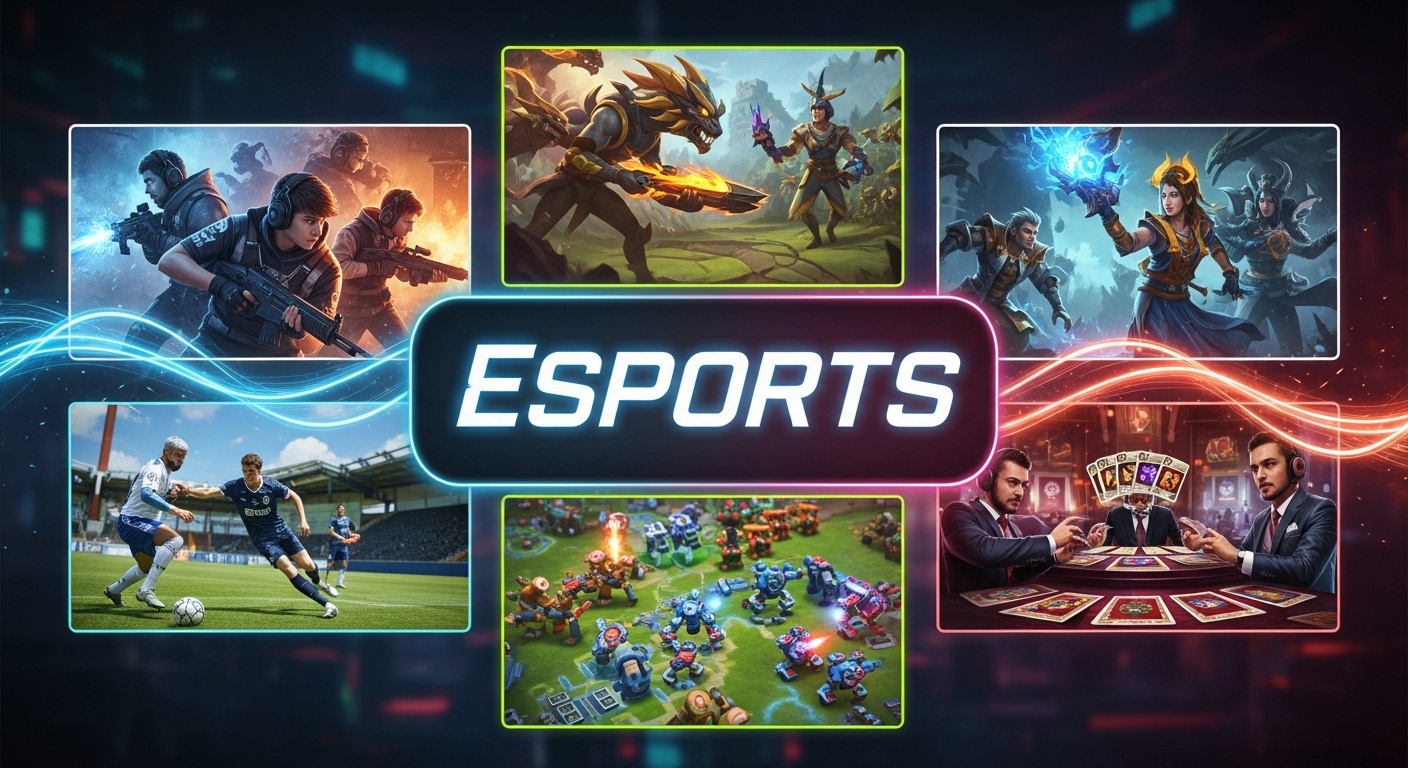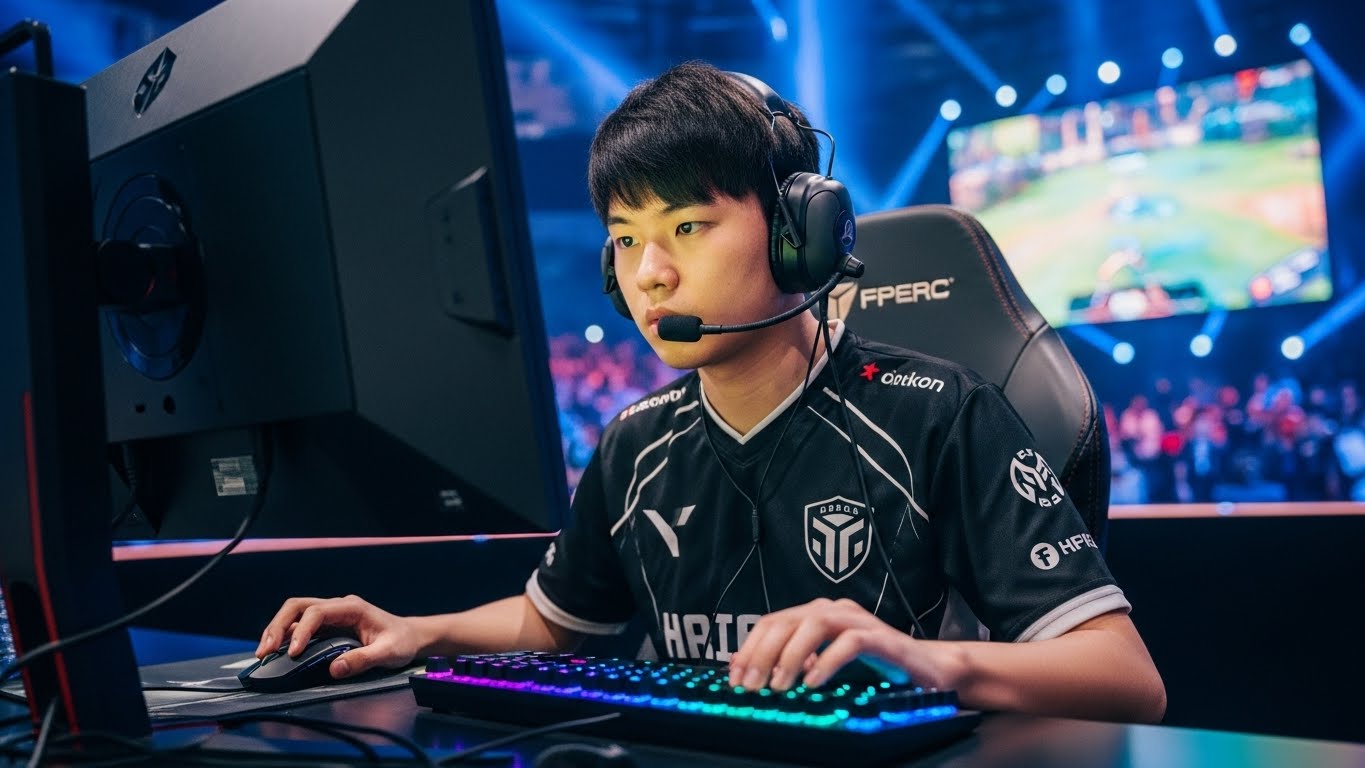

Esports, short for electronic sports, has transformed from a niche hobby into a global entertainment powerhouse. What started as informal competitions among friends has evolved into a billion-dollar industry attracting millions of viewers, professional players, sponsors, and investors. Esports is no longer simply about playing video games; it represents a cultural movement, a career path, and a new form of competition that rivals traditional sports. The evolution of esports reflects not only technological progress but also the changing ways people engage with entertainment and social interaction.
The Origins of Competitive Gaming
Competitive gaming has roots that go back to the earliest days of video games. In the 1970s and 1980s, arcade games such as Space Invaders, Pac-Man, and Donkey Kong inspired players to compete for the highest scores. These competitions were often informal, taking place in local arcades or gaming centers. Players were motivated by the recognition of skill, and leaderboards became early symbols of competition.
During the 1990s, the rise of networked computers and the internet enabled multiplayer gaming on a much larger scale. Games like Doom, Quake, and StarCraft allowed players to connect remotely and compete with one another in real time. This period marked the beginning of organized tournaments and the formation of gaming communities, laying the foundation for modern esports. Early competitions, though limited in prize money and media coverage, demonstrated the potential of competitive gaming to attract audiences and sponsors.
The Explosion of Esports in the 21st Century
The 2000s witnessed the rapid growth of esports as high-speed internet and streaming technology made it possible to reach global audiences. Multiplayer online games such as Counter-Strike, Warcraft III, and DotA became central to competitive gaming. Professional leagues and organized tournaments began forming around these titles, complete with structured schedules, team rankings, and prize pools.
Streaming platforms played a crucial role in this growth. Websites dedicated to live streaming allowed fans to watch competitions from anywhere in the world. This accessibility enabled esports to transcend geographical boundaries, creating global communities of viewers and players. The emergence of online platforms also empowered amateur players to showcase their skills and gain recognition, providing a pathway to professional careers.
Professional Esports and Team Dynamics
Professional esports mirrors many aspects of traditional sports. Players sign contracts with teams, receive salaries, and train extensively to perform at elite levels. Teams are supported by coaches, analysts, nutritionists, and managers, reflecting a highly professional approach to competitive gaming. Major tournaments offer prize pools in the millions, attracting top talent from around the world.
Games in esports are divided into various genres, each with unique gameplay mechanics and competitive ecosystems. Multiplayer online battle arenas (MOBAs) like League of Legends and Dota 2 emphasize teamwork, strategy, and coordination. First-person shooters (FPS) such as Counter-Strike and Call of Duty focus on reflexes, precision, and communication. Real-time strategy (RTS) games and fighting games also maintain dedicated competitive scenes. Players often specialize in specific roles or characters, demonstrating the depth and complexity of these competitions.
Landmark Games That Shaped Esports
Certain games have played pivotal roles in the development of esports. StarCraft popularized professional real-time strategy gaming, particularly in South Korea, where it became a national phenomenon. Counter-Strike introduced tactical team-based gameplay and a focus on precision, setting standards for competitive shooters. MOBAs like League of Legends and Dota 2 created large-scale international tournaments with massive viewership. Battle royale games such as Fortnite combined accessibility with competitive depth, attracting both casual and professional players.
Each of these games contributed to the growth of esports by establishing structured competitions, fostering community engagement, and creating opportunities for professional careers. They have also influenced game design, encouraging developers to consider competitive balance and spectator appeal.
The Role of Streaming Platforms
Streaming has been instrumental in the rise of esports. Platforms allow fans to watch live tournaments, interact with commentators, and follow their favorite teams and players. Streaming provides global access, enabling viewers to experience competitions without attending in person. This accessibility has expanded audiences, increased sponsorship opportunities, and encouraged community participation.
Streaming also allows content creators to build their own brands. Popular streamers entertain, educate, and engage with viewers, often becoming influential figures within gaming culture. Many professional players supplement their income through streaming, creating an ecosystem where gameplay, entertainment, and audience interaction coexist.
Esports as a Career Path
Professional esports offers diverse career opportunities. Players earn salaries, bonuses, and sponsorship deals, sometimes comparable to traditional athletes. Beyond playing competitively, careers exist in coaching, analysis, broadcasting, content creation, event management, and team administration. Analysts study game data to improve strategies, while commentators bring excitement and narrative to matches.
Educational institutions have begun recognizing esports as a legitimate field. Universities offer scholarships, training programs, and organized competitions, providing pathways for students to pursue professional gaming or related careers. This institutional support reinforces the legitimacy of esports and helps develop the next generation of talent.
Global Influence and Regional Hubs
Esports is a truly global phenomenon with regional hubs in South Korea, China, North America, and Europe. South Korea pioneered professional esports infrastructure, including dedicated training facilities, televised competitions, and a culture that treats gamers as athletes. China has developed massive viewership and government-backed initiatives to support esports growth. North America and Europe maintain strong leagues and tournaments, contributing to the international competitive ecosystem.
The global reach of esports fosters cultural exchange and collaboration. Players from different countries compete on international stages, promoting understanding and connection across borders. Fans engage with diverse content, from Asian MOBAs to Western FPS titles, creating a vibrant and interconnected global community.
Esports and Traditional Sports Integration
Traditional sports organizations are increasingly investing in esports. Professional football, basketball, and other sports teams sponsor esports teams, host tournaments, and leverage gaming to engage younger audiences. These collaborations highlight the similarities between esports and traditional sports, including teamwork, strategy, and training.
Esports also provides an opportunity to reach audiences that may not engage with traditional sports. Younger generations, in particular, are drawn to gaming culture, digital interaction, and online communities. By integrating esports, traditional sports organizations expand their reach and diversify revenue streams.
Business and Economics of Esports
The financial impact of esports is substantial. Revenue comes from tournament prize pools, sponsorships, merchandise, ticket sales, and streaming subscriptions. Major events feature prize money in the millions, drawing professional players and large audiences. Brands in technology, energy drinks, apparel, and entertainment sponsor teams and tournaments, fueling growth.
Esports organizations are exploring innovative business models. Franchised leagues, virtual experiences, and content monetization strategies ensure sustainability and profitability. As the industry matures, esports has become an attractive investment opportunity, demonstrating the potential of competitive gaming as a long-term economic force.
Community and Fan Engagement
Community is at the heart of esports. Fans connect through online forums, social media, and local tournaments, discussing strategies, celebrating victories, and supporting their favorite teams. Community tournaments and amateur leagues provide entry points for aspiring players, fostering inclusivity and engagement.
Global communities allow fans to form connections across cultures and regions. Shared enthusiasm for games creates a sense of belonging, often transcending traditional social boundaries. This sense of community is a defining characteristic of esports, fueling its growth and longevity.
Challenges and Considerations
Despite its success, esports faces challenges. Player burnout, mental health issues, and the pressure to perform are significant concerns. Professional gamers often train long hours, balancing rigorous schedules with personal life. Organizations are increasingly providing wellness programs, counseling, and support networks to address these issues.
The industry also contends with cheating, toxicity, and online harassment. Developers and tournament organizers implement measures to ensure fair play and safe environments. Legal and regulatory frameworks are evolving as governments define esports within broader sports and entertainment contexts. Sustainability, player rights, and ethical considerations remain ongoing topics of discussion.
The Future of Esports
The future of esports is dynamic and promising. Emerging technologies such as virtual reality, augmented reality, and artificial intelligence will create new forms of competition and audience experiences. Esports may expand into new genres and interactive formats, blending gaming with entertainment and storytelling.
Education and training programs will continue to develop, nurturing future professional players, analysts, and content creators. Partnerships with traditional sports, entertainment industries, and global brands will grow, enhancing visibility and legitimacy. Esports’ combination of technology, skill, and creativity ensures it will remain a dynamic and evolving industry for years to come.
Esports as Cultural Phenomenon
Esports is more than competition; it is a cultural movement. It influences fashion, music, social media trends, and lifestyle choices. Fans adopt team branding, wear merchandise, and celebrate victories as passionately as traditional sports. Players and influencers become icons, inspiring millions to pursue gaming or related creative endeavors.
The culture of esports emphasizes teamwork, strategic thinking, and creativity. It provides a platform for expression, connection, and engagement, shaping the way people interact with technology and entertainment. Esports represents not just gaming, but a global phenomenon that resonates with millions of people worldwide.
Conclusion
Esports has transformed from a niche pastime into a global industry, reshaping how people play, watch, and engage with games. Professional leagues, streaming platforms, and community engagement have created an ecosystem that supports careers, entertainment, and cultural exchange. Esports challenges traditional notions of sports, offering a new form of competition that blends technology, skill, and storytelling.
The growth of esports highlights the power of creativity, technology, and global connectivity. It has inspired new ways to compete, collaborate, and celebrate human skill. As audiences expand and technology evolves, esports will continue to innovate, influencing entertainment, culture, and professional opportunities around the world.
Esports is not merely about gaming; it is a testament to human imagination, community, and the drive for excellence in a digital age. It demonstrates that competition, passion, and connection transcend screens, shaping the way we experience entertainment in the modern world.
If you want, I can