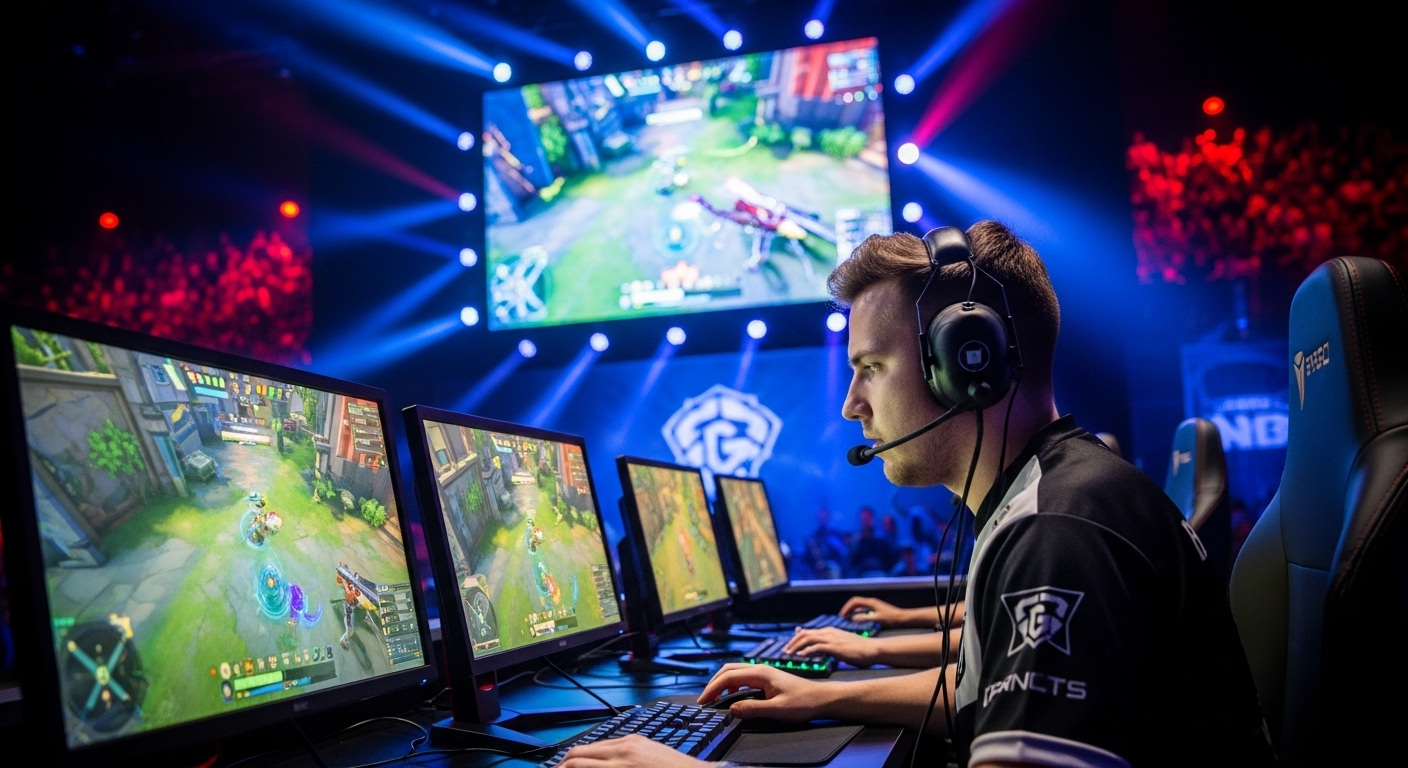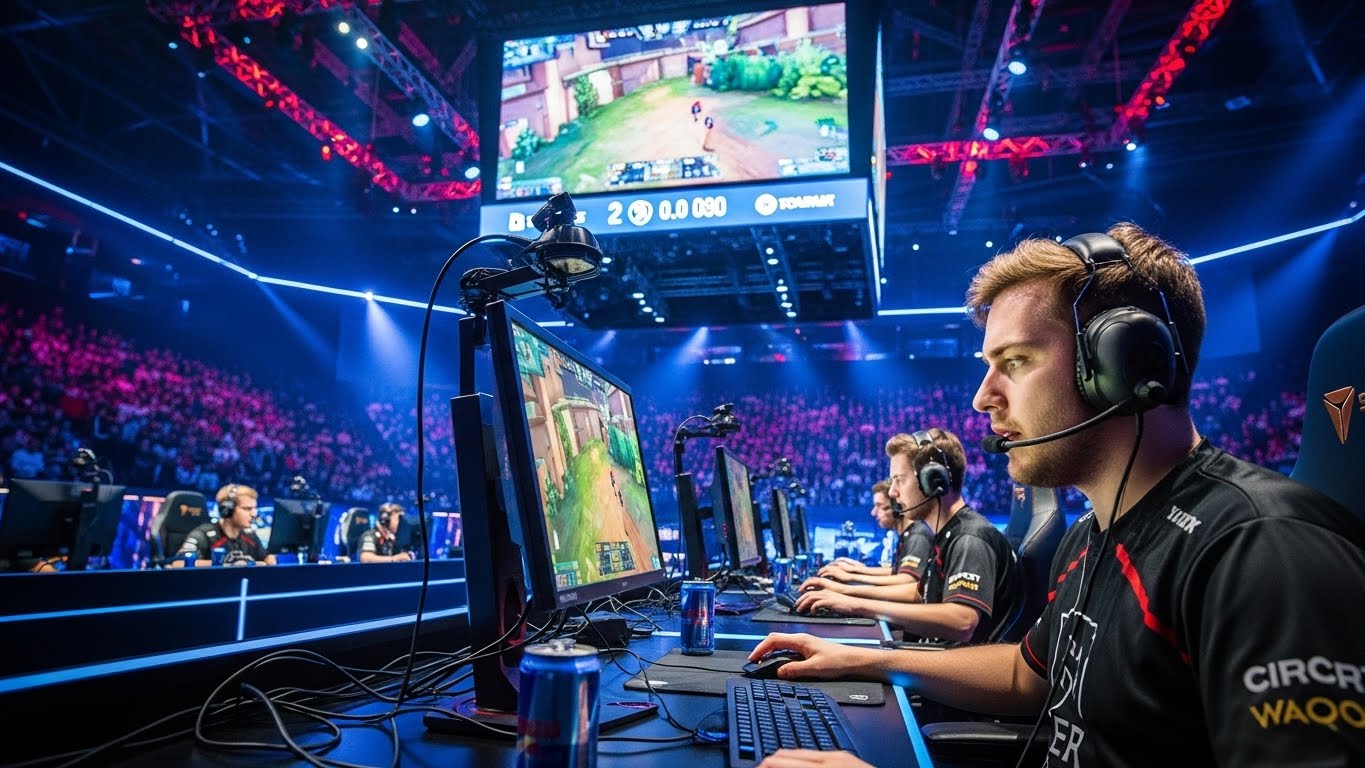

The esports industry is more than just games; it’s a vibrant ecosystem of players, fans, teams, and tournaments. At the heart of this ecosystem are competitive communities—players who dedicate countless hours to improving their skills, strategizing with teammates, and participating in tournaments. For developers, engaging these communities is essential to maintaining a game’s longevity, relevance, and growth.
In this blog, we’ll explore how developers successfully engage competitive communities, the strategies they use, and why community engagement is crucial for the health of esports.
Understanding Competitive Communities
Competitive communities consist of players who are highly invested in a game’s strategic depth, balance, and competitive integrity. They often participate in:
- Ranked or ladder systems to measure skill progression.
- Tournaments and leagues organized online or offline.
- Discussion forums and social media groups to share strategies and opinions.
- Streaming and content creation to showcase gameplay and analysis.
These communities are both a resource and a responsibility for developers. Engaging them effectively can turn casual players into lifelong fans and help the game thrive competitively.
Balancing Gameplay for Competitive Integrity
A cornerstone of engaging competitive communities is game balance. Developers must ensure that all characters, weapons, or strategies are viable and that no single tactic dominates the meta.
- Regular Patches and Updates: Frequent balancing adjustments show that developers listen to feedback and care about fairness.
- Meta Evolution: Encouraging diversity in strategies keeps gameplay fresh and interesting.
- Transparency: Sharing reasoning behind changes helps players understand decisions and maintain trust.
For example, Riot Games continuously updates League of Legends, tweaking champions and items to maintain competitive balance, which keeps the community engaged and invested.
Creating Competitive Tools and Features
Developers engage communities by providing tools that enhance competitive play:
- Ranked Modes: Structured ladders with matchmaking systems allow players to measure their skill.
- Replay Systems: Tools that let players review their matches help improve performance and strategy.
- Spectator Mode: Viewing high-level matches allows players to learn and connect with the competitive scene.
- Analytics and Stats: In-game statistics provide insights into performance, strategies, and progression.
These features empower players to compete effectively while deepening their connection to the game.
Supporting Tournaments and Leagues
Developers often engage competitive communities by actively supporting organized play:
- Official Tournaments: Hosting events with structured brackets, rules, and prize pools legitimizes competitive play.
- Regional Leagues: Encouraging local or regional competitions nurtures grassroots communities.
- Collaborations with Organizers: Partnering with third-party tournament organizers expands reach and accessibility.
Dota 2’s The International is a prime example, where Valve’s support of professional and community tournaments fosters engagement at all levels.
Listening to the Community
Developers who actively listen and respond to player feedback foster loyalty and trust. This engagement can take many forms:
- Surveys and Polls: Gathering opinions on balance, features, or upcoming changes.
- Developer Blogs and Notes: Explaining updates and decisions helps players feel included.
- Community Moderation: Encouraging constructive discussion in forums or social platforms strengthens relationships.
Games like Overwatch and Rainbow Six Siege frequently communicate with their communities, demonstrating that developers value input from competitive players.
Incentivizing Competitive Participation
Developers engage communities by rewarding competitive activity:
- Ranked Rewards: Skins, badges, or in-game currency motivate players to climb ladders.
- Tournaments with Prizes: Cash prizes, exclusive items, or recognition encourage participation.
- Seasonal Events: Limited-time challenges keep competitive players engaged over time.
These incentives make competitive play exciting and reinforce long-term engagement.
Building Content and Educational Resources
Supporting competitive communities also involves content creation:
- Tutorials and Guides: Help new and intermediate players understand mechanics and strategies.
- Developer Streams and Commentary: Offering insight into design choices or showcasing gameplay builds trust.
- Highlight Reels: Celebrating exceptional plays reinforces community pride and visibility.
Content helps players improve, fosters engagement, and encourages fans to become more invested in the competitive scene.
Encouraging Community-Run Initiatives
Developers often empower communities to organize their own events:
- Mod Support: Allowing custom maps, modes, or tournaments.
- Community Leaderboards: Tracking achievements for players who organize events.
- Recognition Programs: Highlighting outstanding community members or teams.
By giving the community tools and acknowledgment, developers create a sense of ownership and belonging.
Embracing Streaming and Influencers
Competitive communities are closely linked to streaming culture. Developers engage players by collaborating with streamers and content creators:
- Showcasing Tournaments: Broadcasting competitive events to global audiences.
- Partnering with Influencers: Highlighting top players and personalities draws attention to competitive play.
- Interactive Features: Stream overlays, live stats, or in-game events keep viewers engaged.
Streaming amplifies engagement, as players can watch high-level play, learn strategies, and connect socially with the community.
Community Engagement as a Cycle
Engaging competitive communities is not a one-time effort—it’s a continuous cycle:
- Listen: Understand the needs, frustrations, and desires of players.
- Develop: Implement changes, features, or events that support competitive play.
- Communicate: Explain decisions, updates, and intentions to maintain transparency.
- Reward: Provide recognition, prizes, or incentives for participation.
- Celebrate: Highlight achievements, showcase gameplay, and honor the community’s contributions.
This cycle strengthens loyalty, improves retention, and ensures the competitive scene thrives long-term.
Case Studies
- League of Legends (Riot Games): Riot engages players with constant balance updates, ranked seasons, professional leagues, and fan-focused content.
- CS:GO (Valve): Valve supports a robust competitive ecosystem with tournaments, map updates, and community events.
- Hearthstone (Blizzard): Blizzard encourages competitive play through ranked ladders, seasonal rewards, and esports tournaments with cash prizes.
These examples demonstrate that engagement is multifaceted, combining gameplay design, tournaments, rewards, and communication.
Conclusion
Engaging competitive communities is vital for the growth and longevity of esports titles. Developers achieve this through balance, competitive tools, tournaments, community feedback, content creation, and incentives. A healthy competitive community not only drives a game’s popularity but also ensures it remains relevant and sustainable in the long term.
In esports, developers who actively support, listen to, and empower competitive communities don’t just create games—they cultivate thriving ecosystems that inspire players, fans, and future champions.