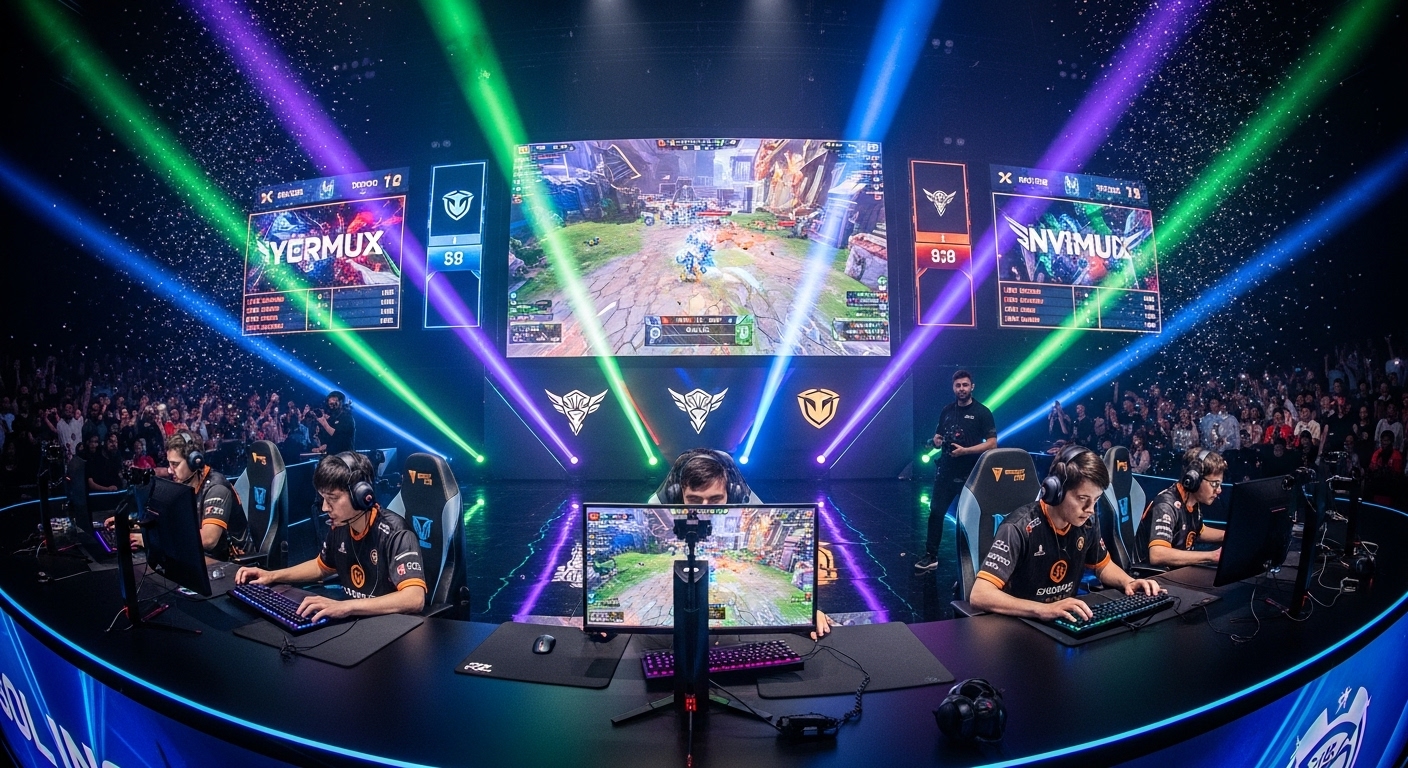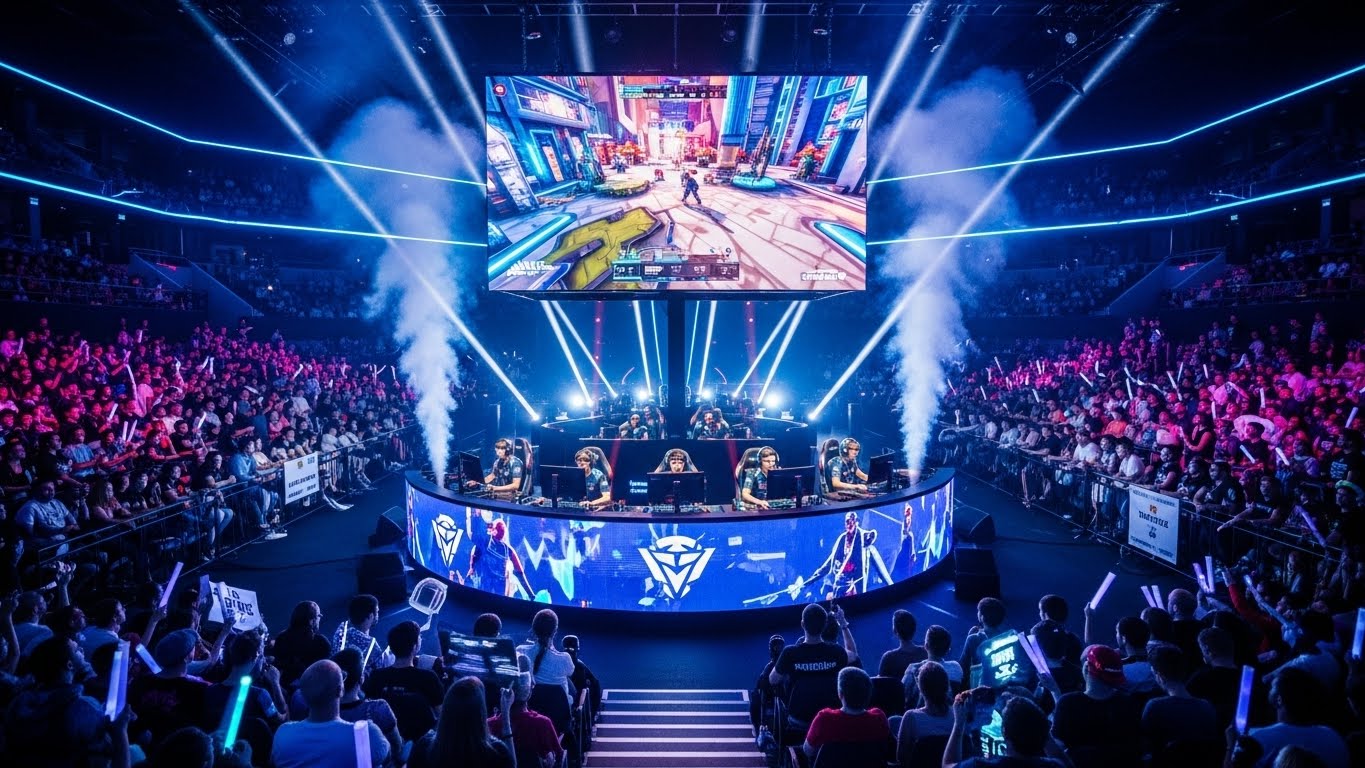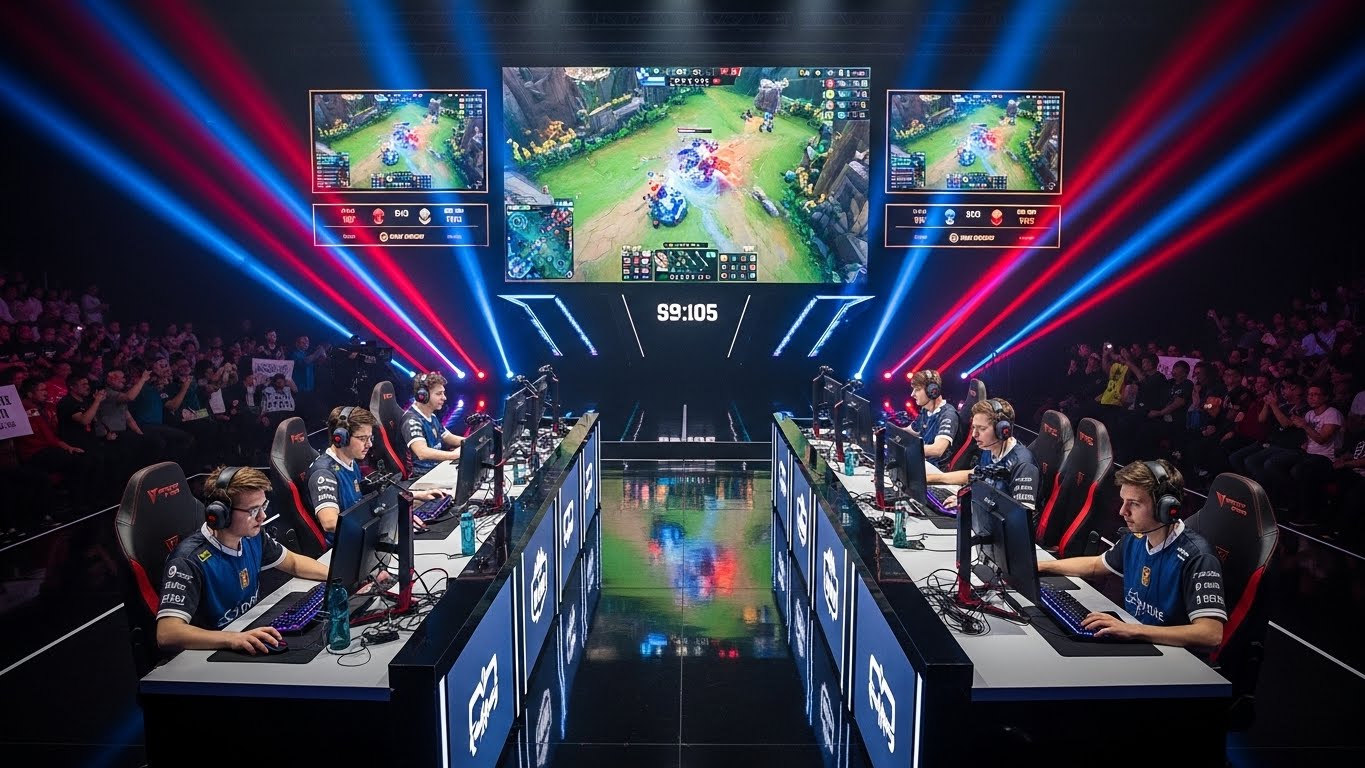
Esports has evolved from a niche hobby into a global industry worth billions, drawing millions of fans who follow their favorite teams, players, and tournaments across the world. As the industry has grown, branding has become a crucial part of its identity. Just as traditional sports have their legendary teams with recognizable symbols—the Lakers’ purple and gold, or Manchester United’s red and yellow—esports organizations have developed logos and brands that carry immense cultural power.
Logos are not just visual symbols; they represent values, heritage, and emotional connection. They embody competitiveness, unity, and innovation—the very spirit of esports. From the fierce imagery of dragons and wolves to minimalist, futuristic designs, each logo tells a story about the organization behind it. In this blog, we’ll explore the most iconic esports logos and brands, their evolution, and why they hold such influence in the modern gaming world.
The Power of Branding in Esports
Branding is the lifeblood of every successful esports organization. Beyond gameplay and trophies, it’s the logo, color scheme, and personality that fans connect with. In a space dominated by digital competition, a strong brand helps teams stand out among hundreds of others.
Esports branding combines the creativity of graphic design with the strategic vision of business. Teams use their logos to communicate traits such as dominance, resilience, or community. Just like in traditional sports, these visual identities create loyal fan bases that extend beyond the game itself.
Moreover, esports logos often represent more than one title. While a football club may only compete in one sport, esports organizations participate across multiple games—like League of Legends, Valorant, and Counter-Strike—so their brand identity must resonate universally.
The Birth of Iconic Esports Logos
The first generation of esports logos emerged during the early 2000s when professional gaming began taking shape. Teams like Fnatic, Ninjas in Pyjamas, and SK Gaming introduced designs that reflected their unique philosophies.
At the time, the goal was simple: to create something recognizable on-screen and on merchandise. But as esports evolved, these logos became symbols of legacy. Fans began identifying not just with players, but with the colors, shapes, and ideas that these teams stood for.
Today, logos are carefully crafted to balance modern aesthetics with emotional resonance. From sharp geometric forms to animal-inspired motifs, the best esports brands have perfected the art of visual storytelling.
1. Fnatic – The Symbol of Legacy and Innovation
Founded in 2004, Fnatic is one of the oldest and most respected esports organizations in the world. Their distinctive orange and black logo, shaped like an abstract figure with outstretched arms, is instantly recognizable across the gaming community.
The logo’s design is simple yet powerful. It represents movement, flexibility, and human connection—qualities essential in competitive gaming. Fnatic’s branding reflects their global presence, modern outlook, and commitment to innovation.
Over the years, Fnatic has fielded world-class teams in League of Legends, Counter-Strike, and Dota 2. Their brand embodies professionalism and excellence, making the Fnatic logo synonymous with consistency and endurance in esports history.
2. Team Liquid – The Power of the Horse
Team Liquid, founded in 2000, is one of the most successful and iconic organizations in esports. Their logo, featuring a noble horse head with sharp contours, symbolizes strength, speed, and intelligence—core traits of a winning team.
The navy blue and white color scheme conveys professionalism and trust, making it a standout in a sea of flashy designs. The horse represents unity and forward momentum, reflecting Team Liquid’s continuous pursuit of excellence across multiple esports titles like Dota 2, League of Legends, and Valorant.
Team Liquid’s brand identity also emphasizes collaboration. Their players, fans, and sponsors all share a deep sense of community. This unity is part of what makes the horse emblem not just a logo, but a banner for one of esports’ most admired dynasties.
3. Cloud9 – The Blue Cloud of Champions
Cloud9, often abbreviated as C9, is one of North America’s most popular esports teams. Their logo—a sleek blue cloud intertwined with the number nine—is simple yet instantly recognizable.
The minimalism of the design sets it apart from more aggressive esports logos. It reflects clarity, intelligence, and cool-headedness—qualities Cloud9 is known for in its gameplay and business approach. The soothing blue palette conveys trust and reliability, which has helped C9 build one of the largest fan bases in the world.
Whether in League of Legends, Valorant, or Counter-Strike, the Cloud9 logo represents optimism and high performance. It captures the team’s lighthearted yet competitive spirit, making it one of the most beloved symbols in esports.
4. Natus Vincere (Na’Vi) – Born to Win
Natus Vincere, known by its Latin translation “Born to Win,” is one of the most legendary names in esports. The Na’Vi logo, characterized by its bold yellow and black color scheme, radiates confidence and power.
Originally formed in Ukraine in 2009, Na’Vi rose to fame through dominance in Counter-Strike and later Dota 2. The sharp edges and compact structure of their logo mirror the precision and discipline of their gameplay.
The yellow symbolizes energy and victory, while the black conveys control and stability. Together, they reflect the perfect balance between aggression and focus—two elements essential in competitive esports. Na’Vi’s brand has become synonymous with Eastern European excellence, inspiring countless fans and teams worldwide.
5. G2 Esports – The Samurai of Strategy
Few logos capture a brand’s essence as perfectly as G2 Esports. Their striking samurai mask design, blending black, white, and red, symbolizes honor, precision, and discipline—all virtues of the warrior spirit that defines G2.
Founded in 2014, G2 has built its reputation on creativity and personality. The logo’s bold lines and sharp symmetry give it an unmistakable visual identity. Beyond aesthetics, it communicates G2’s fearless approach to competition.
Their branding extends beyond the logo—G2’s social media presence and humorous tone make them one of the most entertaining esports organizations. The samurai mask has become a symbol of confidence, intelligence, and calculated aggression, making G2 one of the most recognizable brands in global esports.
6. T1 – The Korean Titans
T1, formerly known as SK Telecom T1, is a household name in esports, particularly in League of Legends. Their logo—a stylized red “T” with wings—embodies speed, flight, and excellence.
The red color reflects energy and ambition, while the wings symbolize elevation and success. T1’s logo is instantly associated with their legendary player Faker and their record-breaking championship history.
T1’s branding represents not just a team but a dynasty. Their clean, professional design aligns with their dominance and innovation in esports, cementing their logo as one of the most iconic in competitive gaming history.
7. FaZe Clan – The Culture Brand of Esports
FaZe Clan transcends esports. It is a cultural movement that bridges gaming, lifestyle, music, and entertainment. Their sharp red-and-black logo, composed of interlocking “F” and “C” letters, reflects boldness and creativity.
Unlike traditional esports teams, FaZe built its brand on identity and influence. The FaZe logo is now seen on merchandise, streetwear, and collaborations with global fashion brands. It represents rebellion, individuality, and modern youth culture.
FaZe Clan’s branding has become a symbol of gaming’s evolution into mainstream pop culture. Whether you’re a fan of their Call of Duty roots or their global media empire, the FaZe logo embodies ambition and cultural dominance.
8. Evil Geniuses – The Legacy of Intelligence
Evil Geniuses (EG) is one of the oldest and most respected names in esports. Their classic blue circular logo with stylized initials “EG” has evolved over time but still maintains its iconic simplicity.
The name and logo represent strategic brilliance and innovation. EG’s branding has always stood for mental sharpness and competitive intelligence, rather than aggression or intimidation.
Over the years, Evil Geniuses have fielded championship teams in Dota 2, Counter-Strike, and fighting games. Their timeless logo symbolizes trust, legacy, and intellectual dominance—a combination that continues to inspire new generations of esports professionals.
9. Ninjas in Pyjamas (NiP) – The Spirit of the Shuriken
Ninjas in Pyjamas, or NiP, is one of esports’ most legendary organizations. Their logo—a swirling shuriken in shades of gold and brown—captures the mystique and precision of a ninja.
Founded in 2000, NiP’s identity revolves around agility, stealth, and mastery—values perfectly represented by the spinning blade symbol. The circular motion of the logo implies continuity and evolution, symbolizing NiP’s long-standing presence in competitive gaming.
From dominating early Counter-Strike to modern success in Rainbow Six Siege and Valorant, NiP’s branding has remained timeless. Their shuriken stands as a mark of resilience and adaptability in an ever-changing esports landscape.
10. OG – The Spirit of Champions
OG burst onto the esports scene as a team of underdogs who defied expectations. Their clean and modern logo—a simple “OG” monogram enclosed in a shield—is minimalist but deeply symbolic.
The shield represents strength and unity, while the blue color conveys calmness under pressure. OG’s branding reflects their journey from outsiders to two-time Dota 2 world champions at The International.
The simplicity of the OG logo makes it versatile and easily recognizable, appearing on jerseys, social media, and fan merchandise with equal impact. It’s a reminder that a strong brand doesn’t always need complexity—sometimes clarity and confidence say it all.
The Role of Logos in Building Esports Culture
Esports logos go beyond aesthetics—they build culture. Fans wear them with pride, display them on avatars, and even tattoo them as symbols of loyalty. A powerful logo fosters belonging and inspires identity, turning followers into lifelong supporters.
Moreover, esports branding helps organizations expand beyond gaming. Teams like FaZe Clan and 100 Thieves have used their logos to enter fashion, music, and entertainment. Others, like T1 and Team Liquid, use their branding to partner with global sponsors and technology companies.
These logos serve as cultural beacons, connecting millions across different games, countries, and generations.
The Design Language of Esports Logos
Modern esports logos share certain common design traits:
- Minimalism: Clean, bold shapes make logos versatile for digital and print use.
- Symbolism: Logos often feature animals, weapons, or mythological elements that represent strength or agility.
- Dynamic Colors: Bright, contrasting palettes like red, blue, and gold evoke energy and excitement.
- Typography: Sharp, futuristic fonts create a modern, tech-driven feel.
These characteristics ensure esports logos remain recognizable on screens, jerseys, and promotional materials alike.
The Evolution of Esports Branding Beyond Teams
Esports branding extends beyond team logos. Entire tournaments and organizations now have iconic visual identities.
Events like The International, League of Legends Worlds, and Valorant Champions Tour have their own recognizable logos and color schemes, building emotional anticipation every year. Similarly, organizations like ESL and BLAST Premier have developed distinctive branding that represents professionalism and excellence in production.
These event logos are now cultural symbols in themselves, signifying prestige, global unity, and the evolution of esports as a mainstream industry.
The Future of Esports Branding
As esports continues to grow, branding will become even more important. Future esports logos will likely embrace interactivity, animation, and digital transformation. With the rise of virtual and augmented reality, logos may no longer be static—they could come alive on digital platforms, reacting dynamically during broadcasts and events.
Moreover, organizations are expected to focus on sustainability and inclusivity in their branding. The next generation of esports brands will emphasize community, accessibility, and shared purpose while maintaining their competitive spirit.
Esports logos will also play a key role in expanding global recognition. Just as Nike’s swoosh or Apple’s bitten fruit became universal icons, esports symbols have the potential to transcend gaming and enter mainstream culture.
Conclusion
Esports logos are more than designs—they are emblems of passion, identity, and global unity. Each symbol tells a story of hard work, innovation, and victory. From the samurai mask of G2 Esports to the noble horse of Team Liquid, these logos define how fans connect with their favorite teams and the games they love.
In an era where digital entertainment dominates, branding has become a crucial element in shaping esports culture. The most iconic logos are not just memorable—they represent legacies, emotions, and entire communities.
As esports continues to expand across borders and generations, these logos will remain the visual heartbeat of a movement that celebrates creativity, competition, and the limitless power of play.