The world of competitive gaming has undergone a transformation over the last decade, evolving from a niche hobby into a global phenomenon. What was once limited to local tournaments and informal competitions has now become a billion-dollar industry, attracting millions of fans, professional athletes, and investors alike. Esports, short for electronic sports, has redefined how we perceive competition, entertainment, and digital culture. In this blog, we will explore the rise of esports, its impact on society, the professional ecosystem, technological innovations, and its promising future.
The Evolution of Esports
Esports traces its origins back to the early days of video gaming in the 1970s and 1980s, when players competed in arcade games and home consoles. However, the first real surge in competitive gaming came with PC and console tournaments in the 1990s. Titles like Street Fighter, StarCraft, and Counter-Strike laid the groundwork for organized competitions, creating communities of dedicated players.
The 2000s marked a turning point as broadband internet became more accessible, enabling online multiplayer gaming. This allowed players from across the globe to compete in real time, leading to the emergence of massive tournaments with international participants. Platforms dedicated to live streaming further amplified esports’ reach, making it possible for fans to watch professional gameplay anytime, anywhere. This accessibility has transformed esports from a hobbyist activity into a mainstream entertainment medium.
The Rise of Professional Esports Athletes
Today, esports athletes are professional competitors who dedicate countless hours to honing their skills, much like traditional sports players. These professionals specialize in games ranging from first-person shooters to multiplayer online battle arenas and fighting games. Training regimens for top esports players are rigorous, often including strategy analysis, teamwork exercises, and physical fitness routines to maintain focus and reaction time.
Esports athletes are no longer limited to small tournament prizes. Major competitions now offer multi-million-dollar prize pools, sponsorship deals, and salary contracts comparable to traditional sports. This has created a viable career path for aspiring players and has prompted universities to offer esports scholarships and programs, further legitimizing the profession. The rise of esports athletes has also inspired fans worldwide, proving that competitive gaming requires skill, discipline, and dedication.
Popular Esports Genres and Games
Esports encompasses a diverse range of game genres, each offering unique gameplay mechanics and competitive challenges. Multiplayer online battle arena (MOBA) games, such as League of Legends and Dota 2, are among the most popular, featuring strategic team-based combat with deep tactical gameplay. First-person shooters like Counter-Strike: Global Offensive and Call of Duty focus on precision, reflexes, and teamwork in fast-paced environments.
Battle royale games, including Fortnite and PUBG, have also gained significant attention, blending survival strategy with high-intensity action. Fighting games, such as Street Fighter and Super Smash Bros., highlight individual skill, timing, and mastery of complex mechanics. Sports simulation games, like FIFA and NBA 2K, replicate traditional athletic competitions in a digital space. The diversity of genres ensures that esports appeals to a broad audience, from strategy enthusiasts to action-oriented gamers.
The Role of Streaming and Content Creation
Streaming platforms have played a pivotal role in the growth of esports, allowing fans to engage with their favorite players and teams in real time. Platforms that enable live gameplay broadcasting have created communities where fans can watch tournaments, analyze strategies, and even interact with professional players. This accessibility has helped cultivate a global esports culture, making competitions more engaging and immersive for audiences.
Content creation, including highlights, tutorials, and commentary, has also contributed to esports’ popularity. Streamers and influencers provide entertainment, insight, and mentorship to aspiring players, fostering a sense of community. Additionally, these creators often collaborate with brands and sponsors, generating revenue streams that support both esports events and individual careers. The synergy between professional competition and content creation has amplified esports’ cultural impact, making it an integral part of modern digital entertainment.
Esports Organizations and Tournaments
Professional esports relies on organizations that manage teams, players, and competitive strategies. These organizations operate much like traditional sports franchises, providing coaching, sponsorship, marketing, and player development. Some of the most prominent esports organizations have global followings and operate across multiple game titles, establishing themselves as influential brands in the gaming industry.
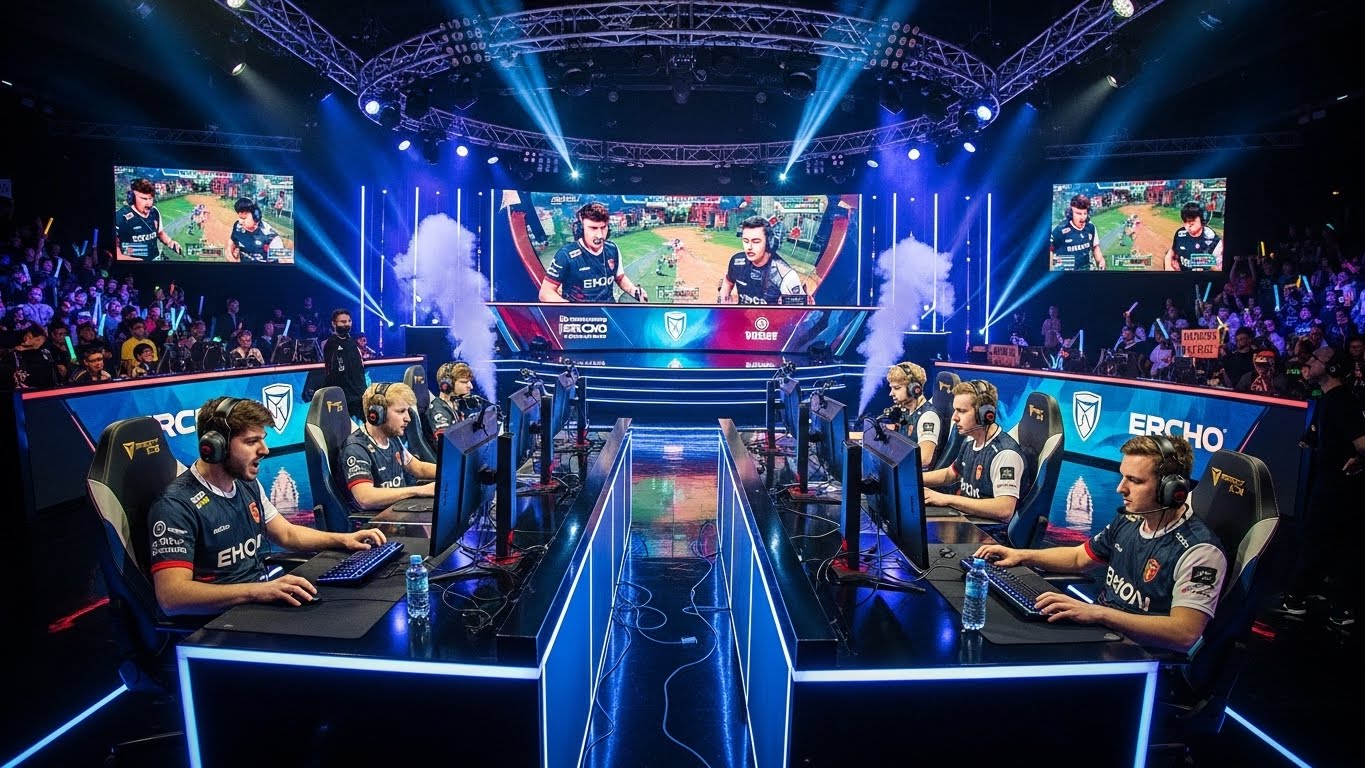
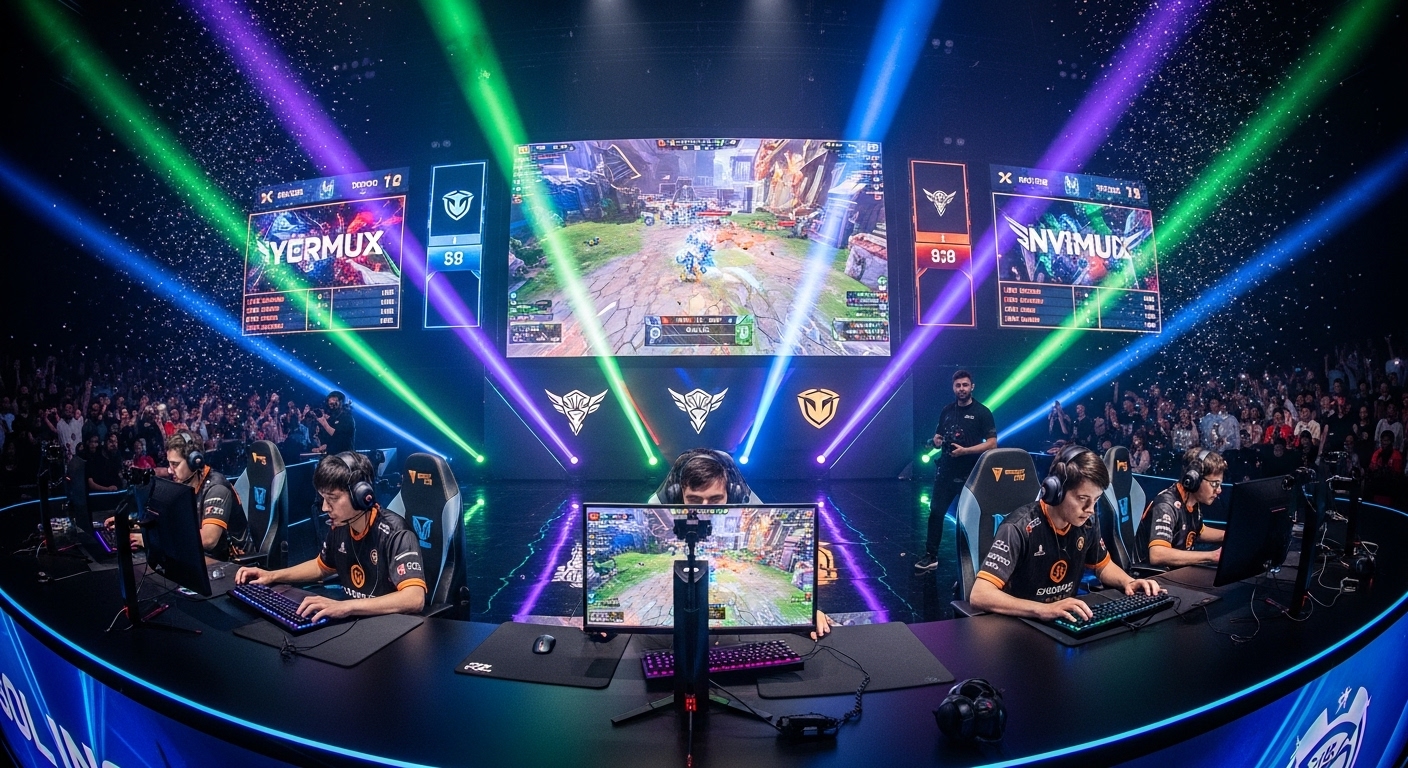
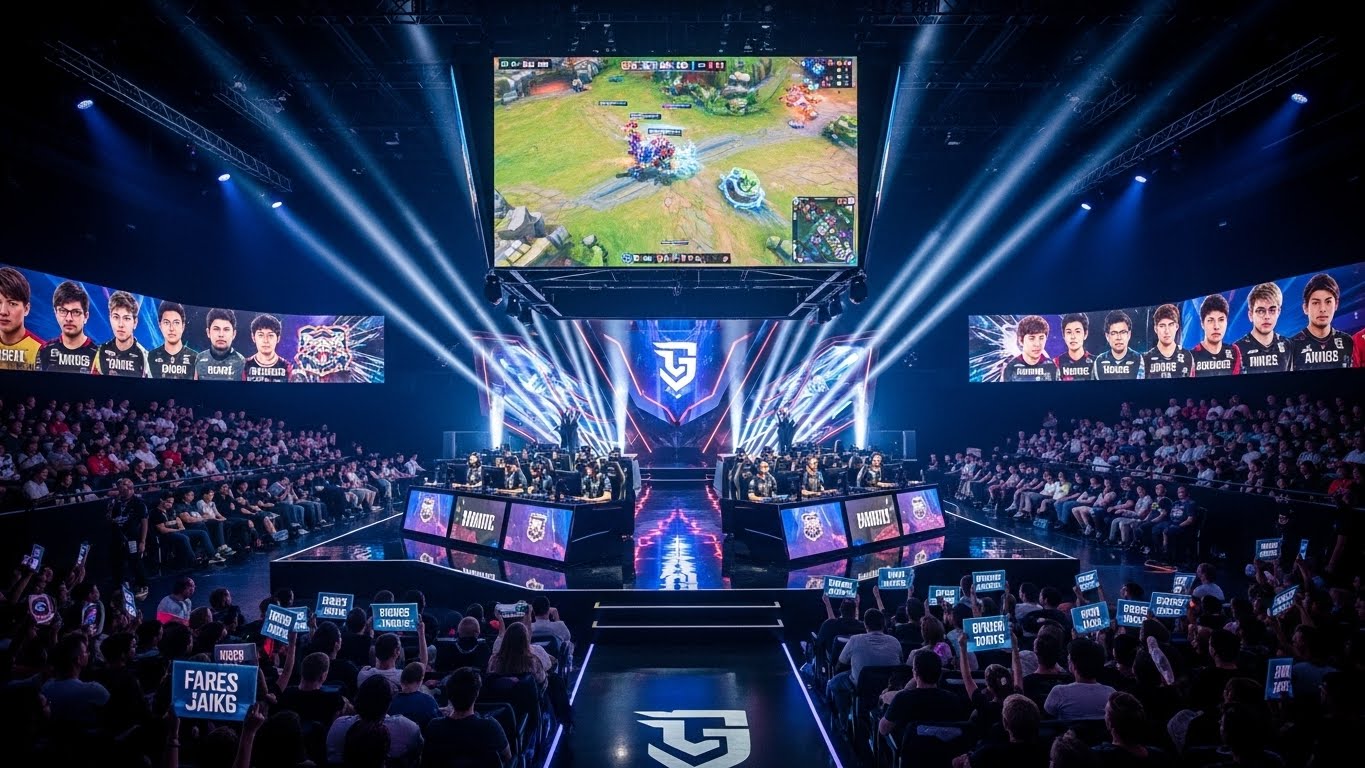
Tournaments are the backbone of the esports ecosystem, drawing massive audiences and offering substantial prize money. Events like The International, the League of Legends World Championship, and the Fortnite World Cup showcase the pinnacle of competitive gaming. These tournaments are meticulously organized, featuring live broadcasts, commentary, and fan engagement activities. The scale and professionalism of esports competitions have elevated the industry, making it a legitimate entertainment sector with economic, cultural, and social significance.
Economic Impact of Esports
The esports industry has experienced exponential growth, generating billions of dollars annually. Revenue streams include sponsorships, advertising, media rights, merchandise, and ticket sales. Major brands from diverse industries, such as technology, apparel, and food and beverages, have invested heavily in esports, recognizing its potential to reach younger, tech-savvy audiences.
Esports also creates job opportunities beyond the players themselves. Roles in event management, broadcasting, coaching, content creation, marketing, and analytics contribute to a thriving ecosystem. Universities and training academies focused on esports are preparing the next generation of professionals, from game developers to esports managers. The economic influence of esports is no longer confined to gaming; it extends into media, marketing, technology, and education.
Technological Innovations Driving Esports
Advancements in technology have been instrumental in shaping modern esports. High-speed internet, powerful gaming hardware, and sophisticated software platforms enable seamless competition and streaming. Virtual reality (VR) and augmented reality (AR) are beginning to influence esports experiences, providing immersive gameplay and interactive spectator engagement.
Artificial intelligence is also playing a role in training and analysis. AI-driven tools can analyze gameplay, suggest strategies, and even predict opponent behavior. These technologies allow players and teams to refine their skills, gain competitive advantages, and elevate the quality of professional esports. As technology continues to evolve, it will further enhance both gameplay and audience engagement, creating new possibilities for competitive digital entertainment.
Esports and Education
The intersection of esports and education is becoming increasingly significant. Many educational institutions are integrating esports programs, offering scholarships, career pathways, and academic research opportunities related to gaming. Students can pursue degrees in game design, esports management, digital marketing, and broadcasting, all of which are integral to the esports industry.
Esports also promotes critical skills such as teamwork, strategic thinking, communication, and problem-solving. Participation in esports teams fosters discipline, focus, and resilience, skills that are transferable to professional and personal life. By integrating esports into educational frameworks, schools and universities provide students with unique opportunities for growth, career development, and engagement in the digital era.
Challenges and Controversies in Esports
Despite its rapid growth, esports faces challenges that require attention. One of the main concerns is player burnout. Professional esports athletes often endure intense training schedules, high-pressure tournaments, and rigorous travel, which can lead to physical and mental health issues. Organizations and leagues are beginning to implement support systems to address these challenges, but more work is needed.
Another issue is inclusivity. While esports is a global industry, representation of women and minorities remains limited in professional competitions. Efforts to create inclusive communities, mentorship programs, and equitable opportunities are critical for fostering diversity. Additionally, concerns over cheating, match-fixing, and unethical practices must be addressed to maintain integrity within the industry.
The Future of Esports
The future of esports is promising, with opportunities for growth in technology, audience engagement, and professional development. As virtual reality, augmented reality, and AI continue to advance, esports experiences will become even more immersive and interactive. Global accessibility will expand further, with tournaments streamed to millions of viewers in real time across multiple platforms.
Esports is also likely to influence mainstream culture, bridging the gap between traditional sports and digital entertainment. Partnerships with broadcasters, integration with social media, and cross-industry collaborations will continue to expand its reach. Additionally, the professionalization of esports will provide more structured career pathways, making it a sustainable and respected profession for aspiring athletes.
Conclusion: Esports as a Cultural Phenomenon
Esports has transcended its roots as a hobby and become a cultural, economic, and technological force. It combines skill, strategy, entertainment, and community in a way that resonates with millions of people worldwide. From professional athletes to casual players, content creators, and fans, esports has created a vibrant ecosystem that continues to evolve.
As the industry grows, it will continue to shape digital culture, inspire innovation, and provide opportunities for individuals and organizations. Esports is not just about gaming; it is about competition, creativity, and connection in the digital age. The arena of esports is open to anyone willing to engage, innovate, and compete, making it one of the most dynamic and exciting phenomena in modern entertainment.