Introduction: A New Era of Competition
In recent years, esports has transformed from a niche pastime into a global phenomenon, attracting millions of fans, professional players, and investors. The term “esports” refers to competitive video gaming where individuals or teams compete in organized tournaments for prestige, prizes, and recognition. Unlike traditional sports, esports thrives entirely within the digital landscape, offering a unique combination of strategy, skill, and entertainment. As technology advances, the line between conventional sports and esports continues to blur, signaling a revolution in the way people perceive competition.
The History and Evolution of Esports
Esports has humble beginnings. In the late 1970s and 1980s, video game competitions were primarily local events, often organized in arcades or school settings. Early games like Pong and Space Invaders sparked interest in competitive gaming, but these competitions lacked widespread recognition. The 1990s marked a significant shift with the introduction of networked gaming and the rise of titles like StarCraft, Quake, and Counter-Strike. These games laid the foundation for esports as an organized and structured form of competition.
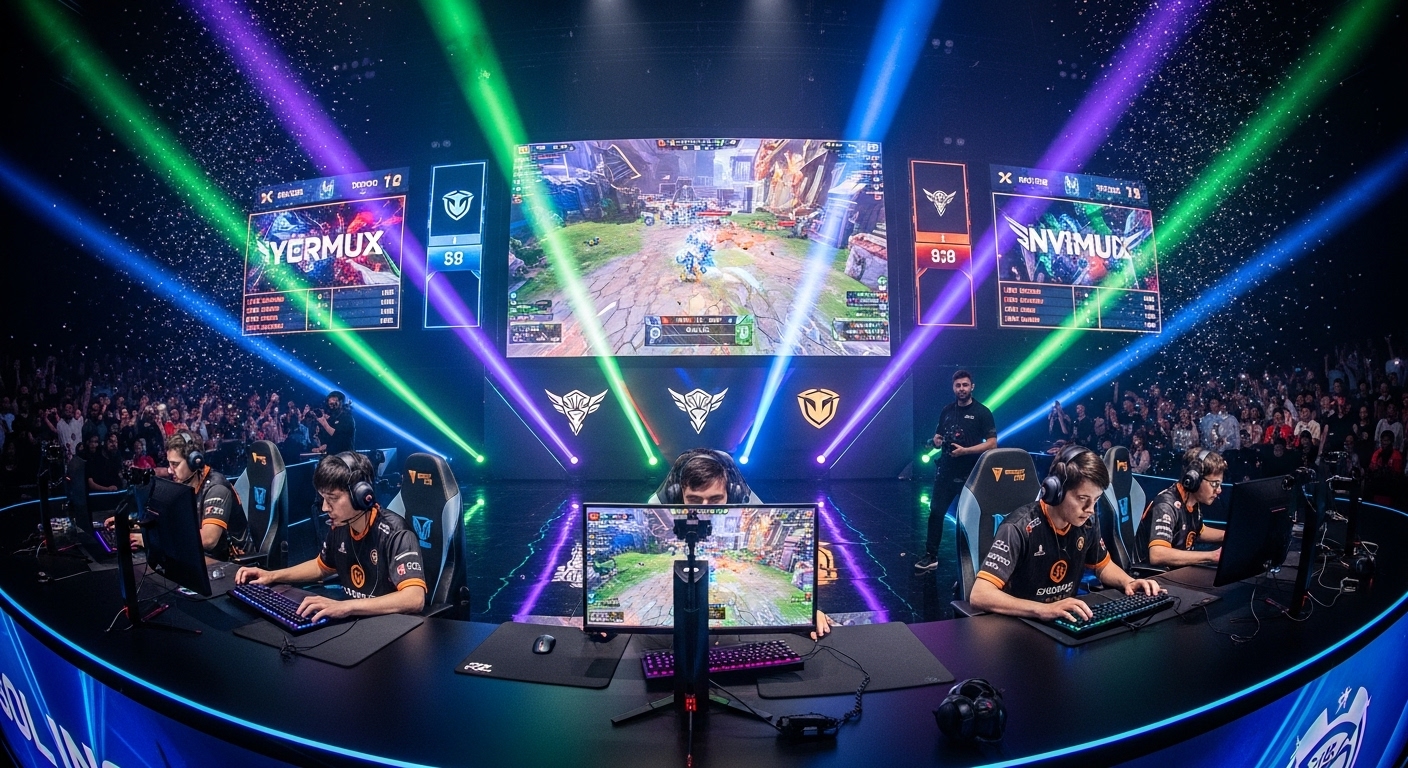
The 2000s further accelerated the growth of esports with the expansion of online gaming platforms and the advent of live streaming. Platforms like Twitch revolutionized how audiences consumed esports content, allowing fans worldwide to follow tournaments in real-time. Today, esports has evolved into a multi-billion-dollar industry, with professional leagues, sponsorship deals, and global fan bases rivaling those of traditional sports.
Popular Esports Genres and Games
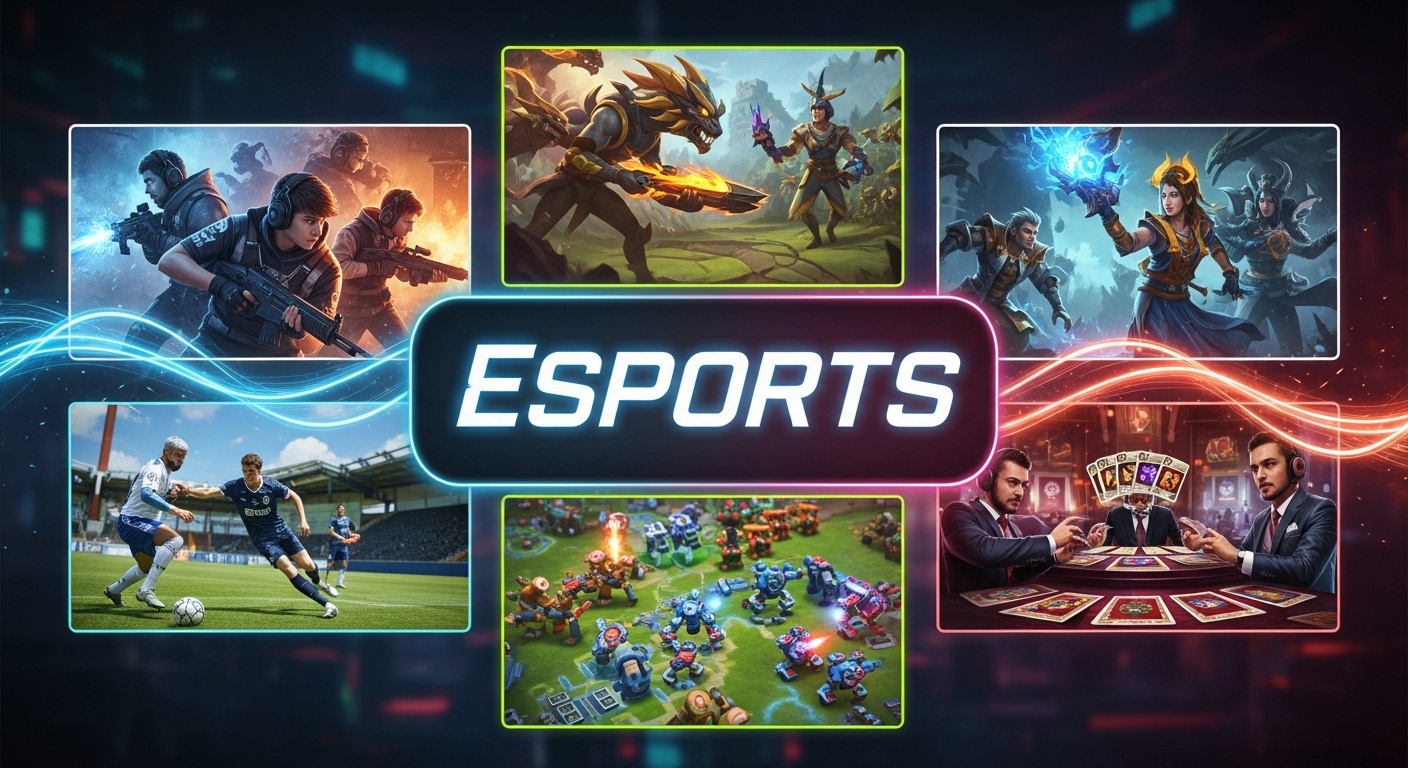
Esports encompasses a wide variety of game genres, each demanding unique skills and strategies. Multiplayer Online Battle Arenas (MOBAs) like League of Legends and Dota 2 require teamwork, quick reflexes, and strategic planning. First-Person Shooters (FPS) such as Counter-Strike: Global Offensive, Call of Duty, and Valorant emphasize precision, timing, and tactical awareness. Real-Time Strategy (RTS) games, like StarCraft II, challenge players to manage resources, plan attacks, and adapt to changing scenarios.
Fighting games, including Street Fighter and Tekken, test reaction speed and pattern recognition, while sports simulation games like FIFA and NBA 2K replicate traditional athletic competition in a virtual environment. Each genre attracts distinct communities, contributing to the diversity and richness of the esports ecosystem.
The Global Reach of Esports
Esports has grown into a global phenomenon with audiences spanning every continent. Asia, particularly South Korea and China, has long been a hub for competitive gaming. South Korea is famous for professional StarCraft leagues that became televised events, turning players into national celebrities. China has invested heavily in esports infrastructure, cultivating a massive fan base and hosting tournaments with record-breaking viewership.
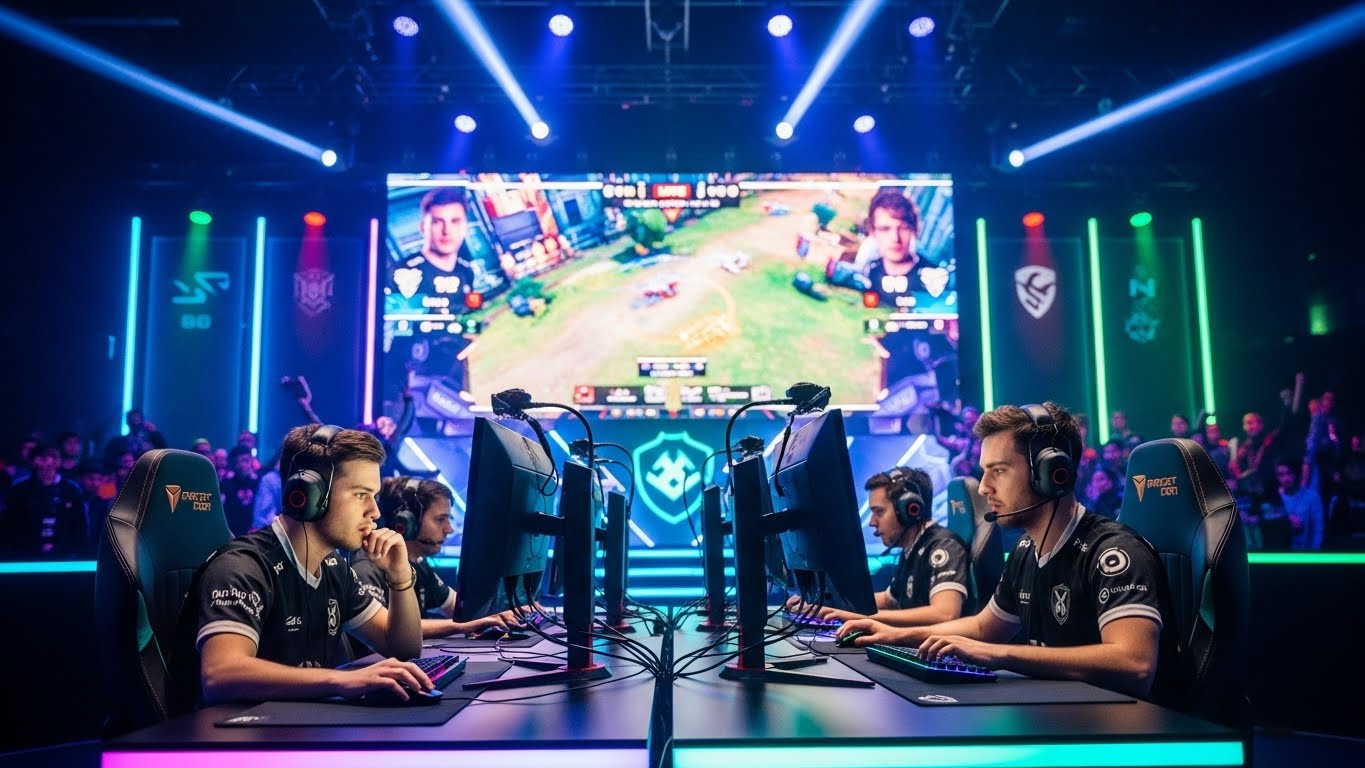
North America and Europe have also embraced esports, with cities hosting large-scale events and universities offering scholarships for esports athletes. Countries like Sweden, Germany, and the United States have established professional leagues that attract top-tier players from around the world. The international nature of esports allows for cross-cultural interaction and collaboration, fostering a sense of global community unlike any other competitive platform.
The Role of Technology in Esports
Technology plays a central role in the rise of esports. High-speed internet, advanced gaming hardware, and sophisticated software have made competitive gaming more accessible and immersive than ever before. Streaming platforms provide a direct connection between players and fans, creating interactive experiences through chat functions, live commentary, and audience participation.
Artificial intelligence and analytics have also entered the esports scene, helping players improve performance and giving teams a competitive edge. Tools that track player stats, analyze gameplay patterns, and provide real-time feedback have elevated the strategic depth of esports. As technology continues to advance, esports is likely to integrate virtual reality, augmented reality, and more interactive experiences, pushing the boundaries of digital competition.
Professional Esports: Careers and Opportunities
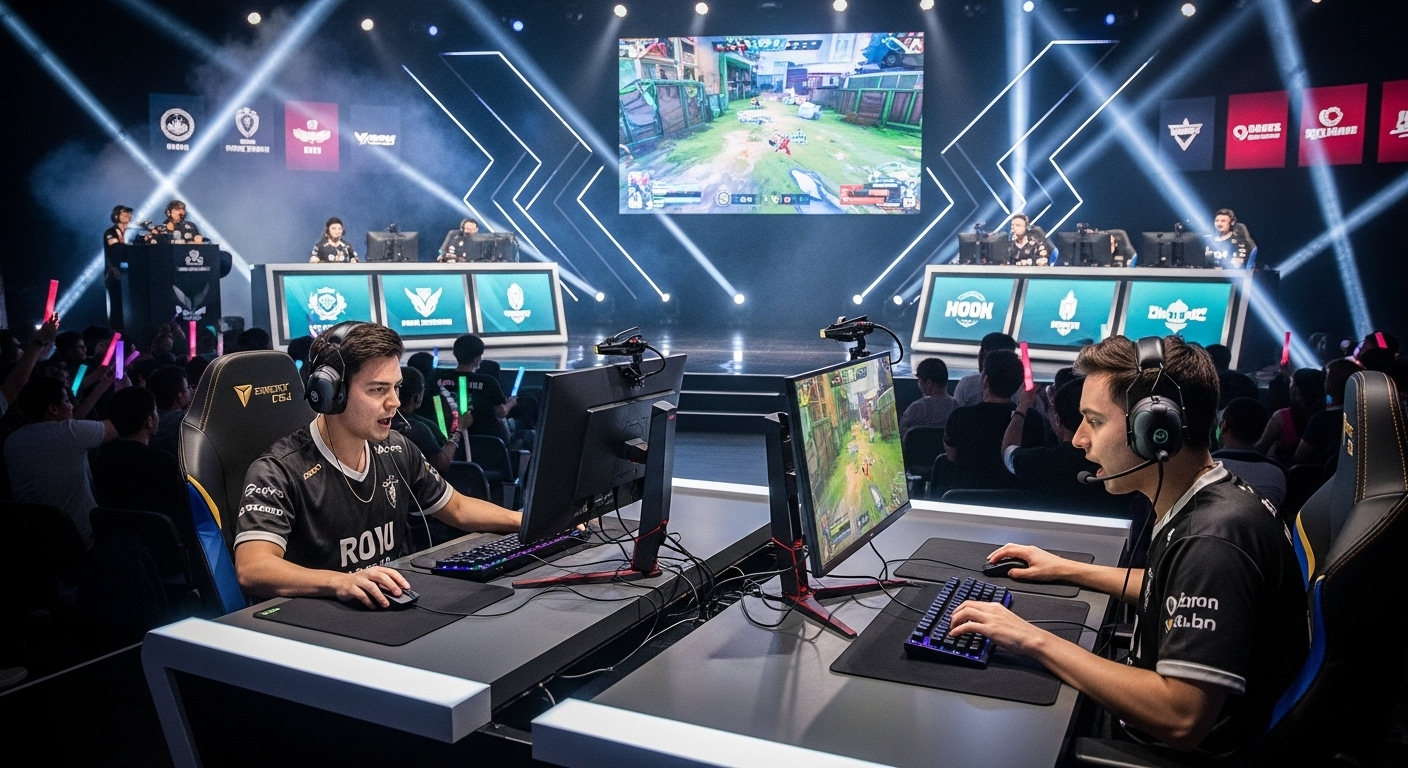
Esports is not only a spectator sport but also a viable career path. Professional esports players can earn significant income through tournament winnings, sponsorships, and streaming revenue. The most successful players often achieve celebrity status, with fan followings comparable to those of traditional athletes.
Beyond players, esports offers opportunities in coaching, team management, content creation, event production, and broadcasting. Organizations hire analysts, commentators, and marketing professionals to ensure smooth operations and maximize engagement. Universities and institutions have started offering esports programs, further legitimizing it as a professional and academic pursuit. The career possibilities in esports reflect the growing economic and cultural impact of the industry.
Esports and Community Engagement
A critical aspect of esports is the community that surrounds it. Online forums, social media groups, and fan clubs allow enthusiasts to share strategies, celebrate victories, and discuss emerging trends. Community engagement drives the popularity of esports by fostering a sense of belonging and encouraging participation at every level.
Amateur tournaments and local leagues provide aspiring players with platforms to showcase their talent. Fan conventions, live events, and interactive streams allow audiences to connect with their favorite players, strengthening the bond between gamers and fans. The social dimension of esports highlights how digital platforms can cultivate communities that are as passionate and connected as those in traditional sports.
Economic Impact of Esports
The financial growth of esports is staggering. Revenues come from multiple streams, including tournament prize pools, sponsorship deals, media rights, merchandise sales, and advertising. Major tournaments now offer multi-million-dollar prize pools, drawing attention from international media and investors. Brands recognize the marketing potential of esports, targeting a young, tech-savvy audience with tailored campaigns.
Esports has also spurred economic growth in related sectors, such as gaming hardware, software development, live streaming services, and event management. Cities hosting major esports tournaments benefit from tourism, local business engagement, and increased global visibility. The economic ecosystem surrounding esports demonstrates how digital entertainment can generate substantial real-world value.
Challenges and Controversies in Esports
Despite its meteoric rise, esports faces several challenges. One of the primary issues is maintaining fair competition. Cheating, match-fixing, and doping have occasionally marred the reputation of esports, prompting stricter regulations and oversight. Mental health is another concern, as players face intense pressure, long hours, and the risk of burnout.
Inclusivity and diversity also remain pressing topics. While esports is generally accessible, certain demographics are underrepresented, highlighting the need for initiatives that encourage broader participation. Addressing these challenges is essential for sustaining the long-term credibility and growth of the industry.
The Future of Esports
Looking forward, the future of esports appears bright and transformative. Innovations in virtual reality, cloud gaming, and artificial intelligence will continue to enhance gameplay, strategy, and fan engagement. Esports may increasingly integrate with mainstream entertainment, with collaborations between game developers, movie studios, and sports organizations.
Education and professionalization are expected to expand further, with more universities offering scholarships, academic programs, and career development opportunities in esports. Global tournaments will likely become even more accessible, connecting players and fans across continents and further solidifying esports as a legitimate and enduring form of competition.
Conclusion: Redefining Sports and Entertainment
Esports has fundamentally changed the landscape of competitive entertainment. From its humble beginnings in arcades to its current status as a global industry, esports demonstrates the power of digital technology, community engagement, and strategic skill. It offers players a platform to pursue careers, fans a space to connect, and society a glimpse into the future of sports and entertainment.
As esports continues to evolve, it challenges traditional notions of athleticism, competition, and fandom. It bridges the gap between technology and human creativity, proving that competition does not require physical arenas to captivate millions. The rise of esports signifies a broader shift in how we define excellence, achievement, and entertainment in the digital age.