Introduction: The Digital Arena Comes Alive
Esports, once considered a niche hobby among tech enthusiasts and gaming fanatics, has exploded into a global phenomenon. What began as informal competitions between friends has now evolved into a multi-billion-dollar industry attracting millions of viewers worldwide. From professional tournaments with massive prize pools to college-level esports programs, competitive gaming has transcended its underground roots to become a legitimate form of entertainment and a career path for many. In this blog, we will explore the evolution, cultural impact, business side, and future of esports, highlighting why it has captured the imagination of so many across the globe.
The Evolution of Competitive Gaming
The history of competitive gaming stretches back decades, with early examples appearing in arcades during the late 1970s and 1980s. Titles like Space Invaders and Pac-Man laid the groundwork for the idea of competition in gaming, though these events were largely local. The 1990s introduced PC-based competitions and LAN parties, which allowed gamers to connect and compete on a larger scale.
By the early 2000s, games like Counter-Strike, StarCraft, and Warcraft III became the foundation of organized esports. Tournaments began to emerge in Asia, particularly South Korea, where professional gaming became a respected career. Gaming leagues gained structure, and players started receiving sponsorships and salaries, setting the stage for modern esports.
The Explosion of Global Popularity
The 2010s marked a turning point for esports. Streaming platforms, most notably Twitch, revolutionized the way audiences consume content. Fans could now watch live matches, interact with their favorite players, and feel like part of a global community. Games like League of Legends, Dota 2, and Fortnite captured mainstream attention, with tournaments filling stadiums and attracting millions of online viewers.
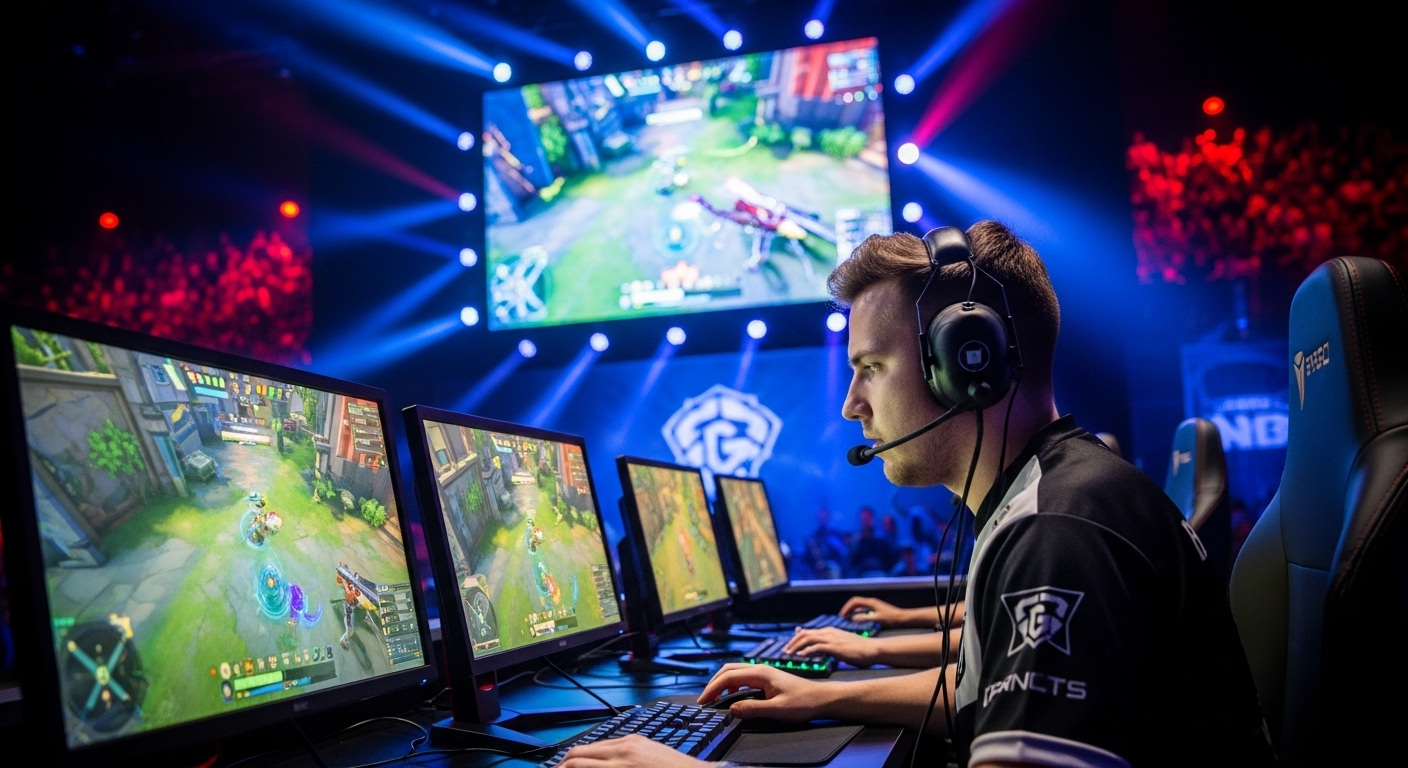
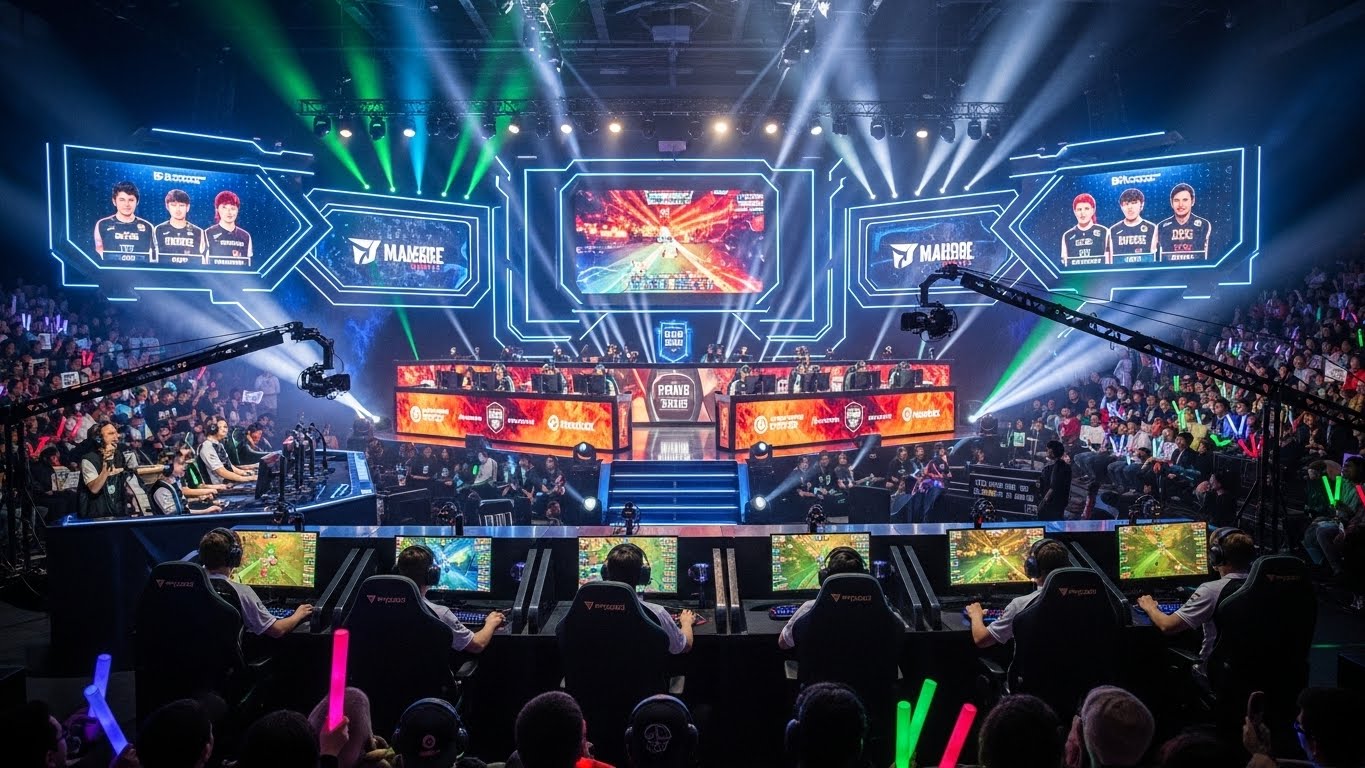
Today, esports tournaments rival traditional sports in terms of viewership. Major events like The International and League of Legends World Championship draw audiences in the tens of millions. These competitions are not just games; they are spectacles, complete with commentators, elaborate stage setups, and fan engagement activities, making them immersive entertainment experiences.
The Cultural Impact of Esports
Esports has reshaped popular culture in several ways. Firstly, it has given rise to a new type of celebrity: professional gamers. Players are now influential figures, attracting sponsorships, merchandise deals, and media attention. They serve as role models for younger generations, proving that gaming can be both a passion and a viable career.
Secondly, esports has fostered a sense of community. Online forums, fan groups, and live event gatherings connect players and fans from around the world. Unlike traditional sports, which often require physical presence, esports allows anyone with an internet connection to participate in this global culture.
Moreover, esports has influenced fashion, music, and media. Merchandise featuring team logos, player likenesses, and game-themed apparel has become mainstream. Collaborations between game developers and celebrities further bridge the gap between gaming and popular culture.
The Economics of Esports
The esports industry has experienced explosive economic growth, transforming into a billion-dollar market. Revenue streams include sponsorships, advertising, media rights, merchandise sales, and tournament prize money. Brands outside of gaming, including tech companies, beverage companies, and fashion brands, are investing heavily, recognizing esports as an influential platform to reach younger, engaged audiences.
Prize pools for major tournaments have also skyrocketed. For instance, The International’s prize pool exceeded thirty million dollars, funded partially by community contributions through in-game purchases. Teams operate like professional sports franchises, employing coaches, analysts, marketing staff, and player development programs. This level of professionalization has cemented esports as a serious business venture.
Technological Advancements Driving Esports
Esports thrives on technology. High-speed internet, streaming platforms, and advancements in gaming hardware have made competitive gaming accessible and enjoyable for millions. Virtual reality and augmented reality are beginning to influence the industry, promising even more immersive experiences for both players and spectators.
Game developers continuously balance gameplay, introduce updates, and organize events to keep audiences engaged. The integration of analytics and data-driven strategies has become essential for competitive teams. Much like traditional sports, understanding player statistics, game patterns, and team dynamics can mean the difference between victory and defeat.
Health and Wellness in Esports
Despite its many benefits, esports has faced criticism related to health concerns. Prolonged screen time, sedentary behavior, and stress can impact physical and mental health. However, many professional organizations now prioritize wellness programs. Players engage in physical fitness routines, maintain structured sleep schedules, and work with mental health professionals to cope with the pressures of competition.
Additionally, awareness of esports-related health issues has grown among fans. Communities are discussing topics like posture, eye care, and balancing gaming with other life responsibilities, promoting a healthier culture within the gaming world.
Education and Career Opportunities
Esports has also made its mark in education. Universities and colleges are now offering scholarships for talented gamers, as well as degrees and programs focused on game design, esports management, and content creation. These programs train students in technical skills, marketing, team management, and live event coordination, reflecting the professionalization of the industry.
Beyond playing, careers in esports include coaching, broadcasting, content creation, game development, event management, and sponsorship management. This diversity of opportunities has broadened the appeal of esports as a long-term career path.
The Social Dimension of Esports
Esports is more than just a competitive activity; it is a social phenomenon. Online multiplayer games foster teamwork, strategy, and communication. Players develop skills such as leadership, quick decision-making, and conflict resolution.
Streaming platforms have turned spectators into participants, allowing fans to interact with players, ask questions, and even influence gameplay decisions. This social interaction strengthens the bond between communities and fosters a sense of belonging, especially for those who may feel isolated in other areas of their lives.
Challenges Facing the Industry
Despite its growth, esports faces several challenges. Regulatory issues, such as gambling, player contracts, and cheating, require constant attention. Ensuring fair play and maintaining competitive integrity are crucial for the industry’s credibility.
Furthermore, the rapid growth of esports can sometimes lead to burnout among professional players. The intense training schedules, public scrutiny, and high expectations can take a toll on individuals. Teams and organizers must continue to develop sustainable practices to protect their talent.
The Future of Esports
The future of esports is promising and full of potential. Advances in technology will continue to enhance the viewing experience, with virtual reality arenas, AI-driven analytics, and interactive broadcasts becoming more common. Global expansion into emerging markets will introduce new audiences and talent pools.
Esports may also integrate more closely with traditional sports. Partnerships with major sports leagues, cross-promotional events, and hybrid competitions could redefine entertainment, blending the physical and digital worlds.
Moreover, esports is likely to become more inclusive. Efforts to promote diversity and accessibility are already underway, encouraging participation from women, people with disabilities, and underrepresented communities. This inclusivity will broaden the appeal of esports, making it a truly global and diverse cultural phenomenon.
Conclusion: Gaming as a Cultural Mainstay
Esports has grown from humble beginnings to a worldwide cultural and economic force. It combines entertainment, technology, and competition in a way that resonates with audiences of all ages. Beyond the games themselves, esports has created communities, careers, and cultural icons, proving that competitive gaming is more than just a pastime—it is a legitimate and influential part of modern society.
As esports continues to evolve, it will not only redefine how we perceive gaming but also how we interact with technology, entertainment, and each other. For players, fans, and industry professionals alike, esports represents a world of possibilities, where dedication, skill, and passion can translate into global recognition and success.