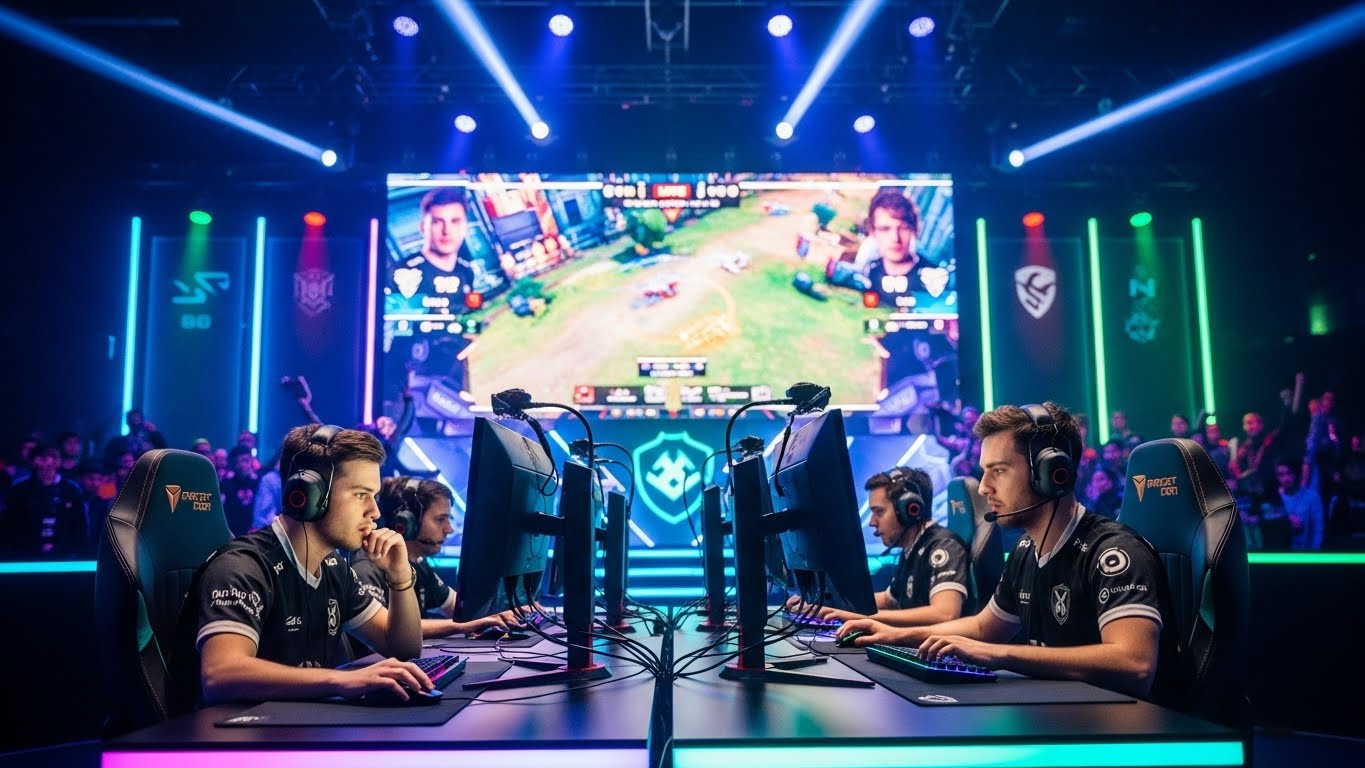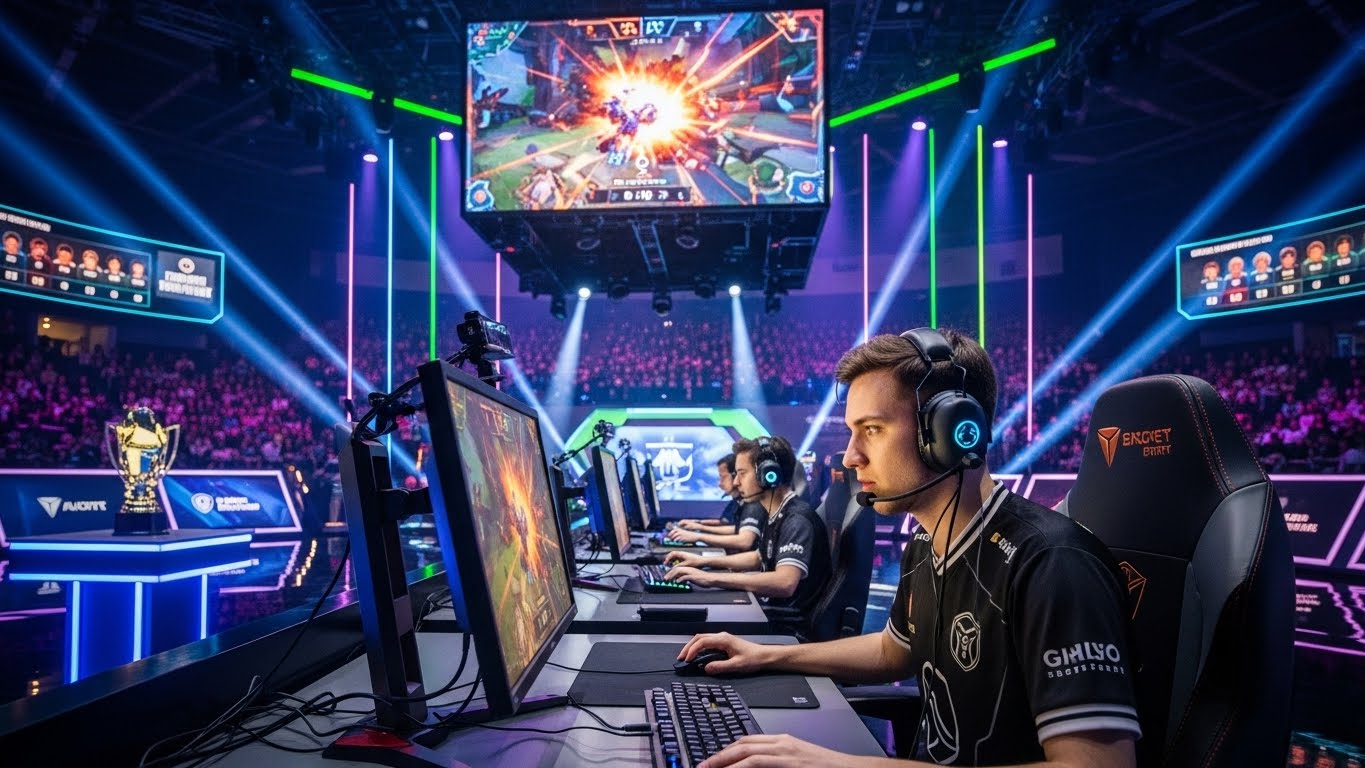

Esports, or electronic sports, has evolved from a niche subculture into a global phenomenon over the past two decades. What was once considered a pastime for gamers has now turned into a multi-billion-dollar industry, complete with professional leagues, sponsorships, and millions of devoted fans. From tournaments with prize pools in the millions to games that draw millions of viewers on streaming platforms like Twitch and YouTube, esports has firmly secured its place in the entertainment landscape. This blog post explores the history, growth, and future of esports, shedding light on the key factors that have contributed to its meteoric rise.
What is Esports?
At its core, esports refers to competitive video gaming. It involves professional players or teams competing against each other in various video game genres such as first-person shooters (FPS), multiplayer online battle arenas (MOBAs), real-time strategy (RTS), and sports simulations. Games like League of Legends, Counter-Strike: Global Offensive, Dota 2, and Overwatch have become household names in the esports world, while games like FIFA and NBA 2K bring traditional sports into the virtual arena.
Esports is more than just playing games for fun. It involves intense training, strategy, teamwork, and skill development, often akin to traditional sports like football or basketball. Teams have coaches, analysts, and support staff, and players regularly participate in leagues, tournaments, and boot camps to enhance their performance. With millions of viewers watching live broadcasts and streams, esports has grown into a competitive sport that attracts attention, investment, and respect from all corners of the globe.
The Origins of Esports
Esports has its roots in the 1990s, but its true inception can be traced back to games like StarCraft and Warcraft. In the late 1990s and early 2000s, games that offered multiplayer modes started gaining popularity, laying the foundation for competitive play. However, it wasn’t until 2000 that the first major esports tournament took place. The World Cyber Games (WCG), launched in 2000, brought gamers from around the world to compete for cash prizes and global recognition.
One of the most important moments in the history of esports came in 2011 when League of Legends (LoL), a multiplayer online battle arena (MOBA), was released by Riot Games. LoL quickly became a cornerstone of competitive gaming, providing a platform for professional teams to compete globally. Other games followed suit, and soon enough, esports tournaments were regularly televised and streamed live on platforms like Twitch.
While esports had been growing steadily in the West, Asia, particularly South Korea, had already established itself as a powerhouse. South Korea’s government supported esports through infrastructure, sponsorships, and dedicated esports arenas, and by the mid-2000s, esports had become deeply embedded in the country’s culture. The establishment of the Korean e-Sports Association (KeSPA) further helped professionalize the industry, attracting major sponsors and media attention.
The Growth and Evolution of Esports
The growth of esports can be attributed to several key factors, including technological advances, the rise of streaming platforms, and changing attitudes toward gaming. As internet speeds improved and online multiplayer gaming became more accessible, more players could connect with each other and compete. Moreover, the rise of powerful gaming PCs and consoles allowed developers to create more complex and visually stunning games that kept players coming back for more.
One of the biggest catalysts for esports growth, however, has been the rise of online streaming platforms like Twitch, YouTube Gaming, and Facebook Gaming. Launched in 2011, Twitch revolutionized the way people consumed gaming content. What was once a niche activity—watching others play video games—became a mainstream entertainment option, with millions tuning in to watch live tournaments, casual streams, and esports commentary.
Twitch’s success directly contributed to the rise of esports, as fans could now watch live events and interact with players in real-time. Streamers and professional players gained huge followings, and esports organizations began to invest heavily in content creation and media partnerships to grow their brands. Viewership numbers for esports tournaments surged, and prize pools grew larger and more attractive, creating a more sustainable ecosystem for professional players and teams.
The increasing visibility of esports has also led to more traditional sports organizations and companies investing in the sector. In recent years, NFL teams, NBA teams, and even European football clubs have launched their own esports teams, signifying the growing mainstream acceptance of competitive gaming. Likewise, corporate sponsors such as Coca-Cola, Intel, and Red Bull have seen the potential of esports to reach younger, tech-savvy audiences, leading to a surge in sponsorships and brand partnerships.
The Structure of Competitive Esports
Professional esports leagues and tournaments have become some of the largest entertainment events in the world. The League of Legends World Championship, The International (Dota 2), and the Overwatch League are just a few examples of events that draw in millions of viewers both online and in arenas.
Esports is organized around professional leagues, tournaments, and online competitions. There are tiered levels of competition, with players working their way up from local or regional tournaments to major international events. Teams compete for large prize pools, and players earn salaries, sponsorships, and endorsement deals similar to athletes in traditional sports. Some of the highest-paying esports tournaments, such as The International for Dota 2, have offered prize pools in excess of $40 million, which is on par with the top-tier sports competitions.
Esports leagues and tournaments are also highly structured, often running for months or even years. For example, the League of Legends Championship Series (LCS) is an annual competition that runs throughout the year, with regional playoffs, regular seasons, and a grand finals event. These competitions require players to dedicate countless hours to practice and preparation, much like athletes in traditional sports.
The Culture of Esports
Beyond the competitions and tournaments, esports has fostered a unique culture. From online communities to social media platforms, fans are deeply engaged in the esports scene. Players have their own fanbases, and teams often build loyal communities around them. Esports personalities are revered by fans, with some players even becoming celebrities in their own right. Teams, such as Cloud9, Team Liquid, and Fnatic, have built global brands that transcend the gaming world.
Moreover, esports has helped shape a new kind of fan interaction. Fans can now directly engage with their favorite players and teams via social media, live streams, and fan events. The ability to interact with players in real-time has led to more personalized fan experiences, with viewers feeling a direct connection to the athletes they cheer for.
While esports has its own professional and competitive environment, it has also contributed to a more casual gaming culture. Online multiplayer games allow gamers to interact with each other, build communities, and participate in grassroots competitions. This has led to an explosion of smaller leagues and competitions, often organized by fans and casual players, further strengthening the ties between gaming and its audience.
Esports as a Career Path
The idea of becoming a professional esports player was once an outlandish dream for most gamers, but now it is a viable career path. Players can make a living by winning tournaments, streaming on platforms like Twitch, and obtaining sponsorships. Esports organizations are also investing in player development, providing professional teams with coaches, psychologists, analysts, and other staff to help players succeed.
For those who aren’t interested in competing, there are plenty of other career opportunities in the esports industry. Analysts, commentators, event organizers, content creators, and marketers all play crucial roles in keeping the esports ecosystem alive and thriving. As the industry continues to grow, more career opportunities will emerge, making esports not just a hobby, but a legitimate career path for many.
The Future of Esports
Looking forward, the future of esports seems incredibly bright. It has gained unprecedented mainstream recognition and is likely to continue its growth trajectory, attracting more viewers, players, and sponsors. As technology continues to advance, we may see the emergence of new types of esports, such as virtual reality (VR) or augmented reality (AR) gaming, which could further push the boundaries of what esports can offer.
Esports is also likely to continue expanding into new regions, particularly in emerging markets in Asia, South America, and Africa. As internet infrastructure improves and gaming becomes more accessible, new talent will emerge from all corners of the globe, contributing to the ongoing diversity and innovation within the esports industry.
Furthermore, the line between traditional sports and esports is likely to blur even further. With sports organizations increasingly investing in esports, it’s only a matter of time before the two worlds fully intersect. Esports may even be included as an official event in the Olympics, further solidifying its place in global culture.
Conclusion
Esports is no longer just a hobby for a select few—it has become a global phenomenon, with millions of players, fans, and viewers all around the world. Its rise is a testament to the changing landscape of entertainment and technology, and it shows no signs of slowing down. Whether you’re an aspiring pro gamer, a casual fan, or someone interested in exploring the world of competitive gaming, esports is an industry that offers a wealth of opportunities. As it continues to evolve, esports will undoubtedly shape the future of gaming and entertainment for years to come.