Introduction: A New Era of Competitive Excellence
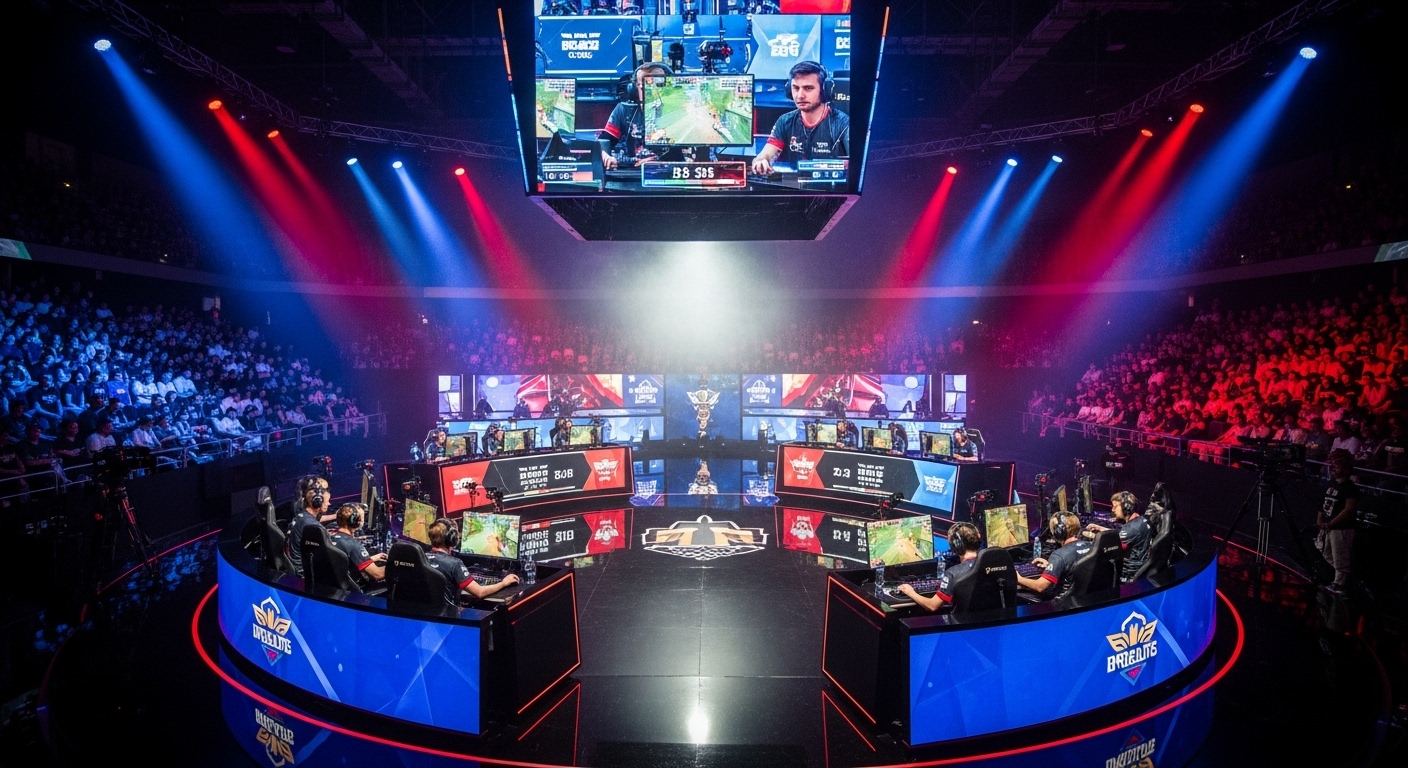
Esports, or electronic sports, has rapidly grown from a casual pastime into one of the most influential forms of competition in the world. What once was limited to living rooms and neighborhood gaming centers has now evolved into a global stage where professional players, massive audiences, and competitive organizations unite. Esports is more than entertainment; it is a cultural phenomenon transforming how people think about sports, technology, education, and careers. As digital competition continues to expand, esports is shaping the future of global entertainment and redefining the meaning of skill and strategy.
The Origins and Evolution of Esports
Esports began decades ago, tracing its roots to early gaming competitions in the 1970s and 1980s. These small events set the foundation for a movement that would eventually become a worldwide industry. As technology evolved, so did the world of competitive gaming. The rise of the internet allowed players from different countries to compete without physical barriers, creating an entirely new form of global connection. The introduction of online multiplayer games revolutionized how gamers interacted, practiced, and mastered their skills. Over the years, esports transitioned from simple contests into highly organized competitions featuring professional teams, coaches, analysts, and international tournaments. Today, esports stands tall as one of the most rapidly growing industries in entertainment.
The Mental Demands and Skill Development in Esports
Esports requires far more than quick reflexes. It demands advanced mental abilities such as strategic planning, real-time problem solving, multitasking, and split-second decision-making. Players must analyze complex situations, predict opponents’ strategies, and coordinate with teammates under intense pressure. Cognitive skills developed through esports include concentration, adaptability, and emotional control. Professional players often practice for hours each day to refine their gameplay, study opponents, and master intricate in-game mechanics. The mental stamina required in esports rivals that of traditional athletes, highlighting the depth of skill and discipline found within the digital arena.
Teamwork and Communication in Competitive Gaming
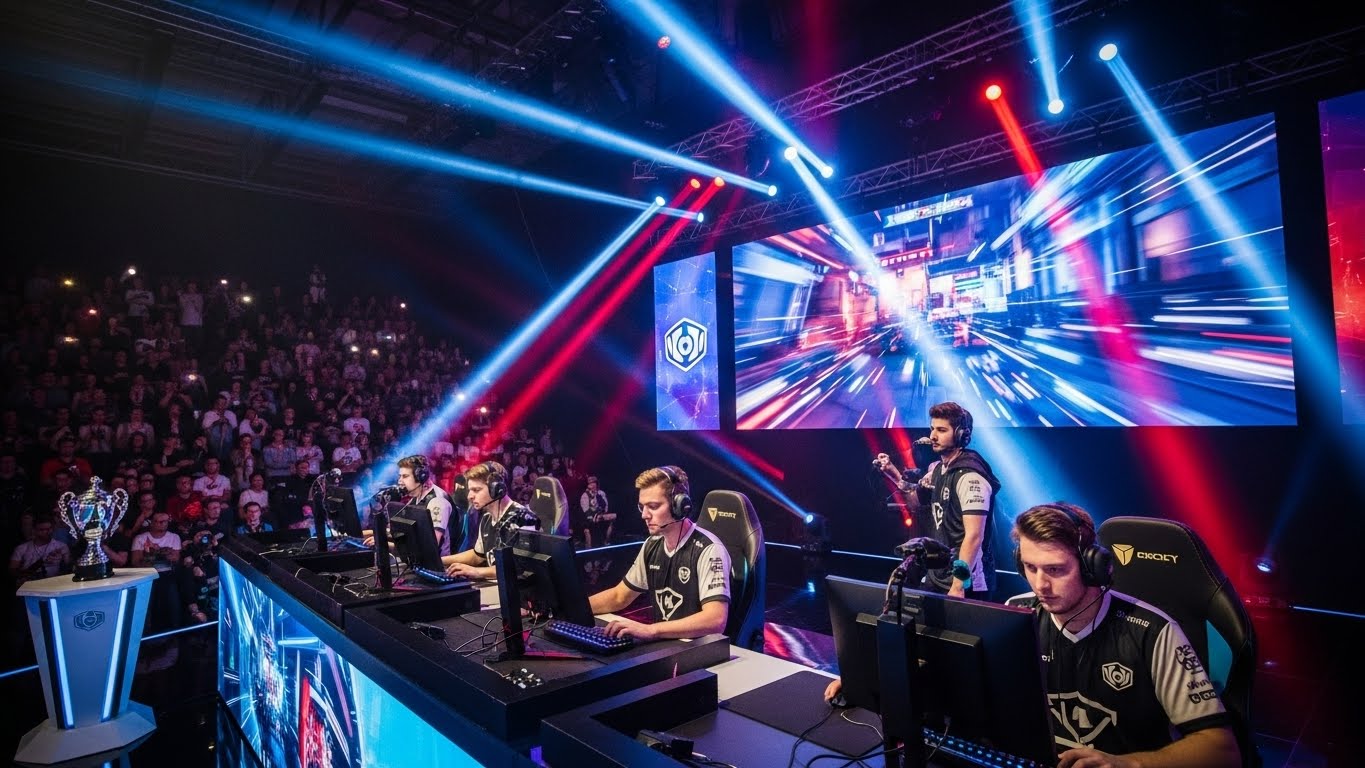
Many esports titles involve team-based play, where communication and cooperation are essential. Each player fulfills a specific role, and teams must coordinate strategies, manage resources, and execute plays with precision. Clear communication becomes vital, as one misstep can change the outcome of an entire match. Esports teaches valuable teamwork skills, such as leadership, collaboration, and trust. Players learn to listen to one another, adapt to changing situations, and work collectively to achieve victory. These skills go beyond gaming, providing real-world benefits in education, careers, and social relationships.
Esports as a Legitimate Career Path
The rise of esports has created an impressive range of career opportunities. Professional players earn income through tournaments, salaries, sponsorships, and streaming. However, the industry extends far beyond players alone. Coaches, analysts, commentators, event organizers, graphic designers, content creators, and marketing specialists are all vital parts of the esports ecosystem. Universities and academies have recognized this growth, offering scholarships and structured programs for talented gamers. As the industry evolves, esports continues to open doors for individuals passionate about gaming, technology, and digital entertainment. What was once dismissed as a hobby has now become a viable and respected career path.
Social Influence and Community Building Through Esports
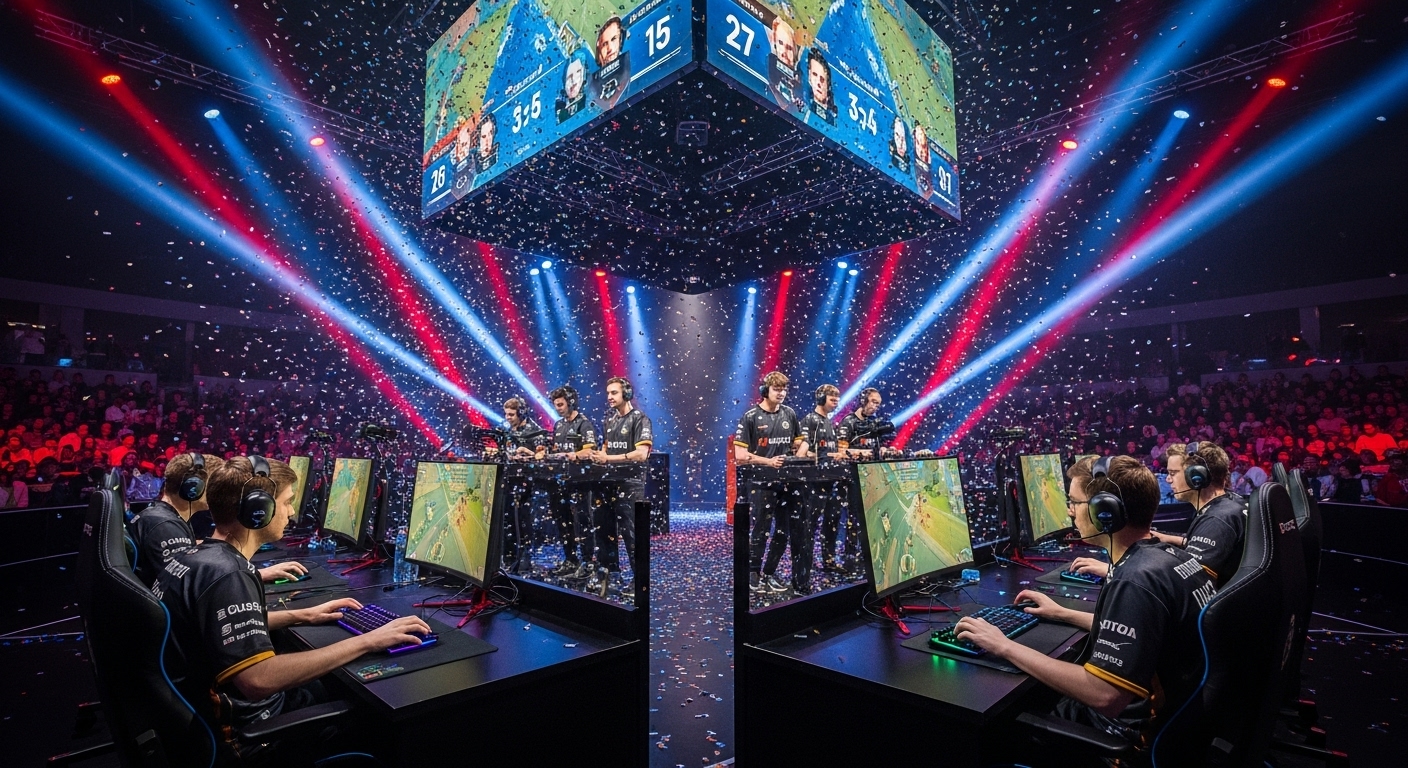
Esports has become a powerful force for social connection. Online gaming communities allow players to meet others from around the world, forming friendships and bonds that transcend borders. Esports events, whether held in massive arenas or watched online, create shared experiences that bring fans together in excitement and celebration. The community-driven nature of esports encourages inclusion, collaboration, and cultural exchange. Many players credit esports for helping them develop confidence, communication skills, and a sense of belonging. In a digital age where connection is increasingly important, esports serves as a unifying platform for people of all ages and backgrounds.
The Economic Impact of the Esports Industry
Esports generates billions of dollars annually, making it one of the most lucrative sectors in modern entertainment. Revenue comes from sponsorships, broadcasting rights, merchandise, tournaments, and in-game purchases. Major companies invest heavily in esports to engage younger audiences and expand their brand presence. Gaming organizations operate similarly to traditional sports teams, managing player rosters, business operations, and brand partnerships. The economic influence of esports continues to grow as more countries embrace competitive gaming and invest in infrastructure, training facilities, and large-scale events. The industry’s expansion demonstrates that esports is not simply entertainment—it is a powerful global economy shaping the digital future.
Technological Innovations Fueling Esports Growth
The success of esports is deeply tied to technological advancement. High-performance gaming systems, fast internet speeds, and powerful graphics have allowed games to reach new levels of complexity and realism. Data analytics play a major role in improving player performance and crafting strategies, while advanced software enables coaches to break down gameplay with remarkable precision. Streaming technology allows fans worldwide to watch matches live, turning esports into one of the most accessible forms of entertainment. Virtual reality and augmented reality are beginning to enter the scene, promising even more immersive experiences. As technology progresses, esports will continue to evolve and attract new audiences.
Esports in Education and Youth Development
Schools and universities worldwide are integrating esports into their educational systems. Esports programs teach students valuable skills such as leadership, communication, time management, and digital literacy. Competitive gaming encourages strategic thinking and problem-solving, skills essential in academic and professional environments. Some institutions offer scholarships to talented players, recognizing esports as a legitimate form of competitive excellence. As educational systems embrace the digital future, esports is becoming an important tool for student engagement and development.
Global Reach and Cultural Diversity in Esports
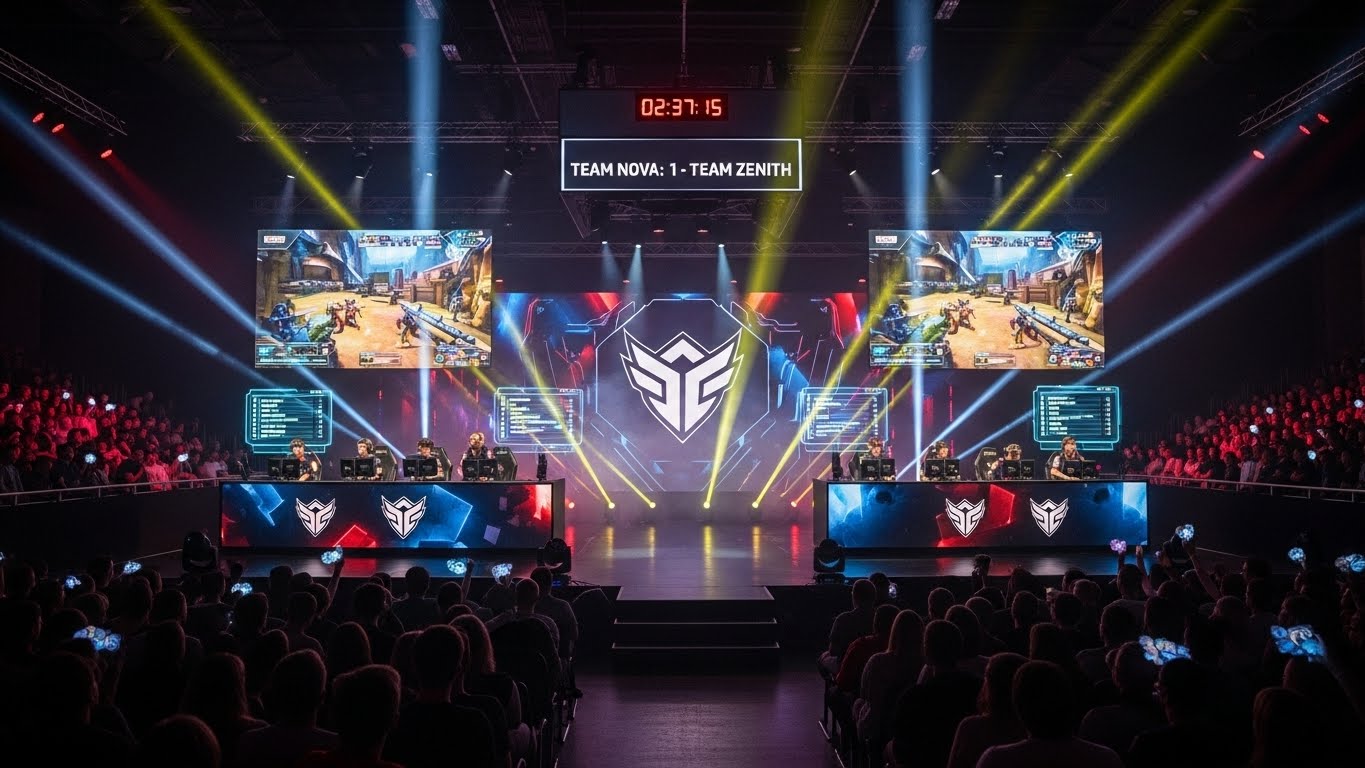
Esports is one of the few competitive activities that truly bridges global divides. Countries across Asia, Europe, North America, South America, and beyond participate in the esports ecosystem. Each region brings its own style, culture, and talent to the digital stage. Esports tournaments attract massive international audiences, creating cultural exchange and global understanding. This worldwide appeal makes esports a powerful cultural force that transcends language and geography. The global nature of esports demonstrates how digital competition can bring together diverse communities in ways that traditional sports sometimes cannot.
Challenges Faced by the Esports Industry
Despite its success, esports faces several challenges. Player burnout is a significant issue, as professional gamers often maintain intense practice schedules. Mental health concerns, such as anxiety and stress, are increasingly recognized within the industry. The lack of universal regulations creates inconsistencies in player contracts, tournament rules, and competitive fairness. Toxicity and negative behavior in online environments also present ongoing difficulties. Addressing these challenges is crucial for ensuring the long-term sustainability and credibility of esports. As the industry matures, organizations and communities must work together to create a healthier and more supportive environment.
The Future of Esports: Innovation and Expansion
The future of esports is bright, with growth expected across nearly every sector of the industry. Emerging technologies like virtual reality, artificial intelligence, and cloud gaming will reshape how players compete and how fans interact with the digital world. More countries will develop esports programs at educational and professional levels, expanding opportunities for young talent. Sponsorships, media coverage, and mainstream recognition will continue to elevate esports into a dominant force in global entertainment. As the industry becomes more inclusive and innovative, esports will remain a defining element of digital culture for generations to come.
Conclusion: Esports as a Catalyst for Global Change
Esports is far more than competitive gaming. It is a cultural movement, an economic powerhouse, and a platform for global connection. It fosters skills such as teamwork, strategy, communication, and resilience. It creates career opportunities, builds communities, and inspires millions worldwide. Esports reflects the evolution of modern society, where digital creativity, technology, and human skill unite to form a new era of competition. As esports continues to grow, it will remain at the forefront of entertainment and innovation, shaping the future of global culture and redefining what it means to compete in the digital age.