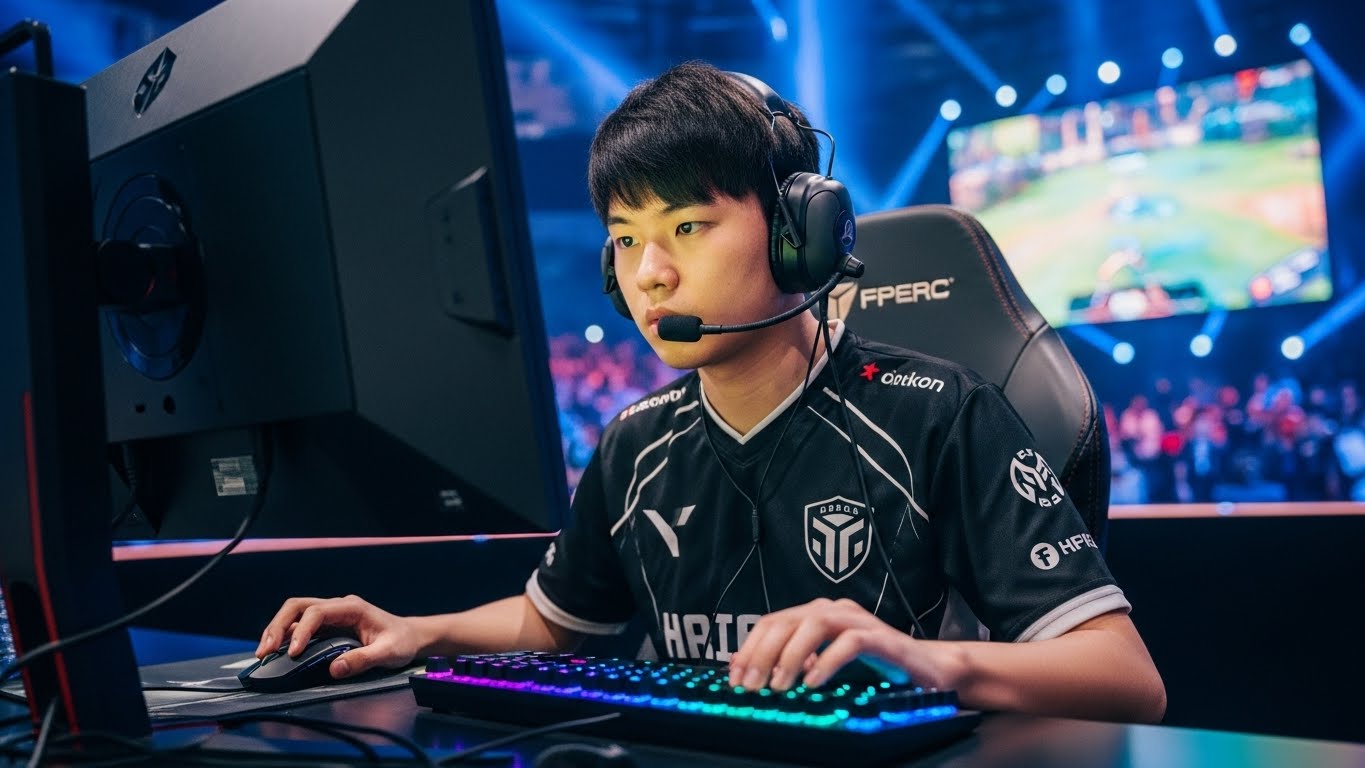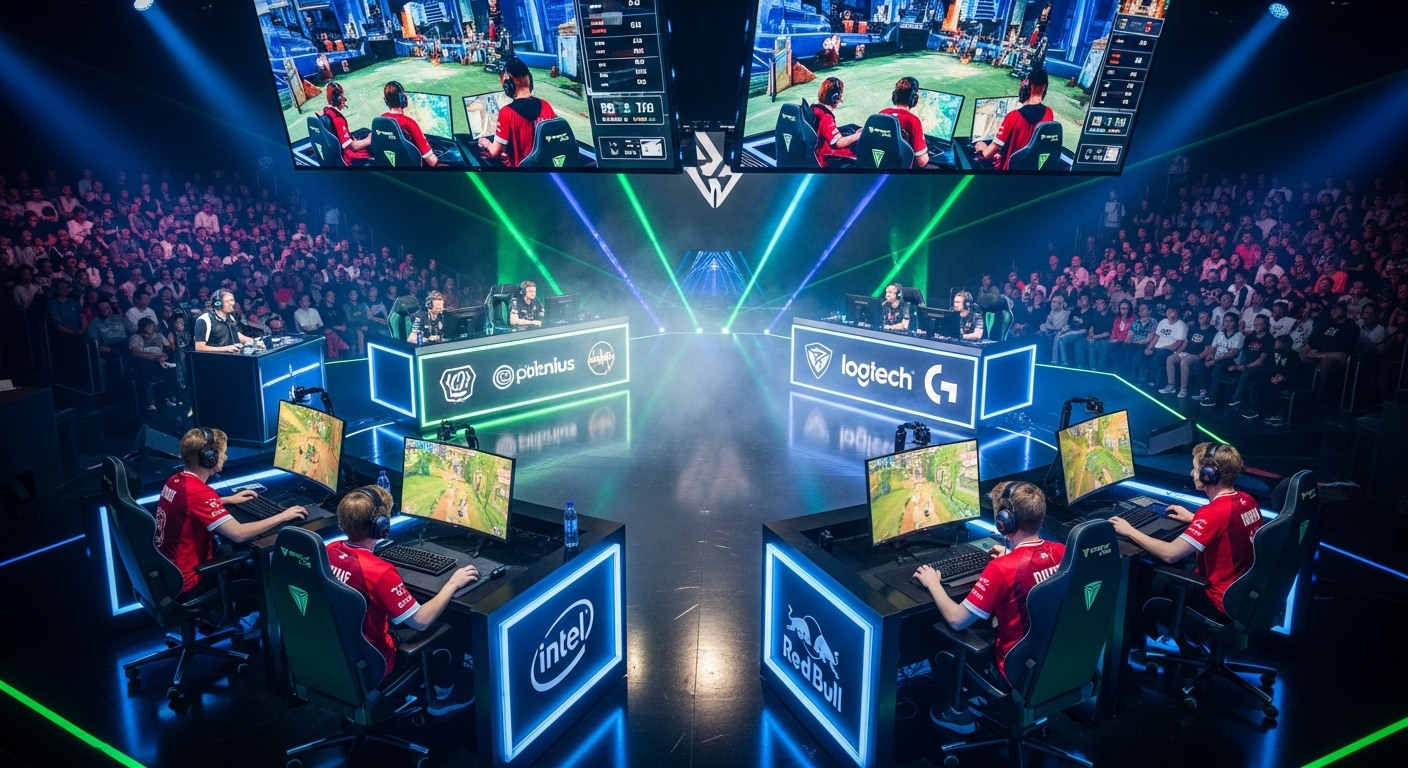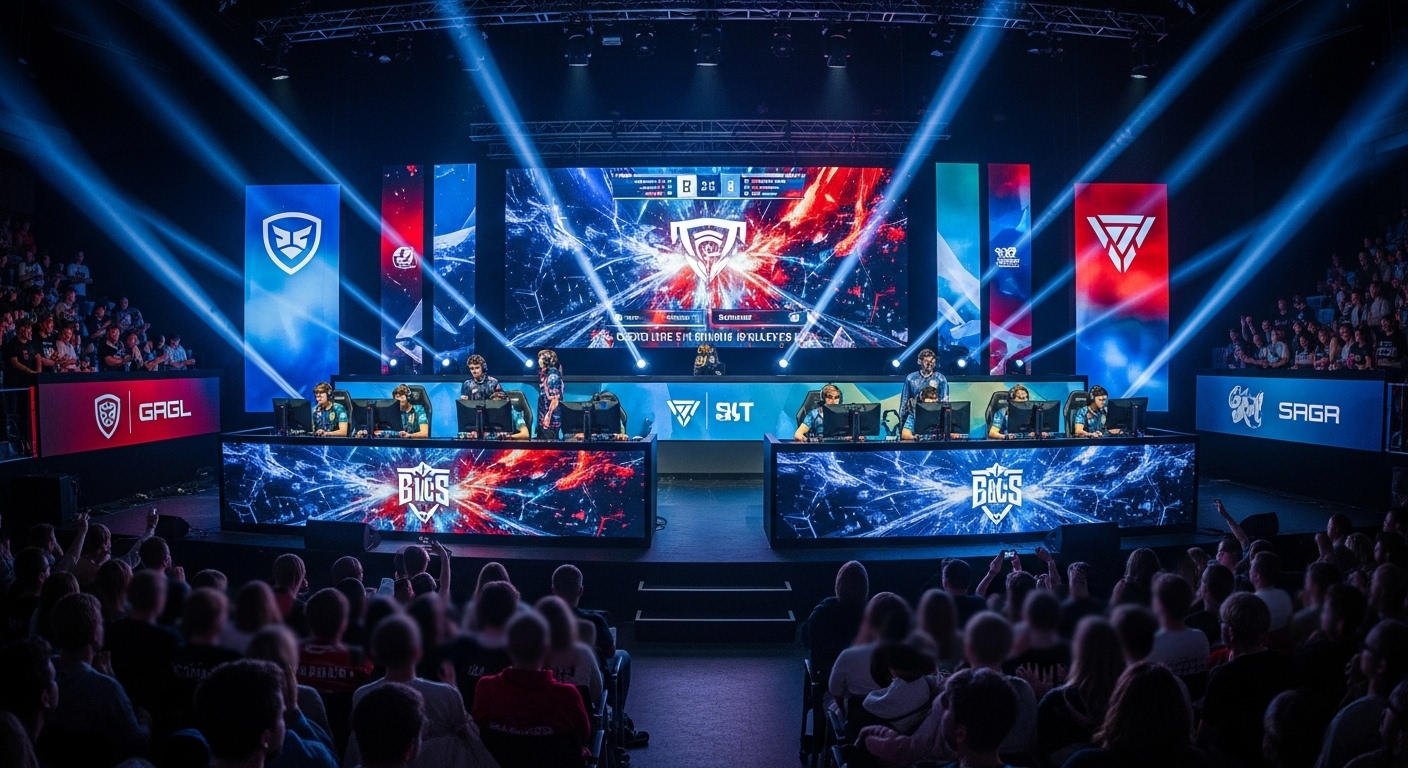
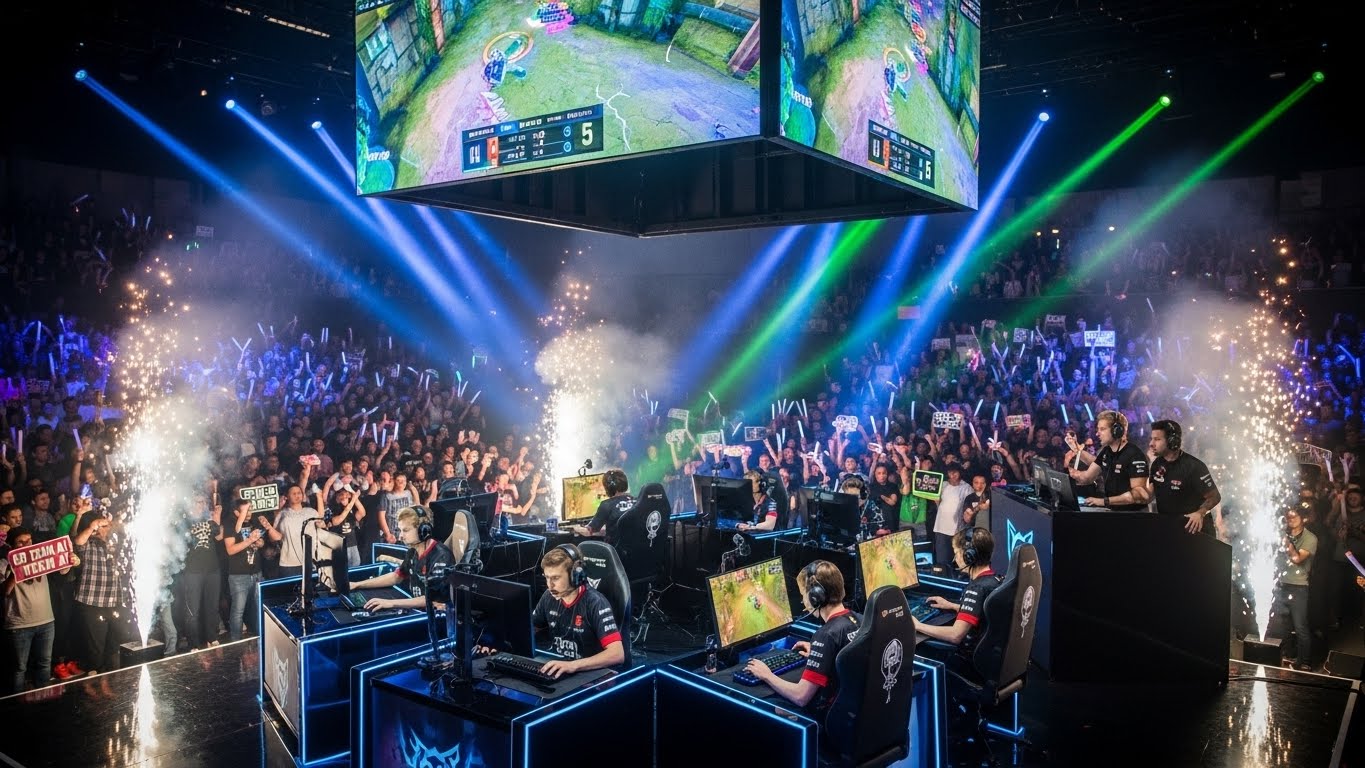
In the world of sports, the landscape is constantly evolving. From the rise of digital platforms to the expansion of competitive gaming, one particular sector has exploded in popularity over the past two decades—esports. What was once a niche hobby for a few passionate gamers has transformed into a global phenomenon, with millions of fans, professional players, massive sponsorship deals, and even dedicated TV channels. In this blog, we will explore the rise of esports, its impact on both the gaming and sports industries, and its promising future.
What Is Esports?
At its core, esports, or electronic sports, refers to competitive video gaming, where players or teams compete against each other in organized tournaments. These competitions usually involve multiplayer video games that require a combination of strategy, quick reflexes, and teamwork. Unlike casual gaming, esports is organized and often follows a professional structure, with leagues, sponsorships, and lucrative prize pools.
Esports can cover a wide range of video game genres, including first-person shooters (FPS) like Counter-Strike: Global Offensive and Overwatch, multiplayer online battle arenas (MOBAs) like League of Legends and Dota 2, and real-time strategy (RTS) games like StarCraft II. The genre is diverse, and each game presents its own unique set of challenges and requires different skills.
While traditional sports like football, basketball, and tennis are played in physical arenas, esports takes place primarily in virtual spaces. However, that has not stopped esports from attracting a massive following, with viewers tuning in to watch live-streamed events or in-person tournaments. Major competitions, such as The International (Dota 2) and League of Legends World Championships, regularly draw in millions of viewers from across the globe, creating an online sporting environment that rivals traditional sports in both spectacle and scale.
The Rise of Esports: From Niche to Mainstream
Esports began as a hobby for a small group of competitive gamers. The earliest known esports tournament took place in 1972 at Stanford University, where students competed in a game called Spacewar. However, it wasn’t until the late 1990s and early 2000s, with the advent of the internet, that esports began to take shape as we know it today.
In the early 2000s, competitive gaming started to gain traction thanks to games like StarCraft and Quake. These titles were fast-paced, required significant skill, and encouraged global competition. The creation of major tournaments, such as the World Cyber Games and the Cyberathlete Professional League, provided a formalized structure for esports events.
By the 2010s, esports experienced a meteoric rise. With the launch of streaming platforms like Twitch in 2011, fans could now watch live gameplay from their favorite players. The ability to watch competitions in real-time brought esports to a much wider audience. Platforms like YouTube and Facebook Gaming also contributed to the growth of competitive gaming by offering additional avenues for content creators to share their gameplay.
The professionalization of esports followed, with the creation of dedicated teams, sponsorships, and significant investments. As esports grew, traditional sports organizations, such as NBA teams, NFL franchises, and even traditional media outlets, began to take notice. Major sponsorships and partnerships began to pour into esports, leading to the growth of prize pools and the legitimacy of esports competitions.
The Key Factors Driving the Growth of Esports
Several key factors have contributed to the rapid rise of esports in recent years. From technological advances to a growing global fan base, let’s explore some of the key drivers of this digital revolution.
1. Technological Advancements
The most obvious factor behind the rise of esports is the advancement of technology. With faster internet speeds, better processors, and more powerful graphics cards, video games have become more immersive, realistic, and complex. The ability to play games online against others, with minimal latency, has paved the way for esports to flourish. The evolution of streaming services like Twitch and YouTube Gaming has also played a crucial role, providing a platform for fans and gamers to connect and interact with each other in real-time.
Moreover, the accessibility of gaming hardware has made it possible for almost anyone with a computer or gaming console to participate in esports. This has democratized competitive gaming, allowing a global pool of players to compete in tournaments, regardless of their geographic location.
2. Streaming Platforms and Fan Engagement
Streaming platforms like Twitch, YouTube, and Facebook Gaming have become essential components of the esports ecosystem. These platforms allow fans to watch their favorite players and teams compete live. Watching streams not only lets fans experience the thrill of the competition but also provides them with a chance to engage with the players through chat and live commentary.
The interactive nature of streaming platforms has helped build strong communities around esports. Gamers and fans can connect with others who share the same passion, creating an engaging ecosystem that extends beyond the competitions themselves. Top esports players, like Ninja and Shroud, have amassed millions of followers, turning them into household names and media stars.
3. Corporate Sponsorship and Investment
As esports became more mainstream, it began attracting significant investment and sponsorships from major brands and companies. High-profile sponsors, including Coca-Cola, Intel, and Red Bull, have poured money into esports leagues, teams, and events. These sponsorships have enabled esports organizations to offer larger prize pools, professional training facilities, and extensive marketing efforts.
Moreover, traditional sports organizations have seen the potential of esports and have started investing in esports teams. NBA teams like the Golden State Warriors and the Cleveland Cavaliers, as well as NFL franchises, have all bought into esports, creating synergy between digital and traditional sports.
4. Global Appeal and Accessibility
Esports is truly a global phenomenon. Unlike traditional sports, which often require specific infrastructure and facilities, all that is needed for competitive gaming is a computer, an internet connection, and a gaming platform. This has made esports widely accessible to players and fans in both developed and developing countries. Whether in North America, Europe, South Korea, or Brazil, players from all corners of the world are competing at the highest level.
Furthermore, esports transcends language and cultural barriers. Many esports titles have built-in localization for multiple languages, allowing players and fans to participate regardless of where they come from. This global appeal has led to the creation of international tournaments, where the best players from different regions face off for glory.
Esports Careers: Beyond the Players
While the professional players often receive the most attention, the esports industry offers many career opportunities beyond just competing. As the esports ecosystem grows, so does the demand for professionals who work behind the scenes to make the industry run smoothly.
1. Coaches and Analysts
Much like traditional sports, professional esports teams have coaches and analysts who work with players to improve their performance. Coaches help players develop strategies, analyze opponents, and create training schedules. Analysts, on the other hand, break down gameplay footage and offer data-driven insights to refine tactics and decision-making. These roles are crucial to the success of an esports team, as they help players stay at the top of their game.
2. Broadcasters and Commentators
The entertainment aspect of esports is largely driven by the broadcasters and commentators who provide live coverage of tournaments. Much like sports broadcasters, these individuals provide color commentary, explain the action, and engage with the audience. Their role is essential in making esports competitions more accessible to viewers who may not be familiar with the games being played.
3. Event Organizers and Producers
Esports events are large-scale productions that require meticulous planning and execution. Event organizers and producers manage everything from venue logistics to live streaming and broadcasting. These professionals ensure that tournaments run smoothly, from the opening ceremony to the final match.
4. Content Creators
Content creators, including streamers, YouTubers, and social media influencers, have become an integral part of the esports ecosystem. Many professional players use platforms like Twitch and YouTube to engage with their fans, share content, and generate revenue through subscriptions, donations, and sponsorships.
The Future of Esports
The future of esports looks incredibly bright. As technology continues to advance, the gaming experience will become even more immersive, with virtual reality (VR) and augmented reality (AR) games offering new possibilities for both players and fans. The growing accessibility of mobile gaming will also play a key role in the future of esports, especially in regions like Asia, where mobile gaming is incredibly popular.
In addition, esports may eventually become part of the Olympic Games. Discussions have taken place about the inclusion of esports in the Olympics, as many see it as a natural evolution of competitive sports. With a growing global fanbase and professional infrastructure, esports could one day be regarded on par with traditional sports in terms of recognition and importance.
Conclusion: A New Era of Competition
Esports has come a long way since its humble beginnings. Today, it is a thriving industry that connects millions of players and fans worldwide. The combination of technological advancements, global appeal, and professional structure has transformed esports into a force to be reckoned with in the world of entertainment and competition.
As the industry continues to grow, esports will only become more integrated into the fabric of global sports culture. Whether you’re a competitive gamer, a casual fan, or someone interested in exploring new career opportunities, esports offers a world of possibility and excitement. The future of competition has arrived, and it’s digital.