Introduction: A New Era of Competition
In the last decade, esports has emerged from the shadows of casual gaming into a mainstream cultural and competitive phenomenon. What once was perceived as a hobby or leisure activity has now transformed into a professional arena where skill, strategy, and precision are celebrated on a global stage. The rise of esports represents more than just a technological or entertainment revolution; it signifies a shift in how society views competition, teamwork, and digital prowess. With millions of players and fans worldwide, esports has become an industry that rivals traditional sports in reach, passion, and impact.
The Origins of Competitive Gaming
The seeds of esports were planted decades ago with arcade tournaments and early computer gaming competitions. Players would gather to compete for high scores or small prizes, often with no official recognition or organized support. Titles such as Street Fighter, StarCraft, and Counter-Strike became early pillars of competitive gaming, laying the foundation for modern esports.
With the advent of the internet and faster connectivity, gaming quickly shifted from local gatherings to online arenas. Gamers could challenge opponents from across the globe, creating the first truly international competitions. This shift not only expanded the player base but also introduced the concept of streaming and spectating digital matches, turning casual games into a spectator sport.
Technology: The Catalyst for Growth
The exponential growth of esports is inseparable from advancements in technology. High-speed internet allowed real-time online competition, while powerful computers and gaming consoles enabled smoother gameplay and complex game mechanics. Streaming platforms revolutionized the industry by allowing millions of fans to watch their favorite players compete in real time.
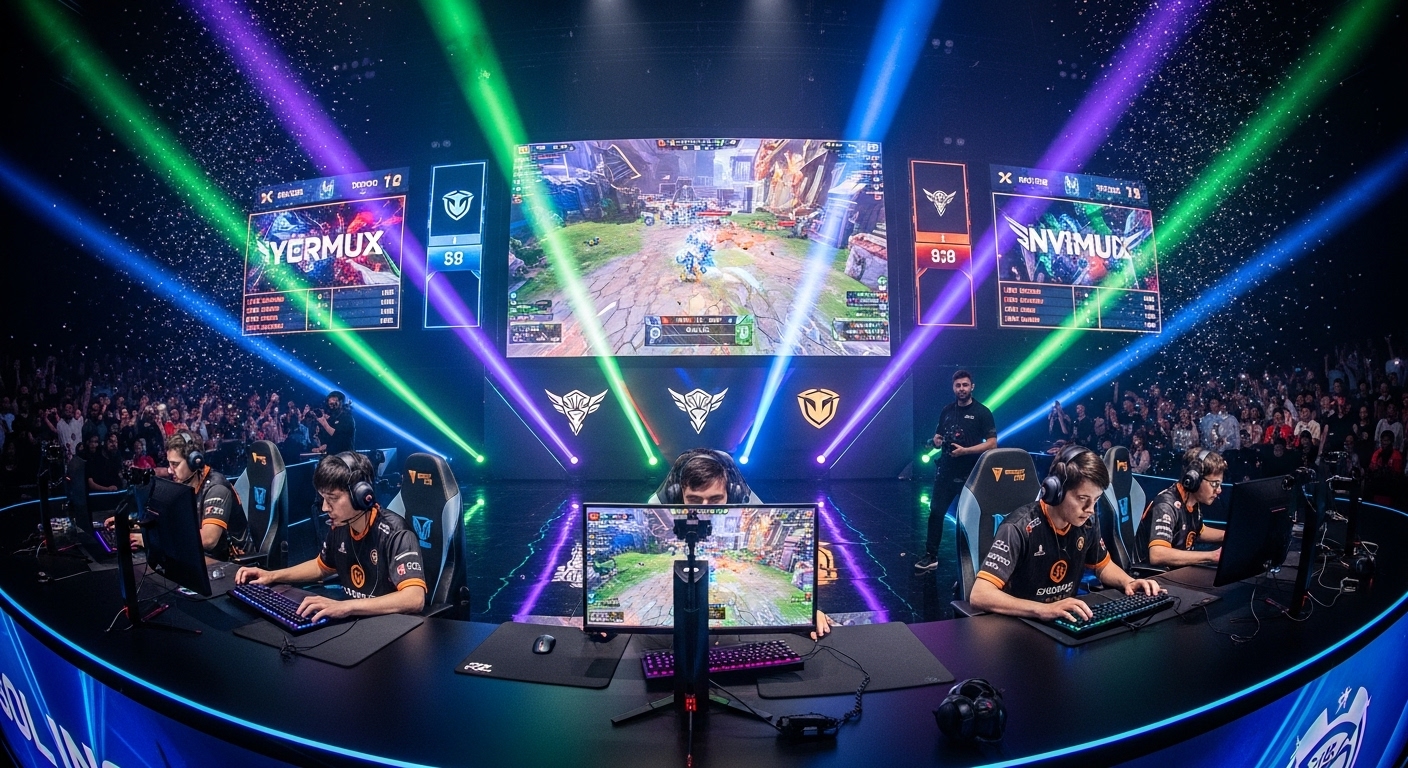
Esports arenas now rival traditional sports venues in spectacle. Massive screens display the action, while broadcast teams provide commentary and analysis. Teams use cutting-edge software to analyze gameplay, develop strategies, and refine skills. Technology has not only enhanced the quality of competition but also made esports accessible to a global audience, contributing significantly to its rapid expansion.
Professional Players: Modern Digital Athletes
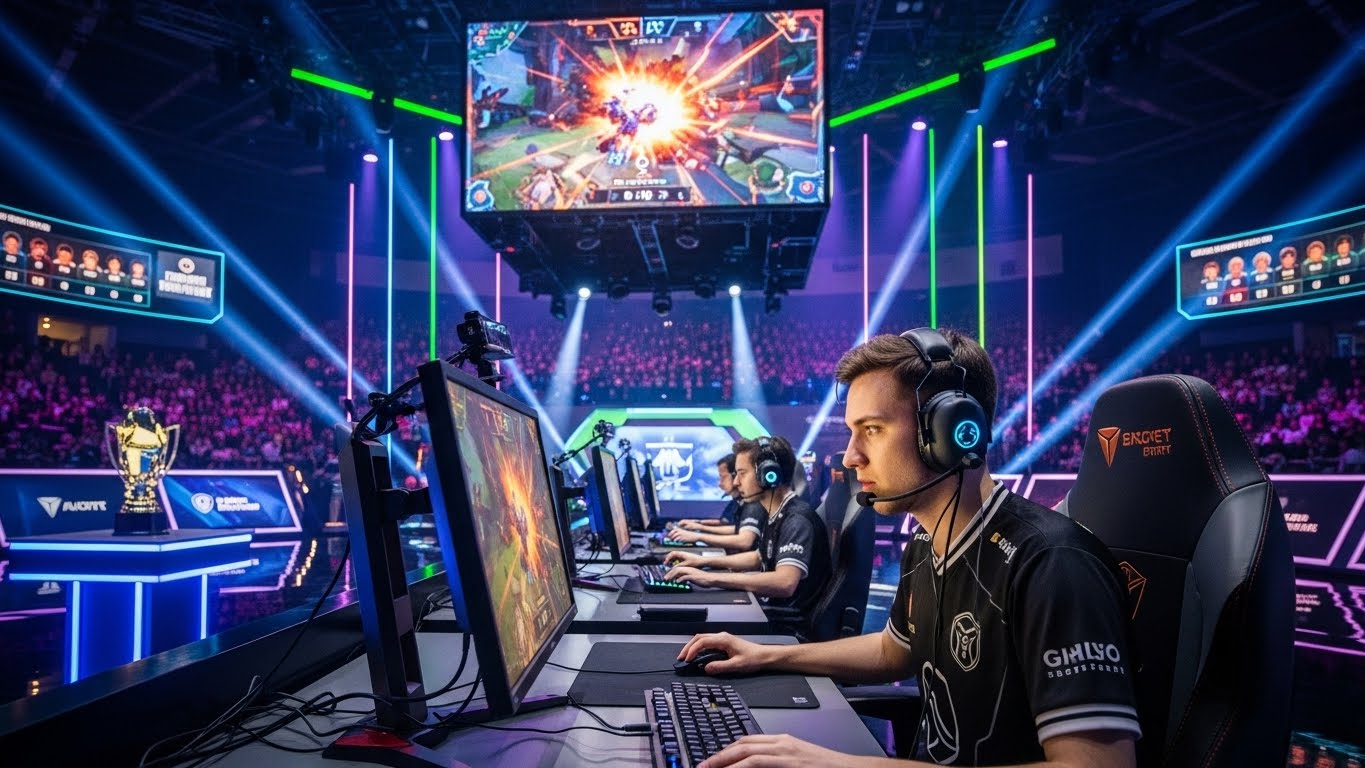
Esports players are no longer casual gamers. They are professionals who dedicate countless hours to mastering their craft. The best players train with a level of discipline comparable to that of professional athletes in physical sports. Their daily routines often include rigorous practice sessions, strategy meetings, and physical fitness programs to maintain focus and reflexes.
The rise of esports stars has also created new forms of celebrity. These players cultivate fan followings, secure sponsorships, and participate in promotional events. Their achievements are celebrated across social media, streaming platforms, and mainstream media. The dedication and skill required to excel in esports underline the seriousness and professionalism of the industry.
Major Tournaments and Global Spectacles
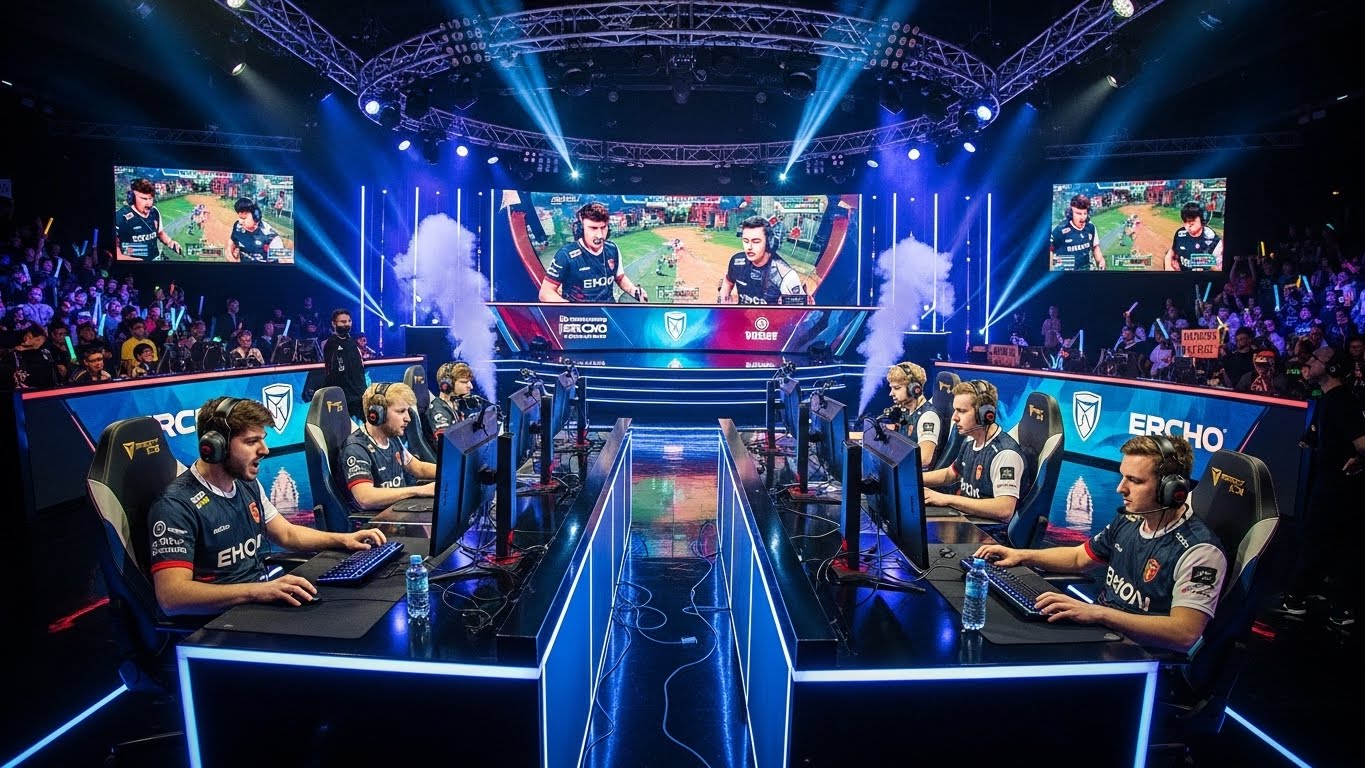
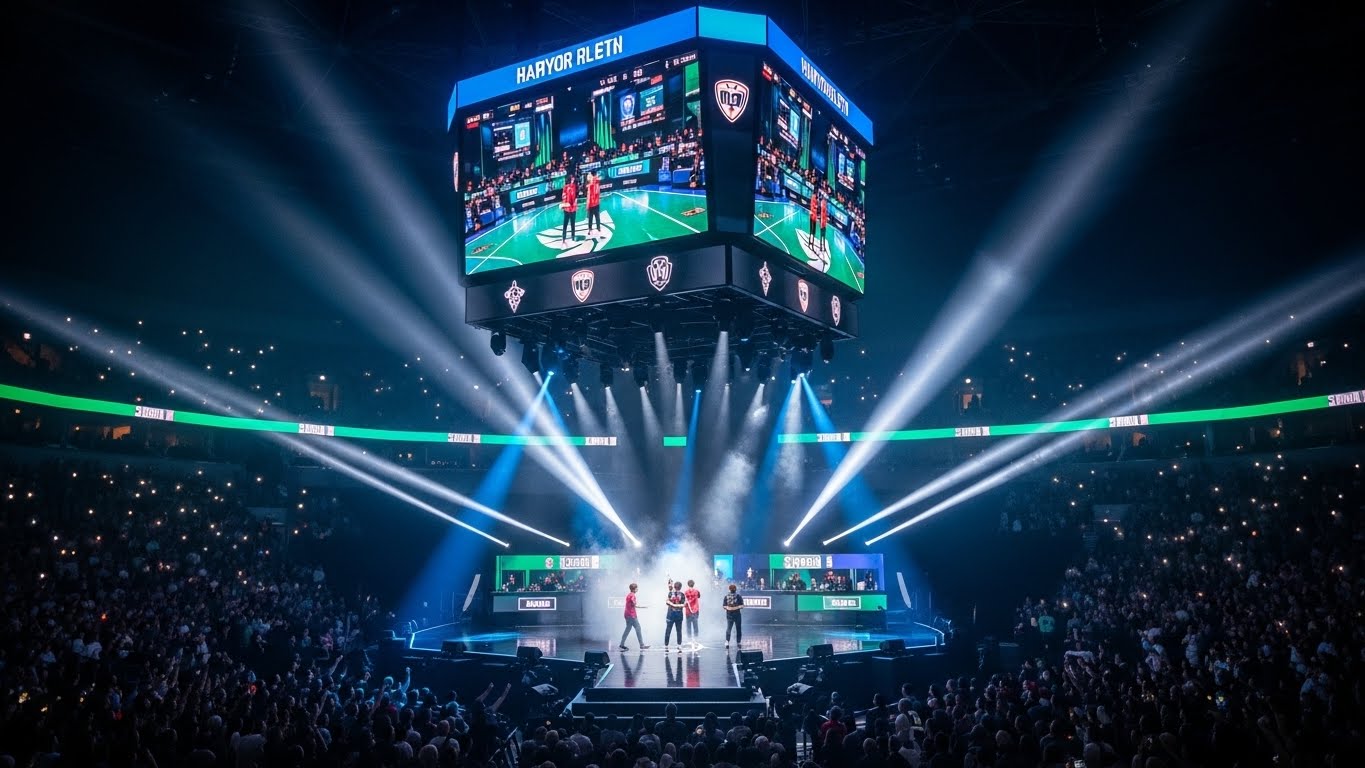
One of the defining features of esports is the scale and prestige of its tournaments. Events like international championships attract millions of viewers and are often held in massive arenas, complete with elaborate production setups. Prize pools have skyrocketed, sometimes reaching millions of dollars, making competitive gaming a lucrative career path for top players and teams.
The international nature of these events highlights the global appeal of esports. Teams from diverse countries compete on an even playing field, emphasizing skill and strategy over geography or physical attributes. The excitement of live tournaments, combined with online accessibility, has helped esports reach audiences that surpass the reach of many traditional sporting events.
The Power of Community
Esports is driven by its passionate community. Online forums, social media groups, and dedicated fan platforms allow players and enthusiasts to connect, share strategies, and celebrate successes. The digital nature of esports removes physical boundaries, enabling global interaction and collaboration.
Communities play a vital role in sustaining interest in games and tournaments. Fans create guides, tutorials, and fan art, while commentators provide insights and entertainment. This collaborative energy strengthens the industry and ensures that esports remains engaging, diverse, and continuously evolving.
Game Developers and Competitive Ecosystems
Game developers are central to the growth of esports. Their role goes beyond creating games; they actively shape competitive ecosystems by designing balanced gameplay, supporting ranked modes, and providing tools for spectators and organizers. Developers often sponsor tournaments and invest in leagues to ensure that competitions remain engaging and fair.
The partnership between developers, teams, and organizers ensures the sustainability of esports. By constantly updating games and supporting competitive structures, developers create long-term opportunities for players and fans alike. This collaboration is a unique aspect of esports, as the creators of the platform remain deeply involved in its competitive life.
Training, Coaching, and Mental Resilience
Behind every top esports team is a support system similar to traditional sports. Coaches, analysts, nutritionists, and psychologists contribute to the success of professional players. Coaching goes beyond in-game strategies, focusing on teamwork, communication, and mental preparation. Analysts study gameplay footage to identify mistakes, optimize tactics, and develop new strategies.
Mental resilience is critical in esports. Long hours of training, high-stakes tournaments, and constant pressure to perform can lead to burnout. Organizations are increasingly focusing on player well-being, emphasizing healthy routines, stress management, and work-life balance. This structured approach elevates esports from casual play to a disciplined, professional career.
Economic Impact of Esports
Esports has grown into a multibillion-dollar industry. Revenue streams include sponsorships, advertising, merchandise, ticket sales, and media rights. Brands recognize the value of esports audiences, which often consist of young, tech-savvy consumers. As a result, corporations invest heavily in teams, tournaments, and streaming content.
Esports organizations operate like professional sports clubs, managing rosters, branding, and marketing campaigns. They build facilities, produce content, and create fan experiences that extend beyond the games themselves. The economic impact of esports extends globally, offering career opportunities not just for players, but also for coaches, analysts, commentators, event organizers, and content creators.
Cultural Influence and Mainstream Acceptance
Esports has transformed how society views gaming. Once considered a niche hobby, competitive gaming is now widely recognized as a legitimate sport and entertainment medium. Universities offer esports scholarships, and educational institutions are developing programs to train future esports professionals.
The cultural reach of esports is immense. It transcends borders, connecting players and fans from different backgrounds and languages. This inclusivity fosters diversity and promotes a global sense of community, where skill and strategy are valued over physical traits or nationality. Esports has become a cultural phenomenon, influencing fashion, music, and media while shaping how younger generations perceive competition and digital engagement.
Challenges in the Esports Landscape
Despite its rapid growth, esports faces several challenges. Player burnout, mental health concerns, and intense competition require careful management. Ensuring fair play, preventing cheating, and regulating contracts are ongoing concerns for teams and organizers. The constantly changing nature of games also means that strategies and competitive dynamics evolve quickly, demanding adaptability from players and organizations alike.
Sustainability remains a key issue. As esports continues to grow commercially, the industry must balance profitability with the welfare of players and the integrity of competitions. Addressing these challenges is crucial for the long-term success and credibility of esports as a global phenomenon.
Future Prospects: Beyond the Screen
The future of esports is promising and filled with potential. Emerging technologies such as virtual reality, augmented reality, and artificial intelligence may redefine the way competitions are played and experienced. More countries are recognizing esports as a legitimate industry, investing in infrastructure, training programs, and competitive leagues.
Youth participation continues to rise, creating a new generation of gamers who see esports as a viable career path. As the line between digital and traditional entertainment blurs, esports will continue to innovate, expand, and cement its position as a major global industry.
Conclusion: The Digital Arena Redefined
Esports represents a new era of competition, entertainment, and community. It combines skill, strategy, technology, and culture into a unique form of global engagement. From humble beginnings in arcades to international tournaments with millions of viewers, esports has proven that digital competition can rival traditional sports in impact and significance.
The rise of esports is more than just a trend; it is a transformation of how people connect, compete, and celebrate talent. As the industry continues to evolve, it will shape the future of entertainment, redefine professional competition, and inspire generations of gamers to push the boundaries of what is possible in the digital arena.