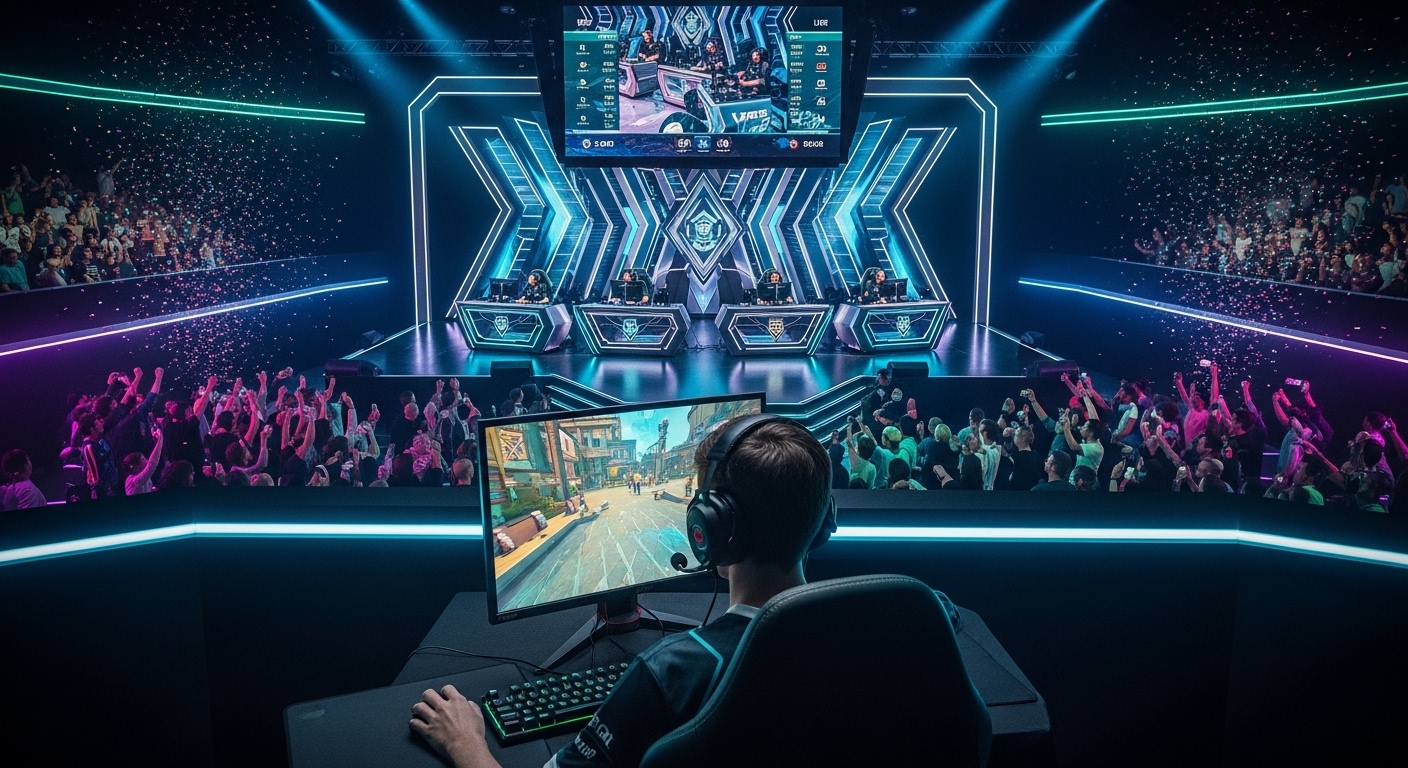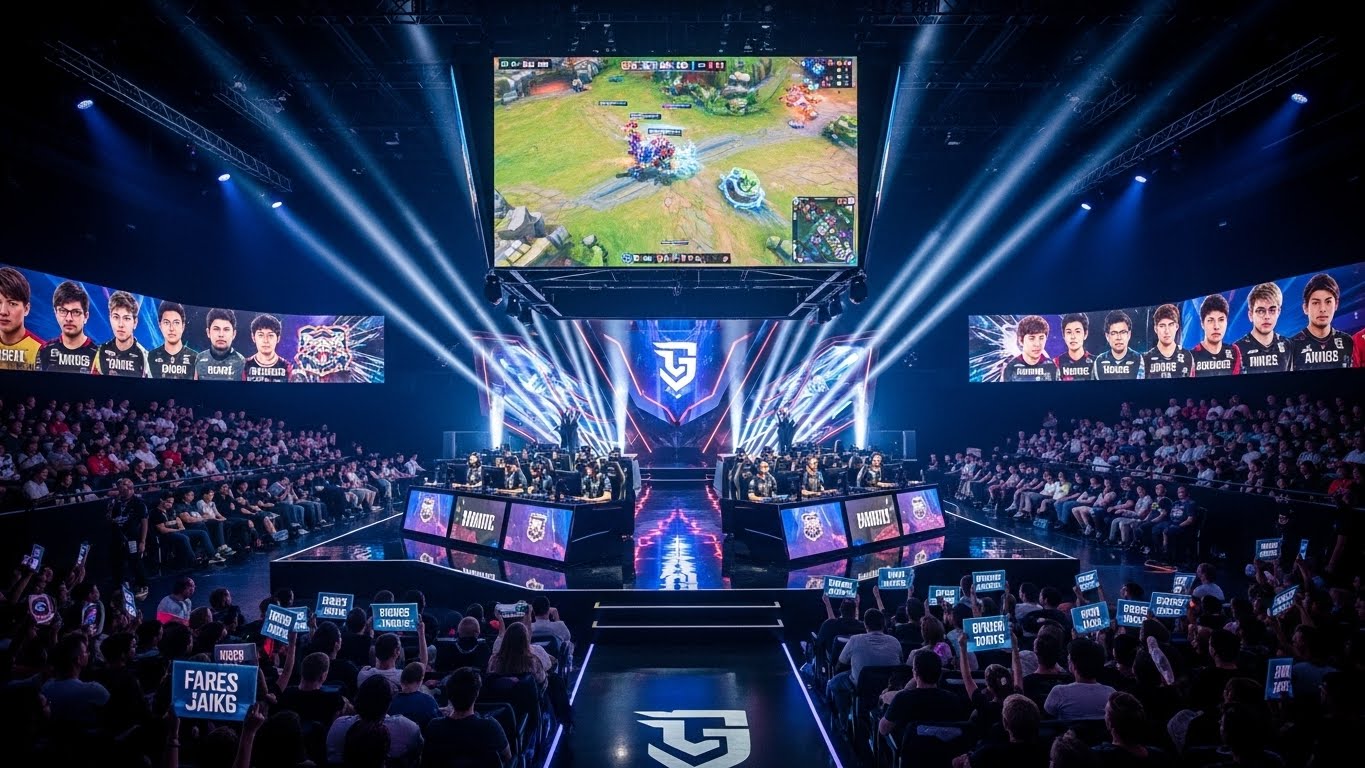
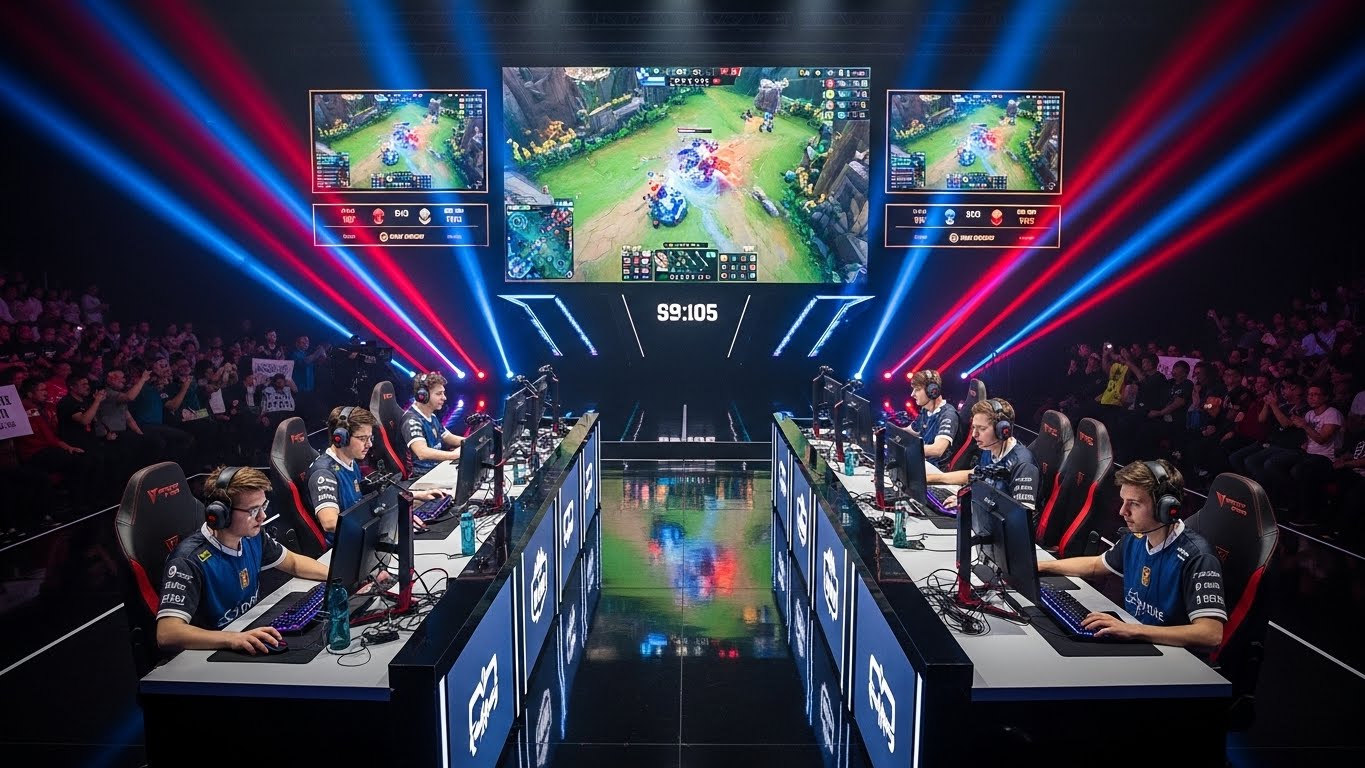
Over the past two decades, esports, or competitive gaming, has transitioned from a niche activity to a global phenomenon. What began as a subculture for passionate gamers has exploded into a multi-billion-dollar industry, attracting millions of fans, athletes, and investors worldwide. Esports has grown far beyond casual gaming, becoming a staple in modern entertainment. The rise of esports is not just about games—it’s about the future of sports, entertainment, and digital culture.
The Definition of Esports
Esports, short for “electronic sports,” refers to organized video game competitions where individuals or teams play against each other in highly competitive, structured environments. These games can span various genres, from first-person shooters (FPS) like Counter-Strike: Global Offensive to multiplayer online battle arenas (MOBAs) like League of Legends. Unlike casual gaming, esports requires dedication, strategy, skill, and teamwork.
Competitive gaming has been around since the early days of arcade games in the 1970s. However, the true growth of esports began in the late 1990s and early 2000s, with the rise of online multiplayer games and professional gaming leagues. Today, esports encompasses not only individual and team-based competitions but also a massive ecosystem of content creators, streaming platforms, coaches, analysts, and event organizers.
The History of Esports
The history of esports can be traced back to the 1970s, when gaming began to evolve from simple arcade machines into more complex digital entertainment. In 1972, Stanford University held what is often considered the first-ever video game competition for the game Spacewar. This small competition foreshadowed the future of competitive gaming.
However, it wasn’t until the late 1990s that esports began to take its modern shape. The game StarCraft, released in 1998, became a major turning point for competitive gaming, especially in South Korea, where it gained an immense following. By the early 2000s, South Korea had developed a fully professional esports scene, complete with dedicated TV broadcasts and sponsorships.
The growth of the internet and broadband connections further accelerated the expansion of esports. Games like Counter-Strike, Warcraft III, and League of Legends became staples of the esports ecosystem, and online tournaments started attracting professional players and audiences. What was once an underground hobby transformed into a global entertainment industry.
The Different Types of Esports Games
Esports encompasses various game genres, each offering unique forms of competition. These games appeal to different types of players and audiences, with distinct strategies and skills involved. Let’s break down some of the most popular esports genres.
First-Person Shooters (FPS)
First-person shooters are one of the most prominent esports genres. FPS games involve players competing in high-intensity, fast-paced combat, where quick reflexes and sharp aim are crucial. Counter-Strike: Global Offensive (CS:GO), Call of Duty, and Valorant are some of the most popular FPS titles in the esports world. Teams battle against each other in tactical environments, with each round requiring precise strategy and split-second decisions. The popularity of FPS games in esports is largely due to their emphasis on teamwork and coordination.
Multiplayer Online Battle Arenas (MOBAs)
MOBA games, such as League of Legends (LoL) and Dota 2, offer a different style of competition. In these games, players control individual characters or “heroes,” each with a unique set of abilities. Teams of players work together to destroy the opposing team’s base while fending off attacks and securing objectives. MOBAs are known for their depth, requiring not only skill and quick decision-making but also long-term strategic planning. The intense and dynamic nature of MOBAs makes them perfect for competitive gaming.
Battle Royales
The battle royale genre, which gained significant traction with games like Fortnite and PUBG, involves large numbers of players (often 100 or more) competing in a shrinking arena until only one player or team remains. The genre combines survival tactics with action-packed gameplay, offering a thrilling spectator experience. Tournaments for battle royale games are regularly hosted, attracting huge viewership and significant prize pools.
Fighting Games
Fighting games like Street Fighter, Tekken, and Super Smash Bros. have been part of the competitive gaming scene for decades. In these games, two players face off in one-on-one combat, utilizing character-specific moves and techniques to defeat their opponent. Fighting games are a staple in esports due to their accessibility and high level of skill expression. Competitive fighting games often feature high-stakes tournaments with dedicated communities of players.
The Esports Ecosystem
While professional players are the face of esports, the industry is supported by a vast network of individuals and organizations. Teams, coaches, analysts, event organizers, commentators, and content creators all contribute to the esports ecosystem. Together, they help create an immersive experience for players and fans alike.
Teams and Players
Professional esports teams are formed by talented individuals who are recruited based on their performance in online matches and tournaments. These teams often compete in league-based structures, where the best teams from around the world face off in regular-season matches and playoffs. The players in these teams train rigorously, often practicing for hours every day to improve their skills and coordination.
Coaches and Analysts
Just like traditional sports, esports teams often employ coaches and analysts who help players refine their strategies, identify weaknesses, and develop game plans. Coaches analyze game footage, track player performance, and provide feedback to enhance team dynamics. Analysts, on the other hand, help teams understand the meta-game, the evolving strategies, and tactics that shape competitive play.
Event Organizers and Broadcasters
Esports tournaments are large-scale events that require careful planning and organization. Event organizers secure sponsorships, coordinate venues, and manage logistics to create a smooth experience for players and fans. Broadcasting these events is equally important, as live-streamed tournaments allow millions of fans to watch professional players in action. Platforms like Twitch and YouTube have become integral to the esports experience, providing real-time coverage and fostering fan engagement.
Content Creators and Streamers
Content creators play a significant role in the esports ecosystem. Streamers and YouTubers provide commentary, guides, and entertainment related to competitive gaming. They often build large followings by sharing gameplay, reacting to esports tournaments, and engaging with their audience. Many professional players also maintain personal streams, where fans can watch their practice sessions, interact with them directly, and learn from their gameplay.
The Growth of Esports as an Industry
The explosive growth of esports as an industry has been fueled by several factors. One of the most significant is the rise of online streaming platforms. Services like Twitch have revolutionized how fans watch games and interact with players. Millions of viewers tune into these platforms to watch live tournaments, cheer on their favorite teams, and participate in live chats.
Sponsorships have also played a crucial role in the growth of esports. Major brands, including technology companies like Intel and Nvidia, as well as consumer goods brands like Coca-Cola and Red Bull, have invested heavily in the industry. These sponsorships provide financial backing for teams, tournaments, and content creators, allowing the ecosystem to thrive.
Esports tournaments have become a major source of revenue. Prize pools for events like The International (Dota 2’s World Championship) regularly exceed tens of millions of dollars. Ticket sales, merchandise, and broadcasting rights also contribute to the financial success of these events.
The Impact of Esports on Traditional Sports
Esports has increasingly blurred the lines between traditional sports and digital gaming. Many professional sports teams, including those in the NBA, NFL, and soccer leagues, have invested in esports franchises or created their own esports divisions. These teams see the potential in reaching younger audiences who are more engaged with gaming than traditional sports.
Moreover, esports is being recognized as a legitimate career path. Just as athletes in traditional sports undergo rigorous training and competition, esports players dedicate their lives to mastering their games. Universities now offer scholarships for esports players, and some institutions even have competitive teams.
The Future of Esports
As esports continues to grow, its future looks promising. New technologies, like virtual reality (VR) and cloud gaming, will likely change the way competitive gaming is played and viewed. VR could offer a more immersive experience, while cloud gaming may eliminate the need for expensive gaming hardware, making esports more accessible to a broader audience.
Esports will continue to evolve as more regions around the world embrace it. While esports is currently most popular in North America, Europe, and Asia, emerging markets in South America, the Middle East, and Africa are beginning to establish their own competitive scenes. This global expansion will lead to more diverse tournaments and a broader fan base.
Conclusion
Esports has come a long way from its humble beginnings in the arcades of the 1970s. Today, it is a billion-dollar industry, and it shows no signs of slowing down. With its growing player base, expanding audience, and increasing investment, esports has cemented its place in the world of entertainment. It offers not just a form of competition, but a lifestyle and a career path for millions of people around the world. The future of esports is bright, and it is set to continue evolving in exciting ways.