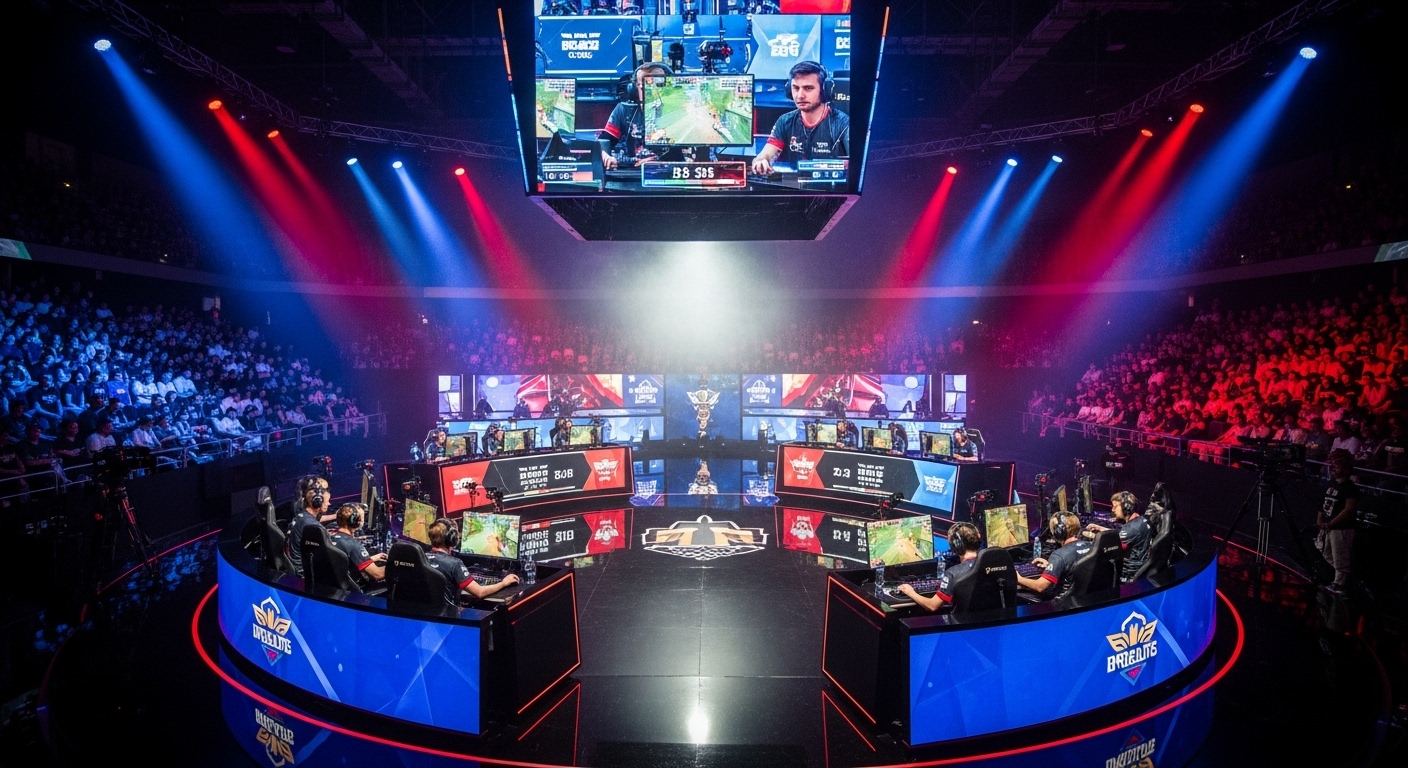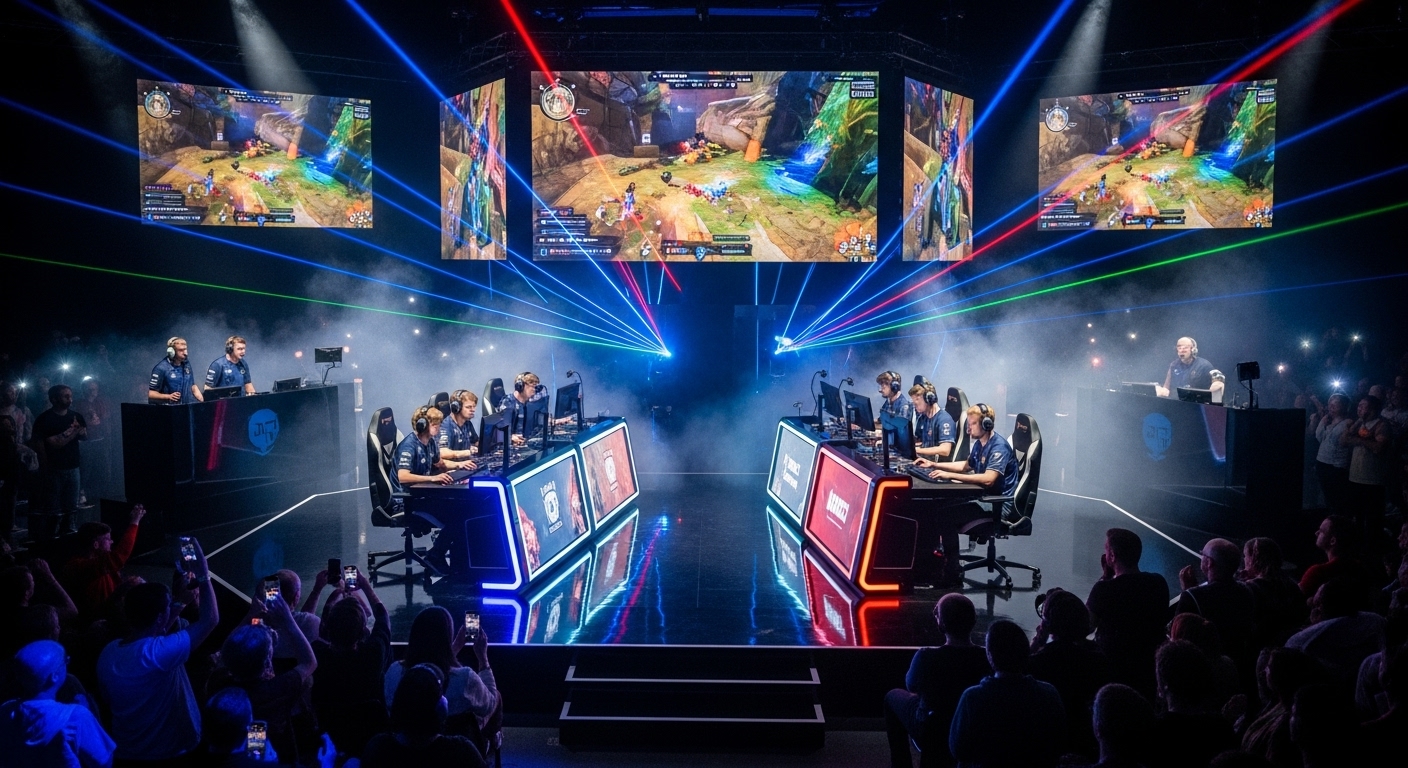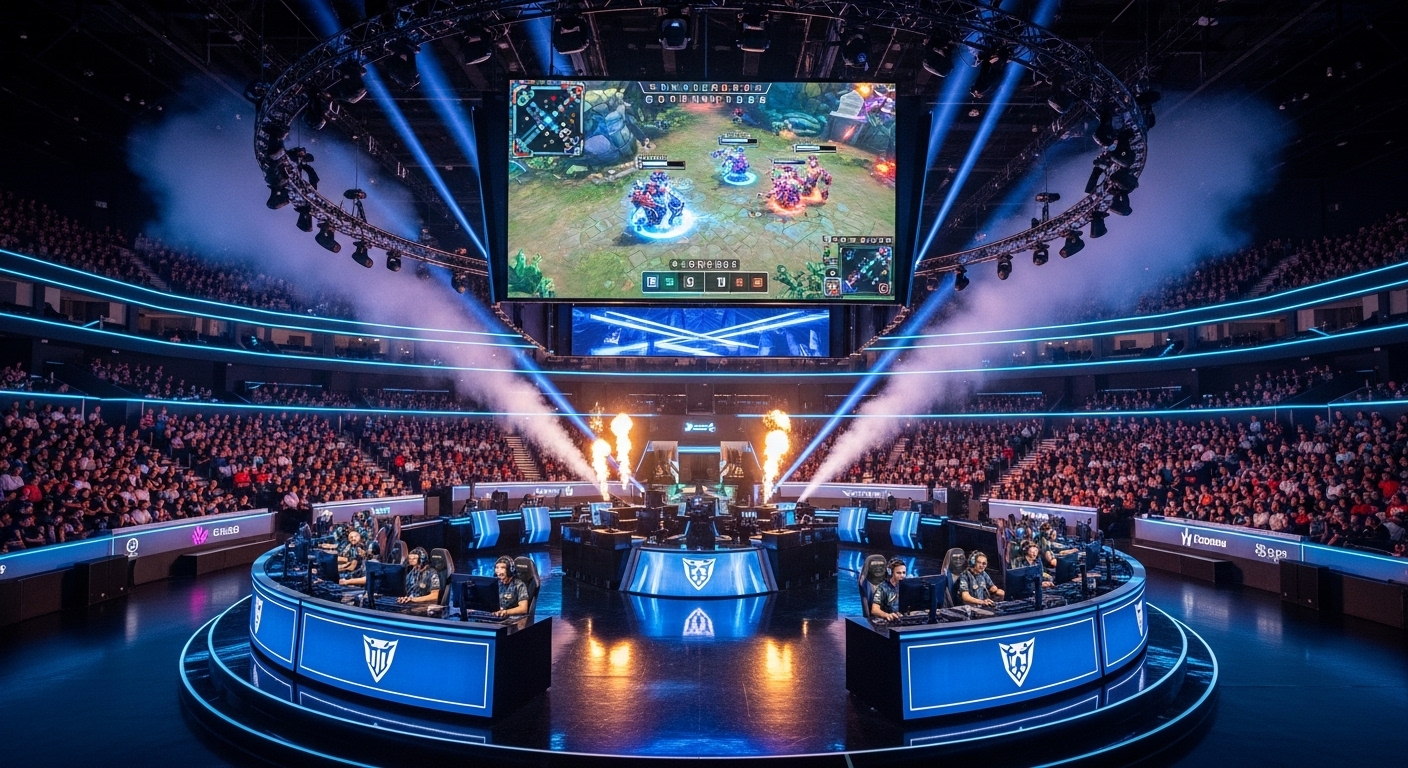
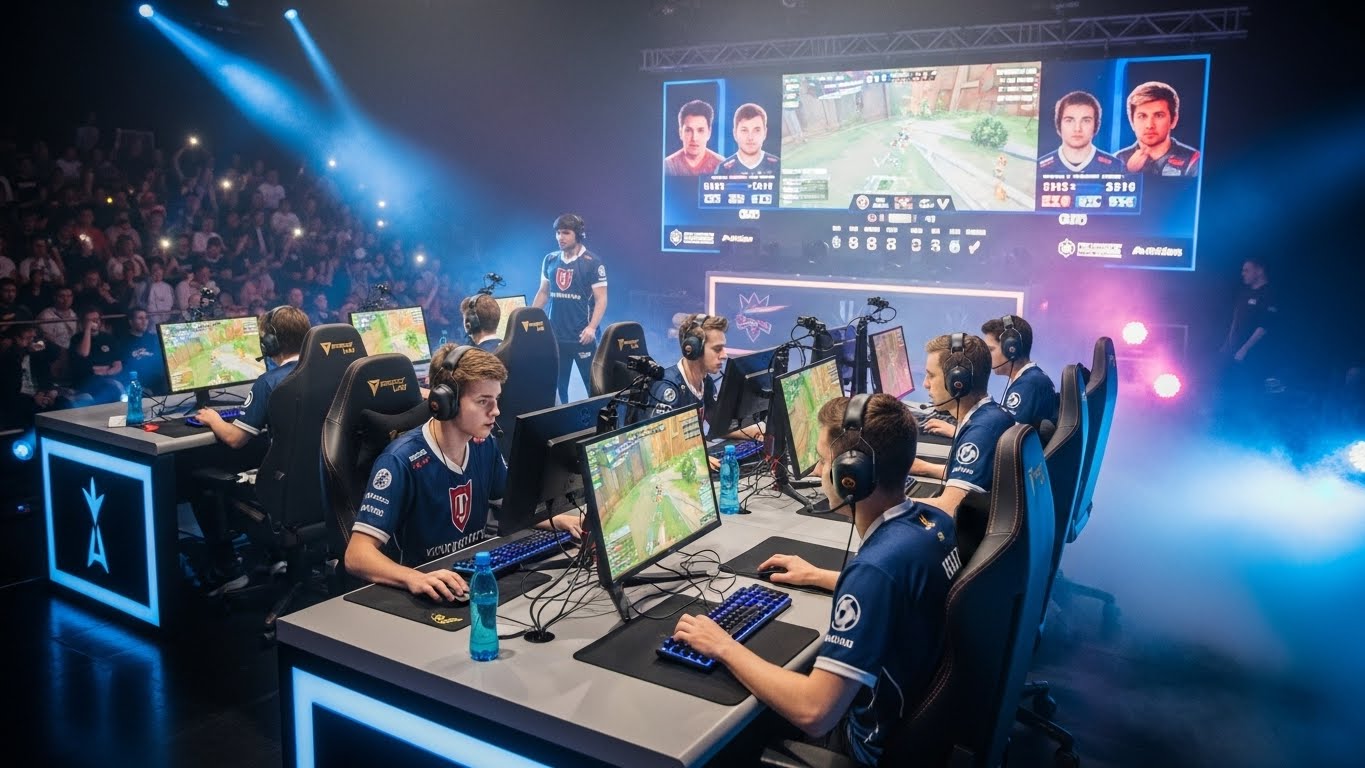
Esports has become one of the most powerful forces in modern entertainment. Once considered a niche hobby for small groups of gamers, it has evolved into a global industry that attracts millions of fans, professional players, and massive audiences around the world. Competitive gaming has crossed cultural, economic, and technological boundaries, becoming a true digital sport. This blog explores the journey of esports, its impact on society, and what the future holds for this digital revolution.
The Evolution of Competitive Gaming
Esports did not begin as a huge global spectacle. The roots trace back to the early days of video gaming, when simple arcade games sparked friendly competitions. In the 1980s and 1990s, arcade halls and college campuses hosted early tournaments where players competed for high scores and bragging rights. As technology advanced and internet access expanded, online multiplayer games paved the way for organized esports competitions.
Games such as StarCraft, Counter-Strike, and Quake played a major role in shaping the early competitive scene. Players gathered at LAN events and small tournaments, forming the first generation of professional gamers. What started as informal gatherings soon became structured competitions as gaming companies recognized the potential of competitive gaming. This evolution laid the foundation for what esports is today.
The Explosion of Esports Popularity
Esports began gaining mainstream recognition in the 2000s, but the real explosion came in the 2010s. Streaming platforms made it possible for fans to watch live matches from anywhere in the world. Suddenly, competitive gaming had a global audience. As millions of fans tuned in, the industry attracted sponsors, investors, and media coverage.
Professional leagues were formed, teams were funded, and tournaments grew in size and significance. Esports events started filling arenas that once hosted traditional sports. The excitement of cheering for skilled players, watching clutch plays, and supporting favorite teams transformed esports into an entertainment phenomenon. Today, it sits among the fastest-growing industries, valued in the billions.
What Makes Esports So Captivating
The appeal of esports lies in its intensity, skill, and accessibility. Competitive games demand quick reflexes, strategic thinking, teamwork, and mental endurance. Many esports titles are easy for new fans to understand yet deep enough to keep experienced players engaged.
Beyond the gameplay, esports offers something unique: community connection. Fans interact through chats, online forums, and social media. They follow players like celebrities and support teams as passionately as traditional sports fans. Esports builds a sense of identity and belonging, enabling players and viewers to form global communities centered on shared interests and experiences.
How Esports Athletes Train and Compete
Behind the excitement lies a demanding lifestyle. Esports athletes train extensively, often practicing for long hours each day to master their skills. They study strategies, review gameplay footage, and analyze opponents. Many professional teams employ coaches, analysts, fitness trainers, and even mental health specialists to support their players.
Reaction times, hand-eye coordination, and decision-making skills are honed through repetition and dedication. Like traditional athletes, esports players must maintain discipline and resilience. The pressure of performing in front of massive audiences adds to the intensity, pushing players to bring their best every time they compete.
The Business of Esports
Esports has become an economic powerhouse. Revenue streams include tournament prize pools, sponsorships, advertisements, merchandising, and media broadcasting rights. Brands from technology companies to sportswear manufacturers invest heavily in the industry. Esports teams operate like professional sports organizations, complete with branding, marketing departments, and talent management.
This economic expansion has created jobs far beyond playing. Event organizers, coaches, commentators, content creators, graphic designers, social media managers, and production crews are essential to the industry’s ecosystem. Esports supports thousands of careers worldwide, demonstrating its significant role in the modern digital economy.
The Role of Technology in Esports Growth
Technology is the backbone of esports. High-performance gaming systems, fast internet speeds, and advanced streaming technologies have made competitive gaming more accessible than ever. Esports relies heavily on innovations that empower players and enhance the viewer experience.
Game developers continuously update titles to maintain balance and excitement. Streaming platforms bring live esports to global audiences in seconds, enabling fans to watch tournaments from mobile devices or smart TVs. Emerging technologies like virtual reality and augmented reality promise to make future esports experiences even more immersive. Technology will continue shaping the evolution of esports in powerful ways.
The Rise of Esports Education
Esports has reached schools, colleges, and universities. Many educational institutions now offer esports programs, scholarships, and training facilities for students interested in competitive gaming. These programs teach not only gameplay skills but also teamwork, leadership, digital literacy, and personal discipline.
For students who may not excel in traditional sports or extracurricular activities, esports provides a unique path to community, opportunity, and success. Colleges now recruit players for official esports teams, just as they recruit athletes for sports like basketball or soccer. This integration of esports into education marks a major shift in how society views gaming.
The Impact of Esports on Global Culture
Esports has become an influential part of global culture. It has created new celebrities, shaped online communities, and inspired millions of young gamers to pursue their passions. Esports merchandise, team jerseys, and branding have integrated into everyday fashion. Competitive gaming even influences music, art, and digital storytelling.
More importantly, esports bridges cultural and geographic divides. Fans from different countries and backgrounds gather to cheer for the same teams and players. Online communities foster global friendships and cultural experiences. Esports has shown that competition and entertainment can unite people across borders through shared excitement and passion.
Social Interaction and Community Building
One of the most positive aspects of esports is its ability to connect people. Online games allow players to communicate, collaborate, and compete with others worldwide. This social connection helps build friendships and supportive communities, especially for individuals who thrive in digital environments.
Streaming platforms strengthen these communities by allowing fans to interact in real time with creators, players, and one another. The engagement between fans and gamers creates strong bonds and enhances the sense of belonging within the esports world. This level of interactivity is something traditional sports rarely match.
Challenges Facing the Esports Industry
Despite its success, esports faces challenges. The competitive environment can lead to player burnout, stress, and mental health struggles. Maintaining fair play is an ongoing battle, as cheating and match-fixing threaten the integrity of competitions. Toxic behavior in online gaming communities is another issue that organizations and developers must actively address.
Additionally, the rapid growth of esports has led to a lack of uniform regulations. Different regions and games have their own rules, making the industry fragmented. Ensuring consistent standards for player contracts, health policies, and event organization is crucial for the industry’s long-term stability.
The Future of Esports
The future of esports is bright and promising. As technology continues to evolve, competitive gaming will become even more immersive and accessible. Virtual reality competitions, enhanced broadcasting tools, and global digital platforms will shape the next era of esports entertainment.
The audience for esports is expected to continue growing, attracting new fans, players, and investors. With increasing support from educational institutions, businesses, and mainstream media, esports is on track to become one of the dominant entertainment industries of the century.
Inclusivity and diversity will also play a major role in the future of esports. Initiatives to support women gamers, players from underserved regions, and individuals with disabilities will ensure that esports remains open and welcoming to everyone. As the industry expands, it will continue influencing culture, technology, and entertainment worldwide.
Conclusion
Esports has transformed from small gaming tournaments into a global entertainment powerhouse. It blends technology, competition, creativity, and community in ways that captivate millions around the world. With dedicated athletes, passionate fans, and constant innovation, esports continues to push boundaries and redefine what modern entertainment can be.
The digital arena has become a place where talent shines, communities grow, and competition thrives. Esports is not just a trend; it is a cultural movement that will continue shaping the future of entertainment for decades to come.