Introduction: The Digital Age of Competition
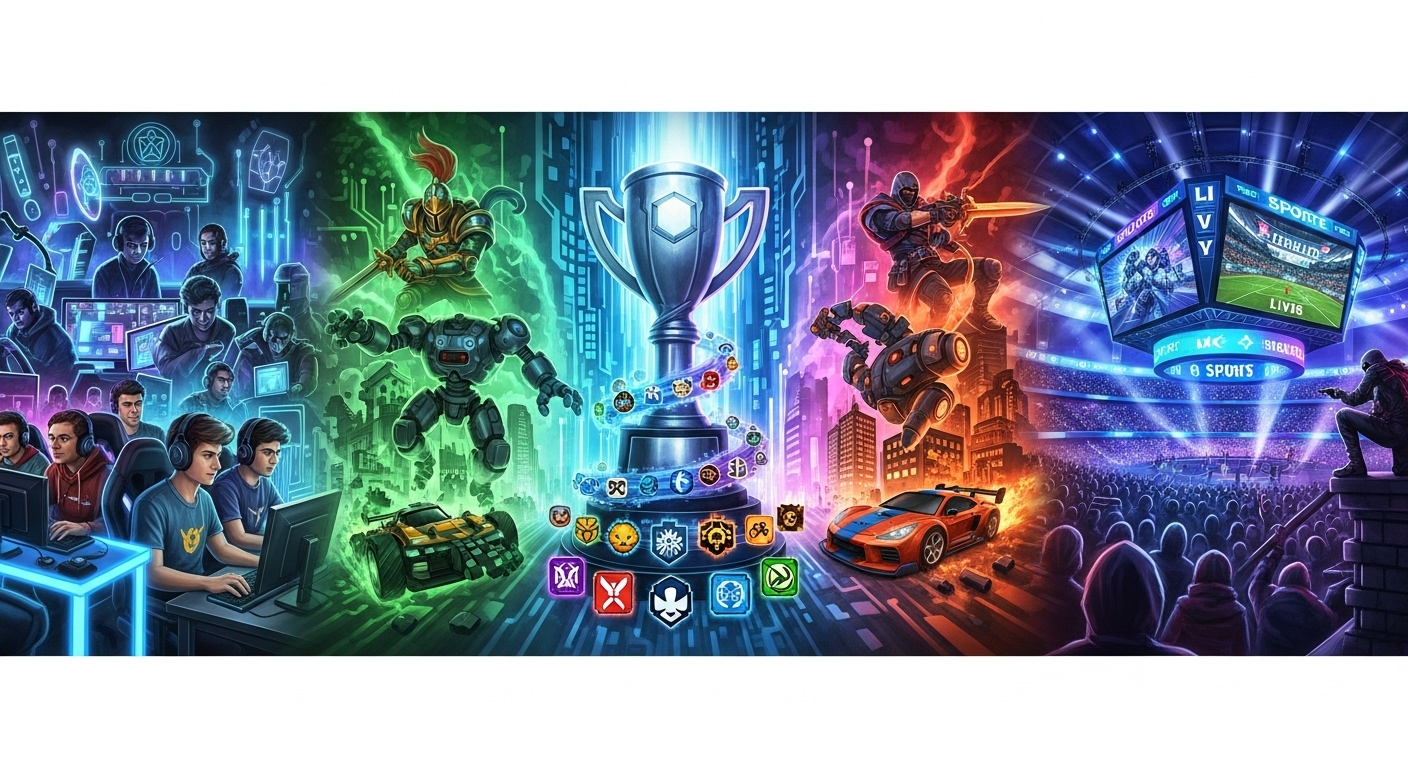
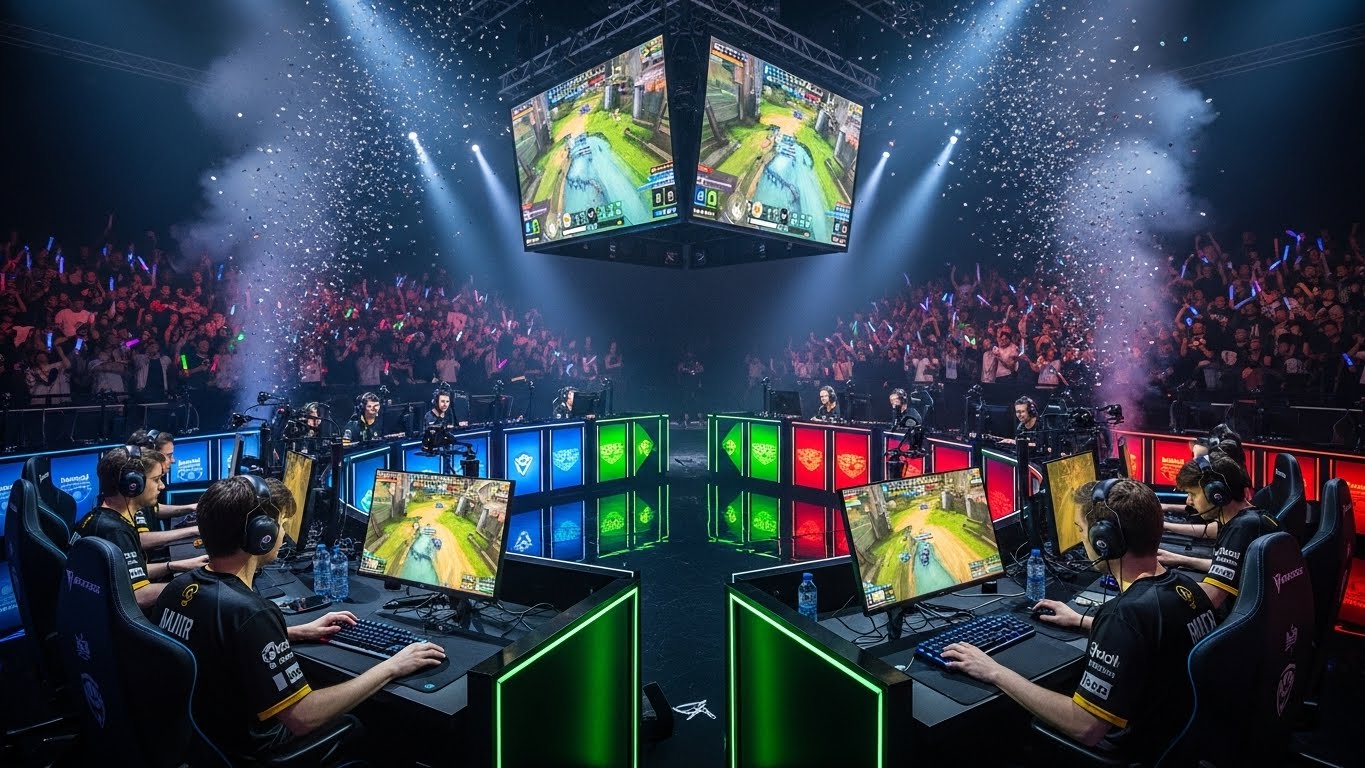
Esports, or competitive video gaming, has emerged as one of the most dynamic forms of entertainment in the 21st century. From humble beginnings in arcades and small tournaments to global arenas filled with cheering fans, esports has transformed how people play, watch, and experience games. Today, millions of players and viewers engage in professional competitions, making esports a legitimate career path and a cultural phenomenon.
Unlike traditional sports, esports thrives in the digital realm, blending technology, strategy, and community interaction. This blog explores the history, appeal, societal impact, economic significance, challenges, and future of esports, highlighting why it is far more than just gaming.
The Origins of Esports
The competitive gaming culture began in the late 1970s and early 1980s when arcade competitions challenged players to achieve the highest scores. Titles such as Space Invaders and Pac-Man offered early glimpses into organized gaming contests. The 1990s introduced personal computers and online connectivity, laying the groundwork for multiplayer games and competitive leagues.
Games like StarCraft, Counter-Strike, and Warcraft became the foundation of modern esports. South Korea played a significant role in professionalizing esports during this era, creating training facilities, broadcasting matches on television, and cultivating fan communities. By the early 2000s, live streaming transformed esports into a global phenomenon, allowing players and fans to connect across continents.
The Appeal of Esports to Players and Fans
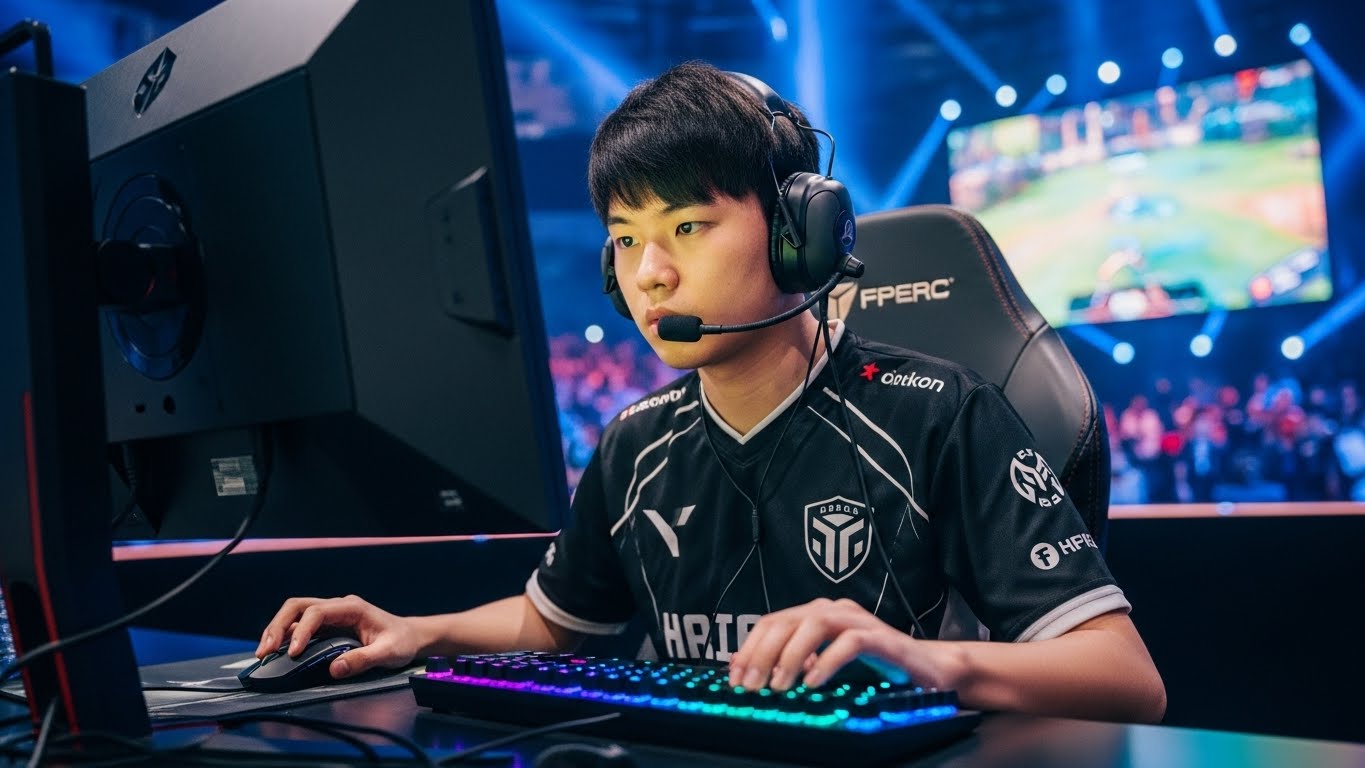
Esports attracts millions of players due to the thrill of competition and the opportunity to develop skill, strategy, and reflexes. Competitive gaming is mentally stimulating, requiring fast decision-making, adaptability, and strategic thinking. Players invest significant time in practice to improve performance, much like athletes in traditional sports.
For fans, esports provides excitement, engagement, and community. Spectators can watch live matches, interact with other fans, and follow their favorite players or teams. Unlike traditional sports, esports allows for a highly interactive experience, with audiences contributing to the energy of competitions through live chat, online forums, and digital content. This combination of skill, strategy, and interactivity creates a deeply immersive experience.
Professionalization and Career Opportunities
Esports has become a fully professional industry with structured career paths. Players sign contracts, compete in leagues, and earn salaries, with top performers achieving global recognition. Beyond athletes, esports careers include coaching, broadcasting, event management, content creation, and marketing.
Universities and colleges now offer esports scholarships, recognizing competitive gaming as a legitimate talent. Professional teams invest in training facilities, physical conditioning programs, and psychological support for players. These structures demonstrate that esports is more than entertainment—it is a viable career path with professional standards and opportunities for growth.
Cognitive and Mental Benefits of Gaming
Competitive gaming offers substantial cognitive benefits. Players develop strategic thinking, problem-solving skills, multitasking abilities, and quick decision-making. The fast-paced nature of games enhances mental agility and focus.
Team-based games also foster collaboration, communication, and leadership. Players coordinate complex strategies, anticipate opponents’ actions, and adapt in real-time. These cognitive and social skills translate to other aspects of life, improving problem-solving, teamwork, and critical thinking. Gaming, when approached responsibly, can enhance both mental performance and interpersonal abilities.
Community Building and Global Connectivity
Esports creates communities that transcend geography. Online tournaments, streaming platforms, and forums allow players and fans from different countries to interact, share strategies, and build friendships. Unlike many traditional sports, esports is highly accessible; anyone with an internet connection and a device can participate.
This inclusivity fosters diversity, enabling people of various backgrounds, ages, and abilities to engage in competitive gaming. The sense of belonging within esports communities reinforces social connections and provides shared experiences that are both meaningful and entertaining.
Economic Impact of Esports
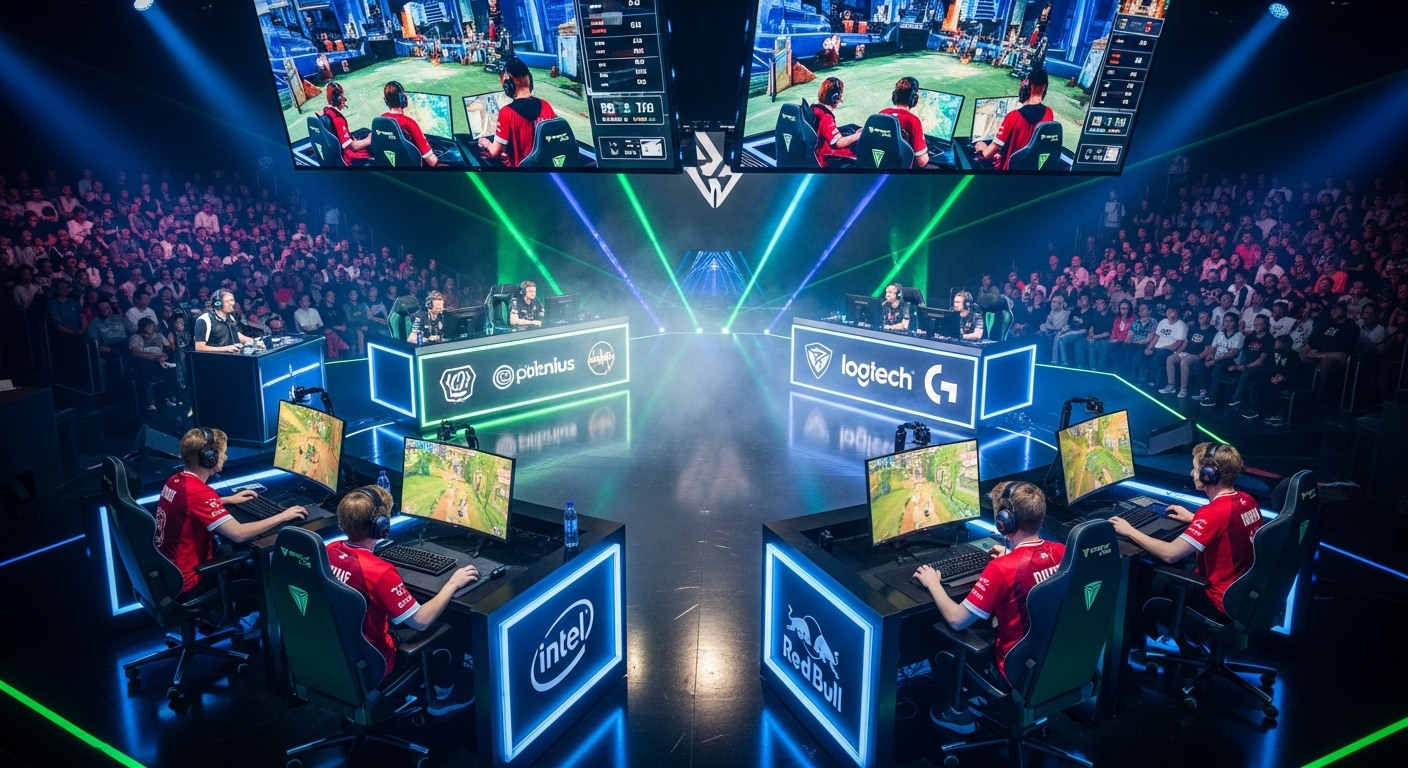
Esports has become a multibillion-dollar industry with diverse revenue streams. Professional leagues, international tournaments, sponsorships, merchandise, and broadcasting rights contribute significantly to the global economy. Major competitions draw millions of viewers, offering brands a unique opportunity to reach a young and engaged audience.
Streaming platforms and content creation provide additional revenue channels. Popular players monetize their gameplay through subscriptions, sponsorships, and media appearances. Local events and tournaments also contribute economically by generating employment and stimulating business in hospitality, merchandising, and event management. The financial ecosystem surrounding esports underscores its significance beyond gaming.
The Role of Technology in Esports
Technology is central to the development of esports. High-performance computers, gaming consoles, peripherals, and fast internet connections are essential for competitive play. Software innovations allow live streaming, performance analytics, and spectator engagement, creating a seamless experience for both players and fans.
Emerging technologies such as virtual reality, augmented reality, and artificial intelligence are shaping the next generation of esports. VR and AR can create immersive gameplay, while AI-driven analytics provide insights for player improvement and match strategy. Technology continues to drive growth, making esports a forward-thinking and evolving industry.
Health and Well-Being in Competitive Gaming
Contrary to the stereotype of sedentary gamers, professional esports emphasizes physical and mental health. Players work with trainers, nutritionists, and psychologists to maintain focus, endurance, and resilience. Physical exercise, proper nutrition, and sufficient rest are crucial for peak performance and preventing burnout.
Mental health support is increasingly recognized as essential. The pressures of competition, long practice hours, and public scrutiny can be intense. Balanced lifestyles and supportive environments ensure that esports remains sustainable and safe for professional and recreational players alike.
Challenges Facing Esports
Despite its growth, esports faces several challenges. Player burnout, mental health pressures, and toxicity in online communities are ongoing issues. The lack of standardized regulation and fair play policies can affect competition quality and audience trust.
Accessibility is another concern. In regions with limited infrastructure or economic constraints, participation in esports may be restricted. Addressing these challenges requires industry accountability, ethical practices, and continued investment in health, education, and global access to gaming resources.
Cultural Significance of Esports
Esports has influenced popular culture, shaping fashion, music, entertainment, and media trends. Major tournaments are more than competitions—they are events that blend gaming with storytelling, performance, and audience interaction. Esports has created digital celebrities and influencers, giving gaming a cultural presence comparable to traditional sports and entertainment.
Additionally, esports challenges conventional definitions of sports, emphasizing mental skill, reflexes, strategy, and teamwork. This expansion of what constitutes athleticism reflects broader cultural shifts and the growing recognition of digital competition as a legitimate and respected pursuit.
The Future of Esports
The future of esports is bright, with rapid growth expected in viewership, prize pools, and international participation. Emerging technologies will enhance gameplay, training, and fan experiences. Structured education programs and career pathways will support new talent, while inclusivity and diversity initiatives will ensure esports is accessible to everyone.
Esports will continue to integrate with mainstream entertainment, creating hybrid experiences that combine gaming, performance, and interactive media. As a global phenomenon, esports is poised to influence culture, careers, and technological innovation for years to come.
Conclusion: Esports as a Transformative Force
Esports is more than a digital pastime; it is a transformative force shaping entertainment, community, and opportunity. It combines skill, strategy, and innovation while fostering global connectivity and inclusivity. Professionalization has created viable careers, and cognitive, social, and emotional benefits highlight its broader significance.
As esports continues to evolve, it will redefine the boundaries of competition, culture, and human potential. It demonstrates that in the digital age, gaming is not just play—it is a way to challenge, inspire, and connect millions of people around the world. For players, fans, and the global community, esports represents the future of competition, entertainment, and creativity.